Table of Contents >> Show >> Hide
Indian food has a funny reputation in the United States. On one side, people call it comfort food and dream about creamy sauces, fluffy naan, and second helpings that somehow become fourth helpings. On the other, some people assume it is too rich to fit into a balanced diet. The truth is much more delicious. Indian cuisine is packed with dishes built around lentils, beans, greens, yogurt, vegetables, lean proteins, and deeply aromatic spices. In other words, it can be incredibly satisfying without turning dinner into a butter-and-cream parade.
If you want healthy Indian dishes that still taste like real food made by someone who respects flavor, not punishment, you are in luck. The healthiest options usually share a few traits: plenty of plant-based ingredients, smart portions of oil or ghee, protein that keeps you full, and sauces made from tomatoes, onions, yogurt, or vegetables instead of heavy cream. Add a side of brown rice, a whole wheat roti, or a simple cucumber salad, and you have a meal that feels both comforting and balanced.
Below are eight delicious and healthy Indian dishes worth adding to your weekly rotation. Some are vegetarian stars, some feature lean protein, and all of them prove that “healthy” does not have to mean “sad.” Not even a little.
What Makes an Indian Dish Healthy?
Before we get to the main event, it helps to define what “healthy Indian food” usually means. A nutritious Indian meal often includes legumes like chickpeas, lentils, or beans; lots of vegetables; moderate amounts of dairy such as yogurt or paneer; herbs and spices for flavor; and cooking methods that avoid drowning everything in excess fat or salt. That does not mean every dish has to be low-calorie or ultra-light. It means the meal offers a solid mix of fiber, protein, vitamins, minerals, and satisfying flavor.
It also helps to remember that a dish is not judged in isolation. Chana masala with a modest serving of rice and a crunchy salad hits differently than chana masala, two buttered naans, a fried appetizer, and a dessert the size of a throw pillow. Context matters. Your plate is a team sport.
1. Chana Masala
Why it deserves a spot on your table
Chana masala is one of the best examples of a healthy Indian dish that never feels like a compromise. Made with chickpeas simmered in a tomato-onion sauce with garlic, ginger, and warming spices, it delivers a great combination of plant-based protein and fiber. Chickpeas are naturally filling, which means this dish can help you feel satisfied without needing a giant portion to do the job.
Flavor-wise, chana masala is bold, tangy, savory, and just spicy enough to wake up your taste buds without requiring an emergency glass of milk. Tomatoes add brightness, onions bring sweetness, and spices such as cumin, coriander, turmeric, and garam masala create that layered flavor Indian food is famous for.
How to make it even healthier
Use less oil than restaurant versions often do, and let the tomatoes, spices, and chickpeas carry the dish. Serve it with brown basmati rice, quinoa, or whole wheat roti instead of pairing it with multiple refined-flour sides. You can also add spinach at the end for an extra vegetable boost. Chana masala is excellent for meal prep, too, which is useful because healthy eating gets much easier when future-you is not forced to make noble decisions while hungry.
2. Dal Tadka or Spinach Dal
The quiet hero of healthy Indian food
Dal is the kind of dish that does not always get the social media spotlight, but it absolutely deserves respect. Whether made with red lentils, yellow lentils, split pigeon peas, or moong dal, this classic staple is rich in plant protein, fiber, and steady comfort. A simple dal can be earthy, silky, lightly smoky, and deeply nourishing all at once.
One especially smart option is spinach dal, which combines lentils with leafy greens and tomatoes. That pairing gives you the hearty satisfaction of legumes plus the freshness and color of vegetables. It is budget-friendly, family-friendly, and very weeknight-friendly, which is a category of health benefit people do not talk about enough.
How to keep it balanced
A traditional tadka, or tempering, often uses a small amount of oil or ghee to bloom spices like cumin, mustard seeds, chili, and garlic. That is where a ton of flavor comes from, so you do not need much. Keep the tempering moderate, use plenty of lentils and vegetables, and pair your bowl with rice and a chopped salad or cucumber raita. If you want extra staying power for lunch, add a side of roasted cauliflower or cabbage.
3. Rajma
Comfort food with substance
Rajma, or kidney bean curry, is a North Indian favorite that proves comfort food can still be nutritionally smart. The beans are simmered until tender in a richly spiced tomato and onion gravy, creating a dish that feels hearty, warming, and deeply satisfying. It is the kind of meal that makes you want seconds, but it is also built on beans, not heavy cream.
Kidney beans bring fiber and plant-based protein to the table, making rajma a strong choice for vegetarians or anyone trying to eat less meat without sacrificing fullness. Served with rice, rajma becomes a complete-feeling meal that is easy to understand and even easier to love.
Best ways to serve it
Rajma works beautifully with a modest portion of basmati rice and a side of sliced onions, cucumbers, or tomatoes. To make it lighter, cook the base slowly so the onions and tomatoes develop flavor naturally instead of relying on extra fat. If you are cooking at home, you can also control the salt more easily than you can with takeout. That one change alone often makes a big difference.
4. Palak Paneer
A green dish that actually tastes exciting
Palak paneer is one of the smartest ways to eat your spinach without feeling like you are being punished by a wellness app. This dish combines pureed spinach with spices and cubes of paneer, a fresh Indian cheese that is mild, satisfying, and pleasantly chewy. The result is creamy without necessarily being cream-heavy, especially when prepared with restraint.
Spinach gives the dish color and a nutrient-rich base, while paneer contributes protein and richness. The key is portion balance. Paneer is delicious, but it is still cheese, so the healthiest versions treat it like an important ingredient rather than the entire point of the bowl.
How to order or cook it smartly
Look for versions that rely on spinach, aromatics, and spices rather than a flood of cream. At home, you can pan-sear the paneer lightly or even use less of it and add peas or mushrooms for extra volume. Serve palak paneer with whole wheat roti, or spoon it over a smaller portion of rice with a crunchy kachumber salad on the side. You get creamy comfort and leafy greens in one shot, which is a pretty nice deal.
5. Baingan Bharta
Smoky, silky, and vegetable-forward
Baingan bharta is made from roasted eggplant mashed with onions, tomatoes, garlic, ginger, and spices. If you think eggplant is boring, this dish would like a word. Roasting gives the eggplant a deep smoky flavor and a soft texture that soaks up seasoning beautifully. The final dish is rich in taste but often much lighter than creamy curries.
This is a great option for anyone who wants more vegetable-based meals without sacrificing bold flavor. Because the eggplant creates so much body, baingan bharta can feel indulgent even when it is made with relatively little oil. It is especially good with roti, grilled chicken, or as part of a larger spread with dal and salad.
Healthy tip
Since eggplant acts like a sponge, some recipes use more oil than necessary. Roast it well, build a flavorful onion-tomato base, and use just enough oil to carry the spices. Add peas if you want more texture and color. Baingan bharta is one of those magical dishes that tastes like it should be much heavier than it actually is.
6. Vegetable Khichdi
The ultimate comfort bowl
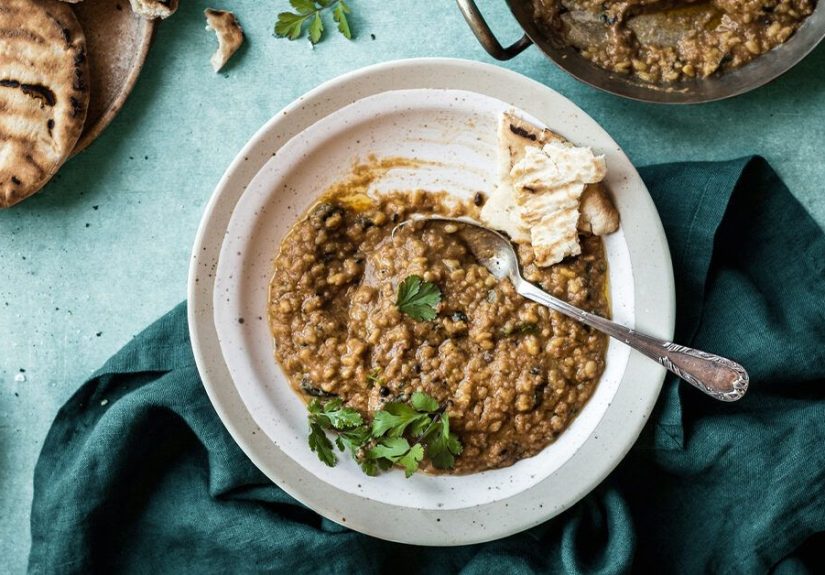
Khichdi is one of the gentlest and most comforting dishes in Indian cooking, usually made with rice and lentils cooked together until soft and cozy. Think of it as the savory, spiced cousin of porridge, but with far better conversation skills. It is easy to digest, easy to customize, and easy to make healthier with vegetables.
When you add carrots, peas, spinach, cauliflower, or zucchini, khichdi becomes a one-pot meal that covers a lot of nutritional ground. The rice and lentils create satisfying texture and balance, while the vegetables brighten everything up. Ginger, cumin, turmeric, and black pepper keep it flavorful without needing a heavy sauce.
Why it works so well
Khichdi is ideal for busy weeks, cold evenings, or days when you want something wholesome that does not demand much effort. Use more lentils relative to rice if you want to boost the protein and fiber. Brown rice can work, although many people still prefer basmati for texture. Top it with cilantro, a spoonful of yogurt, or a crisp cucumber salad for contrast.
7. Tandoori Chicken
Big flavor, leaner profile
Tandoori chicken is one of the easiest healthy Indian dishes to recommend because it is naturally built around protein and flavor rather than cream-based sauce. Chicken is marinated in yogurt, lemon juice, garlic, ginger, and spices, then roasted or grilled until lightly charred and juicy. The yogurt helps tenderize the meat while creating that signature tangy, spiced crust.
Compared with heavier restaurant favorites, tandoori chicken is often a lighter choice that still feels indulgent. It delivers the smoky, complex flavor Indian food lovers want, but without requiring a sauce that could double as a winter coat.
How to make it part of a healthy meal
Choose skinless chicken when possible and serve it with roasted vegetables, salad, dal, or a side of sautéed greens instead of making refined carbs the star. Tandoori chicken also works beautifully in wraps, grain bowls, and leftover lunch plates. Add cucumber yogurt sauce, tomatoes, red onion, and shredded cabbage, and suddenly your healthy lunch looks suspiciously exciting.
8. Fish Curry
A smart pick for seafood lovers
Fish curry is one of the most underrated healthy Indian dishes, especially when it is built around a tomato-based or lighter coconut-based sauce and plenty of spices. Fish cooks quickly, absorbs flavor well, and pairs beautifully with ingredients like turmeric, mustard seeds, ginger, garlic, and curry leaves. The result is aromatic, comforting, and often lighter than richer meat curries.
The healthiest versions use firm fish and let the sauce support the seafood instead of overwhelming it. A balanced fish curry can provide protein, satisfying texture, and a deeply savory broth that tastes restaurant-worthy even at home.
Keep an eye on the details
Some fish curries can become calorie-heavy if the sauce leans too hard on full-fat coconut milk or too much oil. A smart home cook uses enough to build body, then rounds out the meal with vegetables and a reasonable serving of rice. If you are eating out, fish curry is often one of the better choices when you want something flavorful but not overly rich.
How to Enjoy Indian Food in a Healthier Way
Even the healthiest Indian dishes can lose a little of their glow if the whole meal gets away from you. The good news is that small decisions make a real difference. Choose tomato-based, yogurt-based, lentil-based, or vegetable-forward dishes more often. Build your plate around one main curry, one vegetable side, and one grain instead of ordering like you are feeding a cricket team.
Another smart move is to think about balance across the day, not perfection at one meal. If dinner is paneer-rich, maybe lunch is lighter and vegetable-heavy. If you are getting takeout, pair the main dish with cucumber salad or plain yogurt at home. If you cook Indian food regularly, keep staples on hand like lentils, chickpeas, canned tomatoes, garlic, ginger, spinach, and spices. That turns a healthy Indian dinner from an “ambitious someday plan” into an actual Tuesday.
Also, do not underestimate the power of flavor. One reason Indian cuisine works so well for healthy eating is that herbs and spices make food deeply satisfying. When meals taste layered, warm, bright, and aromatic, you are less likely to feel like you are settling. And nobody sticks with “settling” for very long.
Real-Life Experiences with Healthy Indian Dishes
The most memorable thing about eating healthier Indian food is that it rarely feels like health food in the gloomy, joyless sense of the phrase. It feels like real dinner. Real leftovers. Real comfort. The kind of meal that fills the kitchen with cumin, garlic, ginger, and toasted spices long before anyone sits down. That experience matters more than people think, because healthy eating tends to last when it feels generous rather than restrictive.
For many home cooks, the first surprise is how filling these dishes are. A bowl of dal with spinach, a scoop of rice, and a spoonful of yogurt may not look dramatic on paper, but it eats like a complete meal. Chana masala has the same sneaky effect. You think, “Oh, this is just chickpeas,” and then twenty minutes later you realize you are completely satisfied and not rummaging for snacks. Beans and lentils have a way of doing the heavy lifting quietly.
Another common experience is discovering that healthy Indian dishes make leftovers you actually want to eat. Rajma often tastes even better the next day. Baingan bharta settles into itself and becomes deeper and smokier overnight. Tandoori chicken sliced into strips can rescue lunch from sadness. It turns into wraps, grain bowls, salads, or quick rice plates with vegetables. That kind of flexibility is a huge advantage for anyone trying to eat well during a busy week.
Then there is the restaurant experience. Many people assume dining out for Indian food automatically means a rich, indulgent meal. It can, of course, but it does not have to. Once you start recognizing healthier options, the menu opens up in a different way. Suddenly you are ordering dal, tandoori chicken, fish curry, or chana masala with confidence, maybe adding a vegetable dish and skipping the creamiest option that previously seemed mandatory. You still leave happy, just less like you need a nap and a life coach.
Cooking these dishes at home changes your perspective too. You realize how much of the flavor comes from technique and seasoning, not from excess butter or cream. When onions cook down properly, when ginger and garlic hit hot oil, when cumin blooms for a few seconds, the kitchen smells like dinner is being taken seriously. Even simple khichdi can feel deeply special when finished with black pepper, cilantro, and a spoonful of yogurt. Healthy food becomes less about subtraction and more about building flavor intelligently.
There is also an emotional comfort to these meals that should not be ignored. A warm bowl of dal on a rough day feels restorative. Khichdi is the kind of dish people return to when they are tired, cold, overstimulated, or just done with the world. Palak paneer manages to be rich enough to feel indulgent while still putting a green vegetable front and center, which is basically culinary diplomacy. These dishes offer nourishment and familiarity at the same time.
And finally, healthy Indian dishes tend to work well for groups. Vegetarians can eat happily. Meat-eaters do not feel deprived. Spice lovers can adjust heat. Families can mix and match sides. That kind of flexibility makes healthy eating more social and less isolating. At the table, one person can love the fish curry, another can go all in on rajma, and someone else can build a plate around baingan bharta and roti. Everyone gets a meal that feels personal, satisfying, and full of character.
That is probably the best experience of all: learning that healthy Indian food is not a niche compromise. It is simply great food, prepared with a little intention. And when great food happens to support your goals, dinner wins twice.
Conclusion
If you have been searching for healthy Indian dishes that do not sacrifice flavor, these eight options are an excellent place to start. Chana masala, dal, rajma, palak paneer, baingan bharta, khichdi, tandoori chicken, and fish curry each offer something different, but they all share the same strength: they are satisfying, ingredient-driven meals that can fit beautifully into a balanced lifestyle.
The smartest approach is not to chase “perfect” food. It is to choose dishes built from legumes, vegetables, yogurt, lean proteins, and smart cooking methods, then enjoy them with balanced sides and realistic portions. Indian cuisine makes that easier than many people realize. It is full of color, texture, warmth, and enough flavor to keep dinner interesting long after bland diet food has given up and gone home.