Table of Contents >> Show >> Hide
- Why PCOS Can Make Pregnancy Harder
- Step 1: Make Sure the Diagnosis and Fertility Workup Are Solid
- Step 2: Improve Your Odds Naturally Before or Alongside Treatment
- Step 3: Use Fertility Treatment Strategically
- When To See a Fertility Specialist
- Once You Get Pregnant, PCOS Still Deserves Attention
- Common Mistakes To Avoid When Trying To Get Pregnant With PCOS
- Experiences Related to “How To Get Pregnant With PCOS”
- Final Thoughts
Note: This article is for educational purposes only and is not medical advice. If you are trying to conceive with PCOS, work with an OB-GYN or fertility specialist for personalized care.
Trying to get pregnant with PCOS can feel a little like showing up to a party where your ovaries forgot to send the RSVP. One month your cycle exists, the next month it seems to have packed a suitcase and moved to another time zone. It is frustrating, emotional, and honestly a bit rude.
But here is the good news: PCOS does not mean pregnancy is off the table. In fact, many people with polycystic ovary syndrome conceive naturally, and many others get pregnant with the help of straightforward treatment. The key is understanding what PCOS is doing behind the scenes, then making a plan that improves ovulation, supports overall health, and gets the right medical help involved at the right time.
If you are searching for how to get pregnant with PCOS, this guide walks through what actually helps, what tends to waste time, and what to expect from lifestyle changes, fertility medications, ovulation monitoring, IUI, and IVF.
Why PCOS Can Make Pregnancy Harder
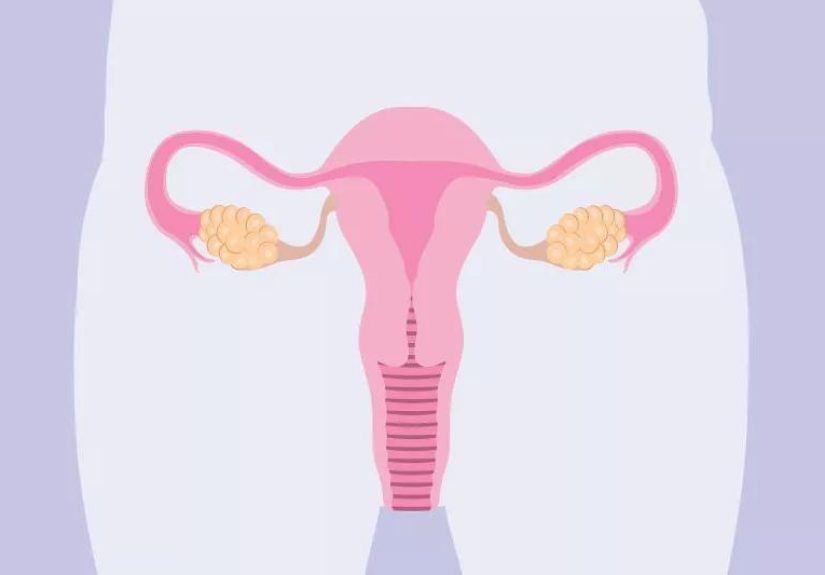
PCOS is a hormonal and metabolic condition that often interferes with regular ovulation. If you do not ovulate consistently, there is no egg available for fertilization every month. That is the main reason PCOS is linked with infertility.
Many people with PCOS also deal with insulin resistance, weight changes, acne, excess hair growth, or irregular periods. Those symptoms are not just annoying side quests. They can be clues that hormones are out of sync and ovulation is not happening on schedule.
The biggest takeaway is simple: PCOS affects timing more than possibility. It often makes conception less predictable, not impossible.
Step 1: Make Sure the Diagnosis and Fertility Workup Are Solid
If you already know you have PCOS, that is helpful, but it should not stop the rest of the fertility evaluation. One of the biggest mistakes people make is assuming every delay is caused by PCOS alone. Sometimes it is. Sometimes there is also a thyroid issue, male-factor infertility, a tubal problem, or another ovulation disorder in the mix.
What your doctor may check
A good preconception or fertility workup may include:
- Review of your menstrual cycle and whether you are ovulating regularly
- Hormone testing and metabolic screening, including blood sugar concerns when appropriate
- Pelvic ultrasound
- Semen analysis for your partner, if relevant
- Assessment of uterine and fallopian tube health before or during treatment planning
That last point matters more than many people realize. If ovulation is fixed but sperm quality is poor or a fallopian tube is blocked, the journey still gets delayed. In other words, do not let PCOS hog all the blame.
Step 2: Improve Your Odds Naturally Before or Alongside Treatment
Natural approaches are not magic. They are not moon dust. But they can make a real difference, especially because PCOS is closely tied to metabolism and ovulation.
1) Aim for sustainable lifestyle changes, not fertility boot camp
If you have overweight or obesity, even modest weight loss may help improve menstrual regularity and ovulation. That does not mean you need a dramatic transformation montage with sad piano music and 4 a.m. burpees. It means steady, realistic changes count.
Focus on habits you can actually keep:
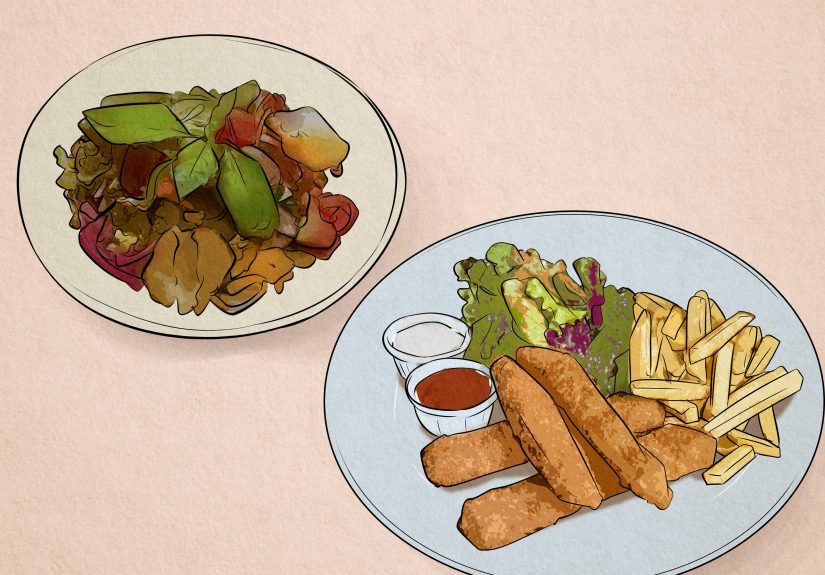
- Balanced meals with protein, fiber, healthy fats, and slower-digesting carbs
- Regular physical activity you do not hate
- Sleep that is more “restorative” and less “three hours plus panic”
- Support for insulin resistance when needed
Some people do well with a Mediterranean-style eating pattern because it is flexible, heart-friendly, and easier to maintain than ultra-restrictive diets. The best fertility diet is usually the one that improves your health without making you miserable.
2) Track ovulation carefully, but do not become a detective board with red string
If you ovulate irregularly, timing sex becomes harder. In general, having sex every day or every other day during the fertile window can improve the odds of conception. For people with unpredictable cycles, this is where things get tricky.
You can try:
- Cycle tracking apps
- Cervical mucus observations
- Basal body temperature
- Ovulation predictor kits
However, with PCOS, ovulation can be less predictable, so at-home tracking is not always enough. If your cycles are very irregular, your doctor may use ultrasound and bloodwork to monitor follicles and pinpoint ovulation more accurately.
3) Start folic acid before pregnancy
If you are trying to conceive, start taking folic acid before pregnancy, not after the positive test when everyone is suddenly pretending to be calm. A daily prenatal vitamin with folic acid is a standard first move. For most people who can become pregnant, 400 mcg daily is the basic recommendation before conception and during early pregnancy. If you have had a previous pregnancy affected by a neural tube defect, your clinician may recommend a higher dose.
4) Review your medications
If you are on hormonal birth control, acne medications, weight-loss drugs, or anything prescribed for another chronic condition, ask your doctor whether it should be stopped, changed, or continued while trying to conceive. Do not stop prescription medication on your own, but do not assume everything is pregnancy-friendly either.
Step 3: Use Fertility Treatment Strategically
If lifestyle steps alone are not enough, fertility treatment can be highly effective for PCOS. This is where many people finally feel like the lights come on because treatment directly targets the missing step: ovulation.
Letrozole is often the first medication doctors reach for
Current evidence-based guidance recommends letrozole as the first-line medication for ovulation induction in people with PCOS who have anovulatory infertility and no other infertility factors. Translation: if the main issue is that you are not ovulating, letrozole is often the lead singer, not just a backup dancer.
Letrozole is taken early in the cycle and can help the ovary mature and release an egg. Many fertility specialists prefer it because it improves ovulation, pregnancy rates, and live birth rates compared with clomiphene in this setting.
Clomiphene is still used
Clomiphene citrate is an older ovulation-induction medication and remains a common treatment. It may be used when letrozole is not appropriate, not available, or not successful. It can be effective, but it generally is not the current first choice when classic PCOS-related anovulation is the main issue.
One reason monitoring matters is that clomiphene can increase the risk of multiple pregnancy more than natural conception. That does not mean twins are guaranteed. It just means treatment is not something to do on vibes alone.
Where metformin fits in
Metformin is not a fertility miracle pill, but it can be useful, especially when insulin resistance is part of the picture. Some people take it alone, while others take it with ovulation-induction medication. It may improve ovulation and can support better metabolic health, though it is generally not considered more effective than letrozole or clomiphene for getting pregnancy underway.
If your doctor suggests metformin, it is often because they are treating the bigger PCOS picture, not just the ovary’s tendency to ghost the cycle calendar.
If pills do not work, the next steps may include gonadotropins, IUI, or IVF
If oral medications do not lead to pregnancy, your fertility specialist may discuss:
- Gonadotropin injections to stimulate ovulation
- IUI (intrauterine insemination), often timed with ovulation
- IVF (in vitro fertilization), especially when there are additional infertility factors or earlier treatments have failed
Gonadotropins can work well, but they usually require careful ultrasound monitoring because they carry a higher risk of multiple pregnancy and ovarian overstimulation than oral medications.
IUI may be recommended when timing needs more precision or when there are mild sperm issues. IVF is usually not the first stop for straightforward PCOS-related anovulation, but it can be an excellent option when the fertility picture is more complicated or time is a major factor.
What about ovarian drilling?
Laparoscopic ovarian drilling still exists, but it is usually considered a later option, not a first move. It may help restore ovulation in selected cases, but the effect may be temporary, and most people today start with medication-based treatment instead.
When To See a Fertility Specialist
If you have PCOS, it often makes sense to seek help sooner rather than later, especially if your periods are very irregular. In general, infertility is defined as not getting pregnant after one year of regular, unprotected sex if you are under 35, or after six months if you are 35 or older. If you are over 40, many experts recommend speaking with a clinician right away.
With PCOS, you may not need to wait that long if:
- Your periods are absent or very infrequent
- You rarely get positive ovulation tests
- You have a history of miscarriage
- You suspect another fertility factor is involved
- You want a clear plan instead of six more months of guessing
Seeing a specialist early is not “overreacting.” It is project management for your reproductive system.
Once You Get Pregnant, PCOS Still Deserves Attention
A positive pregnancy test is wonderful, but it is not always the moment to throw your planner into the air and declare total victory. PCOS can be linked with higher rates of miscarriage, gestational diabetes, preeclampsia, cesarean delivery, and larger babies.
That sounds scary, but it should be read as a cue for good prenatal care, not panic. Before conception and during pregnancy, it is helpful to:
- Optimize blood sugar if insulin resistance or diabetes is present
- Reach the healthiest weight possible for you before pregnancy
- Take prenatal vitamins with folic acid
- Keep scheduled prenatal visits
- Ask early about screening for gestational diabetes and blood pressure monitoring
Pregnancy with PCOS is common. Pregnancy with PCOS plus close follow-up is even smarter.
Common Mistakes To Avoid When Trying To Get Pregnant With PCOS
Waiting forever because “maybe next month”
Hope is lovely. So are action steps. If your cycles are consistently irregular, get evaluated instead of letting the calendar roast you in silence.
Hyper-focusing on supplements while ignoring ovulation
Supplements get a lot of attention online. Some may be discussed in medical care, but none should distract from the basics: ovulation, sperm, tubes, timing, and overall metabolic health.
Trying to lose weight too aggressively
Crash dieting, over-exercising, and punishing yourself usually backfire. Fertility care works better with sustainable routines than with dramatic plans that collapse by next Thursday.
Assuming treatment has failed too soon
Even when ovulation is induced successfully, pregnancy can still take multiple cycles. That does not mean nothing is working. It means biology enjoys suspense.
Experiences Related to “How To Get Pregnant With PCOS”
People trying to conceive with PCOS often describe the experience as equal parts science experiment, emotional roller coaster, and calendar-based detective novel. One common story starts with years of irregular periods that felt inconvenient but manageable, until the person decides they actually want to get pregnant. Suddenly, what used to be shrugged off as “my cycle is just weird” becomes a real obstacle. That shift can be emotionally intense because the condition goes from annoying to deeply personal.
Another very common experience is confusion around timing. Someone may buy ovulation strips, download three tracking apps, color-code their calendar, and still have no idea whether ovulation is happening. This is especially frustrating for people with long or irregular cycles. They often feel like everyone else got a straightforward instruction manual while they got a printer error. When they finally meet with an OB-GYN or reproductive endocrinologist and learn that PCOS can make ovulation unpredictable, the reaction is often relief mixed with irritation: relief because there is an explanation, irritation because nobody explained it sooner.
Many people with PCOS also talk about how loaded the subject of weight becomes. Some feel dismissed when every conversation circles back to weight loss, while others truly do notice that a modest improvement in nutrition, movement, sleep, and insulin resistance helps their cycles become more regular. The best experiences usually happen when care feels respectful and individualized instead of judgmental. People tend to do better when clinicians say, “Let’s improve your health in a practical way,” rather than, “Come back after becoming a completely different human.”
Medication experiences vary, too. Some people get pregnant after a few cycles of letrozole and feel shocked that the answer was so direct once the right treatment was used. Others need a more layered plan: metformin for insulin resistance, ultrasound monitoring, a trigger shot, then timed intercourse or IUI. A lot of them say the emotional burden is not just the treatment itself, but the waiting. Waiting for follicles to grow. Waiting for lab results. Waiting for the right day. Waiting two more weeks to test. PCOS often turns reproduction into a master class in patience, and very few people asked to enroll.
There is also the social side. Friends or relatives may say, “Just relax and it will happen,” which is the fertility equivalent of telling someone with a flat tire to simply believe in the wheel. People with PCOS often feel isolated because the advice they get is overly simple compared with what they are actually dealing with. That is why support matters, whether it comes from a partner, a therapist, a support group, or a doctor who explains things clearly.
Perhaps the most important shared experience is this: many people with PCOS do go on to have healthy pregnancies. Their paths are not always quick or linear, but they are real. Some conceive naturally after improving cycle regularity. Some need letrozole. Some need IUI or IVF. The common thread is that once the problem is defined and treated thoughtfully, hope becomes much more concrete. Not fantasy hope. Plan-on-paper hope. And that is often the turning point.
Final Thoughts
If you want to know how to get pregnant with PCOS, start with the basics that matter most: confirm ovulation is the issue, improve metabolic health, time intercourse intelligently, and get help early if your cycles are irregular or conception is not happening. For many people, the most effective treatment path begins with lifestyle support and ovulation induction, especially letrozole. From there, options like metformin, monitored cycles, IUI, and IVF can be added based on your needs.
The short version is encouraging: PCOS can absolutely make conception harder, but it is one of the most treatable causes of infertility. You do not need perfect hormones, a perfect body, or a perfect month. You just need a plan grounded in real medicine and enough persistence to keep going when your ovaries decide to be dramatic.