Table of Contents >> Show >> Hide
- Why Swap Rice in the First Place?
- 1. Quinoa: The Tiny Overachiever
- 2. Farro: Chewy, Nutty, and Built for Big Flavor
- 3. Barley: Cozy, Budget-Friendly, and Underrated
- 4. Bulgur: The Weeknight Hero
- 5. Millet: Mild, Fluffy, and Surprisingly Flexible
- 6. Lentils: The Protein-Packed Power Move
- 7. Cauliflower Rice: The Fast, Light Option
- 8. Buckwheat Groats: Earthy, Cozy, and Way More Versatile Than They Sound
- How to Pick the Right Rice Alternative for the Right Meal
- Common Mistakes That Make Rice Alternatives Less Delicious
- What It’s Actually Like to Live With Rice Alternatives
- Final Thoughts
Rice is the reliable friend of the dinner table. It shows up on time, behaves itself in a bowl, and rarely complains about curry, stir-fry, or roasted vegetables. But even the most dependable pantry staple can use a little competition. If you have ever stared into a pot of rice and thought, “You again?” this article is your permission slip to branch out.
The good news is that rice alternatives are no longer limited to one sad scoop of steamed cauliflower pretending to be exciting. Today’s best swaps include nutty whole grains, protein-rich legumes, and veggie-based stand-ins that bring more texture, flavor, and personality to the plate. Some are ideal when you want more fiber. Some work beautifully when you want a lighter base. Some are simply better at soaking up sauces than rice ever dreamed of being.
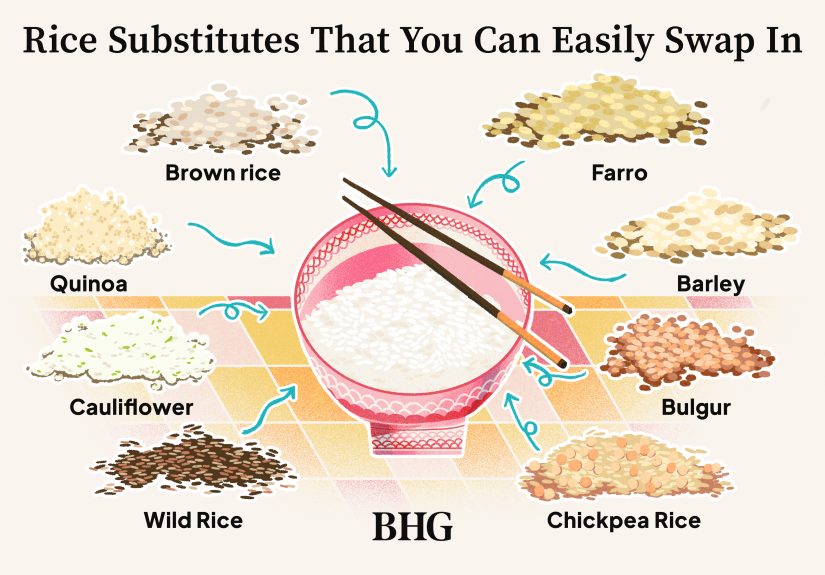
And let’s be clear: this is not a breakup letter to rice. This is a “let’s see other carbs” situation. Whether you are building grain bowls, meal-prepping lunches, serving family dinners, or just trying to shake your routine out of a starch-related coma, these eight delicious rice alternatives can step in without making dinner weird.
Why Swap Rice in the First Place?
Swapping rice does not have to be about restriction. Sometimes it is about variety. Sometimes it is about getting more fiber, more protein, or a different texture on the plate. Whole grains and legumes can add a heartier chew and keep meals feeling more satisfying, while vegetable-based options can lighten things up when you want a base that is less dense. In other words, choosing a rice substitute is less about food drama and more about matching the right ingredient to the right meal.
Another bonus is flexibility. Some rice alternatives cook faster than standard rice. Some hold up better in meal prep. Some work better in soups and salads. And some, like cauliflower rice, are ready so quickly they are basically the culinary version of replying to an email with “Done.”
1. Quinoa: The Tiny Overachiever
If rice had a valedictorian cousin, it would be quinoa. This naturally gluten-free seed cooks like a grain and brings a fluffy texture with a subtle nutty flavor. It works especially well in burrito bowls, grain salads, stuffed peppers, and simple weeknight dinners where you need something fast but not boring.
Quinoa shines because it is easy to dress up. Toss it with olive oil, lemon juice, herbs, and roasted vegetables, and it suddenly looks like you meant to meal prep all along. It also plays well with stronger flavors like harissa, soy sauce, curry paste, pesto, and chimichurri. Rice sometimes sits politely under a sauce. Quinoa joins the conversation.
Best uses for quinoa
Use quinoa in grain bowls, taco bowls, soups, and as a side for grilled chicken, salmon, or roasted vegetables. It is also one of the easiest swaps for people who want something that feels familiar but offers a little more texture and a bit more protein.
Quick tip
Rinse quinoa before cooking unless the package says it is pre-rinsed. That extra minute helps wash away some of the natural coating that can taste bitter. Nobody needs a dinner that finishes with a tiny lecture in regret.
2. Farro: Chewy, Nutty, and Built for Big Flavor
Farro is the rice alternative for people who want a grain with actual swagger. It is pleasantly chewy, slightly nutty, and sturdy enough to stand up to bold dressings, roasted vegetables, mushrooms, and braised meats. If you love hearty grain bowls or warm salads that do not collapse into mush by lunchtime, farro is your winner.
One reason farro works so well is its texture. It feels substantial, which makes it satisfying in a way plain white rice sometimes does not. It is excellent in Mediterranean-style bowls, mushroom dishes, soups, and even risotto-style preparations sometimes called farrotto. Yes, that name sounds like a restaurant special with a dramatic backstory, but the dish is genuinely delicious.
Best uses for farro
Pair farro with roasted squash, caramelized onions, feta, chickpeas, chicken thighs, or tomatoes and basil. It is especially good when the meal needs body and chew.
Keep in mind
Farro contains gluten, so it is not the right pick for a gluten-free kitchen. But if gluten is not an issue, farro is one of the most flavorful rice alternatives on this list.
3. Barley: Cozy, Budget-Friendly, and Underrated
Barley deserves better public relations. It is hearty, versatile, affordable, and fantastic in soups, pilafs, and savory bowls. It has a pleasantly chewy bite and a mild flavor with a little sweetness, which makes it a smart choice when you want a rice substitute that feels comforting rather than trendy.
It also works beautifully in dishes where you want a slightly creamy finish. Think mushroom barley bowls, vegetable-packed soups, or a warm side dish with garlic, parsley, and a squeeze of lemon. It brings enough personality to be interesting but not so much that it hijacks the meal like an overexcited dinner guest.
Best uses for barley
Barley is ideal in soups, stews, grain salads, and side dishes with roasted vegetables. It can also work in a risotto-style dish if you want something rich and comforting without using rice.
Shopping tip
If you want the whole-grain version, look for hulled barley. Pearled barley is still tasty and more common, but it is more refined. Both can be useful, depending on your goals and cooking time.
4. Bulgur: The Weeknight Hero
Bulgur is what happens when convenience and good taste decide to cooperate. It cooks quickly, has a mild nutty flavor, and is one of the easiest grains to work into a busy schedule. If your energy level at 6 p.m. is “I can cook, but only if the ingredient list respects me,” bulgur is a solid choice.
Because it cooks so fast, bulgur is perfect for quick grain bowls, stuffed vegetables, chopped salads, and side dishes. It absorbs dressing and broth well, which means it tastes like more than itself. That may sound rude, but bland grains need friends.
Best uses for bulgur
Use bulgur in tabbouleh-style salads, grain bowls with cucumbers and herbs, or as a quick base for grilled shrimp, chicken, or roasted chickpeas. It is especially helpful when rice feels too slow and takeout feels too expensive.
Keep in mind
Bulgur is made from wheat, so it is not gluten-free. But for speed, flavor, and ease, it is one of the best rice alternatives for everyday cooking.
5. Millet: Mild, Fluffy, and Surprisingly Flexible
Millet does not always get the spotlight, but it should. It has a mild, slightly nutty flavor and can be cooked fluffy like a grain side dish or softer and creamier depending on how much liquid you use. That makes it one of the more flexible rice swaps in the pantry.
Millet works well in bowls, pilafs, and veggie-forward meals where you want a gentler flavor that lets sauces and toppings lead. Toasting the dry millet before cooking can deepen its flavor and give it a little more dimension. It is a small move, but it makes a noticeable difference, like changing from overhead lighting to a lamp and suddenly looking like a person who has their life together.
Best uses for millet
Millet is great with roasted vegetables, curry, sautéed greens, and simple lemon-herb dressings. It also fits nicely into meal prep because it reheats well without turning gloomy.
Why people like it
It is naturally gluten-free, easy to season, and a nice change of pace for anyone tired of quinoa but still wanting a similarly adaptable grain.
6. Lentils: The Protein-Packed Power Move
Lentils are not trying to imitate rice exactly, and that is part of their charm. They bring more protein, more fiber, and more substance to a meal, making them especially useful when you want a rice replacement that can carry the dish instead of merely supporting it.
Brown and green lentils tend to hold their shape best, so they work especially well in bowls, warm salads, and side dishes. Red lentils get softer and are better in soups, curries, and stews. If your dinner goal is to stay full longer and not go hunting through the pantry an hour later for crackers and emotional closure, lentils are a smart pick.
Best uses for lentils
Use lentils under roasted salmon, in curry bowls, with tomato-based sauces, or mixed with sautéed vegetables and herbs. They are also excellent in stuffed peppers and grain-free meal prep bowls.
Flavor tip
Lentils love acidity and spice. A splash of vinegar, lemon juice, chili crisp, or a spoonful of yogurt can take them from “healthy” to “actually craveable.” That is an important distinction.
7. Cauliflower Rice: The Fast, Light Option
Cauliflower rice is the most famous rice alternative for a reason: it is quick, light, and incredibly easy to use. It is not going to fool anyone into believing it is jasmine rice on vacation, but that is okay. Its job is not impersonation. Its job is giving you a vegetable-based base that works with saucy, flavorful meals.
Cauliflower rice is especially useful for stir-fries, burrito bowls, skillet meals, and low-carb dinners. It cooks in minutes, which is wonderful, but it also gives off moisture. If you overcrowd the pan or leave it too wet, the result can be less “delicious side dish” and more “vegetable confetti with trust issues.” Cook it hot and fast, and do not be afraid to season it well.
Best uses for cauliflower rice
Use it in fried “rice,” under curry, in taco bowls, or as half of a rice blend. Mixing half cauliflower rice with half quinoa or brown lentils is a very smart middle ground for people who want a lighter bowl without giving up satisfaction.
Texture tip
If you are using frozen cauliflower rice, squeeze out excess moisture after thawing. A dry cauliflower rice has a much better chance of becoming dinner instead of a cautionary tale.
8. Buckwheat Groats: Earthy, Cozy, and Way More Versatile Than They Sound
Buckwheat sounds like it belongs in a nineteenth-century pantry next to a candle mold, but it is one of the most interesting rice alternatives you can cook with today. Despite the name, it is naturally gluten-free. It has an earthy, nutty flavor and a tender-chewy texture that works beautifully in savory bowls and hearty side dishes.
Untoasted buckwheat groats are milder, while toasted buckwheat, often called kasha, has a deeper, more assertive flavor. If you like food with personality, buckwheat is excellent. If you want something mild and neutral, maybe start with quinoa and work your way up.
Best uses for buckwheat
Try buckwheat with mushrooms, onions, roasted root vegetables, or a fried egg on top. It is also very good in grain bowls where you want a rustic, warming feel.
How to Pick the Right Rice Alternative for the Right Meal
The secret to loving rice alternatives is choosing them based on what the dish needs. For a burrito bowl or a chopped salad, quinoa and bulgur are excellent because they stay fluffy and absorb dressing well. For soups or cozy grain dishes, barley and farro bring chew and comfort. For lighter skillet meals, cauliflower rice moves fast and keeps things fresh. For a heartier, higher-protein base, lentils are hard to beat.
If you are making curry, consider millet, quinoa, or a quinoa-cauliflower blend. If you are meal prepping lunches, farro, barley, bulgur, and lentils tend to hold up especially well in the fridge. And if you want a dish that feels substantial enough to stand alone, farro and buckwheat bring the most character per bite.
Common Mistakes That Make Rice Alternatives Less Delicious
The biggest mistake is under-seasoning. Rice alternatives are often praised for their nutrition, but flavor still matters. Salt your cooking liquid. Finish with acid. Add herbs, garlic, olive oil, toasted nuts, cheese, or a punchy sauce. Even the most wholesome grain in the world cannot survive a bland introduction.
The second mistake is expecting every swap to act exactly like rice. Quinoa is fluffier. Farro is chewier. Lentils are heartier. Cauliflower rice is lighter and less starchy. Once you stop demanding perfect imitation and start cooking each ingredient for its strengths, dinner gets a lot better.
What It’s Actually Like to Live With Rice Alternatives
In real kitchens, rice alternatives are less about strict food rules and more about mood, time, and what is lurking in the pantry. On some nights, quinoa feels like the responsible choice because it cooks quickly and makes lunch tomorrow look organized. On other nights, farro wins because you want something chewy and comforting that can handle roasted vegetables, a little feta, and an aggressively confident lemon dressing. Then there are the evenings when cauliflower rice shows up because dinner needs to happen in ten minutes and absolutely nobody has the patience for a forty-minute grain.
One of the most interesting experiences people have with rice swaps is realizing that texture changes everything. A bowl that feels forgettable with plain rice can suddenly taste more layered with barley or buckwheat. Lentils make a meal feel sturdier. Bulgur feels lighter and brighter in herb-heavy dishes. Millet can be so soft and fluffy that it almost disappears into the rest of the plate, which is great when you want the sauce or protein to be the main event.
There is also a learning curve, and that is normal. The first time someone makes cauliflower rice, they often use too much of it, cook it too long, or forget to season it. The first time someone cooks quinoa, they may forget to rinse it and wonder why dinner tastes faintly grumpy. Farro can surprise people by being chewier than expected, and lentils can go from perfectly tender to suspiciously mushy if they are ignored while you scroll on your phone pretending to look up a recipe.
But once those little lessons settle in, these swaps become incredibly practical. They help break the monotony of eating the same starch with every dinner. They make leftovers more interesting. They also let you build meals around what you actually want. Maybe you want a lighter bowl after a heavy weekend. Maybe you want more fiber. Maybe you just want your grain to have a little personality for once. That is where these alternatives shine.
Many home cooks also discover that mixing alternatives works better than choosing just one. Half quinoa and half cauliflower rice is a great blend. Lentils with a little millet can feel hearty without being too dense. Barley mixed into a vegetable soup adds body. These combinations often deliver the best balance of flavor, texture, and satisfaction. In other words, you do not need to join Team One Grain Forever. Your dinner bowl can contain multitudes.
And maybe that is the best part of the whole experience: rice alternatives make meals feel fresh again. They add variety without demanding a complete kitchen reinvention. They are still easy enough for everyday cooking, but different enough to make dinner feel intentional. That is a win for your taste buds, your meal prep, and anyone in your household who is tired of seeing the same pile of white rice looking back at them every night like a starchy groundhog day.
Final Thoughts
The best rice alternative depends on what you want your meal to do. Quinoa is quick and balanced. Farro is hearty and chewy. Barley is cozy and budget-friendly. Bulgur is a weeknight lifesaver. Millet is mild and flexible. Lentils bring staying power. Cauliflower rice is fast and light. Buckwheat adds earthy depth and serious personality.
You do not need to swear off rice to enjoy any of them. Just keep a few of these options in rotation and use them where they make sense. The result is a more interesting, more adaptable kitchen with meals that taste less repetitive and a lot more alive. And frankly, your stir-fries, bowls, and cozy dinners deserve that kind of upgrade.