Table of Contents >> Show >> Hide
- Before You Bake: The 4 Rules That Make Gluten-Free Cookies Taste “Normal”
- 1) Chocolate Chip Cookies (Chewy, Crisp-Edged, and Totally Convincing)
- 2) Snickerdoodles (Soft, Puffy, Cinnamon-Sugar Perfection)
- 3) Sugar Cookies (Cut-Outs That Actually Hold Their Shape)
- 4) Oatmeal Cookies (Chewy, Cozy, and Not Gritty)
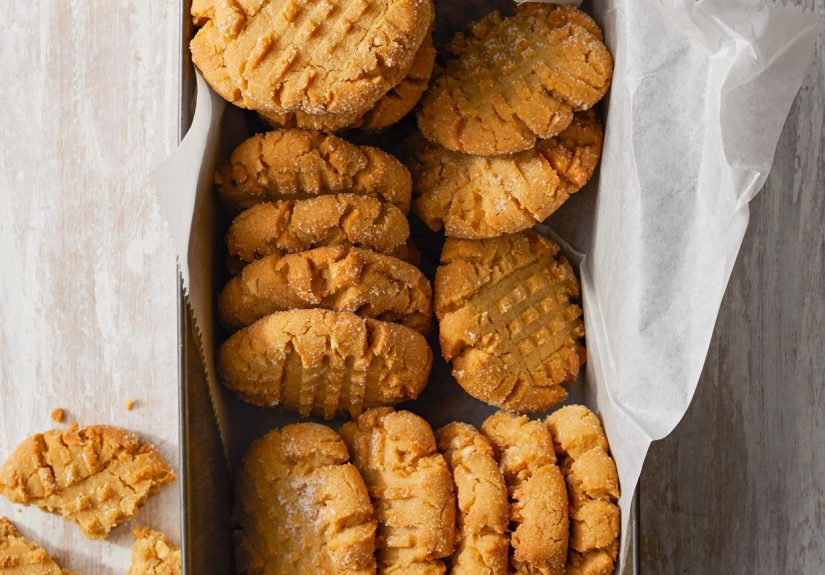
- 5) Peanut Butter Cookies (Naturally Gluten-Free and Shockingly “Original”)
- 6) Ginger Molasses Cookies (Soft, Spicy, and “Stay Fresh for Days” Good)
- 7) Chocolate Crinkle Cookies (Fudgy Centers, Dramatic Powdered Sugar Tops)
- 8) Shortbread (Buttery, Crisp-Tender, and Tea-Time Ready)
- How to Choose the “Right” Gluten-Free Cookie for Your Mood
- Conclusion: Gluten-Free Cookies Can Be “The Real Thing”
- SEO Tags
Gluten-free cookies used to have a reputation: “tastes fine… for gluten-free.” Translation: polite smile, quiet sip of water, immediate hunt for the nearest real brownie.
The good news? We’re living in a golden age of gluten-free baking. With today’s flour blends, smart binders, and a few chef-y tricks (the easy kind, not the “temper chocolate while blindfolded” kind), you can bake cookies that are chewy, crisp-edged, thick, soft, buttery, andmost importantlytotally believable.
Below are eight classic cookie styles that can go gluten-free without losing their soul. You’ll also get practical, texture-focused tips so your cookies taste like the originalsnot like an apology.
Before You Bake: The 4 Rules That Make Gluten-Free Cookies Taste “Normal”
1) Use a dependable 1-to-1 flour blend (and know what’s inside)
For most “classic” cookies, a cup-for-cup / measure-for-measure gluten-free flour blend is the simplest path to familiar flavor and structure. These blends typically combine rice flour with starches like tapioca and potato. The goal is balance: enough starch for tenderness, enough whole-grain flour for body, and a fine grind so your cookie doesn’t crunch like beach sand.
One key detail: some blends include xanthan gum (or a similar binder) and some don’t. If your blend is gum-free, many recipes will need a small amount of binder to prevent crumbling and help cookies hold their shape.
2) Let the dough rest (yes, even cookie dough)
Gluten-free flours and starches absorb liquid differently than wheat flour. Resting the dougheven 20 to 30 minuteshelps it hydrate and thickens it naturally, which can improve chew and reduce spreading. Bonus: the flavor gets better, too.
3) Chill for control and chew
Chilled dough spreads less, bakes up thicker, and can deliver that coveted “crisp edges + gooey center” vibe. This is especially helpful for chocolate chip cookies, molasses cookies, and anything with lots of butter.
4) Don’t forget the “gluten-free” part beyond flour
If you’re baking for someone with celiac disease or strict gluten avoidance, ingredients like oats and even some baking add-ins can be cross-contact risks. Look for certified gluten-free oats and products when needed, and keep your tools and surfaces clean.
1) Chocolate Chip Cookies (Chewy, Crisp-Edged, and Totally Convincing)
If gluten-free chocolate chip cookies are good, nobody asks questions. If they’re great, people start hovering near the cooling rack like it’s a campfire in the wilderness.
Why this one works gluten-free
Chocolate chip cookies don’t rely on gluten the way bread does. Their structure comes from a team effort: eggs for set, sugar for spread and crispness, butter for flavor, and flour mostly for “just enough” body. A good 1-to-1 gluten-free blend can mimic that role beautifully.
Make it taste like the original
- Chill the dough at least an hour so the flour hydrates and the butter firms up.
- Use brown sugar for chew, and don’t be shy with vanilla.
- Consider a tiny cornstarch boost (a teaspoon or two) for extra softness, especially if your blend is very “whole-grain heavy.”
- Underbake slightly and let cookies finish setting on the pan for a softer center.
Flavor upgrade that still tastes “classic”: brown the butter. It adds caramel-nutty depth without making the cookie taste “weird.” (Unless you burn it. Then it tastes like regret. Don’t do that.)
2) Snickerdoodles (Soft, Puffy, Cinnamon-Sugar Perfection)
Snickerdoodles are basically sugar cookies that went to a cinnamon spa and came back relaxed and hydrated.
Why this one works gluten-free
Snickerdoodles are tender by nature, and their signature texture comes from creaming butter and sugar plus a lift from leavening (and, traditionally, cream of tartar). Gluten isn’t the star hereflavor and softness are.
Make it taste like the original
- Use room-temp butter so creaming creates air and gives you that puffy bite.
- Rest the dough 20–30 minutes so it stops being sticky and starts behaving.
- Roll generously in cinnamon sugarthis is not the time for minimalism.
- Bake until just set; snickerdoodles should be soft, not crunchy.
3) Sugar Cookies (Cut-Outs That Actually Hold Their Shape)
Sugar cookies are a holiday power move: they look innocent, then suddenly you’re decorating for three hours and wondering why you have royal icing on your elbow.
Why this one works gluten-free
The secret to classic sugar cookies is a dough that’s firm enough to roll and cut cleanly. Gluten-free versions can do this wellespecially when the dough is chilled and the flour blend is fine-textured.
Make it taste like the original
- Chill the dough before rolling so butter stays solid and shapes stay sharp.
- Use powdered sugar (optional) for tenderness, or a small amount of pudding mix if you want an extra chewy style.
- Roll between parchment to prevent adding too much extra flour (which can dry cookies out).
- Don’t overbake; pale edges = soft centers.
If you want “bakery-style chew” rather than crisp cut-outs, some recipes use a mix of rice flour and coconut flour plus a texture booster like instant pudding. It sounds chaotic, but the result can be surprisingly legit.
4) Oatmeal Cookies (Chewy, Cozy, and Not Gritty)
Oatmeal cookies are the sweater-weather cookie. Even in July. Especially in July. (Air conditioning counts.)
Why this one works gluten-free
Oats bring chew and structure all on their own. Many excellent gluten-free oatmeal cookie recipes lean on oats or oat flour for body, sometimes with a little gluten-free blend to keep things from spreading into oat pancakes.
Make it taste like the original
- Use certified gluten-free oats if gluten exposure is a concern.
- Use a mix of whole oats + oat flour (or grind some oats) for better binding and texture.
- Mix wellgluten-free dough often benefits from a slightly more thorough mix to distribute binders evenly.
- Add-ins matter: raisins, chocolate chunks, toasted nuts, or dried cherries can make the cookie taste “fancier” without changing the classic vibe.
5) Peanut Butter Cookies (Naturally Gluten-Free and Shockingly “Original”)
Peanut butter cookies are the ultimate gluten-free cheat code. Many versions are flourless by design, which means you’re not “substituting”you’re simply winning.
Why this one works gluten-free
Peanut butter provides fat, flavor, and structure. Combined with sugar and egg, it sets into a chewy cookie that doesn’t need wheat flour to feel complete.
Make it taste like the original
- Choose the right peanut butter: conventional creamy peanut butter gives the most “classic” texture; natural peanut butter can work but may be looser.
- Balance sweetness: a mix of white and brown sugar often tastes more like old-school bakery cookies.
- Chill if the dough is soft, especially with natural peanut butter.
- Fork crosshatch for even baking and nostalgia points.
If you miss peanut butter blossoms, go for itjust confirm your chocolates and sprinkles are gluten-free if you’re baking for someone sensitive.
6) Ginger Molasses Cookies (Soft, Spicy, and “Stay Fresh for Days” Good)
Ginger molasses cookies are basically edible candles: warm, cozy, and capable of making your entire kitchen smell like you have your life together.
Why this one works gluten-free
Molasses adds moisture and chew, and spices add bold flavorboth of which help gluten-free cookies taste rich and complete. Many great versions also rely on chilling the dough for better shape and texture.
Make it taste like the original
- Chill the dough so the cookies bake thicker and crinkle nicely.
- Use a robust spice mix: ginger + cinnamon are essential; a touch of clove or cardamom can add complexity.
- Roll in sugar before baking for sparkle and crisp edges.
- Don’t overbakepull them when the centers still look slightly soft.
7) Chocolate Crinkle Cookies (Fudgy Centers, Dramatic Powdered Sugar Tops)
Chocolate crinkle cookies are the cookie equivalent of wearing black and white: classic, bold, and always photogenic.
Why this one works gluten-free
The “structure” here comes from cocoa, eggs, sugar, and fatnot a strong gluten network. With a good gluten-free flour blend (or sometimes even very little flour), you can get a brownie-like interior that no one suspects is gluten-free.
Make it taste like the original
- Use good cocoa for deep chocolate flavor.
- Chill the dough so it’s scoopable and holds shape.
- Double-coat in sugar: a quick roll in granulated sugar, then powdered sugar helps the “crinkle” show up.
- Expect a longer rest: many crinkle cookie doughs improve after chilling.
8) Shortbread (Buttery, Crisp-Tender, and Tea-Time Ready)
Shortbread is the minimalist masterpiece of the cookie world: butter, sugar, flour, and confidence.
Why this one works gluten-free
Great shortbread is about fat and a delicate crumb. Gluten-free flours can actually shine here, especially blends that include rice flour (for crispness) and starch (for tenderness). Almond flour variations can taste luxuriously rich and still read as “classic shortbread,” just with extra depth.
Make it taste like the original
- Don’t overmix; shortbread should be tender, not tough.
- Chill before baking to prevent spreading and keep clean edges.
- Use real butter (this is shortbread; it’s basically butter wearing a cookie costume).
- Finish with a pinch of salt to sharpen flavor and keep sweetness from tasting flat.
How to Choose the “Right” Gluten-Free Cookie for Your Mood
- Want a guaranteed crowd-pleaser? Chocolate chip or snickerdoodles.
- Need a holiday cookie that decorates well? Sugar cookies or shortbread.
- Craving cozy spice? Ginger molasses (the kitchen will smell incredible).
- Want a gluten-free shortcut that still feels fancy? Peanut butter cookies or chocolate crinkles.
- Need something “wholesome-ish” that still counts as dessert? Oatmeal cookies.
Conclusion: Gluten-Free Cookies Can Be “The Real Thing”
The best gluten-free cookies don’t try to be differentthey try to be delicious. And with the right flour blend, a little resting time, and a strategic chill, you can bake cookies that are chewy, crisp, tender, and fully convincing to gluten-eaters.
Start with one classic (chocolate chip is a great first win), then branch out. Once you learn how your favorite gluten-free flour blend behaves, the rest becomes a repeatable systemless mystery, more cookie.
Experience Notes: What Baking These Cookies Feels Like (and What You Learn Fast)
If you’ve ever baked gluten-free cookies for a mixed crowd, you know the emotional roller coaster is real. The first batch is usually made with big hopes and a slightly suspicious amount of Googling. The dough looks normal… mostly. Then you scoop it onto the tray and wonder why it feels a little softer than you expected, like it’s trying to take a nap instead of become a cookie. That’s where the “rest and chill” lesson hits: gluten-free dough often needs time to hydrate so it stops acting like wet sand at low tide.
One of the most common early experiences is the Spread Surprise. You follow a recipe, the oven is preheated, you’re feeling confidentand ten minutes later you’re staring at cookies that have merged into one large cookie continent. The fix isn’t complicated: a colder dough, a slightly smaller scoop, and sometimes a flour blend with a bit more structure (or a pinch of binder if your blend is gum-free). The funny part is how quickly this becomes second nature. By batch three, you’re casually chilling dough like you’re running a professional test kitchen, even if you’re wearing pajama pants and listening to a podcast about haunted lighthouses.
The most satisfying moment, though, is the first time someone reaches for a cookie and doesn’t do the “gluten-free face.” You know the look: polite optimism with a backup plan. Instead, they take a bite, pause, and go back for anotherno questions, no commentary, no “wow, I never would’ve guessed!” because they’re too busy chewing. Chocolate crinkles are especially good for this, because fudgy centers don’t scream “alternative.” They just scream “more, please.”
Baking for gluten-sensitive friends or family can also change how you think about ingredients. You start noticing which items are quietly riskylike oats that aren’t certified gluten-free, or add-ins that could be processed around wheat. It’s not about fear; it’s about being thoughtful. Many bakers describe this as the moment gluten-free baking stops feeling like restriction and starts feeling like craft. You’re not just swapping flouryou’re choosing textures on purpose: oat flour for chew, starch for tenderness, brown sugar for moisture, chilling for shape.
And then there’s the “cookie identity” journey. Some people want their gluten-free cookie to be indistinguishable from the original. Others discover they prefer the gluten-free version: shortbread with almond flour tastes richer, peanut butter cookies feel more intensely peanut-buttery, oatmeal cookies can be extra chewy when you grind a portion of the oats. Over time, you stop chasing perfect imitation and start chasing perfect cookie. That’s when the whole thing gets easierand a lot more fun. Because at the end of the day, the goal isn’t to prove anything. It’s to put a warm cookie in someone’s hand and watch them smile like you just handed them a tiny edible holiday.
![18 Best Types of Charts and Graphs for Data Visualization [+ How to Choose]](https://corkopencoffee.org/wp-content/uploads/2026/05/18-best-types-of-charts-and-graphs-for-data-visualization-how-to-choose-qKM1PBYG-thumb.jpg)