Table of Contents >> Show >> Hide
- Why Christmas tree fires can escalate so quickly
- 1) The tree quietly dries out (and you don’t notice until it’s a crunchy candle)
- 2) A heat source is “not that close”… until it is
- 3) Old light strings with “character” (a.k.a. damaged wires and cracked sockets)
- 4) Overloaded outlets and daisy-chained power strips
- 5) Extension cord “tricks” that pinch, trap heat, or damage insulation
- 6) Leaving tree lights on while you sleep or leave the house
- 7) “Just one candle” (or other open flame) too close to the branches
- 8) The tree tips over (and turns cords, water, and electricity into chaos)
- Quick “Expert-Approved” Christmas tree fire safety checklist
- What to do if something seems wrong
- Real-World Experiences: 8 Close-Call Moments Experts Hear About Every Holiday Season (Extra )
- Conclusion
Christmas tree fires are a little like that one relative who only shows up once a year and still manages to
break something expensive: they’re not super common, but when they happen, they can get serious fast.
Fire-safety organizations note that tree fires don’t occur often compared to other home fires, but they tend
to be more damaging and dangerous when they do. The good news? Most of the “how did this even happen?”
moments are predictableand preventable.
Below are eight surprisingly sneaky ways a holiday tree can turn from “cozy” to “call 911,” plus what experts
recommend to keep your living room full of cheer, not smoke. (No judgmentevery tip here exists because
somebody, somewhere, already learned it the hard way.)
Why Christmas tree fires can escalate so quickly
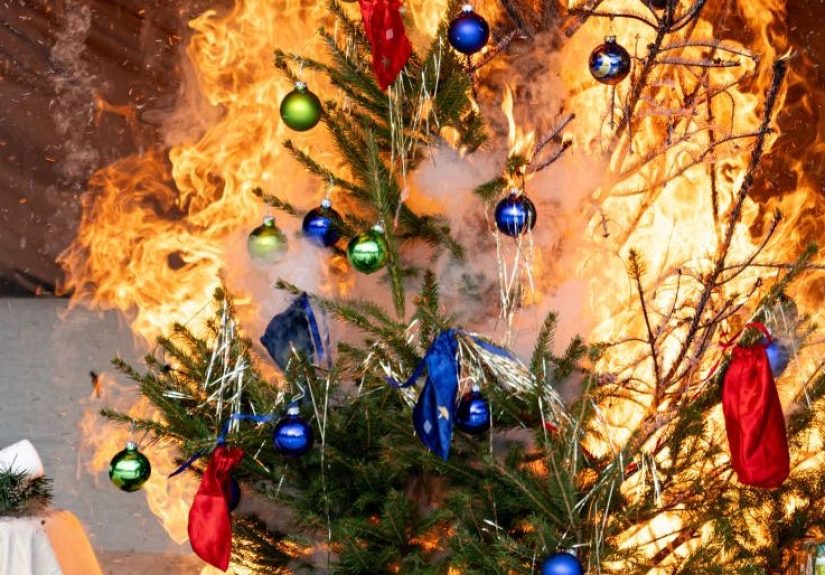
According to NFPA research, U.S. fire departments responded to an estimated average of about 160 home structure
fires per year (2016–2020) that started with the ignition of Christmas trees, resulting in an annual average of
two deaths, 11 injuries, and $12 million in direct property damage. A key theme in safety guidance is that
dried-out trees can burn “hot and fast,” especially once needles are brittle and the branches become fuel-rich.
That’s why the “boring” steps (water, distance, turning off lights) matter so much.
1) The tree quietly dries out (and you don’t notice until it’s a crunchy candle)
Why it’s sneaky
A real tree can look perfectly fine while drying out internally. Heated indoor air, sunshine through a window,
and forgetting to top off the stand can speed up moisture loss. USFA warns that a dry Christmas tree can burn
very hot and very fastexactly the kind of sentence you want to read before, not after, you decorate.
How it leads to a fire
Dry needles ignite more easily from tiny heat sources: a warm light bulb, a spark from a damaged cord, or a
candle that sits “kind of near” the branches. Fire safety videos and demonstrations (including NIST’s holiday
safety resources) emphasize how much moisture changes fire behavior.
How to prevent it
- Water the tree every day and don’t let the stand run dry.
- Start with a fresh tree and keep it hydrated from day one.
- When the tree is dropping needles, looks dull, or feels brittle, it’s time to take it down.
2) A heat source is “not that close”… until it is
Why it’s sneaky
Heat doesn’t have to touch the tree to be a problem. A space heater across the room, a fireplace that’s used
more often in winter, a radiator, a heat vent, even a sunny spot by the windowthese can all dry a tree out and
create ignition risk. NFPA notes that heat sources too close to the tree are a major factor in tree fires, and
USFA recommends keeping trees at least three feet away from heat sources like fireplaces, radiators, space
heaters, candles, and heat vents.
How to prevent it
- Place the tree at least 3 feet from fireplaces, space heaters, radiators, candles, and vents.
- Watch for “seasonal furniture rearranging” that slowly nudges the tree closer to heat.
- Don’t block exitsUSFA also warns against letting the tree become a festive obstacle course.
3) Old light strings with “character” (a.k.a. damaged wires and cracked sockets)
Why it’s sneaky
Holiday lights can work even when they’re damageduntil they don’t. CPSC advises checking each set of lights
(new or old) for cracked sockets, frayed or bare wires, and loose connections, and discarding or repairing
damaged sets before use. UL also emphasizes inspecting electronics for visible damage.
How it leads to a fire
Damaged insulation can create arcing or overheating. On a dry tree, that heat has plenty of fuel nearby. Add a
tree skirt that traps warm air near plugs and cords, and you’ve got a recipe for troubleespecially if lights
are left on while everyone’s asleep.
How to prevent it
- Inspect every strand before decorating: look for frayed sections, loose bulbs, cracked sockets, and warm spots.
- Replace burned-out bulbs with the same type and wattage recommended by the manufacturer.
- Consider LED lights, which typically run cooler than older incandescent styles (still not “leave them on forever,” though).
4) Overloaded outlets and daisy-chained power strips
Why it’s sneaky
The holiday setup grows one “quick plug-in” at a time: tree lights, a glowing village, an inflatable reindeer,
a speaker playing nonstop jingles… and suddenly your outlet is doing CrossFit. UL’s seasonal safety guidance
specifically warns not to overload power strips and outlets and to avoid connecting multiple power strips
together.
How it leads to a fire
Overloading can overheat cords, strips, and receptacles. And overheating loves two things: time and neglect.
Which brings us to the next sneaky cause.
How to prevent it
- Plug high-draw items (like space heaters) directly into a wall outletnot the same strip as the tree.
- Avoid “power-strip centipedes” (daisy-chaining strips or extension cords).
- If you’re unsure about load, simplify: fewer add-ons, more safety.
5) Extension cord “tricks” that pinch, trap heat, or damage insulation
Why it’s sneaky
Many cord hazards look tidyuntil they become hot. CPSC has long warned not to run cords under carpets or rugs
because rugs can prevent heat from being released by the cord. Pinching cords in doorways, under furniture, or
beneath the tree stand can also damage insulation, leading to shorts or arcing.
How it leads to a fire
A compromised cord can heat up silently. And if it’s tucked under a rug, you may not see it, smell it, or feel
it until it’s already a problemespecially if the nearest fuel is a dry, needle-covered tree.
How to prevent it
- Don’t run extension cords under rugs or carpets.
- Don’t pinch cords in doors or windows.
- Keep connections visible and accessible so you can check them.
- If cords must cross a walkway, use a proper cord cover (and keep it ventilated).
6) Leaving tree lights on while you sleep or leave the house
Why it’s sneaky
Nothing says “holiday vibe” like twinkly lights… at 2 a.m. …while no one is awake to notice a problem.
CPSC recommends turning off all lights on trees and decorations when you go to bed or leave the house because
lights can short and start a fire. UL offers similar guidance: turn off powered decorations when not at home
or while asleep.
How to prevent it
- Make it a habit: lights off when you’re asleep or away.
- Use a timer or smart plug so you don’t have to rely on memory during the post-cookie haze.
- If a strand feels warm or flickers, stop using it and replace it.
7) “Just one candle” (or other open flame) too close to the branches
Why it’s sneaky
Candles are festive. They’re also literal fire. The American Red Cross reminds people that candles can easily
ignite things that burn and recommends safer alternatives like flameless candles. FDNY also advises against
using lighted candles or other flaming devices on or near a tree. Even if you’re careful, pets, kids, and
unexpected drafts don’t always RSVP to your safety plan.
How it leads to a fire
A small flame near dry needles can become a bigger flame very quickly. And once a tree ignites, the fire can
spread to nearby furniture, curtains, and wrapping paper (which, sadly, is not flame-retardant “festive”).
How to prevent it
- Use flameless candles near trees and decorations.
- Keep any open flame well away from anything that can burn.
- Never place candles on tree-adjacent surfaces where branches might droop or sway.
8) The tree tips over (and turns cords, water, and electricity into chaos)
Why it’s sneaky
A tree can be stable for weeksuntil a curious pet, an energetic kid, or an enthusiastic hug from someone
wearing a puffy sweater changes the physics. FDNY recommends adequately supporting the tree with a sturdy stand
designed not to tip over and positioning the tree near an outlet to minimize extension cord use.
How it leads to a fire
A tipping tree can yank plugs, strain cords, and loosen connections. Water from the stand can spill toward
electrical connections. Even if it doesn’t ignite instantly, damaged cords and stressed connections raise the
risk of overheating laterespecially if no one notices the cord got pinched under the stand when the tree was
shoved back upright.
How to prevent it
- Choose a sturdy stand that matches the tree size and keeps it upright.
- Place the tree where it won’t get bumped constantly (high-traffic areas are not your friend).
- Secure it if needed (especially with pets or toddlers) and keep cords tidy and visible.
Quick “Expert-Approved” Christmas tree fire safety checklist
- Fresh + watered daily: A hydrated tree is a safer tree.
- 3-foot rule: Keep the tree away from fireplaces, space heaters, candles, vents, and radiators.
- Inspect lights: No frayed wires, cracked sockets, or loose connections.
- No overloads: Avoid daisy-chained strips and overloaded outlets.
- Cords visible: No cords under rugs or pinched in doors/windows.
- Lights off when unattended: Bedtime or leaving home = lights off.
- Sturdy stand: Prevent tipping and keep the setup stable.
- Take it down when dry: Don’t keep a brittle tree “for the aesthetic.”
What to do if something seems wrong
If you smell burning plastic, see flickering that doesn’t look like “twinkle mode,” or notice cords or plugs
getting hot, turn off and unplug decorations (only if it’s safe to do so), and replace the damaged items. If
there’s smoke or fire, get everyone out and call emergency services. Safety organizations consistently stress
prevention because once a tree fire starts, it can move quickly.
Real-World Experiences: 8 Close-Call Moments Experts Hear About Every Holiday Season (Extra )
Firefighters and safety educators often describe the same kinds of stories each Decemberlittle “almost
accidents” that start with normal decorating and end with someone saying, “We got lucky.” Here are eight
real-world style scenarios (based on the hazards experts repeatedly warn about) that show how sneaky these
risks can be.
1) The “It Still Looks Green” Tree: A family’s tree looked fine from across the room, but the
stand had run dry during a weekend trip. When they came home, the needles were brittle up closeperfect fuel
for heat from the lights. A quick refill and a new routine (checking water daily) can be the difference between
cozy and combustible.
2) The Space Heater Shuffle: Someone rearranged furniture for a party and moved a small space
heater “temporarily” closer to the tree. Days later, the tree had dried faster than expected. The fix is boring
but effective: keep the three-foot buffer, and don’t let holiday hosting turn your living room into a game of
“how close can we get?”
3) The Nostalgia Lights Trap: Old lights workedmostlyexcept one section flickered. That’s
often the moment experts want you to stop, not shrug. A flicker can mean a loose connection. Replacing the
strand feels un-festive, but it beats discovering the problem when the room smells like hot plastic.
4) The Outlet Olympics: One outlet powered the tree, a lighted wreath, a village display, and a
“snowfall” projectorthrough a chain of power strips. Everything ran… until the strip got warm. Overloads don’t
always trip immediately; sometimes they heat up first. Spreading out the load, unplugging extras, and avoiding
daisy-chaining is the expert move.
5) The Rug-Hiding Cord: To make the room look tidy, someone tucked an extension cord under the
rug. It vanished aestheticallyand trapped heat practically. That’s why safety guidance says “don’t.” Cord
covers exist for a reason, and “invisible” isn’t worth the risk.
6) The Overnight Glow Habit: A household left the tree on overnight because it felt cheerful.
But if a short happens at 3 a.m., you want the lights off, not your smoke alarm doing all the work.
Timers and smart plugs are popular fixes because they remove the human error part of the equation.
7) The Candle on the Mantel: A candle wasn’t “on the tree,” so it felt safeuntil a branch
drooped closer or someone walked by and bumped a surface. Open flames and dry greenery are a bad pairing.
Flameless candles give you the vibe without the ignition source.
8) The Pet Zoomies Incident: A dog sprinted, the tree wobbled, the stand shifted, and the cord
got pinched under the base when everything was pushed back into place. Nothing happened that nightuntil later,
when the damaged spot warmed up. A stable stand, cord checks after bumps, and placing the tree out of the main
traffic lane can prevent this kind of delayed surprise.
Conclusion
The sneakiest Christmas tree fire risks aren’t dramaticthey’re ordinary. A tree that quietly dries out, a cord
that’s pinched “just a little,” a power strip that’s doing too much, or lights left on while everyone sleeps:
these are the small choices that add up. Follow the expert basicswater daily, keep distance from heat, inspect
lights and cords, avoid overloads, and shut everything off when unattendedand you can keep the season bright in
all the right ways.