Table of Contents >> Show >> Hide
- Why Pets Love Strange Hiding Spots
- The Hall of Fame of Weird Places People Find Their Pets
- What Your Pet’s Hiding Spot May Be Telling You
- When the Weird Place Stops Being Cute
- How To Give Your Pet Better “Weird” Places
- Why This Prompt Is So Addictive
- Pet Owner Experiences: The Weirdest Places We Keep Finding Them
- Conclusion
Every pet owner has that moment. You walk into a room, call your pet’s name, hear nothing, and instantly assume they have either vanished into another dimension or joined a secret society that meets inside your walls. Then, ten minutes later, you find your cat folded into a tote bag like a fuzzy receipt. Or your dog is under the bed, under the blanket, under your winter coat, looking like a guilty baked potato.
That is exactly why the prompt “Hey Pandas, Post The Weirdest Place You Have Found Your Pet” hits so hard. It is funny, relatable, and just a little humbling. We buy luxury pet beds, plush blankets, designer crates, and orthopedic loungers, only to discover that our beloved animal prefers a cardboard box, a laundry basket, a shelf behind three cookbooks, or the six-inch gap between the couch and the wall.
But the truth behind these weird pet hiding spots is more interesting than the punchline. Pets do not choose bizarre places just to keep us emotionally unstable. They hide in strange places because those spots feel safe, warm, enclosed, elevated, quiet, or simply delightfully inconvenient for the humans paying the mortgage. Once you understand that, the weirdest place you found your pet becomes more than a funny story. It becomes a little window into how your animal thinks.
Why Pets Love Strange Hiding Spots
The internet loves funny pet stories, but pet behavior has real logic behind it. Cats and dogs may both disappear into odd corners of the house, yet they usually do it for different reasons. Your pet is not being random. Your pet is being extremely, specifically, gloriously pet.
Cats: Tiny roommates with a fortress mindset
Cats are world-class hide-and-seek professionals. They are drawn to enclosed spaces, tucked-away corners, warm zones, and high perches where they can watch the room without being bothered. To a cat, a drawer is not “storage.” It is a luxury penthouse with low foot traffic. A box is not recycling. It is a private security system with cardboard walls.
That is why so many cat owners discover their pets in closets, inside empty boxes, under beds, behind books on a shelf, inside laundry piles, on top of the refrigerator, or wedged into furniture in ways that seem to challenge both anatomy and common sense. Cats enjoy spaces where they feel protected from surprise attacks, overstimulation, or household chaos. In a busy home, the weird place may actually be the peaceful place.
Dogs: Cozy den lovers, professional blanket burglars
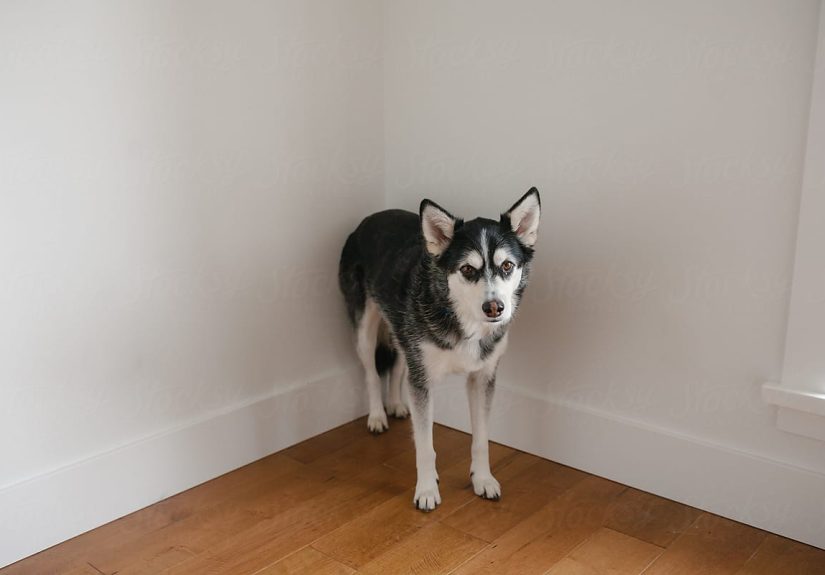
Dogs are often more visible than cats, but they also have a strong love of snug spaces. Many dogs enjoy den-like environments because they feel calm and contained there. That is why a dog may slip under the bed, curl up beneath a desk, tuck into a closet corner, bury themselves under blankets, or press behind a chair as if they are starring in a low-budget spy movie.
Sometimes that hiding spot is pure comfort. Sometimes it is a response to stress, noise, visitors, separation, or a change in routine. Thunderstorms, fireworks, strangers, home renovations, and even a house full of weekend guests can turn a normally social dog into a tiny introvert who has decided the underside of your coffee table is the only safe real estate left on Earth.
The Hall of Fame of Weird Places People Find Their Pets
If the world ever creates a museum for odd pet discoveries, the exhibits will be crowded. Some hiding spots are classics. Others deserve their own documentary.
The laundry basket
Warm, soft, and full of your scent, the laundry basket is irresistible to many pets. To you, it is a task. To your pet, it is a memory foam spa with bonus socks. Cats especially love nesting in fresh towels, dirty clothes, or the exact shirt you needed five minutes ago.
Inside drawers, cabinets, and closets
Open a drawer for three seconds and some pets treat it like a limited-time real estate opportunity. Cats are especially talented at sneaking into dresser drawers, bathroom cabinets, linen closets, and pantry corners. Dogs are less likely to fit in a drawer unless they are very small or very ambitious, but closet hiding is a common move for nervous pups who want darkness and quiet.
Under beds, blankets, and furniture
This is one of the most common weird places to find a pet, and for good reason. These spots feel protected, shaded, and enclosed. A bed skirt might as well be a velvet curtain to a secret kingdom. Add a blanket, and your dog may assume you have thoughtfully built them a cave. You did not. But they appreciate the accidental interior design.
Behind books, baskets, or decor
Some cats do not just hide. They curate. They slip behind books on a shelf, between storage bins, inside decorative baskets, or on top of high furniture where the angle of your neck makes rescue feel like a team sport. When owners say, “I checked everywhere,” cats take that personally.
Boxes, bags, and containers
Pet owners know the painful truth: the expensive bed gets ignored, while the shipping box becomes sacred. Paper bags, storage bins, soft carriers, empty hampers, and open totes all create the kind of enclosed, low-pressure spaces pets find reassuring. Some dogs will also stash toys or treats in these places, proving that interior decorating and hoarding can indeed overlap.
What Your Pet’s Hiding Spot May Be Telling You
Funny stories are funnier when you also know what they mean. A pet hiding in a weird place may simply be relaxed and quirky, but sometimes the location says something about comfort, stress, or health.
They are looking for comfort
A warm basket, a blanket cave, or a sunny shelf often points to one simple truth: your pet has discovered premium comfort. Many pets choose odd locations because the temperature, texture, and privacy feel better than the official bed you lovingly purchased. This is emotionally rude, but behaviorally understandable.
They want control over their environment
Pets, especially cats, like to observe without being touched, chased, or interrupted. A high perch or hidden cubby gives them a sense of control. In homes with kids, multiple pets, or a lot of noise, that little retreat can be the difference between calm and chaos.
They may be stressed or overstimulated
If your pet suddenly starts vanishing during storms, visitors, loud sounds, or schedule changes, the weird hiding spot may be a coping tool. Some animals retreat because it lowers their stress. Think of it as the pet version of turning your phone off, closing the curtains, and pretending emails do not exist.
They may be bored and making their own adventure
Pets also hide because they are curious. Boxes, shelves, closets, and under-bed tunnels offer novelty, scent exploration, and sensory enrichment. A weird spot can be part nap zone, part game, part self-assigned expedition. This is especially true for pets who enjoy exploring textures, scents, and new objects around the house.
It could signal illness or pain
This is the part where the joke pauses for a second. When a pet who is normally social starts hiding more often, more suddenly, or in harder-to-reach places, pay attention. Cats in particular are famous for hiding discomfort. Dogs may also retreat when they feel unwell, anxious, or physically sore. If hiding comes with appetite changes, unusual sleeping patterns, bathroom changes, shakiness, vocalizing, aggression, or a drop in energy, the best move is a veterinary check-in.
When the Weird Place Stops Being Cute
Not every odd hiding spot is a red flag. Sometimes your pet is just being weird in the way only beloved animals can be. But pet owners should know the difference between funny and concerning.
It is probably just quirky behavior if your pet is otherwise eating normally, playing, greeting you, and choosing the same cozy hideout as part of a predictable routine. It deserves more attention if the hiding is new, frequent, intense, or paired with behavior changes. A cat who occasionally naps in a drawer is one thing. A normally affectionate cat who now hides all day and avoids meals is another story entirely.
The same goes for dogs. A dog who likes snoozing under the bed during thunderstorms is being sensible by dog standards. A dog who suddenly hides from everyday life, startles easily, refuses walks, or trembles in a closet may be telling you something bigger.
How To Give Your Pet Better “Weird” Places
You do not need to ban every odd location. In fact, trying to eliminate all hiding behavior is usually the wrong goal. Pets need safe retreat spaces. The smarter move is to make sure the weird places are safe, clean, and less dangerous than whatever your pet might invent on their own.
For cats
Add covered beds, cardboard boxes, cat trees, shelves, tunnels, and quiet corners. Give them both elevated options and enclosed ground-level options. A cat who has approved hiding places is less likely to squeeze into the one impossible location that requires moving furniture and questioning your life choices.
For dogs
Create soft, den-like resting spots in calm parts of the house. That might be an open crate with a blanket, a bed tucked beside a sofa, or a quiet room during stressful events. If your dog loves going under a table, you can work with that instinct by making the area cozy and hazard-free instead of forcing a big, exposed bed in the middle of a busy room.
For every pet parent
Pet-proof the home. Keep medications, cleaners, cords, strings, toxic plants, and small swallowable objects out of reach. Check washers, dryers, closets, recliners, storage bins, and any tight spaces before closing or moving them. Make sure windows, shelves, and high perches are secure. In other words, let your pet be charmingly weird, but not accidentally endangered.
Why This Prompt Is So Addictive
The reason people cannot resist answering “Hey Pandas, Post The Weirdest Place You Have Found Your Pet” is simple: these stories reveal personality. A pet’s hiding spot is like a tiny biography. The cat in the bread box is dramatic. The dog under six layers of blankets is emotionally complex. The kitten behind the books clearly has literary ambitions.
These stories are also comforting because they remind us that every pet owner gets outsmarted. It does not matter how organized, prepared, or experienced you are. One day your pet will vanish, and you will find them sleeping peacefully in a location that makes no architectural sense. That moment is funny because it is absurd, but it is also sweet. Your pet has found a way to feel safe, and somehow that place just happens to be your sweater drawer.
Pet Owner Experiences: The Weirdest Places We Keep Finding Them
If you talk to enough pet owners, the stories start sounding less like isolated incidents and more like a national pet conspiracy. Someone loses sight of their cat for twenty panicked minutes and eventually finds a tail sticking out of a reusable grocery bag. Another person hears suspicious rustling from the hallway and discovers a dog asleep in a coat closet like a tiny, furry houseguest who forgot to leave. Another opens a kitchen cabinet for a mug and locks eyes with a cat who has apparently been conducting a private inspection of the cookware.
Then there are the classic “I looked directly at them and still did not see them” stories. A gray cat on a gray blanket. A tan dog on a beige rug. A black kitten inside the black lining of a winter jacket. These are not ordinary hiding skills. These are advanced-level illusions. Pets somehow combine stillness, confidence, and perfect timing to make us doubt our own vision. They are not hiding from us so much as proving they could if they wanted to.
Some experiences feel funny only in hindsight. The owner who searched the entire apartment before realizing their dog had crawled under the bed and fallen asleep behind a storage box. The family that thought the cat had slipped outside, only to discover her tucked behind the row of books in the living room, watching the search party with zero remorse. The person who found their pet in the bathroom sink, the laundry hamper, the suitcase, the lower kitchen shelf, or inside the empty box from a package delivered ten minutes earlier. Pets are fast, committed, and deeply unserious.
What makes these moments memorable is not just the location. It is the expression. Pets found in weird places rarely look embarrassed. They look mildly annoyed that you interrupted their excellent decision-making. A cat in a drawer has the face of a tenant who pays rent. A dog under the covers looks like a person who booked a luxury suite and requested extra privacy. The confidence is almost offensive.
And yet these experiences become some of the best stories pet owners tell. They get repeated at family dinners, group chats, vet visits, and holiday gatherings. “Remember when Max was in the laundry basket?” becomes household folklore. “Remember when Luna climbed behind the books?” becomes part of the pet’s legend. The strange hiding spot stops being random and turns into a personality trait. The dog becomes “the blanket dog.” The cat becomes “the cabinet goblin.”
That is part of the magic. Weird pet moments create emotional shorthand. They remind us that our animals are not generic companions. They are odd little individuals with preferences, routines, fears, comforts, and very strong opinions about where a body should nap. One chooses the windowsill. One chooses the closet. One chooses the box your online order came in and then acts like the box was the actual gift.
So if you have ever found your pet in a shoebox, a sink, a shelf, a tote, a blanket burrito, or a drawer they absolutely should not fit into, congratulations. You are not alone. You are simply living with an animal who has a rich inner life and some very strange real-estate standards.
Conclusion
The weirdest place you found your pet is not just a funny story for the internet. It is a clue. It tells you what makes your pet feel secure, what catches their curiosity, and sometimes what kind of stress or discomfort they may be trying to escape. That is why prompts like “Hey Pandas, Post The Weirdest Place You Have Found Your Pet” are more than cute community fun. They celebrate the weirdness of pet life while quietly reminding us to pay attention.
So post the story. Share the photo. Laugh about the cat in the towel basket and the dog under the desk. But also notice the pattern. The best pet owners do both: they enjoy the chaos and learn from it. Because once you understand why pets hide in strange places, the mystery becomes easier to solve. The joke gets better. And your home becomes a safer, calmer, more pet-friendly place for every future disappearing act.