Table of Contents >> Show >> Hide
- What the “Little Gadget” Actually Is
- Why Fruits and Vegetables Go Bad So Fast
- So, Can a Gadget Really Keep Produce Fresh Longer?
- How to Make This Gadget Work Better
- Which Foods Benefit Most From a Produce-Saving Setup?
- What a Gadget Will Not Fix
- Is It Worth the Money?
- The Bottom Line
- Experience: What Living With a Gadget Like This Actually Feels Like
Fresh produce has a dramatic streak. One minute your spinach is crisp, confident, and ready for salad. The next, it is slumped in the crisper drawer like it just got dumped over text. If that sounds familiar, you are not alone. Americans waste a staggering amount of food every year, and a big chunk of that waste starts with fruits and vegetables that ripen too fast, get too damp, or quietly turn into a science experiment before dinner plans catch up.
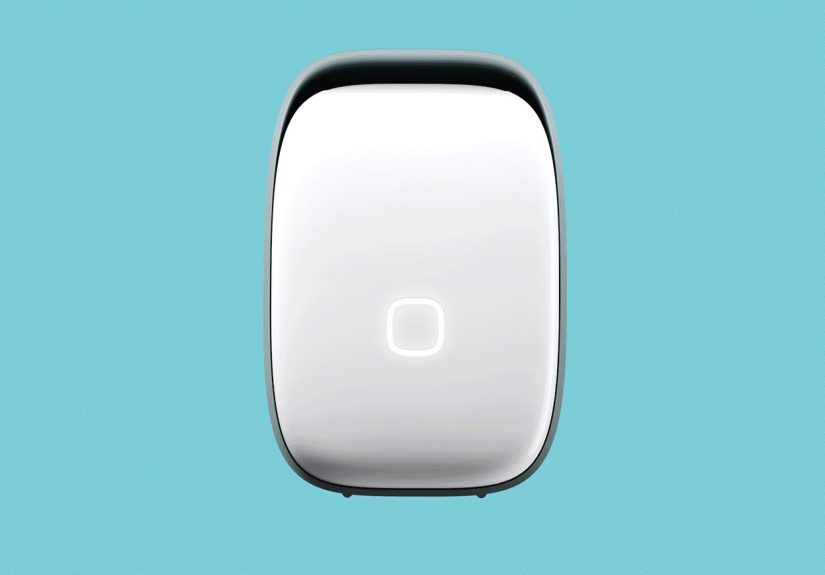
That is why kitchen gadgets promising to keep produce fresh longer are suddenly getting a lot of attention. The specific device behind this headline is the Shelfy fridge purifier, a small rechargeable gadget designed to live inside your refrigerator. It is marketed as a way to reduce odors, help limit bacteria, and slow the conditions that make produce spoil quickly. In plain English: it is trying to save your lettuce from an untimely, soggy fate.
Now, let’s be fair before the gadget starts accepting an award. No device can override bad storage habits, a too-warm fridge, or the chaos of storing bananas next to greens like they are on a mission. But when used with smart produce storage basics, a gadget like this can be a genuinely useful helper. For people who buy a full week’s worth of groceries, meal prep in bursts, or simply hate throwing out expensive berries, that can be a very big deal.
What the “Little Gadget” Actually Is
The gadget getting all this attention is not a magical fruit wizard. It is a compact fridge purifier designed to sit on a shelf or in a crisper drawer. Shelfy, the model most often associated with the “fresh twice as long” claim, uses a rechargeable design, a washable filter, and app-connected features that can monitor factors like fridge temperature and door openings. That matters because produce spoilage is rarely caused by just one villain. It is usually a whole cast: warmth, moisture, trapped odors, ethylene gas, and poor airflow all fighting for screen time.
What makes this type of produce freshness gadget appealing is its low-maintenance setup. There are no complicated installations, and unlike some produce-saving systems, it is not built around constantly buying replacement filters. You charge it, place it in the fridge, rinse the filter periodically, and let it do its thing.
That convenience is part of the appeal. A kitchen tool only works if people actually use it, and most of us are not trying to turn weeknight grocery storage into a side hustle.
Why Fruits and Vegetables Go Bad So Fast
Ethylene Gas Is the Sneaky Trouble Maker
If you remember one phrase from this article, make it ethylene gas. Ethylene is a natural plant gas that speeds ripening. Some produce gives off a lot of it, including apples, bananas, avocados, pears, tomatoes, peaches, and onions. Other produce is sensitive to it, including leafy greens, broccoli, cucumbers, asparagus, and many herbs.
Put ethylene producers too close to ethylene-sensitive produce, and your refrigerator turns into a tiny ripening accelerator. That is great when you want an avocado to stop acting like a rock. It is less great when your lettuce decides to age in dog years.
Humidity and Airflow Matter More Than Most People Think
Produce storage is not just about cold versus not cold. It is also about moisture control. Many vegetables prefer higher humidity so they do not dry out, while many fruits do better with lower humidity and more separation. Too much trapped moisture encourages spoilage. Too little, and produce wilts, wrinkles, or loses texture.
That is why the crisper drawer is not just decorative fridge furniture. It is meant to help manage humidity so produce holds up longer. It is also why perforated bags, paper towels for delicate greens, and keeping produce dry until use can make a real difference.
Your Fridge Temperature Could Be Sabotaging You
Even the fanciest produce-saving gadget cannot do much if your refrigerator is running too warm. A fridge should stay cold enough to protect food quality and safety, but produce also has individual preferences. Some items thrive in the crisper. Others, like tomatoes, potatoes, onions, and many bananas, generally do better outside the refrigerator. Translation: your fridge is helpful, but it is not a universal spa for every fruit and vegetable you bring home.
So, Can a Gadget Really Keep Produce Fresh Longer?
In the right setup, yes, it can help. That does not mean it is a miracle cure for every mushy strawberry situation. What it means is that a fridge purifier or produce freshness gadget can improve the storage environment enough to buy you more time.
That extra time matters. Maybe your herbs last long enough for taco night instead of collapsing on day three. Maybe your berries make it to the weekend. Maybe the salad greens you bought with noble intentions actually survive until you have the energy to turn them into lunch instead of guilt.
The most realistic way to think about a device like Shelfy is this: it is a support act, not the lead singer. It can reduce odors, support a cleaner refrigerator environment, and help slow spoilage conditions. But it works best when paired with basic food-storage rules that are honestly a little boring, yet weirdly powerful.
How to Make This Gadget Work Better
If you buy one of these devices and then toss wet berries beside bananas in a too-warm fridge, the gadget will not stage a heroic comeback. To get the best results, do the following:
1. Separate the ethylene crowd from the sensitive crowd
Keep apples, bananas, avocados, tomatoes, and similar produce away from leafy greens, cucumbers, herbs, and broccoli.
2. Use your crisper drawers on purpose
Store vegetables in the higher-humidity setting when appropriate, and reserve another zone for fruit when possible. That simple separation can do a lot of heavy lifting.
3. Keep produce dry before storage
Washing everything the second you get home feels productive, but extra moisture often speeds spoilage. For many items, it is smarter to wash right before eating.
4. Give delicate produce airflow
Greens, herbs, and berries hate being trapped in wet, stagnant conditions. A paper towel in the container or a breathable storage setup can help.
5. Do a weekly fridge reset
One of the best anti-waste habits is painfully simple: know what is in your fridge. A gadget helps. So does seeing the cilantro before it turns into a regret pile.
Which Foods Benefit Most From a Produce-Saving Setup?
In general, the biggest winners are the produce items that are expensive, delicate, or quick to decline. Think:
Leafy greens: romaine, spinach, arugula, spring mix. These are famously dramatic and tend to benefit from better humidity control and less exposure to ethylene.
Fresh herbs: parsley, cilantro, dill, mint. Herbs often go from vibrant to tragic in record time.
Berries: especially strawberries, raspberries, and blueberries. These benefit from dryness, airflow, and quick use, but a better fridge environment helps.
Cucumbers, broccoli, and asparagus: these are sensitive to ethylene and can spoil faster when stored near the wrong produce.
Meal-prep produce: if you shop once a week and need your vegetables to last several days, any small boost in freshness can save money fast.
What a Gadget Will Not Fix
Here is where we protect your wallet from unrealistic expectations. A fridge gadget will not rewrite the laws of produce biology.
It will not make room-temperature tomatoes taste better after you refrigerate them too early. It will not turn cut herbs into immortal beings. It will not rescue produce that was already bruised, old, or halfway to compost when you bought it.
And it absolutely will not make potatoes and onions suddenly happy roommates. Some kitchen relationships are just not meant to be.
Is It Worth the Money?
That depends on your grocery habits. If you buy produce a few times a week in small amounts, you may not need a premium gadget. But if you do one big shop, cook in bursts, or routinely throw out greens, herbs, and berries before using them, a device like this starts to make more sense.
The value is not only in produce lasting longer. It is also in reducing odor, making your fridge feel less chaotic, and cutting down on that annoying pattern where you buy healthy food with the best intentions and then watch it decline while life gets busy.
In other words, this is not just a freshness tool. It is a friction reducer. And in a real household, reducing friction is half the battle.
The Bottom Line
This little gadget keeps my fruits and veggies fresh for twice as long is a catchy headline, and while “twice as long” should always be treated as a best-case claim rather than a universal guarantee, the idea behind it is solid. A smart produce freshness gadget can help improve the environment inside your refrigerator, and that can buy your groceries valuable extra days.
But the real secret is not the gadget alone. It is the combination of the gadget plus better produce storage habits: separating ethylene producers, using crisper drawers correctly, avoiding excess moisture, and keeping your fridge properly cold.
Do that, and suddenly your vegetables have a fighting chance. Your herbs stay lively longer. Your berries stop filing for early retirement. And your weekly grocery bill feels a little less like a donation to the compost bin.
Experience: What Living With a Gadget Like This Actually Feels Like
The day-to-day experience of using a fridge gadget like Shelfy is less “futuristic kitchen revolution” and more “quietly helpful roommate who finally takes out the trash without being asked.” It does not transform your refrigerator into a sci-fi vault. What it changes is the rhythm of how you shop, cook, and waste less.
First, there is the psychological shift. When people buy fresh produce, they usually imagine their best selves. The fantasy version of us sees crisp salads, colorful grain bowls, green smoothies, herb-packed pasta, and probably a cucumber water situation that suggests we have our lives together. Then the week happens. Work runs late. Dinner gets ordered in. The spinach waits. The cilantro begins its decline. Suddenly the produce drawer looks like a documentary on broken dreams.
A gadget that helps extend freshness can ease that pressure. The biggest practical benefit is not just that produce may last longer. It is that you get a little more flexibility. You do not have to panic-cook the asparagus tonight just because tomorrow looks risky. You do not have to turn slightly ambitious grocery shopping into an emergency meal-prep marathon. That breathing room is valuable.
Another noticeable change is odor control. Anyone who has ever missed one rogue cucumber in the back of the fridge knows that smell travels with confidence. A purifier-style device can help the refrigerator feel cleaner and fresher overall. That is not glamorous, but it is surprisingly satisfying. Opening the fridge becomes less of a gamble and more of a normal human experience.
There is also something nice about maintenance being simple. A gadget like this does not ask you to become a food-storage scholar overnight. You charge it, place it in the fridge, rinse the filter when needed, and mostly forget about it. For busy households, that matters. The best kitchen tools are not always the flashiest ones. They are the ones that quietly reduce the number of annoying little failures in your week.
That said, living with a produce-saving gadget also teaches you what it cannot do. If you overcrowd the crisper drawer, store produce while it is still wet, or ignore what should be refrigerated versus what should stay on the counter, the gadget cannot save you from yourself. It rewards decent habits; it does not replace them. In that way, it feels a lot like a fitness tracker for your groceries. Helpful? Yes. A substitute for common sense? Not even a little.
The most interesting long-term effect may be financial. People often think food waste happens because they overbuy, and sometimes that is true. But a lot of waste comes from timing. Produce spoils before your schedule opens up. A gadget that buys you extra days changes that equation. It can mean one more lunch salad from the same box of greens, one more dinner from the same bundle of herbs, one less sad toss of expensive berries that never got their moment.
And maybe that is why these little devices resonate. They are not really about gadgets for gadget’s sake. They are about preserving good intentions. They help your groceries wait for your real life to catch up. In a world where produce is pricey and nobody enjoys throwing money into the trash, that is a surprisingly meaningful upgrade for something small enough to sit quietly in a fridge drawer.