Table of Contents >> Show >> Hide
- What Makes a Tea Kettle “Japanese” in the First Place?
- Quick Glossary: Don’t Get Kettle-Catfished
- High/Low Picks by Lifestyle (Not Just by Price)
- How to Choose the Right Japanese Tea Kettle
- Care Tips That Keep Your Kettle Beautiful (and Functional)
- Brewing Examples: Match the Kettle to the Tea
- Design Notes: How to Style a Japanese Tea Kettle Without Trying Too Hard
- FAQs
- Conclusion: The Best Japanese Tea Kettle Is the One You’ll Use Daily
- Experiences: Real-Life Moments With “High/Low: Japanese Tea Kettle”
A Japanese tea kettle is one of those kitchen objects that can turn a random Wednesday into a small ceremony.
You fill it, heat it, listen, pourand suddenly you’re the main character in a calm movie where nobody checks email.
(I know. Wild concept.)
But “Japanese tea kettle” can mean a few different things in the U.S. market: a traditional tetsubin (cast iron kettle for boiling water),
a precision gooseneck kettle (pour control for tea and coffee), or an always-ready electric water boiler
(hot water on standby like a tiny, polite butler).
This High/Low guide breaks down the options with clear, practical adviceplus what’s actually worth splurging on,
where you can save, and how to keep your kettle looking great (and working well) for years.
What Makes a Tea Kettle “Japanese” in the First Place?
In Japan, tea culture prizes temperature control, water quality, and quiet consistency.
The kettle isn’t just a water-boilerit’s a tool for repeatable results and a small daily ritual.
That mindset shows up in Japanese kettle design: balanced handles, stable lids, thoughtful spouts, and materials that hold heat well.
Three common “Japanese tea kettle” styles you’ll see in the U.S.
- Tetsubin (cast iron kettle) – Traditionally used to boil water. Often associated with Nambu ironware craftsmanship.
-
Japanese-style cast iron teapot (often enamel-lined) – Designed to steep tea, frequently sold with a metal infuser basket.
It looks like a tetsubin’s cousin, but it doesn’t always behave like one. - Gooseneck or electric water boiler – Modern convenience: pour control or hot-water-on-demand, often used for green tea, matcha prep, and pour-over.
Quick Glossary: Don’t Get Kettle-Catfished
Let’s clear up the biggest confusion: many people buy a “cast iron tea kettle” thinking it’s a stove-safe tetsubin,
and then discover it’s an enamel-lined teapot that does not want to live on a burner.
(Enamel and direct flame can be… dramatic.)
- Tetsubin: a cast iron kettle used primarily for boiling water. Traditional versions have a raw iron interior and require drying after use.
-
Cast iron teapot (often enamel-lined): a teapot meant for brewing/steeping, not boiling.
Many have a shiny interior coating and an infuser basket. - Kyusu: a Japanese teapot (commonly ceramic) designed for steeping green tea, often with a side handle.
High/Low Picks by Lifestyle (Not Just by Price)
The “best” Japanese tea kettle isn’t always the most expensiveit’s the one that matches how you actually drink tea.
Below are three common lanes with a High (splurge) and a Low (save) option in each.
Think of this like choosing shoes: you can’t buy hiking boots and then complain they’re not ballet flats.
Lane 1: The Ritual Lover (Cast Iron Tetsubin)
If you want that slow, steady, old-world feeland you love the idea of a kettle that looks like artthis is your lane.
A true tetsubin holds heat beautifully and can become part of a daily routine.
HIGH: An authentic Nambu-style cast iron tetsubin from a traditional maker
- Best for: People who boil water daily, enjoy tea rituals, and want a buy-it-for-decades piece.
- What you’re paying for: Craftsmanship, balanced build, consistent casting, and long-term durability.
- What to look for: Solid weight, stable lid fit, comfortable handle clearance, and clear guidance that it’s made for boiling water.
- Reality check: This is a relationship, not a fling. You must dry it after use to reduce rust.
LOW: A Japanese-style cast iron “teapot” (often enamel-lined) for steepingnot boiling
- Best for: Tea drinkers who want heat retention and style, but don’t want cast-iron maintenance homework.
- What you’re paying for: The look, the cozy heft, and a warm pot that keeps tea hot at the table.
- What to look for: Enamel interior, included infuser, and manufacturer notes that it’s for brewing (not direct burner use).
- Watch-outs: If you use it like a stovetop kettle when it’s not designed for that, you may damage the enamel.
Lane 2: The Precision Pour Person (Gooseneck Kettle)
If your idea of peace is pouring water in a slow, controlled streamespecially for delicate green teas, blooming teas, or pour-over coffee
a gooseneck kettle is your best friend. It’s the difference between “gentle waterfall” and “kitchen fire hose.”
HIGH: A premium temperature-control kettle with design-forward Japanese-inspired aesthetics
- Best for: People who care about exact brew temps and want a countertop statement piece.
- Features to prioritize: Accurate temperature selection, hold/warm function, balanced handle, and a spout that doesn’t splash.
- Why it’s worth it: If you brew multiple teas with different temperature needs, it removes guesswork.
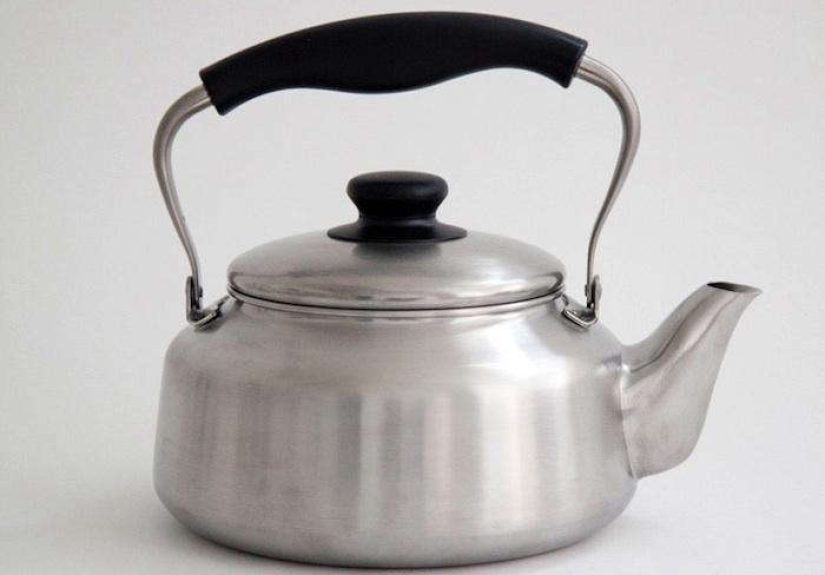
LOW: A simple stainless steel gooseneck kettle (electric or stovetop)
- Best for: Beginners, small kitchens, and anyone who wants better pouring without paying for spaceship controls.
- What you’re paying for: Pour control and speed, without the fancy screen.
- Smart compromise: Pair it with an inexpensive thermometer if you want better temp accuracy.
Lane 3: The “Hot Water on Tap” Household (Electric Water Boiler/Warmer)
This is the unsung hero for families, home offices, and anyone who drinks tea all day.
Instead of boiling fresh water repeatedly, a boiler keeps water hot at set temperatures.
It’s not romanticbut it is extremely efficient.
HIGH: A large-capacity water boiler with multiple temperature settings
- Best for: Frequent tea drinkers, entertaining, or anyone tired of re-boiling water 12 times a day.
- Features to prioritize: Multiple temperature presets, energy-saving modes, easy dispensing, and a clear water window.
- Why it’s worth it: Convenience plus consistencyespecially for green tea and matcha routines.
LOW: An electric kettle with temperature presets + keep-warm
- Best for: Most people. It’s the sweet spot between “I love tea” and “I don’t want another appliance the size of a microwave.”
- What you’re paying for: Fast boil, decent temperature control, easy cleaning.
How to Choose the Right Japanese Tea Kettle
Before you buy, answer these questions. They’ll save you money, space, and the emotional damage of realizing your kettle
whistles like a smoke alarm.
- Boil or steep? If you want to boil water, you need a true kettle (or an electric kettle). If you want to steep, you want a teapot.
- What’s your heat source? Gas, electric coil, glass-top, inductioncompatibility matters.
- How much water do you use daily? Solo tea drinkers can go smaller; households benefit from 1 liter+ capacity.
- Do you need temperature control? For green tea, yesunless you enjoy “mystery bitterness.”
- Do you want a fast pour or a gentle stream? Gooseneck spouts excel at controlled pouring.
- How much maintenance will you actually do? Be honest. Your kettle can sense lies.
- Is whistle important? Some people love it; others feel personally attacked by it.
- Handle comfort and heat: Look for safe grip materials and enough clearance to pour without knuckle acrobatics.
- Do you have hard water? If yes, choose a design that’s easy to descale (or embrace mineral buildup as your kettle’s “patina”).
- Where will it live? Countertop, stovetop, shelfpick something you’ll be happy to see every day.
Care Tips That Keep Your Kettle Beautiful (and Functional)
How to care for a cast iron tetsubin (the real deal)
- Rinse onlyno soap. Detergent can interfere with the interior surface and isn’t necessary for a water-only vessel.
- Don’t leave water sitting inside. Empty after use to reduce rust risk.
- Dry it thoroughly. Lid off, air-dry in a well-ventilated spot.
- Expect spots and color changes. Mineral deposits and small rust spots can happen and are often considered normal with use.
- Never heat it empty. This can damage the kettle over time.
- Go gentle. Avoid abrasive scrubbers; treat it like the heirloom it wants to become.
How to care for enamel-lined cast iron teapots
- Steep tea, don’t boil water. Follow the maker’s guidance; enamel is not a fan of direct flame.
- Rinse and dry after use. This helps prevent odors and protects metal parts.
- Avoid sudden temperature shock. Extreme rapid changes can stress coatings over time.
How to descale electric kettles (and why you should)
If your kettle develops chalky buildup, that’s typically mineral deposits from water.
It can affect taste and efficiency. Descaling is usually simple: a mild acidic soak (like citric acid or diluted vinegar),
then thorough rinsing. If you hate vinegar smell, citric acid is often a cleaner, less stinky option.
Brewing Examples: Match the Kettle to the Tea
A Japanese tea kettle shines when it helps you hit the right brewing conditions consistently. Here are a few practical pairings:
Sencha (everyday Japanese green tea)
Many senchas taste best with water below boiling. A temperature-control kettle or water boiler makes this easy.
If you use a stovetop kettle, you can boil, then let water cool a few minutes before pouring.
Gyokuro (shade-grown, delicate green tea)
This tea is famously sensitive to heat. Precise temperature control matters here.
It’s the difference between sweet, umami-rich elegance and “why does this taste like regret?”
Hojicha (roasted green tea)
Hojicha is forgiving and cozy. Nearly any kettle workstetsubin, stovetop, electricbecause the roast character stands up well.
Black tea (yes, you can still be a Japanese kettle person)
If you’re boiling water regularly, a sturdy stovetop kettle or tetsubin can feel satisfyingespecially in colder months.
The key is consistent heat and a comfortable pour.
Design Notes: How to Style a Japanese Tea Kettle Without Trying Too Hard
The best-looking kitchens usually have one or two “intentional” objects on display. A Japanese tea kettle can be that object:
sculptural, practical, and quietly elegant.
- Minimalist kitchens: Choose matte black cast iron or brushed stainless for a clean silhouette.
- Warm, natural kitchens: Look for earthy tones, subtle textures, and wood accents nearby (tray, spoons, tea canisters).
- Small kitchens: Pick a compact kettle that stores well and can do double duty (tea + oatmeal + instant soups).
FAQs
Is a cast iron Japanese tea kettle heavy?
Yesespecially compared to stainless steel. That heft helps with heat retention, but you’ll want a handle you can grip confidently.
If lifting is a concern, consider a smaller capacity or a gooseneck kettle instead.
Will cast iron rust?
It can, especially if water sits inside or it isn’t dried well. Small rust spots and mineral marks can appear over time.
The solution is usually gentle: good drying habits and following the maker’s care guidance.
Do I need a whistle?
Not technically. But if you’re the type to “just check one thing” on your phone and wake up in 2047, a whistle is a kindness.
Conclusion: The Best Japanese Tea Kettle Is the One You’ll Use Daily
A Japanese tea kettle is less about showing off and more about making tea easier, calmer, and more consistent.
Splurge if you want craftsmanship and ritual. Save if you want the look and the vibe without the maintenance.
Either way, pick a kettle that fits your habitsbecause the most beautiful kettle is the one that actually gets used.
Experiences: Real-Life Moments With “High/Low: Japanese Tea Kettle”
The funny thing about a Japanese tea kettle is that it doesn’t just live in your kitchenit quietly becomes part of your day.
Not in a dramatic way. More like a background character who slowly steals the show.
Here are a few experiences many tea drinkers recognize once a kettle joins the household (especially when you’ve debated the whole high/low decision).
1) The “I’ll just have one cup” lie.
You buy the kettle because you want a better tea routine. The first week, you are extremely reasonable:
one cup in the morning, maybe one in the afternoon. Then the kettle starts making it too easy.
You notice the handle feels good in your hand. The pour is smooth. The water heats faster than you expected.
Suddenly you’re “testing” different teas like you’re running quality control for a very small, very cozy laboratory.
You begin describing flavors to yourself“toasty,” “nutty,” “a hint of sea breeze”even though nobody asked.
2) The first time you notice the sound.
A tetsubin on the stove has a different presence than a lightweight kettle. A temperature-control kettle has its own rhythm, too:
soft clicks, a gentle beep, the hush of steam. At some point you realize you’re timing your day by kettle noises.
It becomes your little intermission between tasks: heat water, steep tea, breathe like a person who definitely has it all together.
(Even if your inbox is doing cartwheels.)
3) The “patina panic” and the great mineral-deposit acceptance.
If you go traditional cast iron, you might eventually look inside and see spotswhite mineral marks, maybe a bit of reddish discoloration.
Your brain, trained by modern nonstick culture, says: “This is BAD. We must scrub until it’s factory-new.”
Then you learn the tea-kettle truth: some changes are normal, and aggressive scrubbing can do more harm than good.
This is the moment you evolve. You stop expecting perfection. You start respecting age, use, and the quiet beauty of tools that show their work.
4) The high/low dinner party flex.
Someone comes over. You offer tea. They see the kettle.
If it’s a high-end, craft-focused piece, it gets a compliment like: “Oh wow, that’s gorgeouswhere did you get it?”
If it’s a smart low pick, the compliment is more like: “Wait, that was affordable? It looks expensive.”
Either way, you smile in a way that says, “Yes, I am the kind of adult who owns a proper kettle.”
You pour with steady hands. You feel oddly powerful.
5) The weekday rescue ritual.
The strongest “experience” isn’t the aesthetic; it’s how the kettle changes your behavior on ordinary days.
When you’re tired, stressed, or staring at a never-ending task list, boiling water is a tiny reset button.
It gives you a few minutes where you can’t do much elseand that’s the point.
You rinse a cup. You choose a tea. You listen for the boil or watch the temperature climb.
It’s not a productivity hack. It’s the opposite: a small pause that makes the rest of the day feel more doable.
6) The moment you realize it was never “just a kettle.”
Whether you bought the high option for craftsmanship or the low option for value, the payoff is the same:
you created a repeatable, pleasant habit. A Japanese tea kettle is a tool, yesbut it’s also a cue.
It cues you to slow down, to make something warm, to care about small details like water temperature and a clean pour.
And in a world that rewards rushing, that might be the most luxurious feature of all.