Table of Contents >> Show >> Hide
- Why This Kettle Gets So Much Attention
- Design and Build: Polished Steel With Practical Details
- Performance: How It Behaves on Real Stoves
- Pros and Cons: The Honest, Kitchen-Counter Version
- All-Clad vs. Other Kettles: What You’re Really Choosing
- Care and Cleaning: Keep the Shine, Lose the Spots
- How to Get the Best Results: Small Habits, Big Payoff
- FAQ: Quick Answers Before You Click “Add to Cart”
- Conclusion: Who Should Buy This Kettle?
- Experiences With the All-Clad Stainless-Steel Tea Kettle (Day-to-Day Life, the Fun Parts, and the “Oops” Parts)
A tea kettle is one of those humble kitchen tools that somehow becomes a main character. It shows up when you’re
half-awake, when guests are over, when you’re “just going to make one cup” (and then proceed to make five).
And if you’ve ever lived with a whistling kettle, you know the whistle isn’t just a signalit’s a tiny, metal
reminder that time is real and water has opinions.
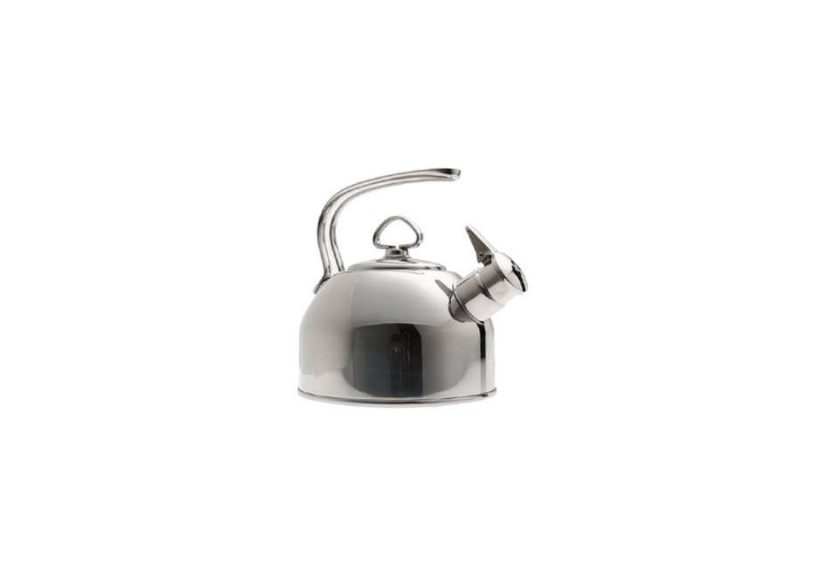
The All-Clad Stainless-Steel Tea Kettle is a stovetop classic with polished looks and a
“yes, I belong with your stainless pans” vibe. It’s designed to boil efficiently, whistle loudly, pour neatly,
and look good doing itwhile also reminding you that stainless steel is a serious material that plays by serious rules.
(Rule #1: if you forget it on a roaring burner, it will absolutely remember you.)
Why This Kettle Gets So Much Attention
All-Clad is best known for its stainless cookware, so it makes sense that its stovetop kettle would lean hard into
the same aesthetic: shiny, sturdy, no-fuss, and built to live on your range without looking like a temporary visitor.
This kettle tends to appeal to people who want:
- A whistling stovetop tea kettle (no silent boilingthis one announces itself)
- Stainless steel durability that can handle daily use
- Compatibility with modern cooktops, including induction (depending on your model listing)
- Simple, timeless design that doesn’t scream “trend cycle”
Design and Build: Polished Steel With Practical Details
At a glance, the All-Clad stainless-steel kettle is clean and traditional: rounded body, arched handle, whistling spout.
The details matter, thoughespecially if you’re choosing a kettle you’ll use for years.
Capacity: The Everyday Sweet Spot
The commonly sold All-Clad stainless-steel stovetop kettle is a 2-quart tea kettle, which is a practical size
for most kitchens. It’s enough for multiple mugs of tea, a French press, a couple of ramen bowls, or a “let me top off that pot”
moment without feeling like you’re hauling a small hot-air balloon.
Material: Stainless Steel That’s Meant to Last
Retail listings typically describe the kettle as 18/10 stainless steel, which is known for corrosion resistance
and a bright finish. Translation: it’s built to be durable and to stay looking sharp with reasonable care.
Stainless also doesn’t have a coating that can chip the way enamel can, which is a plus if you prefer a more
“nothing to baby” tool.
Whistle and Spout: Your Water Alarm
The kettle’s whistle is integrated into a hinged spout cap. When the water hits a boil, it whistles. When you’re ready
to pour, you flip open the spout cap and go. It’s simple, intuitive, and satisfyinglike flipping a tiny stainless-steel
drawbridge.
Handle and Rivets: Secure, but Respect the Heat
The handle is typically described as a sloped stainless handle secured with rivets, designed to feel stable in your hand
when pouring. However, stainless steel conducts heatso depending on burner size, cooktop type, and how long you let it boil,
the handle (and especially the whistle/spout hardware) can get hot.
In other words: this kettle is not here to enable your “I don’t need an oven mitt” era. If you’re boiling water often,
keep a mitt or towel nearby and you’ll be fine.
Performance: How It Behaves on Real Stoves
A stovetop kettle’s job is simple: heat water quickly, signal when it’s boiling, and pour without dribbling down your wrist.
The All-Clad kettle generally hits those marksbut you’ll get the best results if you treat it like cookware, not decor.
Boil Speed: Fast Enough for Daily Use
On gas and electric ranges, a 2-quart stainless kettle is typically quick for one or two mugs and still reasonable when full.
On induction, if your model is induction-compatible, you can expect especially efficient heating because induction transfers
energy directly into the metal base.
Whistle Volume: The “I Hear You” Setting
Many people want a whistle that can cut through the chaoskids, emails, a dog who thinks the mail carrier is a personal enemy.
This kettle’s whistle tends to be assertive. It’s not shy. It doesn’t whisper, “Pardon me, the water is ready.” It yells,
“HELLO, HYDRATION IS HAPPENING.”
Pouring: Best When You Don’t Overfill
A common kettle mistake is filling it like you’re preparing for a medieval siege. Don’t. Many listings note an interior
fill line for safer filling. Staying below that line helps reduce sputtering at the spout and improves the pour.
Pros and Cons: The Honest, Kitchen-Counter Version
What people tend to love
- Classic stainless look that matches stainless cookware and modern kitchens
- Durable construction without enamel to chip
- Whistling alert that prevents “Oops, I forgot” boil-downs
- Cooktop flexibility (often listed as compatible with gas, electric, ceramic, and induction)
- Polished finish that cleans up well with the right approach
What you should be ready for
- Heat transfer: stainless handles and spout components can get hot; a mitt is your friend
- Water spots and fingerprints: stainless shows “evidence of life” unless you dry and buff
- Mineral buildup: hard water can leave scale inside over time (totally normal, totally fixable)
- Not a temperature-control tool: stovetop kettles boilelectric kettles can do precise temps
All-Clad vs. Other Kettles: What You’re Really Choosing
Shopping for a tea kettle is secretly shopping for a lifestyle. Here’s how the All-Clad stainless-steel kettle fits into the
broader kettle universe:
Compared to enamel-on-steel kettles
Enamel kettles often win on color and charm. They can look adorable on the stove and feel like a kitchen accessory.
Stainless wins on “I don’t want to worry about chips” and tends to match stainless cookware better. If you want a kettle that
blends into a stainless-heavy kitchen, All-Clad’s styling is a natural fit.
Compared to electric kettles
Electric kettles are convenience machines: fast boil, auto shut-off, and often multiple temperature settings for green tea,
coffee, or baby-bottle warming duty. A stovetop kettle like this is more analogand for some people, that’s the whole point.
It uses no counter space, doesn’t require an outlet, and looks great sitting out.
Compared to “budget stainless” kettles
Many budget kettles boil water just fine. Where differences show up is long-term fit and finish: how the lid seats, how the
spout cap works, how stable it feels when pouring, how well the handle hardware holds up, and how consistently it performs
over time. With All-Clad, you’re usually paying for brand-level build expectations and design consistency with the rest of
a stainless cookware setup.
Care and Cleaning: Keep the Shine, Lose the Spots
Stainless steel rewards two habits: gentle cleaning and drying after washing.
The good news? You don’t need a complicated routine. The better news? If your kettle starts looking “mysteriously cloudy,”
it’s usually mineral deposits, and you can fix that with pantry basics.
Everyday cleaning (the low-drama method)
- Let the kettle cool completely (no cold-water shock after high heat).
- Wash with warm water, mild dish soap, and a soft sponge.
- Rinse well and dry immediately to reduce water spotting.
- If you want extra shine, buff with a dry microfiber cloth.
Removing mineral deposits (hard water scale) inside the kettle
If you see white or chalky buildup inside, that’s usually hard-water mineral scale. It’s common and harmless, but it can
affect performance and smell over time. A standard approach is a vinegar-and-water boil:
- Fill the kettle partway with a 1:1 mix of white vinegar and water (enough to cover the scaled area).
- Bring it to a boil, then turn off the heat and let it sit for 15–30 minutes.
- Pour it out, scrub gently with a soft brush or non-scratch sponge, and rinse thoroughly.
- Boil plain water once or twice afterward, then discard, to remove any vinegar smell.
Prefer a less vinegary moment? Lemon can also help, thanks to citric acid. Whatever method you use, avoid harsh scraping
that can scratch the interior.
A quick safety note about vinegar
Vinegar is great for descaling, but it doesn’t belong in every cleaning situation. Never mix vinegar with bleach or ammonia,
and be mindful about where you set the kettle down if it’s wet with vinegar (some countertop materials don’t love acids).
When in doubt, rinse thoroughly and keep the process contained to the sink.
How to Get the Best Results: Small Habits, Big Payoff
- Match the burner to the base: flames licking up the sides = more heat on the handle.
- Don’t boil it dry: it’s rough on any kettle and can discolor stainless.
- Use the fill line if your model includes oneless sputter, better whistle performance.
- Keep a mitt nearby: treat it like cookware, not a cool-touch gadget.
- Descale periodically if you have hard water; your kettle will thank you by not smelling weird.
FAQ: Quick Answers Before You Click “Add to Cart”
Is the All-Clad stainless-steel tea kettle induction-compatible?
Many listings for the All-Clad 2-quart stainless kettle state it’s compatible with all cooktops, including induction.
Since retailers sometimes vary by model number and production run, confirm induction compatibility on the specific listing
you’re buyingespecially if induction is your main heat source.
Does the handle stay cool?
Not reliably. Stainless can get hot, particularly with high heat or oversized burners. Using medium heat and a properly sized
burner helps, but you should plan to use a mitt or towel as needed.
Is it dishwasher-safe?
Some sellers list it as dishwasher-safe, but hand-washing and drying immediately tends to preserve the polished look and reduce
spotting. If you love the mirror finish, hand-wash is the “keep it pretty” move.
Does it whistle loudly enough?
Yesthis is not a “gentle hint” kettle. If you want a clear boiling alert, it delivers.
Conclusion: Who Should Buy This Kettle?
The All-Clad Stainless-Steel Tea Kettle makes the most sense for someone who likes stainless cookware, wants a dependable
whistling stovetop tea kettle, and doesn’t mind using an oven mitt like a responsible adult.
It’s polished, classic, and built for everyday boilingtea, coffee, oatmeal, ramen, hot cocoa, the whole cozy playlist.
If you crave precise temperature control or want a cool-touch handle, you may be happier with an electric kettle or a different
stovetop design. But if you want a stainless kettle that looks at home next to your All-Clad pans and does the job with a confident
whistle? This one belongs on your shortlist.
Experiences With the All-Clad Stainless-Steel Tea Kettle (Day-to-Day Life, the Fun Parts, and the “Oops” Parts)
Imagine a normal weekday morning: you shuffle into the kitchen with the energy of a phone at 3% battery. You fill the kettle,
set it on the burner, and suddenly you’re doing something that feels oddly competent. There’s a little ritual to stovetop kettles
that electric ones don’t always capturelike you’re participating in breakfast instead of outsourcing it.
If your kitchen has a lot of stainless steelpots, pans, maybe a sink that shows fingerprints as a hobbythe All-Clad kettle fits
right in. It has that “professional kitchen at home” look, even if the only thing you’re professionally doing is reheating pizza.
Plenty of people keep it on the stove because it looks good there. That’s not laziness; that’s interior design.
The whistle becomes part of your household soundtrack. You learn its timing. You start to predict it.
“Okay, I have exactly two minutes to toast this bagel and pretend I’m going to sit down calmly.” Then the kettle whistles and your
brain goes, “Oh right, I’m alive.”
It’s also surprisingly useful beyond tea. Need hot water for instant oats? Kettle. Need to jump-start a pasta pot so dinner doesn’t
take until next Tuesday? Kettle. Need a quick bowl of broth because your body is requesting “something warm and kind”? Kettle.
A stovetop tea kettle is basically a hot-water accelerator, and once you have one, you start using it the way you use salt:
constantly and with confidence.
But let’s talk about the real experiences, including the ones nobody brags about. Stainless steel conducts heat. That’s physics, and
physics does not care about your schedule. If you’ve ever cranked the burner to high because you were impatient (we’ve all made choices),
you may discover that the handle and spout hardware can get hotter than you expected. The first time that happens, you learn a new habit:
keeping a mitt nearby, or using a towel automatically. After a week, it’s muscle memory. After a month, you’ll judge people who grab
hot metal with bare hands the way you judge people who run with scissors.
Then there’s the “stainless steel shows everything” chapter. Water spots can appear if you air-dry it, especially if you have hard water.
At first, you may feel personally attacked by a few tiny marks. Later, you realize it’s not the kettle being messyit’s the kettle being
honest. Drying it after washing keeps the finish looking sharp, and giving it a quick buff can restore that showroom shine.
If you’re the type who enjoys a satisfying wipe-and-reveal moment, this kettle will reward you.
Over time, you may notice scale insidechalky mineral buildup from hard water. This is the part where some people panic and assume the
kettle is “ruined.” It isn’t. Descaling is a normal kettle chore, like changing the oil in a car, except less expensive and more likely to
happen near your favorite mug. A vinegar-and-water boil, a little soak, and a gentle scrub usually brings things right back.
The experience is oddly satisfying because you can actually see the improvement.
Socially, a nice kettle is also a small hosting upgrade. When guests come over and you offer tea, you’re not just making teayou’re setting
a scene. The kettle whistles, you pour steaming water, and suddenly the kitchen feels warm and intentional. It’s the difference between
“Would you like a beverage?” and “Welcome to my home, where we do cozy things on purpose.”
And finally: there’s something comforting about a tool that does one job well. The All-Clad stainless-steel tea kettle isn’t trying to be
a smart device or a countertop gadget with seven modes. It boils water and tells you when it’s ready. That’s it.
In a world where everything wants your attention, a loud, shiny kettle that simply insists on hydration isstrangelypeaceful.
![18 Best Types of Charts and Graphs for Data Visualization [+ How to Choose]](https://corkopencoffee.org/wp-content/uploads/2026/05/18-best-types-of-charts-and-graphs-for-data-visualization-how-to-choose-qKM1PBYG-thumb.jpg)