Table of Contents >> Show >> Hide
- Elmley in a nutshell (and why it feels far away in the best way)
- What “all-encompassing” really means here (spoiler: it’s not a wristband buffet)
- Where you sleep: huts, cabins, farmhouse stays, and summer tents
- Food and drink: the “we’ve got you” version of eating in the wild
- What to do at Elmley (without turning your weekend into homework)
- Wildlife you might spot (and how to enjoy it without being “that person”)
- A sample 48-hour Elmley itinerary (balanced, flexible, and not overly ambitious)
- When to go and what to pack (a practical section that won’t judge you)
- Who Elmley is perfect for (and who should think twice)
- Experience Notes (Extra ): What a stay can feel like, moment by moment
- Conclusion: The “all-encompassing” part is you
London is excellent at many things: museums, last-minute dinner reservations, and making you forget what a horizon looks like.
Elmley Nature Reserve fixes that in one swoop. About an hour (give or take traffic, the M25’s mood, and whether your playlist decides to be dramatic),
you can trade sirens for skylarks and meetings for marsh harriers.
Elmley isn’t a “theme park of nature.” It’s a working landscape and a conservation-led reserve where the main attraction is, quite literally,
life doing its thingbirds, grasses, salt air, big weather, and sunsets that make your phone camera whisper, “I’m not built for this.”
And the stay? It feels all-encompassing because the place politely takes over your senses: wide skies, quiet paths, a simple rhythm of eat-walk-watch-sleep-repeat.
Elmley in a nutshell (and why it feels far away in the best way)
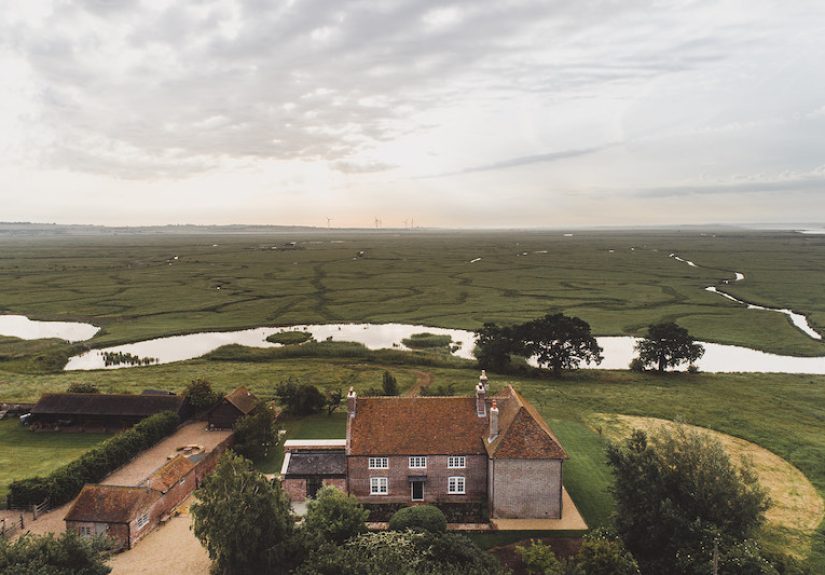
Elmley sits on the Isle of Sheppey in North Kent, surrounded by wetlands, grazing marsh, and the kind of open space that makes you stand taller without noticing.
It’s close enough to London to be a spontaneous escape, but once you arrive, it feels like someone turned the volume down on modern life.
Getting there without turning it into an expedition
- By car: It’s an easy “escape-city-and-breathe” drive, typically around an hour from London depending on where you start and what time you go.
- By train + taxi: If you prefer to let the rails do the work, you can take a train out of London and finish with a short taxi ride onto the island and over to the reserve.
Pro tip: build in a little buffer. Elmley’s magic is partly in its remoteness, which is another way of saying “your ETA should not be powered by wishful thinking.”
The entrance drive: your first wildlife documentary scene
Arrival at Elmley often starts with a long, wildlife-rich approach across open marshland. This isn’t a decorative drivewayit’s part of the experience.
You may spot birds perched on posts, hares in the fields, or raptors working the wind.
Consider it the opening credits of your weekend: slow down, look out, and let the place introduce itself.
What “all-encompassing” really means here (spoiler: it’s not a wristband buffet)
“All-inclusive” usually means unlimited snacks and a pool you never use. Elmley’s version is different. It’s all-encompassing because it wraps you in:
- Landscape: uninterrupted marsh views, big sky, and light that changes every ten minutes like it’s showing off.
- Wildlife: birds everywheresome obvious, some only revealed if you pause and watch.
- Time: the day reorganizes itself around sunrise, tide, and weather instead of notifications.
- Comfort (the sensible kind): warm beds, thoughtful design, and small luxuries that feel earned after a windy walk.
It’s a reset button disguised as a getaway. You’ll still eat well and sleep warmlybut the real “package deal” is attention: you start noticing things again.
Where you sleep: huts, cabins, farmhouse stays, and summer tents
Elmley’s accommodations are designed to put you in the landscape, not next to it. Think windows positioned for views, cozy heating, and layouts that invite
lingering with a mug while watching the marsh do marsh things.
1) Traditional shepherd’s huts: small, charming, and seriously good at cozy
Shepherd’s huts are the classic Elmley vibe: compact, warm, and wonderfully simple. Many include a wood-burning stove, an en-suite bathroom,
and an outdoor area where the stars do the talking at night. This is the kind of place where “I’ll just rest my eyes” turns into a full nap
because the wind is basically a lullaby.
These huts are especially perfect if you want a low-fuss stay with maximum atmosphereromantic for adults, fun for families, and ideal for anyone who enjoys
the idea of sleeping inside something that looks like it belongs in a storybook (but with an actual hot shower).
2) Glazed huts and cabins: the “wake up to wilderness” option
If your dream is to open your eyes and immediately see marshland stretching out like a painting, you’re in the right category.
Some of Elmley’s huts and cabins are built with dramatic glazed endsbasically a front-row seat to sunrise.
These often include kitchenettes and clever family-friendly sleeping setups, which means you can bring kids without sacrificing the grown-up feeling.
A few stays add memorable extras like outdoor bathing or showers. It’s not about being fancy for the sake of it; it’s about leaning into the setting.
An outdoor soak under a wide sky hits differently than a hotel tub under fluorescent lighting. (Your stress doesn’t stand a chance.)
3) Bigger stays: farmhouse and cottage options for groups
If you’re traveling with friends or family and want more spacekitchen, living areas, multiple bedroomsElmley also offers larger accommodations.
These are great for multi-generational trips, small celebrations, or the type of friend group that treats board games like a competitive sport.
4) Summer bell tents: lightweight, playful, and outdoors-first
In warmer months, bell tents offer a classic glamping feel: fabric walls, fresh air, and that “camping, but make it manageable” energy.
They’re especially fun for familieskids love the novelty, adults love that the experience feels adventurous without becoming a survival reality show.
Food and drink: the “we’ve got you” version of eating in the wild
One reason Elmley feels all-encompassing is that you can keep things simple while still eating well.
Instead of “drive 25 minutes to find dinner,” you can often arrange food that fits the day’s pace.
Breakfast hampers and easy mornings
Mornings at Elmley are not meant for rushing. Many guests opt for breakfast options that make it easier to ease into the day:
coffee/tea, simple prep, and the kind of breakfast that pairs perfectly with staring out a window.
Seasonal suppers, wood-fired favorites, and low-effort treats
Depending on the time of year, Elmley often offers evening options like supper hampers or wood-fired pizzas on certain nights.
The best part is how it supports the pace of the place: you can eat something satisfying and then go right back to doing absolutely nothing
which, at Elmley, counts as a productive activity.
If you prefer self-catering, many accommodations include cooking facilities or shared cooking spaces, so you can keep it flexible.
(Just remember: once you’re in the reserve, “I’ll just pop out for one ingredient” is not the vibe.)
What to do at Elmley (without turning your weekend into homework)
Elmley is for people who like nature in any volumefrom “I could name 40 bird species” to “I think that’s a bird, and I’m proud of myself.”
You can fill the day, or you can do very little. Both are correct.
Walks, hides, and the joy of a slow wander
Elmley’s trails and hides make it easy to explore. A classic plan is to walk out to a hide, settle in quietly, and let the wildlife come to you.
You’ll likely see wading birds along scrapes and mudflats, raptors scanning the fields, and a constant movement of life in the reeds.
Some paths lead toward the more remote edges of the reserve, where the landscape feels even wilder. If you’re up for distance,
longer walks can deliver that “I can’t believe I’m this close to London” feeling.
Guided wildlife experiences: when you want expert eyes
If you love the idea of learning while you wander, Elmley also offers guided wildlife experiences at certain timeslike safaris by vehicle
or dusk walks focused on owls and other evening activity. These are especially worth considering if you’re visiting for the first time or
you want a deeper understanding of what you’re seeing (and what you’re definitely missing because nature is sneaky like that).
Stargazing and “big sky” evenings
On clear nights, the openness of the landscape can make stargazing feel vivid and close. This is the moment you realize your phone screen is the brightest thing around,
and you can either keep scrolling… or do the more radical thing: stop. If you bring a small red-light flashlight (or use a red-light mode),
you’ll preserve your night vision and actually see more.
Photography, journaling, and the lost art of doing one thing
Elmley is a dream for photographersespecially anyone who loves moody weather, wide landscapes, and wildlife that refuses to pose (how rude).
It’s also perfect for slower creative habits: sketching, journaling, reading, or simply sitting outside and watching the light shift.
Wildlife you might spot (and how to enjoy it without being “that person”)
Elmley’s wetlands and grazing marsh habitat are a magnet for birds and other wildlife. Depending on season and luck, you might see:
- Raptors: marsh harriers and other birds of prey riding the wind like they own it (because they do).
- Waders and water birds: redshank, lapwing, avocet, and a rotating cast of visitors on the scrapes and mudflats.
- Owls and dusk life: evenings can reveal a different side of the reservequiet, watchful, and full of movement if you’re patient.
- Mammals and “blink and you’ll miss it” moments: hares and other small wildlife moving through the grass.
Respectful wildlife watching: the simple rules that make a big difference
- Keep your distance: use binoculars or a zoom lens rather than moving closer.
- Stay quiet and predictable: sudden movement and noise stress wildlife (and ruin the moment for everyone).
- Avoid disturbing nesting areas: if a bird changes behavior because of you, you’re too close.
- Skip the gimmicks: avoid call playback and be cautious with drones and flash photographywildlife comes first.
- Leave no trace: pack out what you pack in, and keep the landscape as you found it.
Elmley rewards patience. The more you slow down, the more you see. It’s basically a life lesson disguised as a birdwatching tip.
A sample 48-hour Elmley itinerary (balanced, flexible, and not overly ambitious)
Day 1: Arrival + “let the place rewire your brain”
- Afternoon: arrive, settle in, and take the short version of a first walkjust enough to get your bearings.
- Golden hour: pick a vantage point near your accommodation and watch the light change. Don’t rush. This is the main event.
- Dinner: keep it easypre-arranged food if available, or simple self-catering.
- Evening: step outside for five minutes (minimum). If the sky is clear, you’ll remember what “dark” actually looks like.
Day 2: The full Elmley day
- Sunrise (optional but powerful): if you wake up early, don’t fight it. Sunrise on the marsh is a flex.
- Morning: walk to a hide and spend real time there. The trick is to sit long enough for wildlife to forget you exist.
- Lunch: picnic itElmley is made for picnics, even when the wind tries to negotiate your sandwich away from you.
- Afternoon: choose one: a longer walk, a guided experience, or a nap that feels like self-care and not defeat.
- Dusk: prime time for owls and a different mood across the landscape. If you booked a dusk experience, this is your moment.
- Night: firepit vibes (where permitted), warm layers, and the world’s most satisfying silence.
Day 3: A slow goodbye
Before you leave, take one last short walkjust enough to imprint the place on your memory. Then drive out slowly.
You’re not late; you’re transitioning back to reality (gently, please).
When to go and what to pack (a practical section that won’t judge you)
Best times to visit
- Spring: fresh energy, longer days, and a sense that everything is waking up.
- Summer: big skies, late sunsets, bell tent season, and peak “sit outside forever” energy (bring sunscreen and patience for bugs).
- Fall: dramatic light, migrating birds, and that cozy feeling when the first chilly evening makes hot drinks feel heroic.
- Winter: brisk, wild, and wonderfully quietideal for storm-watching and serious rest (if you pack properly).
What to pack for a comfortable nature-first stay
- Layers: the marsh can be windy, and weather changes fast.
- Waterproof jacket: not “water-resistant,” but “I can handle a surprise shower.”
- Good shoes: trails can be muddy, and your sneakers deserve peace.
- Binoculars: you don’t need fancyjust something that helps you see the story.
- Refillable water bottle: easy, practical, and fits the eco-minded vibe.
- Headlamp or flashlight with a red mode: for night walks without blasting your night vision.
Who Elmley is perfect for (and who should think twice)
You’ll love it if…
- you want a nature retreat near London that feels genuinely wild
- you enjoy birdwatching, photography, walking, or simply “doing less”
- you like thoughtful design and comfort, but don’t need city buzz
- you’re happy swapping nightlife for night skies
You might struggle if…
- you need constant entertainment, shops, and busy social scenes
- you dislike wind, mud, or the idea that nature doesn’t run on a schedule
- you expect perfect cell signal everywhere (the marsh is not impressed by your carrier)
Experience Notes (Extra ): What a stay can feel like, moment by moment
Here’s the thing about Elmley: it doesn’t announce itself with a neon sign that says “RELAX NOW.” It does something subtler.
It gives you spaceliteral spaceand then watches you gradually remember how to use it.
The first evening usually starts with a tiny internal argument: part of you wants to document everything (photos! videos! proof!),
and part of you wants to stand still and absorb it. Elmley quietly votes for the second option. You step outside and realize the sky is enormous,
the air smells like salt and grass, and the “background noise” of life has been replaced by birds calling across the marsh.
It’s not silent; it’s alivejust not loud about it.
Later, when you’re insidewhether that means a shepherd’s hut with a warm stove or a cabin with a view that looks like a paintingyou start noticing how
your body reacts to the pace. Shoulders drop. Breathing slows. The urge to check your phone turns into the urge to check the horizon.
You might still scroll a little (no shame), but the place has a way of gently making screens feel less interesting than real weather.
Morning is where Elmley really flexes. If you wake up early, the light tends to arrive like a slow spotlight across the marsh.
A glazed window becomes your private cinema, except the soundtrack is wind and the actors are birds. You can lie in bed and watch movement in the distance:
a raptor gliding low, a line of birds lifting off together, the grass shifting as if the land itself is breathing.
It’s the kind of view that makes you forget you’re capable of being annoyed.
Then you walk. Not the “power walk with a podcast” kindmore like the “I’m going to let my brain wander too” kind.
You head toward a hide, and along the way you realize you’re listening again. Footsteps. Wings. The soft mechanical click of binoculars adjusting.
If you sit still long enough, the reserve starts to reveal layers: birds feeding, birds arguing, birds pretending not to notice you.
(They notice you. They’re just polite.)
By the afternoon, the usual vacation pressuremaximize, optimize, squeeze in one more activitystarts to dissolve.
You can do a guided wildlife experience if that’s your style, or you can choose the most underrated luxury of all: a nap without guilt.
And when dusk arrives, the landscape shifts into a different personalitycooler air, lower light, and a hush that feels anticipatory.
That’s when you understand why people talk about owls and evening safaris here: the reserve becomes mysterious, not scary, but quietly thrilling.
The final morning tends to be the most surprising. You expect to feel sad about leaving (and you might), but you also feel… reset.
Like someone tidied up the inside of your head. You pack up, take one last look at the marsh, and head back toward London.
The city doesn’t changebut you do. And when the week gets noisy again, you’ll remember the big sky, and it’ll feel like you have a secret.
Conclusion: The “all-encompassing” part is you
Elmley Nature Reserve isn’t about doing everything. It’s about feeling everything a little more clearlywind, light, birds, rest, time.
It’s close enough to London to be realistic, but wild enough to feel like a proper escape.
If you’re craving a nature retreat near London that’s immersive, calm, and quietly unforgettable, Elmley is the kind of place that doesn’t just host you
it rewires you (in the nicest way possible).