Table of Contents >> Show >> Hide
- Quick overview: the “big picture” timeline
- Day of surgery to week 2: protect the work and calm the swelling
- Weeks 2–6: stitches out, boot on, motion starts (carefully)
- Weeks 6–10: “Hello, weight bearing” (gradual and supervised)
- Weeks 10–14+: strength, balance, and “feeling like yourself” again
- Months 3–6: mobility and confidence climb
- Months 6–12: the long tailwhere “fully recovered” lives
- Milestones people care about (a lot)
- What can slow down (or speed up) your recovery timeline
- Red flags: call your surgeon right away if you notice these
- Recovery tips that actually help (not just “drink water”)
- FAQ: common questions (and honest answers)
- Real-world recovery experiences : what patients commonly report
- Conclusion: your timeline is a roadmap, not a stopwatch
So you got a new ankle. Congrats! You’re basically part human, part high-tech hinge now.
The big question is: how long until you’re walking like a regular earthling again?
This guide walks you through a realistic ankle replacement surgery recovery timelinewhat usually happens,
what “normal” feels like, and the milestones people actually care about (like driving, shoes, and returning to work).
Quick note: Recovery varies depending on your surgeon’s protocol, your bone quality, whether you had extra procedures
(ligament work, tendon transfers, bone cuts), and how your incision heals. Use this as a roadmapnot a rigid rulebook.
Quick overview: the “big picture” timeline
- 0–2 weeks: Splint/cast, strict protection, swelling control, mostly non-weight bearing.
- 2–6 weeks: Stitches out, boot life begins, gentle motion and early rehab, weight-bearing rules vary.
- 6–10 weeks: Gradual transition toward weight bearing and re-learning a normal walking pattern.
- 10–14+ weeks: More strength, balance, endurance; less boot, more “regular human” shoes.
- 3–6 months: Walking improves a lot; stamina builds; swelling still likes to make surprise appearances.
- 6–12 months: Full recovery window for many people; swelling and aches can linger while tissues remodel.
Day of surgery to week 2: protect the work and calm the swelling
What this phase is really about
The implant is in, but your soft tissues (skin, capsule, tendons) are the “construction zone.”
Think of this phase as healing and protectingnot “getting strong.”
Swelling is expected, and your job is to keep it from running the show.
What you’ll likely experience
- Elevation becomes your main hobby. (Your ankle will audition for a role “above your heart.”)
- Pain and tightness that improve week to week.
- Limited mobilitycrutches, walker, or a knee scooter may be your MVP.
- Sleep disruption (because your ankle did not consult you before planning this).
Common instructions during weeks 0–2
- Non-weight bearing (often): Many protocols start with strict non-weight bearing.
- Incision care: Keep dressings clean and dry; watch for drainage or spreading redness.
- Swelling control: Elevation, short walks only as allowed, and frequent rest breaks.
- Safe movement: Gentle hip/knee motion and basic leg activation to prevent deconditioning.
Pro tip: Set up a “one-floor recovery zone” before surgerysleeping, bathroom access, and snacks.
Nobody wants to tackle stairs while balancing on one foot and holding a bowl of cereal like it’s a priceless artifact.
Weeks 2–6: stitches out, boot on, motion starts (carefully)
What changes around week 2
Many people have stitches removed around the two-week mark and transition into a removable boot.
At this point, your surgeon may allow gentle range-of-motion work and begin a structured rehab plan.
Mobility: you’re moving more, but still protected
This is often the phase where people feel emotionally whiplashed:
you’re doing “more,” but you’re still not doing “normal.” That’s expected.
Your walking aid is still your best friend, and your boot is basically your new roommate.
Physical therapy and early exercises
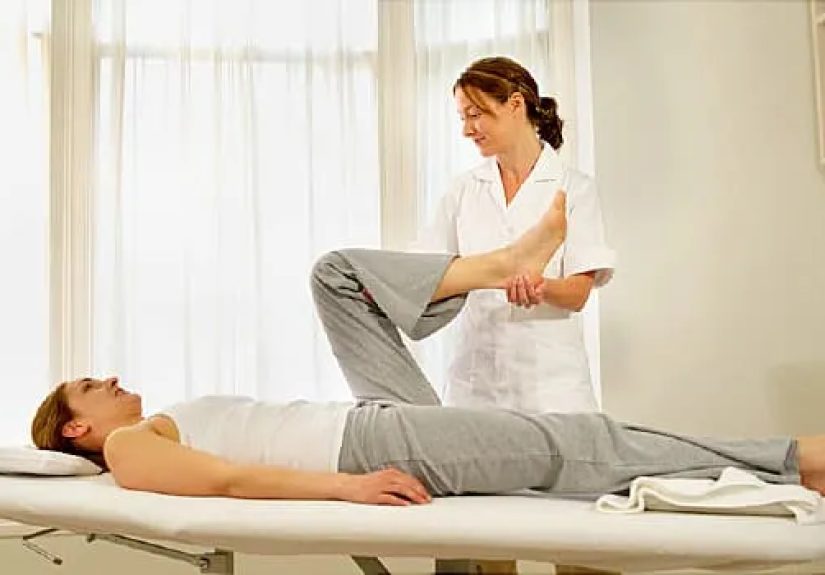
Your therapist may focus on gentle ankle motion (like ankle pumps and controlled circles),
scar care once the incision is healed, and maintaining strength in your hips/core.
The goal is to keep stiffness from setting up permanent residencywithout irritating healing tissues.
Timeline reality check: Some protocols allow limited or partial weight bearing earlier; others keep you non-weight bearing longer.
If your surgeon says “not yet,” that’s not them being dramaticthat’s them protecting the implant fixation and soft-tissue healing.
Weeks 6–10: “Hello, weight bearing” (gradual and supervised)
What “progressive weight bearing” actually means
This is the phase where you may begin transitioning toward weight bearing in a boot and then gradually weaning toward a supportive sneaker.
The keyword is progressive. Your ankle is learning a new normal, and your muscles are re-learning their jobs.
What your rehab often focuses on
- Gait training: re-learning a smooth heel-to-toe pattern instead of a “robot boot stomp.”
- Range of motion: improving dorsiflexion and plantarflexion gradually.
- Balance and proprioception: your body’s “where is my ankle in space?” system.
- Swelling management: still importantespecially as you’re on your feet more.
Many protocols encourage a slow boot-wean strategy: short, supervised time in a supportive sneaker, then building up.
If your ankle swells up like a balloon animal after you do more, that’s a signal to scale back and elevatenot “push through.”
Weeks 10–14+: strength, balance, and “feeling like yourself” again
What improves here
- Walking gets smoother (less limping, less “careful stepping”).
- Stamina starts to build. You can do more before your ankle votes for a break.
- Strengthening becomes more meaningfulcalf, ankle stabilizers, hips, and core.
- Balance training ramps up (because ankles are secretly a big deal for balance).
What still surprises people
Swelling may still be hanging around. Some days your ankle looks normal; other days it looks like it just ran a marathon
while you were sitting at your desk. This “up-and-down” pattern is common during tissue remodeling.
Months 3–6: mobility and confidence climb
Around this window, many people transition into more normal routines: longer walks, errands without planning a rescue nap,
and more consistent shoe wear. Physical therapy often shifts toward higher-level balance, strengthening, and functional training.
Examples of realistic progress
- Walking distance: gradually increases from “around the house” to “around the block,” then beyond.
- Stairs: improves as calf strength returns, though it may still feel awkward for a while.
- Low-impact exercise: cycling, swimming, and controlled strength training are often favorites.
If you’re comparing yourself to someone else’s recovery, remember: ankle replacements vary a lot based on pre-surgery function.
Someone who could barely walk pre-op may feel dramatic improvement early; someone very active may feel “limited” longer because
their baseline expectations were higher.
Months 6–12: the long tailwhere “fully recovered” lives
Many reputable orthopedic resources describe 6–12 months as a common full-recovery window.
That doesn’t mean you’ll be miserable for a yearit means the final polish (strength, swelling reduction, confidence, endurance)
takes time. It’s normal to have occasional aches and swelling as activity increases.
The best mindset here is: steady progress, not daily perfection.
Your ankle may keep improving in small ways that are easy to missuntil you realize you walked through a parking lot without thinking about it.
That moment? Chef’s kiss.
Milestones people care about (a lot)
When can I drive after ankle replacement?
Driving depends on which ankle was operated on, whether you’re still in a boot, your reaction time, and whether you’re taking narcotic pain medication.
Many surgeons advise no driving while you’re in a walker boot. Research on brake reaction time after total ankle arthroplasty suggests many patients
return to safe driving around 6 weeks, but your surgeon’s clearance is the final word.
When can I go back to work?
- Sedentary/desk work: sometimes possible in a few weeks if swelling is controlled and you can keep the leg elevated.
- Standing/walking jobs: often take a few months; protocols commonly mention longer timelines for high-demand work.
- Heavy labor: may be restricted long-term because ankle implants are generally intended for low-impact activities.
When can I exercise again?
Most recovery plans encourage low-impact activities as rehab progressesthink cycling, swimming, and controlled strength training.
High-impact activities (like running and jumping) are often discouraged for total ankle replacements because of implant wear and longevity concerns.
Your surgeon will outline what’s safe for your specific implant and anatomy.
What can slow down (or speed up) your recovery timeline
Factors that may slow recovery
- Additional procedures: ligament reconstruction, tendon transfers, osteotomies, or fusions elsewhere in the foot.
- Slow wound healing: swelling, circulation issues, diabetes, smoking, or skin sensitivity.
- Stiffness history: limited ankle motion before surgery can take longer to improve.
- Overdoing it early: swelling spikes, pain flares, and “two steps forward, one step back” patterns.
Factors that often help recovery go smoother
- Elevation discipline: especially in the first few weeks.
- Consistent physical therapy: doing the right exercises at the right time.
- Safe home setup: reducing falls, making movement easier, and lowering stress.
- Good nutrition and sleep: boring but powerful.
Red flags: call your surgeon right away if you notice these
- Fever, chills, or feeling sick in a way that seems “bigger than normal recovery.”
- Worsening calf pain, unusual swelling, or shortness of breath.
- Increasing redness, warmth, foul drainage, or the incision opening.
- Uncontrolled pain or new numbness/weakness.
Recovery tips that actually help (not just “drink water”)
1) Master the “ankle economy”
Your ankle has a daily energy budget. Spend it wisely. If you blow the whole budget by noon, your afternoon will be
sponsored by swelling and regret. Plan activity in short bursts with elevation breaks.
2) Make swelling part of the plan, not a surprise
Swelling often sticks around for months, and it can flare when you increase activity. Compression (if approved),
elevation, and pacing help keep it manageable.
3) Treat the boot like a safety device, not a fashion statement
It’s not cute, but it’s protective. Follow boot rules carefullyespecially stairs, wet floors, and “quick trips” that turn into longer walks.
4) Rehab is not just ankle exercises
Strong hips and core help your gait mechanics and balance. Many protocols emphasize maintaining strength above the ankle
because it improves function and reduces compensation patterns.
5) Footwear matters more than you think
When you transition to shoes, supportive sneakers can make walking feel safer and smoother.
Your therapist may also talk about gait aids, shoe levelers, or orthotics depending on your mechanics.
FAQ: common questions (and honest answers)
Will I be “back to normal” at 6 weeks?
Usually not. Six weeks is often when weight-bearing transitions begin for many people, not the finish line.
Think of it as the start of the “walking rebuild” phase.
Why does my ankle feel stiff even though it’s a replacement?
The implant restores joint surfaces, but your soft tissues still have to adapt. Swelling, scar tissue, and muscle weakness
can all limit motion early. Consistent rehab and time help.
Can I run after a total ankle replacement?
Many surgeons discourage running and high-impact sports after total ankle replacement because of implant wear and loosening risk.
Some people do more than recommended, but the safest long-term strategy is usually low-impact activity.
Real-world recovery experiences : what patients commonly report
Medical timelines are helpful, but they don’t always capture the lived experiencethe part where your ankle has
opinions about weather, errands, and whether you dared to stand too long while making a sandwich.
Here are common recovery experiences people describe after ankle replacement surgery, based on patterns seen in clinical guidance
and patient education conversations.
The first two weeks feel like a full-time job (because they kind of are)
Many people say the hardest part early on isn’t just painit’s logistics. Everything takes longer: getting to the bathroom,
showering safely, carrying food, and navigating stairs. Knee scooters can feel like freedom until you realize you still need hands
to carry stuff. This is when patients often become unexpectedly creative: backpacks, crossbody bags, rolling carts, and the classic
“I will transport one coffee mug at a time and accept my fate.”
Swelling is the long-term roommate you didn’t invite
A frequent surprise is how long swelling can stick around. Patients often describe a pattern: mornings are decent, afternoons get puffy,
and evenings feel tightespecially after being upright more. People commonly learn to “schedule” elevation: after a shower, after PT,
after errands, after anything that involves standing like a functional adult. Over time, swelling episodes usually get less dramatic,
but it’s normal for it to flare when activity increases.
The boot phase comes with mixed emotions
The boot can feel protective and annoying at the same timelike a helmet you’re required to wear indoors.
Patients often describe boot fatigue: sleeping awkwardly, feeling clunky, and dealing with uneven leg height.
But many also report that the boot gives them confidence during early weight-bearing, especially when they’re nervous about loading the ankle.
The transition out of the boot is often celebrated… right up until the first day the ankle feels “tired” in shoes and people realize the boot
was doing some work for them.
First steps can be excitingand weird
When weight-bearing begins, many patients expect it to feel instantly “better.” Instead, they often describe it as unfamiliar:
the ankle feels stiff, the muscles feel asleep, and walking feels like relearning a skill you used to do without thinking.
Physical therapy becomes a confidence builder here. Patients frequently report that gait training and balance work feel surprisingly challenging
not because the implant is failing, but because the nervous system and stabilizing muscles need time to recalibrate.
Progress is real, but not always linear
A common story: “I had three great days, then one day it swelled and ached, and I panicked.” That up-and-down pattern is extremely common.
People often find that recovery moves in waves: a new activity level, a short flare, then the body adapts. The patients who feel most in control
tend to be the ones who treat flares as feedbackrest, elevate, and adjustrather than proof something is wrong.
The “quiet wins” matter most
Many patients say the best milestones aren’t dramatic. They’re subtle: walking through a grocery aisle without calculating every step,
standing to cook a meal without immediate regret, or realizing they forgot about the ankle for an hour. Those moments usually show up more often
between months 3 and 12when strength, balance, and swelling control finally start to feel dependable.
Conclusion: your timeline is a roadmap, not a stopwatch
A typical ankle replacement recovery timeline spans months, not weeks. Early recovery focuses on healing and swelling control,
mid-recovery rebuilds walking and strength, and late recovery is where endurance and confidence catch up.
Follow your surgeon’s protocol, take physical therapy seriously, and remember: the goal isn’t just to walkit’s to walk well, safely, and with less pain.
Medical disclaimer: This article is for educational purposes and does not replace medical advice.
Your surgeon and physical therapist should guide decisions about weight bearing, driving, exercises, and return to work.