Table of Contents >> Show >> Hide
- What Ankylosing Spondylitis Muscle Pain Actually Feels Like
- Can Massage Therapy Help With AS?
- Why Massage Sometimes Works So Well
- The Best Types of Massage for Ankylosing Spondylitis
- What Areas Often Benefit Most
- When Massage Therapy Is a Bad Idea, or Needs Major Caution
- How to Choose a Massage Therapist Who Will Not Freelance on Your Spine
- How to Make Massage Therapy More Effective
- When Massage Is Not Enough
- A Realistic Massage Plan for AS
- What Living With AS and Massage Therapy Can Feel Like
- Final Thoughts
Note: This article is for educational purposes only and is not a substitute for medical advice, diagnosis, or treatment from your rheumatologist or other licensed clinician.
If ankylosing spondylitis (AS) had a personality, it would probably be that one rude houseguest who shows up at 3 a.m., stiffens your back, tightens your hips, and refuses to leave before coffee. AS is an inflammatory form of arthritis that primarily affects the spine and the joints where the spine meets the pelvis. But the pain does not always stay politely in the joints. A lot of people also deal with muscle tightness, spasms, guarding, and deep soreness in the neck, shoulders, chest wall, lower back, glutes, and thighs.
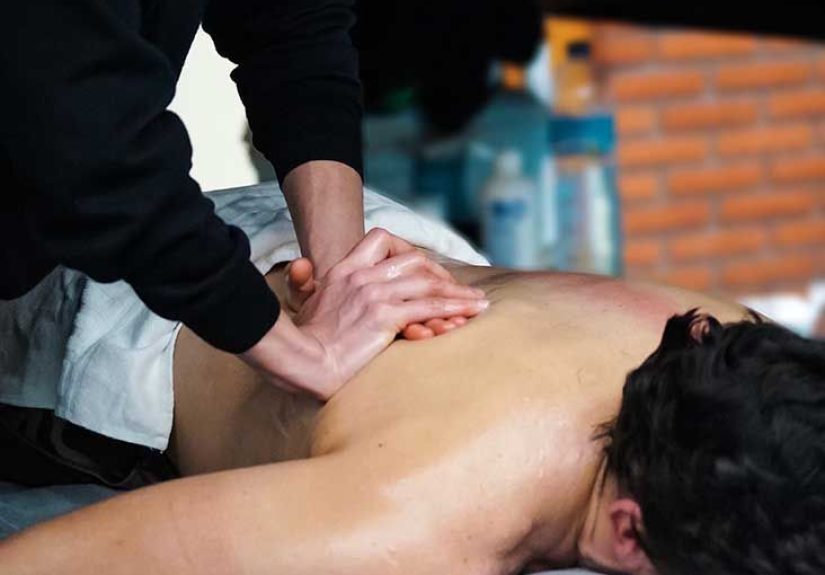
That is where massage therapy enters the chat. Not as a cure. Not as a magical “fix your spine in one session” fairy tale. But as a practical, hands-on tool that may help reduce muscle tension, improve comfort, and make it easier to move. For some people with AS, the right massage can feel like someone finally turned down the body’s alarm system. For others, especially if the pressure is too intense or poorly targeted, it can feel like their muscles filed a complaint.
The real question is not whether massage therapy is universally good or bad. It is whether it is appropriate for your symptoms, your spine, and your current disease activity. Let’s break down what massage can and cannot do, how to use it wisely, and how to avoid turning a “relaxing wellness appointment” into a regrettable full-body plot twist.
What Ankylosing Spondylitis Muscle Pain Actually Feels Like
AS is driven by inflammation, but muscle pain often shows up as the side effect of that deeper process. When joints become painful and stiff, the surrounding muscles start compensating. Some tighten to protect the area. Others overwork because posture or movement has changed. Over time, that can create a loop: inflammation triggers stiffness, stiffness changes mechanics, changed mechanics stress the muscles, and stressed muscles make the whole body feel even worse.
This is why many people with AS say the pain is not just “in the spine.” It can feel like:
- a band of tightness across the lower back
- aching or burning in the glutes and hips
- ropey tension between the shoulder blades
- chest wall tightness that makes deep breathing uncomfortable
- neck and upper back muscles that feel permanently braced for impact
AS pain is also famous for its timing. It often gets worse after inactivity and may hit hardest in the morning or during the night. That means people frequently wake up feeling like they slept on a slab of concrete, even when their mattress was innocent.
Can Massage Therapy Help With AS?
Possibly, yes, especially for the muscle part of the pain picture. Massage therapy is not considered a primary treatment for ankylosing spondylitis. The foundation of treatment still includes medical care, exercise, physical therapy, posture work, and inflammation control. But massage may serve as a helpful adjunct for selected patients.
Here is the practical way to think about it: massage does not “treat the disease” the way anti-inflammatory medication or biologic therapy can. What it may do is help manage the secondary discomfort that comes with living in a body that has been tight, guarded, and irritated for too long.
Some small studies involving people with AS suggest massage may improve pain and disease-related symptoms in the short term. More broadly, research on arthritis and chronic pain suggests massage may reduce pain, anxiety, and functional limitations for some patients. The catch is that the evidence is still limited, especially for AS specifically. So the honest answer is this: massage can be worthwhile, but it works best as part of a bigger plan, not as the whole plan.
Why Massage Sometimes Works So Well
When massage helps, it usually helps in a few specific ways.
1. It reduces muscle guarding
When the body anticipates pain, muscles often tighten automatically. Gentle manual therapy may calm that protective response enough to reduce soreness and improve comfort.
2. It makes movement easier
Many people notice that after a well-paced session, they can stand taller, rotate more comfortably, or transition from sitting to standing with less drama. That matters because movement is one of the most important tools for AS management.
3. It may improve sleep and stress
Chronic pain and poor sleep are notorious partners in crime. If massage relaxes the nervous system and softens pain even a little, it may make rest easier. And better sleep often means better pain tolerance the next day.
4. It helps people reconnect with their bodies
That may sound fluffy, but it matters. People with chronic pain often move cautiously, breathe shallowly, and brace without realizing it. A thoughtful massage therapist can help a patient notice tension patterns and learn how to let go of some of them.
The Best Types of Massage for Ankylosing Spondylitis
With AS, the winning strategy is usually gentle and intentional, not “let’s see how much pressure a human thumb can generate.”
Swedish massage
This is often a good place to start. It uses lighter, flowing strokes that can reduce tension without aggressively challenging painful tissues.
Gentle myofascial work
Slow, sustained work on fascia and soft tissue may help areas that feel stiff or glued down, especially around the hips, chest, shoulders, and back.
Trigger point work, used carefully
Targeted work on tight bands in muscles can be useful, but it should be measured and never feel punishing. “Therapeutic” should not mean “I saw my ancestors.”
Sports massage or deep tissue, modified
These approaches are not automatically off-limits, but they need caution. Deep pressure over inflamed areas, fused spinal segments, or fragile bones can backfire. In many people with AS, lighter work gets better results than intense pressure.
What Areas Often Benefit Most
Massage for AS is often more helpful when it focuses on the muscles around the problem, rather than forcefully pressing on the spine itself. Common areas include:
- glutes and hip rotators
- hamstrings and hip flexors
- paraspinal muscles beside the spine
- shoulders, upper traps, and chest muscles
- rib cage and breathing muscles, if done gently
This matters because AS can change posture over time. If the chest tightens and the upper back rounds forward, the neck and shoulders may work overtime. If the pelvis and SI joints are irritated, the hips and glutes may become painfully protective. A good massage plan recognizes these patterns instead of treating the body like a random collection of sore spots.
When Massage Therapy Is a Bad Idea, or Needs Major Caution
This section is important. Massage is not harmless just because it is sold with spa music and a heated table.
You should talk with your clinician before booking massage if you have:
- significant spinal fusion or very limited spinal mobility
- osteoporosis or known fracture risk
- a recent fall, injury, or sudden increase in pain
- active inflammation that makes touch intolerable
- numbness, weakness, or nerve symptoms
- severe neck pain
- a history of compression fractures
- blood clot risk or use of blood thinners
Forceful manipulation of the neck or back is especially concerning in people with advanced AS. A fused or fragile spine is not the place for aggressive twisting, cracking, or high-pressure techniques. If a therapist talks like your spine just needs to be “put back into place,” that is your cue to put yourself back into your car.
How to Choose a Massage Therapist Who Will Not Freelance on Your Spine
The best massage therapist for AS is not necessarily the strongest one. It is the one who listens, adapts, and understands medical complexity.
Look for a licensed massage therapist who is comfortable working with chronic pain or inflammatory conditions. Before the first session, tell them:
- you have ankylosing spondylitis or axial spondyloarthritis
- which joints or muscles flare most often
- whether you have spinal fusion, osteoporosis, or prior fractures
- what medications you take
- what kind of pressure you can tolerate
- that you do not want forceful spinal manipulation
A good therapist should be willing to start conservatively, check in often, and change the plan if your body says “absolutely not.”
How to Make Massage Therapy More Effective
Massage tends to work better when it is combined with other smart habits instead of used as a stand-alone rescue mission.
Pair it with movement
Try gentle walking, stretching, or prescribed physical therapy exercises later the same day or the next morning. If massage reduces guarding, movement can help “lock in” that improved mobility.
Use heat strategically
A warm shower, heating pad, or hot bath before massage may help tight muscles relax. Cold can be helpful afterward if an area feels irritated or inflamed.
Track your response
Keep a simple note on what helped, what flared symptoms, and how long relief lasted. The goal is not to guess. It is to build your own evidence.
Stay hydrated and pace yourself
You do not need to treat water like a miracle potion, but being hydrated and avoiding a strenuous post-massage workout can make recovery smoother.
When Massage Is Not Enough
If pain is escalating, waking you regularly, causing major loss of function, or coming with new neurological symptoms, massage is not the answer by itself. That is the point where you need a clinical reassessment. Muscle pain in AS can overlap with inflammation, enthesitis, mechanical strain, poor posture, medication gaps, and sometimes complications such as fracture risk.
Seek medical attention promptly if you develop:
- sudden severe neck or back pain
- leg weakness, numbness, or changes in bowel or bladder control
- fever or signs of infection
- sudden eye pain, redness, light sensitivity, or blurred vision
- pain after a fall or minor trauma
Massage can support your comfort. It should never delay evaluation of red-flag symptoms.
A Realistic Massage Plan for AS
For many people, the most effective approach is boringly sensible, which is often where the best health advice lives. A realistic plan might look like this:
- start with a short, gentle session rather than a heroic 90-minute deep tissue marathon
- focus on muscles around the hips, glutes, shoulders, and chest before attempting more sensitive areas
- combine massage with home exercises and posture work
- schedule sessions during periods of relative stability, not during severe flares
- reassess after two or three sessions instead of assuming more is always better
In other words, use massage like a smart tool, not a dramatic storyline.
What Living With AS and Massage Therapy Can Feel Like
Many people with ankylosing spondylitis describe a very specific kind of frustration: they know movement helps, but the body feels too stiff and sore to move well in the first place. That is one reason massage can be meaningful even when it is not a miracle. It may create a small opening in the day, a window where movement feels possible again.
A common experience starts in the morning. Someone wakes up with the familiar AS cocktail of lower back stiffness, tight hips, and a neck that seems to have signed a non-cooperation agreement. The first few steps are awkward. Standing upright takes time. A warm shower helps. A short walk helps. But the muscles still feel braced, like they are waiting for the next wave of pain. After a gentle massage session focused on the glutes, hip flexors, upper back, and chest, that person may notice they are breathing more deeply and walking with less guarding. The disease is still there. The inflammation is still real. But the body is no longer shouting through a megaphone.
Another common pattern is delayed relief. Some people do not float off the massage table feeling transformed. Instead, they feel mildly sore that evening, sleep a little better, and realize the next day that turning in bed or getting out of a chair is easier. That kind of improvement matters. Chronic pain management is often less about dramatic breakthroughs and more about stacking small wins until daily life becomes less exhausting.
There are also people who learn the hard way that more pressure is not more therapeutic. Someone with AS may book a deep tissue session hoping to “break up” the tightness, only to feel flared, bruised, or more guarded afterward. That experience can be discouraging, but it is also useful information. It does not always mean massage is wrong. It may simply mean the technique, pressure, timing, or body area was wrong. In AS, lighter and more precise often beats tougher and more aggressive.
Emotionally, massage can bring a kind of relief that is hard to measure on a chart. People with AS often spend years managing symptoms, appointments, medication changes, posture advice, imaging, and the general unpredictability of a chronic condition. A session with a careful therapist can feel like one hour where the goal is not to fix everything, but to make the body feel safer and less defended. That can reduce stress, and less stress can make pain easier to handle.
Perhaps the most realistic experience is this: massage works best for people who stop expecting it to cure AS and start using it to support function. When it helps someone loosen up enough to stretch, sleep, walk, work more comfortably, or get through a flare with less muscle tension, it has done something valuable. In the world of chronic inflammatory disease, “valuable” does not have to mean flashy. Sometimes it just means you can put on your shoes without making a speech about it.
Final Thoughts
Massage therapy can be a useful part of managing muscle pain in ankylosing spondylitis, but it is not one-size-fits-all. The sweet spot is individualized care: gentle techniques, clear communication, respect for spinal safety, and coordination with a broader treatment plan that includes exercise, physical therapy, and medical management.
If massage leaves you moving more freely, sleeping better, and feeling less armored, it may deserve a place in your routine. If it makes pain worse, pushes too hard on vulnerable areas, or ignores the realities of AS, it is the wrong approach. Your body is not being difficult. It is giving data.
And in chronic disease management, good data is almost as satisfying as a good massage. Almost.