Table of Contents >> Show >> Hide
- What the Remodelista Market is really about (hint: it’s not just shopping)
- The big news: our first New England Market with Lekker Home
- Why Lekker Home was the perfect co-host
- A curated lineup: the makers (and what made them special)
- More than booths: the Market as a full experience
- How to shop a design market like a pro (without panic-buying six candles)
- Why New England was a natural next step
- What the first Market proved (and why these events still matter)
- Experience Notes: the Market moments you don’t forget (and how to make the most of them)
Some weekends are made for big, dramatic life decisionslike chopping your own bangs or adopting a third houseplant you
definitely don’t have a sunny window for. And then there are weekends made for the right kind of impulse:
meeting the person who hand-threw that perfectly imperfect ceramic bowl, hearing the story behind a wool blanket woven on
antique looms, and leaving with a small, beautiful object that makes your home feel more like you.
That’s the spirit behind the first-ever Remodelista New England Market, co-sponsored with
Lekker Homea two-day, editor-curated gathering in Boston that brought together New England makers,
design lovers, and a shared appreciation for things made with intention (and, let’s be honest, an appreciation for
not having to pay shipping).
What the Remodelista Market is really about (hint: it’s not just shopping)
A Remodelista Market is the antidote to endless scrolling. Instead of buying a “handcrafted” vase that was
mysteriously produced by a “small family studio” that also sells phone cases and inflatable kayaks, you get to
meet the real humans behind the work. You can ask questions, feel materials, compare finishes in actual daylight,
and hear the “why” behind the design.
The Market format also leans into something we tend to forget in the era of two-day delivery: the best pieces for a home
are the ones with a backstory. A linen napkin becomes more than a linen napkin when you know who made it, how it was dyed,
and why that specific weave was chosen. Suddenly your table doesn’t just look goodit has personality.
The big news: our first New England Market with Lekker Home
The inaugural New England Market marked a new chapter: a Remodelista Market designed specifically for Boston and the
broader regionwhere craft traditions run deep, materials matter, and “quality” isn’t a buzzword, it’s a baseline.
When and where it happened
The Market took place over the weekend of November 14–15 in Boston, hosted inside Lekker Home’s lofty
South End showroom. It was a two-day formatSaturday with longer browsing hours, and Sunday for a slightly more relaxed
lap around the vendors (and a second chance to buy the thing you tried to “be responsible” about the day before).
The event was held at Lekker Home’s South End address at the time, with convenient nearby parking optionsbecause nothing
ruins a design high like circling the block while your tote bag straps cut off circulation.
What you could expect to find
The Market showcased 30+ New England artisans (and, depending on the count you’re looking at, the roster
crept into the 35–40+ maker range) across the categories that make a home feel layered and lived-in:
homewares, textiles, ceramics, botanicals, stationery, small accessories, and thoughtful gifts that don’t scream
“I bought this at the airport.”
The point wasn’t to overwhelm you with more stuff. It was to introduce you to better stuffpieces that are useful,
durable, and quietly beautiful (with just enough charm to make your friends ask, “Where did you get that?”).
Why Lekker Home was the perfect co-host
If the Remodelista Market is about considered design, then Lekker Home is basically its natural habitat. Since the early
2000s, Lekker has built a reputation in Boston for curating European and Scandinavian-leaning design with a strong point
of view: clean lines, warm materials, craftsmanship you can feel, and pieces meant to last longer than your latest
paint-color obsession.
Their approach is less “trend treadmill” and more “design for living”the idea that a well-made chair isn’t just a chair,
it’s the place where you drink morning coffee, read bedtime stories, and occasionally sit down to stare at the wall and
rethink your life choices (we’ve all been there).
Hosting the Market inside a showroom like Lekker’s created the best kind of contrast: artisan-scale goods set against a
backdrop of iconic, modern furniture. It made the Market feel instantly elevatedbut still approachable, still friendly,
still full of people comparing notes on candles like they’re wine critics.
A curated lineup: the makers (and what made them special)
The vendor list was a love letter to New England craftpractical pieces, heritage techniques, and small studios that care
deeply about materials. Some highlights that captured the spirit of the Market:
Homewares that earn their keep
-
Hand-formed ceramics (think nesting bowls and serving pieces that make even takeout feel intentional),
including makers like Taylor Ceramics. -
Table and kitchen stapleseveryday linens and textiles that get better with washing, plus the kinds of
small-batch serving tools you “accidentally” leave on the counter because they’re too pretty to put away. -
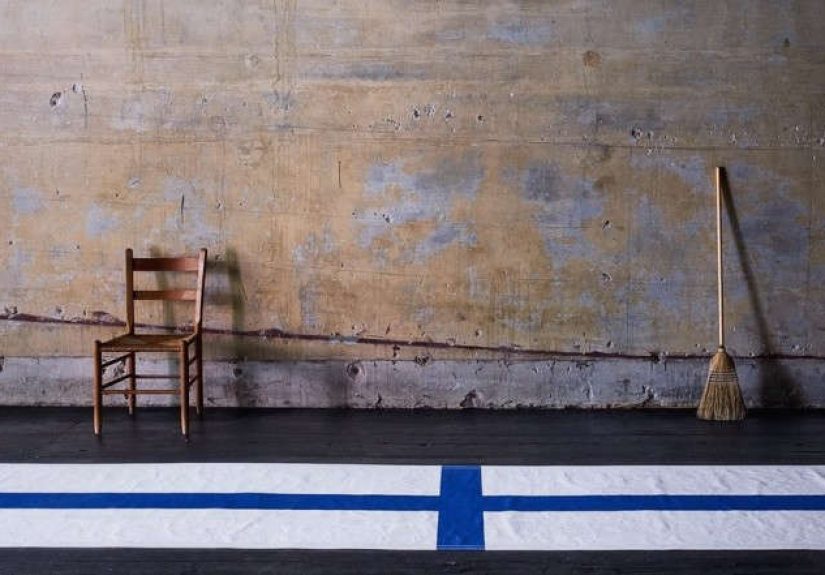
Canvas floor mats and utilitarian goods with personality, like the hand-painted pieces featured from
Black Point Mercantile.
Textiles with real warmth (and real provenance)
-
Wool blankets made on antique looms (yes, you can feel the difference), including standouts like
The Maine Blanket. -
Soft goods and towels made for actual daily usesimple, durable, and the kind of elevated basic that
quietly upgrades your whole linen closet.
Small-batch lifestyle details
-
Botanicals and apothecary-style goods, including herbal and plant-based offerings from shops like
Salt Cellar Shop. -
Candles, stationery, and giftablesthe “I only came to browse” category that somehow becomes the
“I need a bigger tote” category.
Boston-and-beyond favorites
A strong New England Market should feel local without being insular. Alongside Boston-based and Massachusetts makers,
there were artisans from across the regionMaine, the Cape, and beyondbringing a mix of coastal practicality and studio
experimentation.
The vendor roster also had that satisfying “introduced by editors who actually know what they’re doing” vibe. Instead of
a random assortment, the Market mix made sense: objects that could live together in the same home, even if your style is
somewhere between “Scandi calm” and “my dog runs the decor plan.”
More than booths: the Market as a full experience
The New England Market didn’t stop at shopping tables. It leaned into the joy of gathering: book signings, food, and
locally made sips that turned the showroom into something closer to a design festival than a retail event.
Book signings and familiar faces
Part of what made the weekend feel special was the mix of makers and local notables. Remodelista’s Editor-in-Chief
Julie Carlson signed copies of the Remodelista book, and Boston’s own celebrated pastry chef
Joanne Chang (of Flour Bakery fame) was part of the weekend’s book-and-food energybecause design people
also love recipes, and vice versa.
Add in food-world voices like Marie Battista of Eat Boutique, and the Market became a crossover event:
home, craft, and cooking all in one place. In other words: the dream.
Locally made tastes and a festive pulse
A good market has momentum. The New England Market brought in local beverage makers for samplingbecause it’s easier to
fall in love with a handwoven throw when you’re also sipping something seasonal and telling yourself it’s “supporting
local.”
With live elements like music and the general buzz of a community event, the Market felt like a weekend plannot a quick
errand. The admission-friendly vibe helped too: it was meant to be welcoming, not exclusive.
How to shop a design market like a pro (without panic-buying six candles)
A curated market can be dangerous. You walk in thinking you’ll be calm and minimalist about it, and suddenly you’re
texting a friend: “Do I need a third cutting board?” (Answer: probably not. But also… maybe.)
1) Do one “lap” before you buy
Take ten minutes, loop the room, and note what keeps pulling you back. If you’re still thinking about the indigo-glazed
bowl after you’ve seen everything else, that’s not impulsethat’s chemistry.
2) Ask the maker the one question that matters
“How do you want me to use this?” The best artisans will tell you how to care for it, how it ages, and what makes it
worth owning. You’ll leave smarterand more confident about the purchase.
3) Buy the “small forever” item
Not everything has to be a big-ticket showstopper. A beautifully made everyday napkin, a well-thrown mug, a candle that
actually smells like something grown-upthese are the little upgrades that make daily life feel better.
4) Think in sets (even if you don’t buy a set)
Markets are perfect for building a “collected” look: one ceramic bowl today, one hand-printed tea towel next time. Over
time your home becomes layered, not matchy-matchyand nobody has to know you started with “just one thing.”
Why New England was a natural next step
New England has a particular relationship with craft: practical objects, built to last, often shaped by the realities of
weather and history. There’s an appreciation for honest materialswood, wool, clay, canvasand for design that doesn’t
need to shout.
Boston’s South End, specifically, has long been a hub for design-minded shopping, studio culture, and the kind of
walkable neighborhood energy that makes a market feel like part of the citynot a temporary pop-up dropped from the sky.
Hosting inside a South End showroom gave the event a sense of place, not just a postal code.
What the first Market proved (and why these events still matter)
Even years later, the New England Market reads like a case study in what people want from design now: fewer anonymous
purchases, more meaningful objects. The online world is convenient, surebut it rarely gives you context. Markets give
you context. They give you provenance. They give you the maker’s hands, the story, and the reassuring knowledge that your
new blanket didn’t fall off a cargo ship labeled “vaguely cozy.”
They also create community. You’ll overhear someone recommending a ceramic studio. You’ll learn how to care for beeswax
candles. You’ll discover a local artisan you can keep following long after the weekend ends. That’s not just commerce;
that’s culture.
Experience Notes: the Market moments you don’t forget (and how to make the most of them)
Let’s talk about the feel of a weekend like thisbecause the best part of a design market isn’t always what ends
up in your bag. It’s the tiny moments that make you want to come back.
First, there’s the entry moment: you step into a space that’s already beautiful (a showroom helps), and suddenly you’re
seeing everything with fresh eyes. A simple tabletop display makes you rethink your own dining table. A stack of wool
blankets makes you decide your sofa deserves better than that tired old throw you’ve had since college. You’re not just
shoppingyou’re collecting ideas.
Then there’s the maker conversationthe underrated hero of the whole experience. When you can ask, “What glaze is this?”
and get a real answer (not “ceramic, probably”), you start to understand what quality actually looks like. You learn why
one linen feels airy and another feels substantial. You find out which candle is made with beeswax, which one is
vegetable-based, and which one will tunnel if you don’t burn it long enough (yes, candle care is a lifestyle).
The next moment is the “accidental discovery.” Maybe you came for ceramics, but you stop at a botanical table and realize
your windowsill could be a small apothecary. Or you see hand-printed stationery and remember you like writing notes (or
at least you like the idea of writing notes). Markets are good at reconnecting you to the human side of home:
things you touch, use, wrap, share, and pass along.
If you want to get the most out of a market weekend, try this: come once with a “big picture” lens, and once with a
“details” lens. On day one, look for pieces that define a roomtextiles, tabletop staples, foundational objects. On day
two, look for the finishing touchescandles, small tools, gifts, the little items that make your home feel finished.
This two-pass approach helps you avoid panic-buying everything in the first hour like you’re on a game show.
Finally, don’t underestimate the joy of leaving with something small but specificsomething that will trigger the memory
of the day every time you use it. A mug you reach for every morning. A napkin you use when friends come over. A bowl that
becomes the default “best bowl” in your kitchen. These are the objects that quietly upgrade your daily routine, and they
do it without asking for a spotlight.
That’s the magic of a Remodelista-style market: it’s equal parts inspiration and practicality, equal parts community and
craft. And if you happen to leave with an extra tote bag because you “weren’t planning to buy much,” congratulations
you participated correctly.