Table of Contents >> Show >> Hide
Arrhythmia, or irregular heartbeat, is a condition that affects millions of people worldwide. It occurs when the electrical impulses that regulate heartbeats malfunction, leading to abnormal rhythms. The treatment for arrhythmia can vary based on the severity of the condition, the type of arrhythmia, and the overall health of the individual. This article will explore the various treatment options available for arrhythmia, focusing on medications, procedures, and medical devices that can help manage or correct this condition.
Understanding Arrhythmia
Arrhythmias come in many forms, ranging from benign conditions that don’t cause symptoms to more serious types that may lead to strokes or heart failure. Some common types of arrhythmias include atrial fibrillation (AFib), ventricular tachycardia, and bradycardia. It is essential to determine the cause of the arrhythmia to tailor the treatment plan effectively. In most cases, treatment aims to restore a normal heart rhythm, prevent complications, and alleviate symptoms such as dizziness, shortness of breath, and fatigue.
Medications for Arrhythmia
Medications are often the first line of treatment for arrhythmias. They work by regulating the electrical activity of the heart, controlling the heart rate, or preventing clot formation in cases like AFib. The specific medication prescribed will depend on the type and severity of the arrhythmia.
Antiarrhythmic Drugs
Antiarrhythmic medications are used to restore normal heart rhythms and prevent further arrhythmias. They can be divided into several classes, each acting in a slightly different way:
- Class I (Sodium channel blockers): These drugs work by slowing the electrical impulses in the heart. Examples include flecainide and procainamide.
- Class II (Beta-blockers): These medications reduce heart rate and blood pressure by blocking the effects of adrenaline. Common beta-blockers include metoprolol and atenolol.
- Class III (Potassium channel blockers): These drugs help to stabilize the heart’s electrical activity. Amiodarone is one of the most commonly used drugs in this class.
- Class IV (Calcium channel blockers): These reduce the strength of the heart’s contractions and slow the heart rate. Diltiazem and verapamil are examples.
Anticoagulants (Blood Thinners)
In cases like atrial fibrillation, anticoagulants (blood thinners) may be prescribed to reduce the risk of stroke. These medications work by preventing blood clots from forming, which can lead to strokes or other complications. Warfarin, dabigatran, and rivaroxaban are commonly used anticoagulants for arrhythmia patients.
Other Medications
In addition to antiarrhythmic and anticoagulant medications, some patients may also be prescribed medications to manage the symptoms or underlying causes of arrhythmia. For example, diuretics may be prescribed to reduce fluid buildup, or medications to manage high blood pressure may be needed to reduce the strain on the heart.
Procedures to Treat Arrhythmia
For some people, medications alone may not be enough to control arrhythmia. In these cases, medical procedures may be recommended to restore a normal heart rhythm or address the underlying cause of the arrhythmia.
Cardioversion
Cardioversion is a procedure used to reset the heart’s rhythm back to normal. It can be performed using electrical shocks (electrical cardioversion) or with medications (pharmacologic cardioversion). Electrical cardioversion is typically used for arrhythmias like atrial fibrillation or atrial flutter, while pharmacologic cardioversion involves administering medications that help the heart revert to a normal rhythm.
Ablation Therapy
Catheter ablation is a minimally invasive procedure used to destroy small areas of heart tissue that are causing abnormal electrical signals. This procedure is commonly used for treating arrhythmias like atrial fibrillation, atrial flutter, and certain types of tachycardia. During ablation, a catheter is threaded through a blood vessel to the heart, where radiofrequency energy or cryotherapy is used to remove the problem tissue.
Pacemaker Implantation
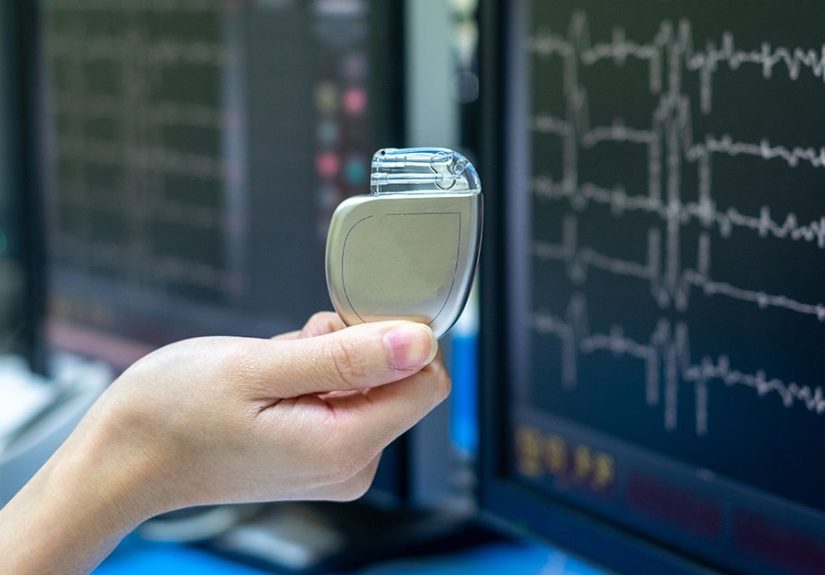
For people with arrhythmias that cause a slow heart rate (bradycardia), a pacemaker may be implanted. A pacemaker is a small device that is placed under the skin in the chest and connected to the heart with wires. It sends electrical signals to the heart to help maintain a normal rhythm. Pacemakers are commonly used in people with heart block or those who have a weak heart that cannot maintain a normal rhythm.
Implantable Cardioverter Defibrillator (ICD)
For those at risk of life-threatening arrhythmias like ventricular fibrillation, an implantable cardioverter defibrillator (ICD) may be used. An ICD is a device that continuously monitors the heart’s rhythm and can deliver shocks to the heart if it detects a dangerous arrhythmia. This device is typically implanted in people with a history of sudden cardiac arrest or certain types of heart failure.
Devices to Help Manage Arrhythmia
In addition to pacemakers and ICDs, there are other devices that may help manage arrhythmia and improve quality of life for patients.
External Defibrillators
In emergency situations, external defibrillators can be used to restore a normal heart rhythm. Automated external defibrillators (AEDs) are often found in public places and can be used by anyone to administer a shock to the heart if a person goes into sudden cardiac arrest.
Wearable Devices
For individuals who experience occasional arrhythmias or need continuous monitoring, wearable devices may be recommended. These devices can track heart rate and rhythm and alert the user if irregularities are detected. Some wearable devices even send data to healthcare providers, allowing for better monitoring and timely intervention.
Managing Arrhythmia with Lifestyle Changes
While medical treatments and devices play a crucial role in managing arrhythmia, lifestyle changes are also essential for long-term heart health. These changes can help reduce the frequency and severity of arrhythmias and improve overall cardiovascular health.
- Dietary Changes: A heart-healthy diet rich in fruits, vegetables, whole grains, and lean proteins can help prevent arrhythmias and support heart function.
- Regular Exercise: Engaging in regular physical activity, such as walking, swimming, or cycling, can help keep the heart healthy and improve circulation.
- Stress Management: Chronic stress can contribute to arrhythmias. Practices like yoga, meditation, and deep-breathing exercises can help manage stress.
- Avoiding Stimulants: Limiting caffeine, alcohol, and other stimulants can reduce the risk of arrhythmias.
- Quitting Smoking: Smoking is a major risk factor for heart disease and can worsen arrhythmias, so quitting is a critical step in treatment.
Conclusion
Arrhythmia treatment is highly individualized and depends on the type and severity of the condition. Medications, procedures like cardioversion and ablation, and devices such as pacemakers and ICDs are all effective tools in managing arrhythmia and preventing complications. Additionally, lifestyle changes play a vital role in reducing the risk of arrhythmia and improving heart health in the long term. If you have been diagnosed with arrhythmia, it is essential to work closely with your healthcare team to find the treatment plan that is right for you.
Additional Experiences in Arrhythmia Treatment
In my years of working with patients diagnosed with arrhythmias, one of the most common experiences shared is the challenge of managing symptoms. Patients often report that they feel frustrated by the unpredictability of their condition, especially when it affects their daily activities. However, many have shared success stories about how effective medications like beta-blockers and antiarrhythmic drugs have been in stabilizing their heart rate. For others, undergoing a procedure such as catheter ablation has been a turning point, leading to a significant reduction in episodes of arrhythmia.
On the other hand, pacemaker implantation has also proved to be a game-changer for patients with bradycardia. These individuals often experience an improvement in quality of life, as they no longer struggle with fatigue or dizziness that often accompanies slow heart rates. In addition, the decision to undergo lifestyle changes, such as regular exercise and dietary improvements, has helped many feel empowered in their journey to better heart health.
In summary, the treatment options for arrhythmia are vast, and each person’s path to managing the condition is unique. With the right combination of medications, procedures, and lifestyle changes, individuals can regain control over their health and lead active, fulfilling lives.