Table of Contents >> Show >> Hide
- What the “Small Adelaide” bowl actually is (and why it feels different)
- The design: Adelaide’s “bubble” charm, without trying too hard
- How it’s made: black terracotta + milky glaze + deliberate imperfection
- Size talk: why “small” is still a big deal
- Styling ideas: three table looks that work with the Adelaide bowl
- Care and keeping it beautiful (without turning into a dishwashing scientist)
- Buying in the U.S.: what to look for (and what to ignore)
- Who this bowl is for
- Pairing ideas: building a mini Adelaide moment
- Is it “worth it?” A practical take
- Real-life experiences with the Astier de Villatte Small Adelaide Salad Bowl (an extra 500-ish words)
Some bowls are just… bowls. They hold lettuce, they get washed, they retire quietly to the back of the cabinet like an extra T-shirt you swear you’ll wear “someday.” And then there’s the Astier de Villatte Small Adelaide Salad Bowl a bowl that shows up to dinner like it has a tiny passport, a résumé in cursive, and opinions about candlelight.
If you’ve ever wondered why a “small salad bowl” can inspire the kind of devotion usually reserved for dogs and vintage jeans, you’re in the right place. We’re going to talk about what it is, how it’s made, why it looks delightfully imperfect on purpose, how to use it without turning your kitchen into a museum, and what to look for when you’re buying one in the U.S.
What the “Small Adelaide” bowl actually is (and why it feels different)
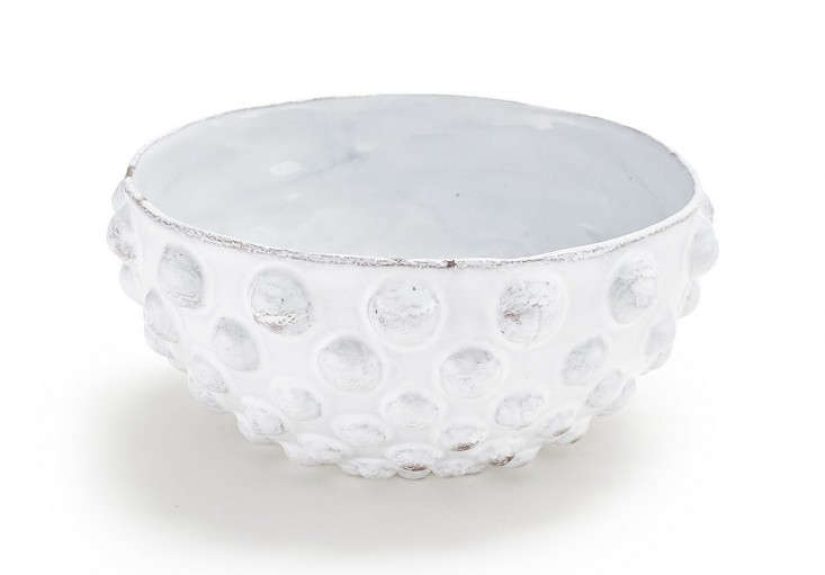
The Small Adelaide Salad Bowl sits in Astier de Villatte’s Adélaïde (often written “Adelaide”) tableware familya line known for its whimsical raised-dot/beaded detailing and that signature milky-white glaze over darker clay. At a glance it reads “classic white bowl.” Up close, it reads “classic white bowl that went to Paris and came back with stories.”
Here’s the short version of the bowl’s personality:
- Handmade in Paris (not mass-produced, not copy-pasted, not factory-perfect).
- Black terracotta clay underneath a white enameled glaze, so the piece has depth and contrast.
- Textured detailsraised dots, soft curves, and subtle irregularities that make it feel alive.
- Marked authenticityAstier pieces are typically stamped with the brand monogram and the maker’s initials.
The design: Adelaide’s “bubble” charm, without trying too hard
The Adelaide look is playful in a quiet way. The rim and surface details often resemble tiny beads or bubbleslike jewelry for your salad. It’s decorative, yes, but it’s also practical: the texture helps the bowl feel less slippery in the hands, and it makes even a simple Wednesday-night salad look like it has a plus-one.
What you’ll notice first
- Raised dots/beading that frame the piece (think: a necklace around whatever you serve).
- A milky glaze that isn’t stark “printer paper” white; it’s softer and a little cloudy in the best way.
- Handmade variationtiny differences in edge, glaze pooling, and texture that prove a human made it.
How it’s made: black terracotta + milky glaze + deliberate imperfection
Astier de Villatte is famous for a process that treats ceramics less like “product” and more like “craft.” The brand’s story begins in Paris in the 1990s, and their ceramics are still produced in a Paris workshop using traditional methodsshaping, stamping, and firing in a way that keeps the hand of the maker visible.
The material combo that gives it that signature look
Adelaide pieces are commonly described as being made from black terracotta clay and finished with a white enameled glaze. That contrast matters: it’s why edges can show a whisper of darker clay, and why the glaze looks rich rather than flat.
The stamp (your tiny authenticity receipt)
Many authentic Astier de Villatte ceramics are stamped with the brand’s monogram and include the initials of the artisan who made the piece. It’s like the opposite of mass production: a small, quiet reminder that someone’s hands did the work.
Size talk: why “small” is still a big deal
“Small salad bowl” can mean different things depending on the retailer’s naming. You’ll see measurements listed in a couple of wayssome listings land around the 6–6.5 inch range in width, while the brand’s own “Small Adélaïde Salad Bowl” listing is larger in millimeters. Two things can be true at once: Astier has multiple bowl sizes in the Adelaide family, and handmade pieces can vary slightly.
Instead of obsessing over a fraction of an inch (save that energy for assembling furniture), focus on what the “small” bowl does best: it’s a personal-to-two-person serving hero.
Perfect uses that make the bowl earn its keep
- Salads for one or two: arugula + shaved parmesan + lemon, or a chopped salad that won’t fly out when you toss it.
- Side dishes: roasted carrots, green beans, herby potatoesanything that deserves a “pretty bowl moment.”
- Fruit and pastries: lemons, clementines, croissantssuddenly your counter looks curated.
- Snack serving: popcorn, chips, olives, mixed nutsbecause snacks deserve nice things, too.
- Cold treats: berries and whipped cream, ice cream for two, or that “just one scoop” that becomes three.
Styling ideas: three table looks that work with the Adelaide bowl
1) The “quiet luxury” white-on-white table
Pair the Adelaide bowl with simple white linen napkins, clear glassware, and a few other textured white pieces. The raised dots do the talking. Keep the food colorfulthink blood orange salad, roasted beets, or a green herb pile that looks like it has a personal trainer.
2) Rustic-chic (aka “my kitchen has a farmers market membership”)
Adelaide loves natural textures: wood boards, woven placemats, stoneware mugs. Put a big serving spoon in the bowl and use it for a warm grain saladfarro, roasted squash, toasted pepitasthen act surprised when people ask where you got it.
3) Maximalist mix-and-match
Here’s the fun part: Adelaide isn’t fragile-looking in a “don’t touch” way. It plays well with patterned plates, colorful glass, and even mismatched vintage cutlery. The bowl’s milky glaze acts like a neutral anchoryour table can be loud, and the bowl stays calm.
Care and keeping it beautiful (without turning into a dishwashing scientist)
The big care principles are simple: be gentle, avoid extreme heat changes, and don’t treat it like a piece of camping gear. Many retailers advise avoiding microwaves and ovens for these glazed terracotta pieces.
Dishwasher: yes, but be smart about it
- Moderate wash is your friend (some guidance suggests moderate temperatures and gentler cycles).
- Phosphate-free detergent/tablets are often recommended to help protect the glaze over time.
- Skip harsh scrubbers; if something sticks, soak and use a soft sponge.
Handwashing: the “I love you, bowl” option
If you want maximum longevity, handwashing is the conservative moveespecially if your dishwasher runs hotter than the surface of the sun. Dry it thoroughly, and store it so the rim isn’t grinding against heavier pieces.
Buying in the U.S.: what to look for (and what to ignore)
Astier de Villatte has a loyal following, so it also has a healthy ecosystem of listings across luxury retailers and design shops. Buying from established retailers can reduce the “Is this real?” anxiety and usually gives you clearer care guidance.
How to recognize an authentic piece
- Look at the base: the Astier monogram stamp and the artisan initials are a common hallmark.
- Expect variation: tiny differences in shape and glaze are normaland a good sign.
- Feel the finish: the glaze should look milky and layered, not plasticky or perfectly uniform.
- Don’t chase “flawless”: with Astier, “perfect” often means “probably not the point.”
Price reality (because we’re adults here)
In the U.S. market, Adelaide bowls are typically positioned as luxury tabletop pieces. Prices vary by retailer, size labeling, and availability. If you see a price that looks too good to be true, it might be a different size, a resale listing, or… a plot twist.
Who this bowl is for
The collector
If you love building a tableware “wardrobe,” Adelaide is satisfying because the line includes multiple coordinating shapesbowls, plates, serving piecesso you can expand slowly and still feel cohesive.
The daily-user who still wants nice things
If you actually plan to use the bowl (good!), the small Adelaide size makes it practical. It’s not a giant “special occasion only” piece. It’s a “Tuesday night salad, but make it cute” piece.
The gift-giver with excellent taste
Housewarming? Wedding? “I survived moving apartments” present? A small Adelaide bowl is giftable because it works alone or as part of a set. Add a pair of wooden salad servers or a linen napkin bundle and you’re basically the hero of the registry.
Pairing ideas: building a mini Adelaide moment
If you want the bowl to look like it belongs (instead of looking like it wandered in from a photoshoot), pair it with one or two pieces that echo its texturelike an Adelaide plate, a deep platter, or a tiered serving stand. The trick is restraint: one textured “family” on the table is charming; five can start to look like the bowl is wearing a polka-dot suit.
Is it “worth it?” A practical take
“Worth it” depends on whether you value handcraft, story, and that intangible feeling of eating from something that doesn’t look factory-born. Functionally, a bowl is a bowl. Emotionally, an Astier bowl is a bowl that makes a simple meal feel intentional.
If you love the idea of objects that get better in your life because you use themobjects that don’t need to be perfect to be special the Small Adelaide Salad Bowl is exactly that kind of purchase.
Real-life experiences with the Astier de Villatte Small Adelaide Salad Bowl (an extra 500-ish words)
People who bring an Adelaide bowl home usually have the same first reaction: a strange urge to set it on the counter and stare at it like it’s art. The glaze catches light differently than most white ceramicsless “shiny dinner set,” more “moonlight on milk.” And the little raised dots? They’re the kind of detail you notice while you’re waiting for water to boil, which is an oddly pleasant upgrade to everyday life.
Unboxing tends to feel ceremonial, even if the “ceremony” is you in sweatpants with a box cutter. The bowl often arrives with that unmistakable handmade vibe: the rim isn’t machine-perfect, and the surface texture looks like a human being had a say in the final outcome (because one did). A lot of owners mention that the piece feels both light and substantialnot clunky, not flimsyjust… confident.
In actual daily use, the bowl quickly becomes a “default choice” for anything that benefits from a little presentation. A chopped salad looks more generous in it, because the sides frame ingredients like a stage. A pile of citrus suddenly looks like you styled it on purpose. Even humble snacks pretzels, crackers, popcornfeel more like “hosting” and less like “I am eating over the sink.”
The Adelaide bowl also has a funny way of getting compliments from people who don’t normally compliment bowls. Someone will pick it up, run a thumb over the dotted edge, and say, “Waitwhat is this?” That’s usually the moment you realize: you didn’t just buy a serving piece, you bought a conversation starter. (A quiet one. It’s still a bowl. But it has range.)
Care-wise, most owners settle into a routine. Some handwash it every time, the way you’d treat a favorite mug. Others use the dishwasher but keep it on a gentler cycle and avoid letting heavier items clank against it. Either way, the bowl tends to hold up well when treated respectfullyno thermal shock, no microwaving, no “let’s see what happens if I scrub it with steel wool” experiments.
The longer you own it, the more it blends into your life in the best way. It’s not precious like something you’re afraid to touch; it’s precious like something you reach for because it makes everyday moments nicer. That’s the real experience people describe: the Adelaide bowl doesn’t change dinner. It changes the feeling of dinner. And honestly? That’s a pretty impressive job description for a salad bowl.