Table of Contents >> Show >> Hide
- What Is a Bartholin Cyst?
- Can a Bartholin Cyst Be Treated at Home?
- Best Bartholin Cyst Home Treatments
- What Not to Do at Home
- How Long Does a Bartholin Cyst Take to Heal at Home?
- When to See a Doctor for a Bartholin Cyst
- Medical Treatment Options If Home Care Does Not Work
- Can Bartholin Cysts Come Back?
- Prevention Tips That May Help
- Bartholin Cyst Home Treatment: Practical Daily Plan
- Common Questions About Bartholin Cyst Home Treatment
- Real-Life Experiences and Practical Lessons About Bartholin Cyst Home Treatment
- Conclusion
A Bartholin cyst is one of those health issues that can feel tiny in theory and absolutely impossible to ignore in real life. It usually shows up as a lump near one side of the vaginal opening, and while many Bartholin cysts are harmless, the discomfort can make sitting, walking, exercising, or simply existing in jeans feel like a very unfair group project.
The good news: many small Bartholin cysts can improve with gentle home care, especially warm sitz baths, good hygiene, loose clothing, and pain relief when needed. The important catch: “home treatment” does not mean squeezing, poking, popping, or turning your bathroom into a do-it-yourself medical clinic. A Bartholin cyst may sometimes become infected and form an abscess, which can be very painful and may need medical drainage or antibiotics.
This guide explains Bartholin cyst home treatment in a practical, calm, and easy-to-follow way. You will learn what a Bartholin cyst is, what you can safely do at home, what to avoid, when to call a healthcare provider, and how to support healing without making the situation more dramatic than it already is.
What Is a Bartholin Cyst?
The Bartholin glands are two small glands located near the vaginal opening. Their job is to release fluid that helps with natural lubrication. When the duct, or tiny opening, of one gland becomes blocked, fluid can collect and form a cyst. This is called a Bartholin cyst or Bartholin gland cyst.
A small, noninfected Bartholin cyst may not cause any symptoms. Some people only discover it while bathing, wiping, or during a pelvic exam. Others notice a soft lump on one side of the vulva. If it grows larger, it may cause pressure, tenderness, discomfort while walking, or pain when sitting.
If bacteria enter the blocked gland, the cyst can become infected and turn into a Bartholin abscess. An abscess is usually more painful, swollen, warm, and tender than a simple cyst. It may develop quickly, sometimes over a few days. That is when home care may not be enough.
Can a Bartholin Cyst Be Treated at Home?
Sometimes, yes. Small Bartholin cysts that are not severely painful, not rapidly growing, and not accompanied by fever may improve with home treatment. The most commonly recommended home approach is warm-water soaking, also known as a sitz bath.
Home treatment works best when the goal is gentle support. Warm water can help ease discomfort, keep the area clean, and encourage natural drainage. Think of it less like “forcing the cyst to go away” and more like giving the body a calm little spa appointment while it handles business behind the scenes.
However, home care has limits. If the lump becomes very painful, does not improve after a few days of self-care, comes with fever, drains foul-smelling fluid, or keeps coming back, a healthcare provider should evaluate it. Also, anyone over 40 with a new lump near the vaginal opening should seek medical care promptly because rare but more serious conditions need to be ruled out.
Best Bartholin Cyst Home Treatments
1. Take Warm Sitz Baths
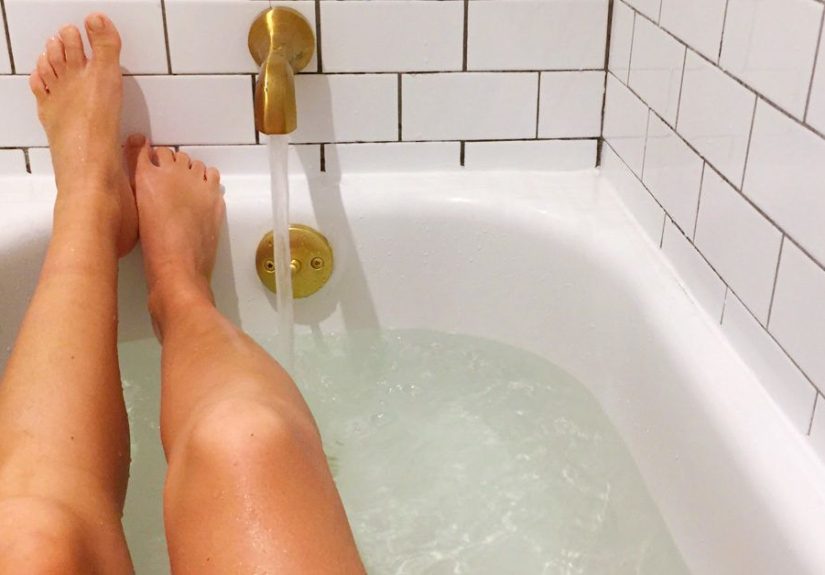
A sitz bath is the star of Bartholin cyst home treatment. It involves soaking the vulvar area in warm water for about 10 to 15 minutes at a time. Many medical resources recommend doing this several times a day for a few days, especially when the cyst is small or mildly tender.
You can use a bathtub filled with a few inches of warm water or a sitz bath basin that fits over the toilet. The water should feel warm and soothing, not hot enough to irritate the skin. No hero points are awarded for using water that feels like lava.
After soaking, gently pat the area dry with a clean towel. Avoid rubbing. Rubbing irritated skin is like arguing with a smoke alarm; it only makes everything louder.
2. Use Warm Compresses When a Bath Is Not Convenient
If you cannot take several sitz baths a day, a warm compress may help with comfort. Soak a clean washcloth in warm water, wring it out, and place it gently against the area for several minutes. Repeat as needed with a fresh, clean cloth.
A warm compress is not a magic wand, but it can reduce tenderness and encourage relaxation of the surrounding tissue. It is especially useful when you are short on time or do not have access to a bathtub.
3. Keep the Area Clean and Dry
Good hygiene supports healing, but this does not mean aggressive scrubbing. Wash the area gently with mild soap and water during regular bathing, then pat dry. Avoid scented washes, perfumes, deodorant sprays, harsh cleansers, and anything marketed as making the vulva smell like a tropical smoothie. The vulva is not a candle aisle.
Choose breathable cotton underwear and change out of sweaty workout clothes or wet swimsuits as soon as possible. Moisture and friction can make irritation worse.
4. Wear Loose, Comfortable Clothing
Tight jeans, snug leggings, and synthetic underwear can rub against the cyst and increase discomfort. While healing, choose loose pants, soft fabrics, and breathable underwear. This is the moment to let comfort win. Your body is already negotiating with a swollen gland; it does not need denim drama.
5. Consider Over-the-Counter Pain Relief
For mild discomfort, some people use over-the-counter pain relievers such as acetaminophen or ibuprofen. Follow the label directions carefully, and avoid taking any medication that is unsafe for you because of allergies, medical conditions, or other medicines you use. When in doubt, ask a pharmacist or healthcare provider.
Pain relief does not treat the cyst itself, but it can make daily life more manageable while warm soaks and time do their work.
6. Rest and Reduce Friction
If walking, biking, running, or certain activities make the pain worse, take a temporary break. Resting the area can reduce irritation. You do not have to become a couch statue, but choosing low-friction activities for a few days can help.
What Not to Do at Home
Do Not Pop or Squeeze the Cyst
Trying to pop a Bartholin cyst at home is one of the biggest mistakes people make. Squeezing can push bacteria deeper, worsen swelling, increase pain, and raise the risk of infection. It can also cause skin injury. A cyst is not a pimple, and your bathroom mirror is not an operating room.
Do Not Use Needles or Sharp Tools
Never puncture a Bartholin cyst yourself. Medical drainage, when needed, should be done by a trained healthcare professional using sterile tools and proper pain control. Home puncturing can lead to bleeding, infection, scarring, or incomplete drainage.
Do Not Apply Harsh Chemicals or “Detox” Products
Avoid applying tea tree oil, alcohol, hydrogen peroxide, toothpaste, baking soda paste, or other harsh substances directly to the vulvar area. These can burn or irritate delicate tissue. Natural does not always mean gentle, and “tingly” is not always a sign that something is working.
Do Not Ignore Severe Symptoms
If pain is intense, the lump grows quickly, fever appears, or the area becomes very red and hot, do not keep waiting at home. These can be signs of an abscess or spreading infection.
How Long Does a Bartholin Cyst Take to Heal at Home?
A small Bartholin cyst may improve over several days with sitz baths and gentle care. Some cysts drain naturally; others shrink gradually. If it is not painful and not infected, a small cyst may remain without needing treatment.
If symptoms do not improve after two or three days of home care, or if the pain worsens, it is smart to contact a healthcare provider. Waiting too long with a painful abscess can make the experience more difficult and may delay the treatment that would actually help.
When to See a Doctor for a Bartholin Cyst
Home treatment is useful, but medical care is sometimes necessary. Call a healthcare provider if you notice any of the following:
- Severe pain near the vaginal opening
- A lump that does not improve after a few days of sitz baths
- Fever or chills
- Rapid swelling or increasing redness
- Pus-like drainage or a bad odor
- Pain that makes walking, sitting, or daily activities difficult
- Repeated Bartholin cysts
- A new lump near the vaginal opening after age 40
A provider may perform a pelvic exam, check for infection, test for sexually transmitted infections when appropriate, or recommend drainage. For recurrent cysts, procedures such as Word catheter placement or marsupialization may be discussed. These treatments sound dramatic, but they are common medical options designed to help the gland drain properly and reduce recurrence.
Medical Treatment Options If Home Care Does Not Work
If the cyst becomes an abscess or keeps returning, a healthcare provider may recommend treatment beyond home care. Options can include draining the cyst, placing a small catheter to keep the duct open while it heals, prescribing antibiotics if there is cellulitis or a confirmed infection, or performing a procedure called marsupialization for recurring cysts.
Antibiotics are not always needed for every Bartholin cyst. They are more likely when there are signs of spreading infection, certain STI-related concerns, or other risk factors. This is why self-diagnosing can be tricky. Two lumps may look similar in a search result, but in real life they can need very different care.
Can Bartholin Cysts Come Back?
Yes, Bartholin cysts can recur. A cyst may return if the duct becomes blocked again or if drainage is incomplete. Some people experience one cyst and never deal with it again. Others have repeated episodes that require medical evaluation.
If you keep getting Bartholin cysts, do not blame yourself. Recurrence is not proof that you are unhygienic or doing something wrong. It may simply mean the duct is prone to blockage. A gynecologist can help identify the best prevention and treatment plan.
Prevention Tips That May Help
There is no guaranteed way to prevent every Bartholin cyst, but a few habits may reduce irritation and support vulvar health:
- Wear breathable cotton underwear.
- Avoid scented soaps, sprays, and harsh intimate products.
- Change out of damp clothing promptly.
- Use gentle hygiene instead of scrubbing.
- Practice safer sex to lower the risk of infections that may contribute to abscesses.
- See a healthcare provider for unusual lumps, recurring cysts, or symptoms of infection.
Prevention is mostly about keeping the area calm, clean, and free from unnecessary irritation. Your vulva generally prefers a low-maintenance lifestyle.
Bartholin Cyst Home Treatment: Practical Daily Plan
Here is a simple routine for a mild Bartholin cyst that is not severely painful and has no fever or concerning symptoms:
Morning
Take a warm sitz bath for 10 to 15 minutes. Pat dry gently. Put on clean cotton underwear and loose clothing. If needed, use an over-the-counter pain reliever according to the label.
Afternoon
Repeat a sitz bath or use a warm compress. Avoid activities that cause rubbing or pressure. Drink water, rest when possible, and resist the urge to check the lump every five minutes. Constant poking can irritate the area.
Evening
Take another warm soak. Keep the area dry before bed. Sleep in loose clothing or breathable underwear. Monitor symptoms, but do not panic over every tiny sensation.
If the cyst starts draining naturally, keep the area clean and continue gentle warm soaks. Do not squeeze it to “finish the job.” If drainage is heavy, foul-smelling, bloody, or paired with fever or worsening pain, call a healthcare provider.
Common Questions About Bartholin Cyst Home Treatment
Can a Bartholin cyst go away by itself?
Yes, a small Bartholin cyst may go away on its own, especially if it is not infected. Warm sitz baths can help relieve discomfort and may encourage natural drainage.
Is a Bartholin cyst dangerous?
Most Bartholin cysts are not dangerous. The main concern is infection, which can lead to a painful abscess. A new lump after age 40 should be checked by a healthcare provider to rule out rare but serious causes.
Can I drain a Bartholin cyst at home?
No. You should not cut, puncture, squeeze, or pop a Bartholin cyst at home. If drainage is needed, it should be done by a medical professional.
What is the fastest home remedy for a Bartholin cyst?
The most recommended home treatment is warm sitz baths several times daily. There is no safe instant fix. The goal is to reduce discomfort and support natural drainage without causing injury.
Should I use antibiotics at home?
Only use antibiotics if they are prescribed by a healthcare provider. Not every Bartholin cyst requires antibiotics, and using the wrong medication can cause side effects and contribute to antibiotic resistance.
Real-Life Experiences and Practical Lessons About Bartholin Cyst Home Treatment
People who deal with Bartholin cysts often describe the experience with the same emotional arc: confusion, discomfort, frantic searching, and then relief when they understand what is happening. The first lesson many learn is that the lump can feel much scarier before you know its name. Once you understand that a Bartholin cyst is commonly related to a blocked gland, the panic usually drops a few levels.
One common experience is noticing discomfort while sitting. A person may think they pulled a muscle, wore the wrong underwear, or somehow angered a chair. Then they feel a lump on one side and immediately imagine the worst. In many mild cases, warm sitz baths, loose clothing, and a few days of patience help the area feel better. The emotional relief can be just as important as the physical relief.
Another practical lesson is that consistency matters. Taking one sitz bath and expecting instant results can lead to frustration. Warm soaks often work best when repeated several times a day for a few days. It helps to make the routine realistic: one soak in the morning, one after work or school, and one before bed. Adding calm music or a podcast can make the process feel less like medical homework and more like forced relaxation.
Many people also learn the hard way that tight clothing can make symptoms worse. A cyst that feels mildly annoying in loose pajamas may feel like a tiny villain in skinny jeans. During home treatment, comfort clothing is not laziness; it is strategy. Soft underwear, loose pants, and fewer friction-heavy activities can make a noticeable difference.
A major shared experience is the temptation to squeeze the cyst. The internet can make this temptation worse because it is full of dramatic “quick fix” ideas. But people who try to force drainage often end up with more pain, irritation, or infection worries. The safer lesson is boring but true: let warm water help, keep your hands away, and let a clinician handle anything that needs opening.
Some people feel embarrassed about calling a doctor for a lump in such a private area. That embarrassment is understandable, but healthcare providers see these concerns all the time. For them, a Bartholin cyst is not shocking or weird; it is a routine medical issue. If pain is severe, symptoms worsen, or the cyst keeps returning, getting care is not overreacting. It is simply choosing the right tool for the job.
Another experience worth mentioning is recurrence. A person may treat one cyst successfully at home and then feel defeated when another appears months later. Recurrence can happen, and it does not mean the person failed. It may mean the gland duct blocks easily or needs a medical procedure to prevent repeated swelling. Keeping notes about timing, symptoms, pain level, and what helped can make a future appointment more productive.
Finally, many people discover that the best home treatment is a mix of patience and boundaries. Patience means giving gentle care a few days to work when symptoms are mild. Boundaries mean knowing when to stop waiting and call a provider. A Bartholin cyst may be common, but your comfort matters. You do not have to “tough it out” through severe pain just because the condition is usually benign.
Conclusion
Bartholin cyst home treatment can be simple and effective when the cyst is small, mild, and not showing signs of serious infection. Warm sitz baths, gentle hygiene, loose clothing, warm compresses, and appropriate pain relief are the safest at-home tools. The most important rule is to avoid squeezing, popping, cutting, or applying harsh products to the cyst.
If symptoms do not improve after a few days, pain becomes severe, fever appears, the lump grows quickly, or cysts keep coming back, contact a healthcare provider. Home care is helpful, but it should never replace medical treatment when warning signs are present.
A Bartholin cyst can be uncomfortable, awkward, and deeply annoying, but it is usually manageable. Treat the area gently, listen to your body, and get medical help when the situation moves beyond mild home care. Your body does not need panic; it needs practical support and, sometimes, a professional backup team.
Note: This article is for educational purposes only and should not replace medical advice, diagnosis, or treatment from a qualified healthcare provider. Anyone with severe pain, fever, worsening swelling, recurrent cysts, or a new vulvar lump after age 40 should seek medical care promptly.