Table of Contents >> Show >> Hide
- Why a Cardboard Batmobile Works So Well
- The Eco-Friendly Power of Recycled Cardboard Art
- Designing the Batmobile: Start With the Silhouette
- Materials That Make the Project Shine
- Building the Body: From Box to Bat Machine
- Making Wheels That Look Strong
- Details That Bring the Batmobile to Life
- Why This Project Is Great for Kids, Families, and Classrooms
- Common Mistakes and How to Avoid Them
- Creative Variations for a Recycled Cardboard Batmobile
- The Artistic Value of Cardboard
- Experiences From Building a Batmobile in Recycled Cardboard
- Conclusion: A Cardboard Hero With Four Wheels
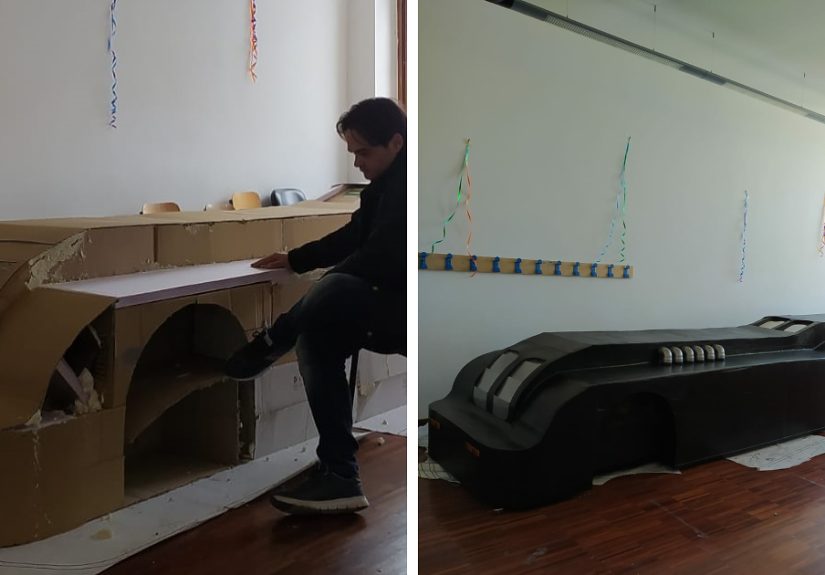
Somewhere between a shipping box, a superhero movie marathon, and the kind of weekend ambition that makes your dining table nervous, the idea appears: what if a Batmobile could be made from recycled cardboard? Not a billion-dollar armored vehicle, obviously. We are not applying for a parking permit in Gotham. We are talking about a handmade cardboard Batmobile: bold, dramatic, eco-friendly, and just theatrical enough to make an ordinary pile of boxes look like it has been secretly training in a cave.
A recycled cardboard Batmobile is more than a craft project. It is a tiny rebellion against disposable culture. It turns packaging into pop culture, waste into wheels, and leftovers into something that looks ready to roll through a miniature city at midnight. Whether it is built as a toy-scale model, a display piece, a classroom project, a party decoration, or a family weekend challenge, the concept blends creativity, sustainability, engineering, and fan art into one gloriously boxy masterpiece.
The best part? Cardboard is humble. It does not brag. It arrives carrying cereal, shoes, deliveries, appliances, and mysterious things ordered at 1:00 a.m. Then, with a little imagination, it becomes fins, armor panels, turbine shapes, cockpit curves, tire arches, and that instantly recognizable silhouette that says, “Yes, I fight crime, but I also used to be a blender box.”
Why a Cardboard Batmobile Works So Well
The Batmobile has always been one of the most famous fictional vehicles in American pop culture. Across comics, television, films, toys, museum displays, and fan builds, it has changed shape many times: sleek roadster, jet-inspired cruiser, military-style tumbler, muscle-car beast, and futuristic fantasy machine. That design flexibility makes it perfect for recycled cardboard art. There is no single “correct” cardboard Batmobile. There are many possible versions, and every one of them can look wonderfully dramatic if the maker captures the attitude.
A good Batmobile does not simply look like a car. It looks like a car with secrets. It needs a low profile, bold wheels, a powerful front end, a dark color scheme, and enough sharp geometry to suggest it could vanish into an alley before anyone says, “Was that made out of pizza boxes?” Cardboard naturally lends itself to angles, layers, panels, and exaggerated shapes, which are exactly the visual ingredients that make a Batmobile feel exciting.
Corrugated cardboard is especially useful because it has built-in strength. Its fluted middle layer gives it stiffness without making it too heavy. That means a maker can cut, fold, stack, slot, layer, and glue pieces into a surprisingly durable form. For a vehicle sculpture, that matters. Thin paper may flop. Foam may crumble. Plastic may require specialized tools. Cardboard sits in the sweet spot: sturdy enough to sculpt, soft enough to shape, and cheap enough that a mistake does not require a dramatic soundtrack.
The Eco-Friendly Power of Recycled Cardboard Art
Recycled cardboard crafts have become popular for a reason. In the United States, paper and paperboard are among the most commonly recycled materials, and cardboard recovery remains a major part of the recycling stream. But recycling is not the only option. Upcycling gives cardboard a second life before it ever reaches the bin. Instead of flattening a box immediately, a maker can transform it into something playful, educational, and surprisingly beautiful.
A cardboard Batmobile fits perfectly into the upcycling mindset. It uses material many households already have, reduces the need to buy new craft supplies, and encourages people to look at waste with a designer’s eye. That long delivery box? Possible chassis. The thin cereal box? Perfect for curved details. A paper towel tube? Exhaust shape, wheel hub, or dramatic rear engine detail. The box from a small appliance? Congratulations, you may have just received the front hood of Gotham’s most sustainable vehicle.
Upcycled art also teaches an important lesson: creativity does not require perfect materials. In fact, imperfect materials often make projects more interesting. A dented box can become battle-worn armor. A printed logo can be hidden under paint or used as a secret texture layer. Uneven cardboard edges can be sanded, covered, or turned into design features. The process rewards problem-solving, patience, and the ability to say, “That was not a mistake; that was an aerodynamic decision.”
Designing the Batmobile: Start With the Silhouette
Before cutting anything, the smartest move is to think about the silhouette. The silhouette is the outline that makes the vehicle recognizable even before details are added. For a cardboard Batmobile, the strongest silhouette usually includes a long hood, low roofline, oversized wheels, wide rear section, and wing-like fins or armor panels. If the outline feels powerful, the finished build will look impressive even with simple materials.
Choose a Style Direction
There are several ways to approach the design. A classic comic-inspired Batmobile might have exaggerated fins, a bubble-like cockpit, and smooth curves. A darker movie-inspired version might feature heavy armor panels, exposed mechanical shapes, and a longer body. A modern muscle-car style might focus on a tough front grille, wide tires, and a roaring rear engine. A child-friendly version might be chunkier, brighter, and more toy-like.
The key is not to copy every detail from a copyrighted design. Instead, borrow broad inspiration: the mood, the proportions, the sense of mystery, and the heroic drama. This keeps the project original while still clearly celebrating the idea of a Batmobile made from recycled cardboard.
Sketch Before You Build
A rough sketch helps organize the project. It does not have to be museum-worthy. Stick-figure engineering is allowed. Draw the side view first, then the top view. Mark the wheels, hood, cockpit, rear fins, and front nose. Decide whether the model will be flat-sided, layered, or fully three-dimensional. For a beginner, a boxy structure with layered details is easiest. For a more advanced maker, curved panels and angled surfaces can create a smoother, more cinematic look.
Materials That Make the Project Shine
The beauty of a recycled cardboard Batmobile is that most materials can come from everyday life. Strong corrugated boxes work well for the main body. Thin cardboard from food packaging is useful for details. Paper tubes can become wheel parts or engine shapes. Bottle caps, clean lids, and scrap paper can add texture, though cardboard alone can still create a fantastic result.
Basic supplies might include recycled boxes, child-safe scissors, non-toxic glue, masking tape, a ruler, pencil, black paint, gray paint, and perhaps a few paper fasteners if movable wheels are desired. For younger makers, adult supervision is important whenever cutting is involved. The goal is creativity, not a dramatic emergency room origin story.
Paint changes everything. Plain brown cardboard has charm, but a coat of matte black or dark gray instantly adds Batmobile energy. Dry-brushed silver edges can create a worn metal effect. Layered paper strips can mimic armor plates. Small cutout shapes can suggest vents, headlights, windows, hubcaps, and cockpit panels. Even a simple build can look advanced when the surface details are thoughtful.
Building the Body: From Box to Bat Machine
The central body is the foundation. Many builders start with a rectangular box and then add angled pieces on top. The front hood can be made longer by attaching a second piece of cardboard. The rear section can be widened with layered panels. Wheel arches can be cut from half-circles and attached to the sides. A cockpit can be built from a small folded piece of thin cardboard, shaped like a low canopy.
To make the car look less like a plain box, add layers. Cardboard layering is the secret sauce of sculpture. A flat side panel becomes exciting when a smaller panel is glued on top. Add a raised strip, a fake vent, a triangular armor piece, and suddenly the vehicle looks engineered rather than assembled during a snack break.
The front of the Batmobile should feel aggressive without needing anything unsafe or overly complicated. A pointed nose, angular headlights made from paper, and a wide lower bumper shape can create a dramatic face. The back can include fins, exhaust-inspired tubes, or a raised engine cover. Again, the design can be symbolic rather than realistic. Cardboard art works best when it suggests power through shape.
Making Wheels That Look Strong
Wheels are often the trickiest part of any cardboard vehicle. They need to look round, balanced, and bold. One easy method is to trace circles from a cup, jar lid, or small bowl and cut several matching discs. Stacking two or three discs together creates thicker wheels. A smaller circle added to the center becomes a hubcap. Painted black with gray centers, these simple discs can look surprisingly convincing.
For a display model, the wheels do not need to roll. Fixed wheels are easier and sturdier. If rolling wheels are desired, the builder can use safe, age-appropriate craft fasteners or a simple cardboard axle system, but display quality usually matters more than speed. After all, a cardboard Batmobile racing across the floor may be fun until it meets the family dog, also known as The Fuzzy Destroyer of Gotham.
Oversized rear wheels can give the vehicle a powerful stance. Smaller front wheels can make it look fast and low. Thick wheel arches help hide small imperfections and add muscle to the design. The more confident the wheel area looks, the more the entire Batmobile feels intentional.
Details That Bring the Batmobile to Life
Details are where recycled cardboard becomes storytelling. Thin strips can become armor seams. Small rectangles can become vents. Layered triangles can become fins. A folded piece can become a cockpit windshield. Scraps can form dashboard shapes inside the cabin if the model is large enough. Every detail helps sell the illusion.
Texture matters too. Corrugated edges can be exposed intentionally to create a mechanical look. Smooth cereal-box cardboard can cover rough areas. Torn paper can create a rugged, industrial surface under paint. A maker can even use the natural lines of cardboard packaging as hidden design guides. The project becomes a conversation between imagination and material.
Lighting effects can be painted rather than installed. Yellow or white paper headlights, red rear lights, and gray highlights along the body can create depth. A dry brush of lighter gray over black paint makes the vehicle look weathered, as if it has survived a few late-night rooftop situations. The trick is restraint. Too many details can make the model look busy. A few strong details in the right places make it look designed.
Why This Project Is Great for Kids, Families, and Classrooms
A recycled cardboard Batmobile is not just a cool display piece. It is also a hands-on STEAM activity. It involves art, design, geometry, basic engineering, planning, measurement, problem-solving, and environmental thinking. Children can learn about structure by testing which shapes stay strong. They can explore symmetry by matching both sides of the car. They can practice creative decision-making by choosing which details matter most.
In classrooms, the project can connect to lessons about recycling, product design, storytelling, transportation, sculpture, or pop culture. Students can work individually on small models or collaborate on one large display. A group project encourages teamwork: one student designs wheels, another builds the body, another handles paint, and another becomes the official “Does this look cool enough?” inspector.
Families can use the project as a screen-free weekend activity. It invites parents and kids to build together, make mistakes together, and laugh together when the first version looks less like the Batmobile and more like a toaster wearing snow tires. That is part of the fun. The project improves as everyone experiments.
Common Mistakes and How to Avoid Them
One common mistake is starting too big. A life-size cardboard Batmobile sounds amazing until the living room disappears and someone has to explain why the couch is now part of Wayne Manor. Beginners should start with a tabletop model. Once the basic structure is understood, a larger version becomes easier.
Another mistake is using weak cardboard for the main frame. Thin packaging is great for details but may sag as a body structure. Corrugated cardboard from shipping boxes is better for the base. Reinforcing the underside with extra strips can prevent bending. For tall fins or raised pieces, layering two pieces together adds strength.
Rushing the paint stage can also cause trouble. Paint may warp cardboard if applied too heavily. Light coats work better. Letting glue dry before painting helps the model stay clean and solid. Masking tape can cover seams, but too much tape can create a lumpy surface. Like all good superhero work, patience saves the day.
Creative Variations for a Recycled Cardboard Batmobile
Once the basic idea is built, there are many ways to personalize it. A miniature city display can be made from smaller boxes, turning the Batmobile into the centerpiece of a cardboard Gotham. A wall-mounted version can become 3D pop art. A party centerpiece can include comic-style signs, paper bats, and recycled skyscrapers. A classroom version can include labels explaining which materials were reused.
A maker can also create themed versions. A “stealth mode” Batmobile might use matte black paint and minimal details. A “comic book” Batmobile might have exaggerated fins and bold outlines. A “junkyard hero” version might proudly show bits of packaging texture. A “mini mechanic” version might include removable cardboard panels that reveal a pretend engine inside.
The project can even become a photo series. Place the finished Batmobile on pavement, under dramatic lighting, beside cardboard buildings, or in front of a dark background. Low-angle photography can make a small model look enormous. Suddenly, the recycled cardboard craft becomes a cinematic scene. No actual crime-fighting required.
The Artistic Value of Cardboard
Cardboard has earned serious respect in contemporary art and education. Artists have used it to build sculptures, installations, furniture-like forms, cityscapes, and pop art objects. Museums, art schools, and educators often value cardboard because it is accessible, flexible, and unintimidating. It allows people to experiment without fear. If a piece fails, the material is easy to replace. If it succeeds, the result can be astonishing.
That accessibility is powerful. Expensive materials can make beginners nervous. Cardboard says, “Relax. I was already a box.” It gives permission to play. It invites cutting, folding, bending, stacking, painting, and rebuilding. For a subject like the Batmobile, which already lives between fantasy and engineering, cardboard becomes the perfect medium. It is practical enough to build with and playful enough to dream with.
The finished Batmobile does not need to be perfect. In fact, the small handmade imperfections often make it better. A slightly uneven fin, a visible cardboard edge, or a hand-painted wheel reminds viewers that this object was made, not manufactured. It carries the maker’s decisions, experiments, and sense of humor.
Experiences From Building a Batmobile in Recycled Cardboard
Building a Batmobile from recycled cardboard feels simple at first. You look at a box and think, “Car.” The box looks back and says, “Good luck, architect.” The first real lesson is that cardboard has opinions. It bends beautifully in one direction and stubbornly refuses in another. It accepts glue politely, but only if you give it time. It can become sleek, but only after you stop treating it like flat packaging and start treating it like a sculptural material.
The most enjoyable part of the process is discovering shapes inside ordinary scraps. A corner from a shipping box becomes a perfect front bumper. The curved side of a cereal box becomes a cockpit canopy. A paper tube, which yesterday had the glamorous job of holding paper towels, suddenly looks like a futuristic exhaust system. The project trains your eye to see possibility everywhere. After a while, no recycling bin is safe. Every box becomes suspiciously useful.
The second big experience is learning how much design depends on proportion. At one point, the wheels may look too small, and the entire Batmobile resembles a fancy slipper. Make the rear wheels larger, lower the roof, extend the hood, and suddenly the vehicle has attitude. It is amazing how a few proportion changes can transform “cardboard car” into “cardboard legend.” This is where the project becomes more than cutting and gluing. It becomes visual problem-solving.
Painting is the magic moment. Before paint, the model may look like a collection of delivery leftovers having an identity crisis. After the first dark coat, everything unifies. The seams calm down. The panels make sense. The wheels gain weight. The fins become dramatic. A little gray highlight along the edges adds the illusion of metal. Suddenly, people stop asking, “What is that?” and start saying, “Wait, is that a Batmobile?” That is the exact moment the project wins.
There is also a funny emotional shift during the build. At first, you are casual. “It is just cardboard,” you say confidently. Then, after two hours of shaping tiny vents and adjusting the wheel arches, someone reaches toward it carelessly and you become the guardian of a sacred artifact. “Careful,” you whisper, as if the fate of Gotham depends on a glue joint drying correctly. Handmade projects have a way of turning ordinary materials into things we protect.
Another memorable experience is how collaborative the project becomes. Someone suggests bigger fins. Someone else votes for a tougher front grille. A child may insist the Batmobile needs secret snack storage, which honestly feels practical. A parent may focus on structure while a younger maker focuses on drama. The final piece becomes a record of everyone’s ideas. It is not just a model car. It is a family meeting with wheels.
The project also teaches patience in a friendly way. Glue must dry. Paint needs time. Panels may need trimming. A wheel may fall off and require a redesign. None of these setbacks ruin the build. They improve it. Each fix makes the model stronger and the maker more confident. By the end, the cardboard Batmobile becomes proof that creativity is not about having perfect supplies. It is about staying curious long enough to turn a problem into a feature.
Displaying the finished Batmobile is surprisingly satisfying. Put it on a shelf and it looks like fan art. Place it beside a few cardboard buildings and it becomes a scene. Photograph it from a low angle and it looks ready for a movie poster. The fact that it came from recycled boxes makes it even better. It carries a quiet message: imagination can upgrade almost anything. Even yesterday’s packaging can become today’s superhero ride.
In the end, making a Batmobile in recycled cardboard is not really about building the perfect vehicle. It is about enjoying the transformation. It is about taking something overlooked and giving it style, story, and purpose. It is about laughing when the first attempt looks weird, trying again, and discovering that the best creative projects often begin with the phrase, “I wonder if this box could become something cool.”
Conclusion: A Cardboard Hero With Four Wheels
A Batmobile in recycled cardboard is the kind of project that proves creativity does not need luxury materials. It needs curiosity, patience, and maybe a box that has already survived a shipping journey across three states. With smart shapes, layered details, strong proportions, and a little paint, recycled cardboard can become a striking sculpture inspired by one of pop culture’s most iconic vehicles.
This project is fun, affordable, educational, and environmentally thoughtful. It teaches design, recycling, sculpture, and problem-solving while giving makers the joy of building something bold from almost nothing. Whether displayed on a shelf, used in a classroom, photographed as miniature art, or built as a family activity, a cardboard Batmobile reminds us that upcycling is not just practical. It can be wildly imaginative.
So the next time a cardboard box arrives at your door, do not rush to flatten it. Look at its corners. Test its strength. Imagine the hood, the wheels, the fins, the cockpit. Somewhere inside that humble box may be a tiny superhero vehicle waiting to escape. It may not have a jet engine, but it does have something better: a second life.