Table of Contents >> Show >> Hide
- What Happened and Why It Escalated So Fast
- The Real Issue Was Never Just “Kate” Versus “Catherine”
- Why Princess Kate’s Public Image Added Extra Weight
- The BBC’s Bigger Problem: Trust, Not Just Terminology
- SEO, Search Habits, and the Headline Trap
- Why the Backlash Felt Bigger Than the Mistake
- What Newsrooms Should Learn From the Princess Kate Headline Mess
- The Experience of Watching a Headline Backlash Unfold
- Conclusion
- SEO Tags
In the internet age, a headline is no longer just a headline. It is a flare gun, a mood ring, a search-engine lure, and sometimes a very public own goal. That is exactly what happened when the BBC found itself under fire over the way it referred to Princess Kate during coverage tied to Armistice Day and remembrance events. What looked, at first glance, like a small wording choice quickly turned into a larger debate about respect, royal titles, media habits, and the increasingly awkward dance between editorial style and audience expectations.
The backlash was not just about a name. It was about what that name represented. To many royal watchers, using “Kate” or “Kate Middleton” instead of Catherine, Princess of Wales, felt casual to the point of dismissive. To others, the outrage seemed overcooked, like the internet had once again mistaken a typo-level issue for a constitutional emergency. But when the BBC changed the headline and later apologized for errors in its live coverage, the story stopped being a niche royal gripe and became a broader lesson in how modern media can trip over its own shortcuts.
And really, that is the part worth paying attention to. This was not just a royal naming spat with fancy hats in the background. It was a reminder that wording matters, headlines matter, and audiences notice when a major broadcaster appears to drift away from its own standards.
What Happened and Why It Escalated So Fast
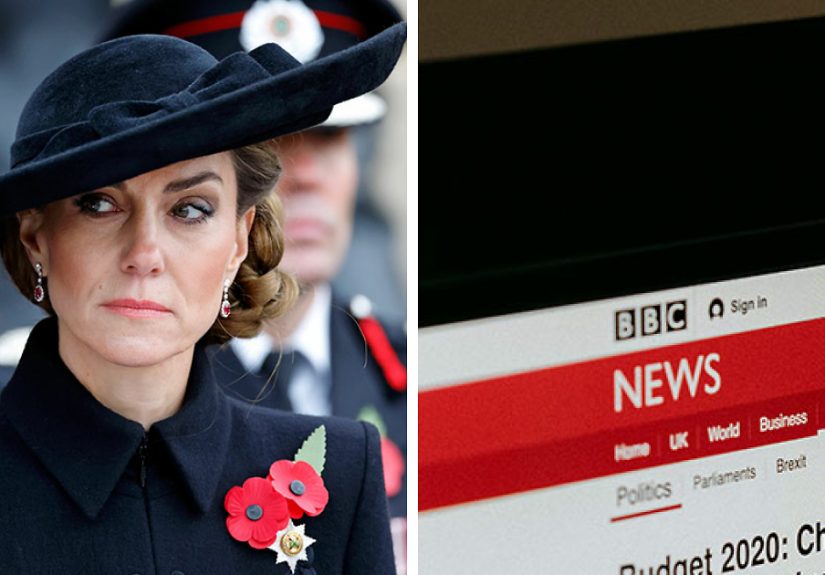
The controversy centered on BBC coverage of Princess Kate’s appearance during remembrance events in November 2025. At the heart of the backlash was a headline that used “Kate” in reference to the Princess of Wales, alongside complaints that BBC coverage also referred to her as “Kate Middleton.” For supporters of the princess, this was not harmless shorthand. It was a sign that the broadcaster had slipped into tabloid-style familiarity at a moment that called for precision and respect.
That reaction picked up speed online, where social media has the unique power to turn a single screenshot into a multi-day culture skirmish. One critic compared the usage to referring to Diana, after marriage, by her maiden name in a formal headline. That comparison struck a nerve because it framed the issue not as a personal preference but as a question of established convention. The BBC then changed the headline, a move that all but confirmed viewers had hit a sensitive editorial nerve.
Once a headline is changed, the internet treats it like blood in the water. Suddenly, the conversation is no longer about the original event. It is about who made the mistake, why they made it, and whether the correction proves a lack of professionalism. In other words, the correction becomes the story. That is exactly how a remembrance headline ended up feeding a much larger debate about the BBC, royal protocol, and audience trust.
The Real Issue Was Never Just “Kate” Versus “Catherine”
On paper, this might sound like a tiny semantic storm. After all, millions of people around the world still refer to the princess as Kate Middleton. In the United States especially, that name remains deeply familiar and highly searchable. It is simple, recognizable, and sticky in the way celebrity shorthand tends to be. Newsrooms know that. Search teams definitely know that. Headline writers know that in their bones.
But royal titles are not simply branding accessories. They carry institutional meaning. Catherine became Princess of Wales in 2022, and that title comes with public, ceremonial, and symbolic weight. For critics of the BBC’s wording, the problem was that a major public broadcaster seemed to flatten that distinction in a formal news context. It was one thing for everyday readers to say “Kate Middleton” over coffee. It was another for the BBC to sound as though it had wandered into a celebrity blog voice while covering solemn national remembrance.
That gap between what is common in everyday speech and what is expected in formal journalism is where the backlash found fuel. People were not only reacting to a name. They were reacting to tone. A broadcaster’s phrasing tells audiences how seriously it takes a subject, and in coverage involving monarchy, ceremony, and public grief, tone is half the message.
Why Princess Kate’s Public Image Added Extra Weight
Timing mattered here, too. By late 2025, Princess Kate’s public appearances carried unusual emotional weight. After her cancer diagnosis in 2024 and her statement in early 2025 that she was in remission, her return to public duties had been closely watched, often with a mix of sympathy, admiration, and intense scrutiny. Every outing drew more attention than usual because it was not just another royal event. It was part of a wider story about recovery, resilience, and a carefully managed re-entry into public life.
That context made the BBC’s wording more combustible. For many viewers, this was not just any royal woman attending any official event. This was Catherine, Princess of Wales, showing up at a solemn occasion after a highly public health battle. In that climate, imprecise naming felt especially jarring. Fair or not, audiences expected the coverage to be buttoned-up, respectful, and unmistakably formal.
It also did not hurt that Princess Kate remains one of the most closely followed members of the royal family. Popular figures generate strong parasocial loyalty, and that loyalty can morph into instantaneous outrage the second supporters feel their favorite public figure has been slighted. Modern celebrity culture and monarchy now operate on the same emotional freeway, and it has no speed limit.
The BBC’s Bigger Problem: Trust, Not Just Terminology
The reason this story had legs is that it landed in a media environment already primed to question institutions. A mistake that might once have been corrected quietly now gets interpreted through a much bigger lens: Is the newsroom sloppy? Is it disconnected from audience expectations? Does it still understand the difference between accuracy and convenience? Once those questions enter the chat, a simple headline edit can start to look like a referendum on editorial judgment.
For the BBC, the issue was not merely that viewers disliked the wording. It was that enough people saw the wording as evidence of a standards problem. When the broadcaster later issued an apology for mistakenly referring to Catherine as “Kate Middleton” during live coverage, it showed that the controversy was serious enough to move from online grumbling into formal damage control.
That matters because apologies from major broadcasters are never just about tidying up. They are about institutional credibility. A network does not want the public to conclude that it only gets serious after being dragged. But in the attention economy, perception moves faster than corrections. By the time an apology arrives, audiences have often already formed their judgment and posted it in all caps.
SEO, Search Habits, and the Headline Trap
Here is where the story gets especially modern. Many outlets continue using “Kate Middleton” in digital headlines because it remains a dominant search term. That may sound unromantic, but online publishing is often a tug-of-war between precision and discoverability. Editors want the headline that respects the subject, while traffic teams want the headline readers are actually typing into search bars. Somewhere in the middle, everyone starts pretending this is not an awkward compromise.
The BBC backlash put that tension under a spotlight. In digital publishing, keyword logic can quietly shape tone. A familiar name may pull stronger search traffic, but it can also sound less formal or less accurate, depending on the context. When the subject is a public figure with an official title, especially one tied to monarchy, that tradeoff becomes more visible and more controversial.
This is why the story resonated beyond royal gossip circles. It exposed a newsroom dilemma many readers rarely see. The public often assumes headlines are written purely for clarity. In reality, headlines are also written for algorithms, scanning habits, mobile screens, and platform performance. Sometimes that produces elegant solutions. Sometimes it produces a public relations mess wearing a very expensive black hat.
Why the Backlash Felt Bigger Than the Mistake
Calling the reaction “massive” depends on your threshold for internet drama. Was this a civilization-ending scandal? No. Did it generate enough criticism to force changes, prompt an apology, and keep the story moving across entertainment, media, and royal coverage? Absolutely. In the current media ecosystem, that qualifies as significant backlash even if nobody is storming a palace.
What made the reaction feel so large was the convergence of several emotional triggers at once: a beloved public figure, a solemn national event, a high-profile broadcaster, and a wording choice that could be interpreted as disrespectful. Add screenshots, opinionated commentary, and a public already trained to detect tone-policing in real time, and the result was predictable. The story became sticky because people could argue about it from several angles at once: protocol, sexism, branding, class, media standards, or plain old basic manners.
That mix gave the story unusual durability. It was no longer just “BBC changes headline.” It became “What should journalists call Princess Kate?” “Does search optimization undermine respectful coverage?” and “Why do name choices create such intense reactions?” A story survives online when it gives different audiences different reasons to care. This one checked that box with royal-blue ink.
What Newsrooms Should Learn From the Princess Kate Headline Mess
The first lesson is brutally simple: if a title matters, use it correctly, especially in formal coverage. There is no magical shortcut that will satisfy search engines, stylistic instincts, royal convention, and every reader’s preference at the same time. But there is a baseline standard. Accuracy must come first.
The second lesson is that headlines are not disposable wrappers. They are part of the journalism. Readers may never scroll past them, which means a poorly judged headline can define the entire perception of a story. If the headline sounds flippant, sloppy, or tone-deaf, the article underneath may never get a fair read.
The third lesson is that institutions need style guides that reflect the actual conditions of digital publishing. If editors know a subject’s naming convention is sensitive, the rule should be clear long before a live event begins. The worst possible time to decide how to refer to a high-profile royal is after viewers have already decided you got it wrong.
And finally, there is a broader takeaway for audiences: the tiniest editorial choices often reveal the biggest tensions inside modern media. This story was not just about Princess Kate. It was about how news organizations balance respect, familiarity, optimization, and authority in an era where every word can be screenshotted, dissected, and turned into a trend before lunch.
The Experience of Watching a Headline Backlash Unfold
One reason this story connected so quickly is that it feels familiar to almost anyone who follows news online. You open your phone, see a headline, and immediately sense that something is off. Maybe it sounds too casual. Maybe it sounds weirdly cold. Maybe it uses a name or label that makes you raise an eyebrow before you even click. Within minutes, the reactions begin. One person says it is disrespectful. Another says people are being too sensitive. A third person declares the entire thing is proof civilization peaked around 2007. Suddenly, a headline is no longer a headline. It is a referendum on taste, values, and whether editors have lost the plot.
The Princess Kate story fits that pattern perfectly. Many readers did not need to be royal obsessives to understand why the wording landed badly. The experience is bigger than monarchy. People know what it feels like when public language misses the emotional moment. If someone has gone through illness, a major life event, or a return to public work after a difficult year, audiences are more alert to tone. They may not know every official title, but they know when coverage sounds slightly off. That instinct is powerful, and newsrooms ignore it at their own risk.
There is also a very online experience at work here: correction whiplash. You see the original wording. Then you see a screenshot showing it has been changed. Then you see people arguing over whether the edit proves guilt, professionalism, cowardice, responsiveness, or all four before dinner. The corrected headline is better, but now the correction itself becomes content. The internet loves few things more than a receipt with a timestamp.
For readers, that creates a strange mix of satisfaction and distrust. On one hand, it is reassuring when a major outlet corrects itself. On the other hand, the need for the correction can make people wonder how the mistake got through in the first place. That tension shapes the audience experience. It is not just “they fixed it.” It becomes “why did they need public pressure to fix it?”
This is also why stories like this tend to hit harder when they involve familiar figures like Princess Kate. People project all sorts of meanings onto public figures they feel they know. To some readers, she represents continuity. To others, resilience. To others, plain old celebrity fascination with better tailoring. So when wording feels dismissive, the reaction is not purely rational. It is emotional, cultural, and personal all at once.
In the end, the experience of following this story was really the experience of watching modern media collide with modern audiences. Readers today are not passive. They are fast, vocal, suspicious, and incredibly attentive to language. Sometimes too attentive, sure. But often they catch exactly what institutions underestimate: words carry signals, and signals shape trust. That is why this BBC headline story lingered. Not because it was the biggest royal scandal of the year, but because it captured a very current feeling: people want the press to get the small things right, because the small things tell them whether the big things can be trusted.
Conclusion
The BBC headline controversy involving Princess Kate may have started as a naming dispute, but it revealed something much larger about the media landscape. In a digital world ruled by screenshots, search terms, and split-second reactions, even a seemingly minor editorial choice can trigger a major credibility problem. For the BBC, changing the headline and apologizing later showed that audiences still expect accuracy, especially when the subject is Catherine, Princess of Wales, at a solemn public event. For readers, the episode was a reminder that language is never neutral. The way the press names someone can shape how seriously that person, and the story itself, is taken. In that sense, this was never just a royal backlash story. It was a case study in media trust, headline judgment, and the cost of getting the tone wrong.