Table of Contents >> Show >> Hide
- What Is a Beef Chuck Shoulder Clod?
- Shoulder Clod Breakdown: The Muscles That Matter
- Steaks from the Clod: How to Cook Each One
- Roasts from the Clod: Pot Roast, Smoked Clod, and More
- Shopping and Butcher-Speak
- Prep Tips: Trim, Tie, Slice
- Doneness, Thermometers, and Food Safety
- Troubleshooting: When Chuck Gets Chuck-y
- Conclusion: One Cut, Many Wins
- Real-World Experiences: What Cooks Notice
- SEO Tags
If you’ve ever stood at the meat case thinking, “Why does beef have more aliases than a spy movie?”
welcome to the beef chuck shoulder clod. This budget-friendly hunk from the chuck
(shoulder) region can turn into multiple legit steaks and a pile of roasts that taste like you paid
“special occasion” money. The trick is knowing what you’re holding… and what it wants to become.
In this guide, we’ll break down what the shoulder clod is, which steaks and roasts come from it,
how each cut behaves, and the cooking methods that make chuck taste like a hero instead of a jaw workout.
Expect practical tips, a little meat-counter translation, and specific examples you can actually use on a Tuesday.
What Is a Beef Chuck Shoulder Clod?
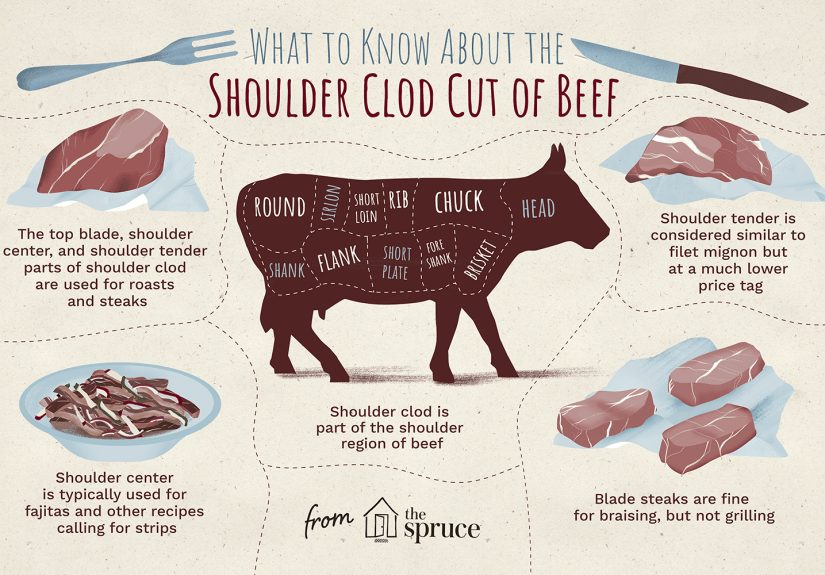
The shoulder clod (often labeled chuck shoulder clod) is a large, multi-muscle cut
from the chuck primalright in the hardworking shoulder zone. “Hardworking” is butcher code for:
big beefy flavor, plus connective tissue that needs either smart trimming or the right cooking method.
In industry terms, it’s commonly identified as IMPS/NAMP 114. In normal-person terms,
it’s a big subprimal that butchers often separate into smaller muscles to create popular value cuts
like flat iron steak, ranch steak, and petite tender,
plus roasts that shine when braised or smoked.
Shoulder Clod Breakdown: The Muscles That Matter
Shoulder clod isn’t one single muscleit’s a group. That’s why it can produce both “weeknight steak”
and “all-day pot roast” from the same neighborhood. Most of the retail magic comes from a few key sections.
Top Blade: Where Flat Iron Steak Comes From
The top blade is the celebrity of the clod family because it can become the
flat iron steak. When trimmed correctlyespecially when the tough connective seam is dealt with
it’s known for being tender, juicy, and well-marbled for a chuck cut. If you want “steakhouse vibes”
without steakhouse pricing, this is your best bet.
Shoulder Center: Ranch Steak and Other “Value Steak” Cuts
The shoulder center is often turned into ranch steaks. These have great flavor,
but they’re less forgiving than flat iron. Translation: you’ll get the best results with a marinade, careful slicing
across the grain, and not overcooking. Think “bold beef taste” more than “butter knife tender.”
Shoulder Tender: Petite Tender (A.K.A. Teres Major)
The shoulder tender is commonly sold as petite tender (and anatomically it’s the
teres major). It’s one of the more tender muscles around the shoulder area, and cooks often treat it
like a “mini tenderloin.” It’s leaner than flat iron, so it likes quick cooking and a little extra attention to doneness.
Arm Roast / Clod Heart: Roast Territory
The larger, thicker end of the clod is often sold as an arm roast or clod heart roast.
It can be sliced into steaks (often called arm steaks or shoulder steaks),
but it usually shines as a roastbraised, slow-cooked, or smoked until tender.
The “Accessory Muscles”: Great for Ground, Stew, and Stir-Fry
Depending on how it’s fabricated, a couple of smaller muscles and trimmings often end up as
stew meat or ground beef. That’s not a downgradeground chuck from clod trimmings can be
fantastic. It’s just the meat world’s way of saying: “Not everything needs to pretend it’s a steak.”
Steaks from the Clod: How to Cook Each One
Here’s the big idea: each clod steak is a different personality.
Cook them all the same way, and one of them will be thrilled while the others start plotting revenge.
Flat Iron Steak: High Heat, Fast Cook, Big Reward
Flat iron is best when cooked hot and quickgrill, cast iron, broiler. Keep it no more than medium if you want the tender payoff.
It’s a classic “rest me before slicing” steak because the juices move back into the meat during resting (and because steak deserves a nap).
- Best methods: grill, skillet-sear, broil
- Seasoning: simple salt/pepper works; marinades also play well
- Pro move: slice against the grain into strips for tacos, salads, rice bowls, or steak sandwiches
Ranch Steak: Flavor-Forward, Needs a Plan
Ranch steak can be great, but it’s not a “wing it” cut. Treat it like a value steak: marinate, don’t overcook,
and slice thin across the grain. If you cook it too long, it can go from “yum” to “did my steak just become a resistance band?”
- Best methods: grill, skillet, broil
- Helpful techniques: marinade (even 30–60 minutes helps), tenderizing, thin slicing
- Best uses: fajitas, steak-and-eggs, stir-fry, steak salad
Shoulder / Arm Steak (English Steak): Slow-Cook or Marinate
Some shoulder clod steaks are cut from the arm roast side and sold under names like
arm steak, shoulder steak, or English steak.
These can be delicious, but they’re usually better when slow-cooked or treated with a strong marinade and cooked carefully.
If your package says “inexpensive,” read that as “you are the tenderizing technology.”
- Best methods: braise, pressure cook, slow cooker; or marinate then grill quickly
- Winning sauces: onion gravy, mushroom sauce, chimichurri (the acid helps)
- Smart serving: slice thin and serve over mashed potatoes, noodles, or rice
Petite Tender: The Mini-Roast That Can Play Steak
Petite tender (shoulder tender) is lean and tender enough for quick cooking, but it’s easy to dry out if you go too far.
Think of it like a small, beefy “filet cousin” that prefers medium-rare to medium, plus a good rest before slicing.
- Best methods: sear and finish gently; grill over two-zone heat; roast hot and quick
- Flavor ideas: garlic-herb butter, peppercorn crust, rosemary and lemon zest
- Best uses: medallions, small roasts, upscale weeknight dinners
Roasts from the Clod: Pot Roast, Smoked Clod, and More
If steaks are the sprint, roasts are the slow dance. Shoulder clod roasts love time, moisture, and gentle heat.
That’s how connective tissue transforms into tenderness instead of staying stubborn.
Classic Braised Arm Roast (Dutch Oven Pot Roast Style)
This is the “your house smells like a hug” approach.
Sear the roast, build a flavorful braising liquid, then cook low and slow until it’s fork-tender.
- Sear: brown all sides for flavor (don’t rush this; it’s where the magic starts).
- Aromatics: onions, carrots, celery, garlicyour usual soup squad.
- Liquid: beef broth plus a splash of wine, tomato, or Worcestershire for depth.
- Cook: covered, low oven until tender; rest, then slice or shred.
Serve it with mashed potatoes, roasted vegetables, or buttered noodles. Bonus: leftovers level up into sandwiches and hash.
Smoked Shoulder Clod: Big Cut, Big Payoff
Whole shoulder clod can be a serious barbecue projectoften a large, lean cut that benefits from
low-and-slow smoking and smart moisture management. Many cooks treat it like a “mock brisket” approach:
smoke for bark, then wrap or braise to finish tender.
- Flavor profile: rich beef, often leaner than brisket, loves salt/pepper/garlic rubs
- Moisture helpers: spritzing, wrapping, finishing in a covered pan, slicing against the grain
- Serving ideas: sliced for plates, chopped for sandwiches, or sauced for tacos
Shoulder Clod Heart Roast: Sliceable, Sandwich-Ready
Clod heart roasts can be cooked until slice-tender and used for roast beef-style sandwiches.
When you’re aiming for slices (not shredding), keep the heat gentle and let the meat rest well before cutting.
Thin slicing across the grain is your secret weapon for tenderness.
Shopping and Butcher-Speak
Shoulder clod is famous for being labeled differently depending on the store, region, and whether the meat case manager is feeling poetic.
If you’re trying to find it (or its best offspring), these name clues help:
- Shoulder clod / chuck shoulder clod (the main subprimal)
- Flat iron steak (top blade)
- Ranch steak (shoulder center)
- Petite tender (shoulder tender / teres major)
- Arm roast / arm steak / English steak (from the arm/clod heart side)
- Clod heart roast (roast cut from the thick end)
If you’re buying from a butcher counter, the best question is:
“Do you have a shoulder clod (IMPS 114), or can you cut flat iron / ranch / petite tender from it?”
But if you forget the numbers, it’s okayjust confidently say “shoulder clod” like you’re in a Western.
Prep Tips: Trim, Tie, Slice
Trim the Silver Skin (But Don’t Over-Trim the Fat)
Some clod cuts have exterior connective tissue (silver skin) that won’t melt away quickly. Trim what you can,
especially on steaks and petite tender. For roasts, you can leave some fat for moisture and flavorjust remove thick,
waxy layers that won’t render nicely.
Know When to Marinate
Marinades shine on cuts like ranch steak or shoulder/arm steaks. Acid (citrus, vinegar, yogurt) plus salt helps the eating experience,
and oil carries flavors. Even a short marinade can help, and a longer one can make a budget steak feel much more cooperative.
Slice Against the Grain (Yes, Really)
If you only take one thing from this article, take this:
slicing against the grain can make the same cut feel dramatically more tender.
Look at the direction of the muscle fibers and slice across them, especially for ranch steak, arm steak, and roast slices.
Doneness, Thermometers, and Food Safety
Shoulder clod is at its best when you cook with intention, not vibes.
A thermometer removes guessworkand saves you from serving “medium-rare-ish” when you promised “tender.”
USDA Safe Minimums
- Whole cuts (steaks, chops, roasts): cook to 145°F and rest at least 3 minutes.
- Ground beef: cook to 160°F.
For tenderness and juiciness, many cooks choose a doneness target (like medium-rare for flat iron) and still follow safe handling,
proper searing, and resting. If you’re serving people with higher risk factors, stick closer to the conservative side and use the thermometer.
Troubleshooting: When Chuck Gets Chuck-y
Problem: The Steak Is Tough
- Likely cause: overcooked, sliced with the grain, or the cut needed tenderizing.
- Fix: slice thinner against the grain; try a marinade next time; pick flat iron or petite tender for quicker cooking.
Problem: The Roast Is Dry
- Likely cause: too lean + too hot + not enough time, or not enough braising moisture.
- Fix: braise covered, use low heat, rest before slicing, and consider finishing in sauce or gravy.
Problem: The Roast Won’t Get Tender
- Likely cause: it’s not “done” yetconnective tissue needs time to break down.
- Fix: keep cooking gently until it yields; “fork-tender” is the finish line for braises, not the clock.
Conclusion: One Cut, Many Wins
The beef chuck shoulder clod is basically a choose-your-own-adventure cut:
want a quick-cooking steak? Grab flat iron or petite tender. Want a roast that feeds a crowd and makes legendary leftovers?
Go for arm roast or clod heart and let time do the heavy lifting.
Once you learn the clod’s “family tree,” you can shop smarter, cook with confidence, and turn a humble chuck cut into meals that feel
suspiciously fancy. (Your secret is safe. Just nod knowingly when someone says, “Wow, what cut is this?”)
Real-World Experiences: What Cooks Notice
People’s first experience with shoulder clod is often the same: surprise, confusion, then sudden loyalty. Surprise because it’s bigger than
expected (especially if you buy a whole clod). Confusion because the label might say “arm roast,” “clod heart,” or “English roast,” as if the
cow had multiple passports. Loyalty because once you cook it right, it tastes like you cracked a delicious little code.
One common moment happens at the butcher counter: you ask for a “flat iron,” and the butcher points out that the flat iron is a specific
muscle from the clodmeaning you can often get more value by buying a larger piece and having it cut the way you want. Home cooks who do this
usually report two wins: (1) they get a couple of great steaks for grilling night, and (2) they get extra trimmings for tacos, chili, or
stir-fry that tastes better than “mystery stew meat.”
Another frequent experience is learning how much slicing matters. With clod roasts, cooks often think the roast “didn’t work” because it
feels chewy… until they slice it thin against the grain and suddenly it becomes sandwich gold. It’s the same roast, just cut in a way that
shortens the muscle fibers. This is why shoulder clod can be amazing for party platters: roast it, rest it, slice it thin, and serve it with
horseradish sauce or au jus. People will assume you bought an expensive deli roast. You can accept compliments gracefully.
On the barbecue side, shoulder clod has a reputation for being both rewarding and slightly dramatic. It’s leaner than brisket in many cases,
so cooks quickly learn it benefits from moisture strategies: wrapping, finishing in a pan, or serving with juices. The payoff is that the beef
flavor stays bold, the bark can be fantastic, and the leftovers are ridiculously flexible. Smoked clod becomes chopped beef sandwiches, taco
filling, breakfast hash, and “I’m just going to eat this standing up at the fridge” protein.
Flat iron experiences are usually pure joy: it’s the cut that makes people feel like they “beat the system.” Cooks love how it takes a simple
salt-and-pepper seasoning and still tastes rich. Many notice that resting is the difference between “good steak” and “why is there juice all
over my cutting board?” With flat iron, a short rest plus slicing across the grain can make it feel shockingly tender for a chuck cut.
Ranch steak stories are more like a relationship: you have to communicate. Cooks who treat ranch steak like ribeye often feel let down. But
cooks who marinate it, sear it hot, and slice it thin tend to love itespecially for fajitas, steak salads, and quick stir-fries. The
experience most people report is that ranch steak is fantastic when you cook it for the dish it wants to become (thin-sliced and flavor-forward),
not the dish you wish it were (a thick, fork-tender filet).
Petite tender gets described as “the fancy surprise.” Because it’s smaller and leaner, people often overcook it the first time, then learn to
treat it gentlysear, finish with moderate heat, rest, slice. When cooked thoughtfully, it becomes a great “date-night-at-home” option that
doesn’t require a huge roast or a premium steak budget. It’s also a crowd-pleaser for anyone who likes tender beef but doesn’t want a giant
fatty cut.
The most consistent experience across all clod cuts is confidence. Once you understand what’s in the shoulder clod familyflat iron, ranch,
petite tender, arm roastyou stop feeling at the mercy of confusing labels. You start buying based on structure (tender muscle vs.
connective-heavy roast) and cooking based on behavior (hot-and-fast vs. low-and-slow). That’s when chuck stops being “cheap beef”
and becomes “smart beef.” And honestly, smart beef tastes better.