Table of Contents >> Show >> Hide
- Why This Is the Best Homemade Pizza Dough Recipe
- Ingredients for Homemade Pizza Dough
- How To Make Homemade Pizza Dough
- Pro Tips for Better Homemade Pizza Dough
- Common Homemade Pizza Dough Mistakes
- Easy Variations for Pizza Night
- How To Store and Freeze Pizza Dough
- Real-Life Homemade Pizza Dough Experiences and Lessons Learned
- Final Thoughts
- SEO Tags
There are two kinds of people in this world: people who buy pizza dough at the store, and people who eventually realize they can make a better one at home with flour, water, yeast, salt, and a tiny bit of patience. This article is for the second group, and for the first group when they are ready to cross over to the delicious side.
If homemade pizza dough sounds intimidating, relax. You are not trying to impress a stern Italian grandmother standing in your kitchen with crossed arms and laser vision. You are simply making a soft, stretchy dough that bakes up chewy on the inside, crisp on the bottom, and gloriously golden around the edges. Once you learn the rhythm of it, pizza night becomes less “order out” and more “why does my house suddenly smell like a pizzeria?”
This homemade pizza dough recipe is built for real home cooks using regular ovens, practical ingredients, and methods that actually work. It blends the best advice from respected bakers and recipe developers: weigh the flour if possible, keep the dough slightly tacky, give it time to rest, stretch it gently with your hands, and bake it on a very hot surface. In other words, good pizza is not magic. It is mostly heat, hydration, and not panicking.
Why This Is the Best Homemade Pizza Dough Recipe
The best homemade pizza dough recipe is not just about ingredients. It is about balance. Too much flour and the crust turns dense. Too little salt and it tastes flat. Too many toppings and the center goes soggy like a sad little raft in a sea of sauce.
This version works because it aims for a dough that is easy to handle, flavorful enough to stand on its own, and flexible enough for different pizza styles. You can make two medium pizzas, one sheet-pan pizza, or save half the dough for later. It gives you a chewy crust with enough structure to support toppings, but it still feels light instead of brick-like. Nobody wants edible cardboard for dinner.
Even better, this dough can be made the same day or rested overnight in the refrigerator for deeper flavor. That long, cold rest is the secret handshake of better pizza. It improves taste, makes the dough easier to stretch, and gives you a crust that feels more bakery-quality and less “well, at least we tried.”
Ingredients for Homemade Pizza Dough
Here is everything you need for two 12-inch pizzas:
- 500 grams bread flour, or all-purpose flour if needed (about 4 cups plus 2 tablespoons, spooned and leveled)
- 325 grams warm water (about 1 1/3 cups plus 1 tablespoon)
- 2 1/4 teaspoons instant yeast, or active dry yeast
- 2 teaspoons fine sea salt
- 1 tablespoon olive oil
- 1 teaspoon sugar or honey
What Each Ingredient Actually Does
Flour: Bread flour gives the dough a slightly chewier, more structured crust because of its higher protein content. All-purpose flour still works and makes a softer bite. If bread flour is the star quarterback, all-purpose is the reliable utility player.
Water: Water wakes everything up and helps gluten form. A moderately hydrated dough is easier to stretch and bakes into a tender, airy crust.
Yeast: This is the engine of the dough. It creates gas, helps the dough rise, and contributes flavor over time.
Salt: Salt is not optional unless your goal is bland disappointment. It strengthens dough and makes the crust taste like something you would happily eat on purpose.
Olive oil: A little oil adds tenderness and helps with browning, especially in a home oven.
Sugar or honey: This small amount gives the yeast a friendly start and helps the crust brown more attractively.
How To Make Homemade Pizza Dough
Step 1: Mix the Dough
If you are using active dry yeast, stir it into the warm water with the sugar and let it sit for about 5 to 10 minutes until foamy. If you are using instant yeast, you can mix it right in with the flour and skip the blooming step.
In a large bowl, combine the flour and salt. Add the water mixture and olive oil. Stir until a shaggy dough forms. At this stage, it will look a little messy. That is normal. Pizza dough begins life looking like it made some questionable choices.
Step 2: Knead Until Smooth
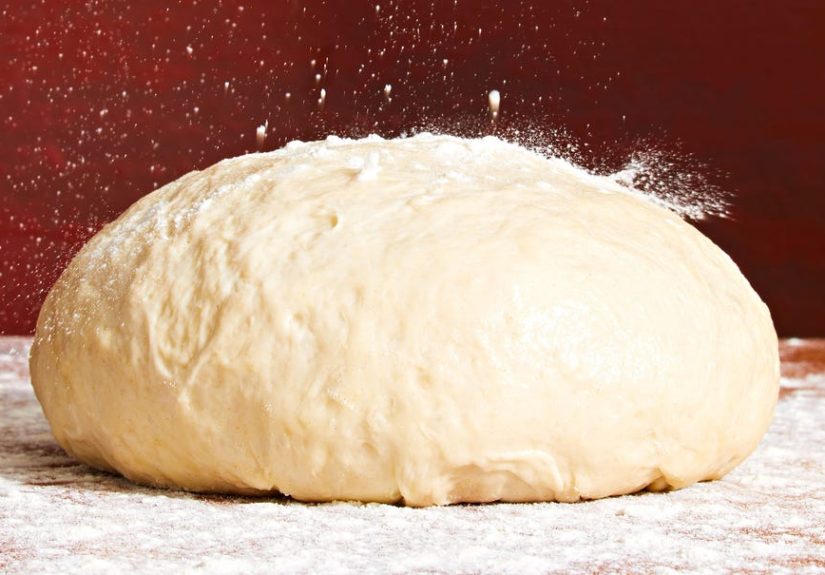
Turn the dough out onto a lightly floured surface and knead for 8 to 10 minutes, or use a stand mixer with a dough hook for about 4 to 5 minutes. The dough should become soft, elastic, and just a little tacky. If it sticks like crazy, add a little flour. If it feels dry and stiff, add a teaspoon or two of water.
The goal is not to create a dry lump that behaves nicely. The goal is to create a supple dough that will bake into a beautiful crust. Slightly sticky dough often becomes excellent pizza. Over-floured dough becomes a personality problem.
Step 3: Let It Rise
Place the dough in a lightly oiled bowl, cover it, and let it rise until doubled, about 1 to 2 hours at room temperature. If you want better flavor, refrigerate it after the initial rise for 24 to 72 hours. This cold fermentation is one of the easiest ways to level up your pizza game without buying special equipment or pretending your oven is in Naples.
Step 4: Divide and Rest
Once risen, divide the dough into two equal pieces. Shape each one into a ball and let them rest for 20 to 30 minutes at room temperature before stretching. This rest relaxes the gluten, which means the dough is less likely to snap back like it is personally offended.
Step 5: Stretch, Do Not Assault
Dust your work surface and your hands lightly with flour. Gently press one dough ball into a disk, then stretch it outward with your fingers and the backs of your hands. Leave a slightly thicker edge for the crust. Try not to use a rolling pin unless you truly do not care about airy edges. Rolling pins flatten the bubbles and can leave you with a denser crust.
If the dough keeps shrinking back, let it rest for 5 to 10 minutes and try again. Dough is like a toddler in pajamas: sometimes it just needs a minute.
Step 6: Add Toppings Wisely
Transfer the stretched dough to parchment paper, a pizza peel, or a lightly oiled pan. Add a thin layer of sauce, a moderate amount of cheese, and toppings that will not drown the crust. This is pizza, not a casserole in denial.
Too much sauce or moisture-heavy toppings can weigh the dough down. If you are using mushrooms, fresh mozzarella, spinach, or other watery ingredients, pat them dry or use them lightly.
Step 7: Bake Hot and Fast
Preheat your oven to 500°F or as hot as it will go. If you have a pizza stone or baking steel, heat it for at least 45 to 60 minutes. Bake the pizza for 10 to 14 minutes, depending on thickness and your oven, until the crust is golden and the cheese is bubbling.
A preheated stone or steel is one of the biggest upgrades for homemade pizza because it delivers intense bottom heat, which helps create that crisp, browned crust instead of a pale, floppy one. If you do not have one, a preheated sheet pan still does a respectable job.
Pro Tips for Better Homemade Pizza Dough
Use a Scale If You Can
Measuring flour by weight gives you more consistent results. Cups are convenient, but they are also little chaos machines. One person’s cup of flour can be another person’s accidental drywall sample.
Do Not Overload the Dough with Flour
A little flour for kneading and shaping is fine, but too much makes the dough tough. A dough that feels slightly tacky before baking usually rewards you later.
Cold Ferment for More Flavor
If you have time, refrigerate the dough overnight or longer. The flavor deepens, the texture improves, and the dough often becomes easier to stretch.
Bring Chilled Dough Back to Room Temperature
Cold dough fights back. Let refrigerated dough sit out for 30 to 60 minutes before shaping so it becomes more relaxed and cooperative.
Preheat Like You Mean It
Pizza wants serious heat. A half-preheated oven is how you end up with melted cheese sitting on a crust that still seems emotionally unprepared.
Common Homemade Pizza Dough Mistakes
Using Water That Is Too Hot
If your water is too hot, it can damage the yeast. Warm water should feel pleasantly warm, not bathwater for dragons.
Skipping the Rest Time
Resting the dough after dividing makes it easier to shape. If you skip it, the dough may shrink back and test your patience.
Adding Too Many Toppings
Heavy toppings can trap steam and create a soggy center. A great homemade pizza is about balance, not proving your refrigerator had options.
Underseasoning the Dough
Salt matters. Pizza crust should taste good even on the bare edge. That crust is not just a handle. It is part of the meal.
Eating Raw Dough
As tempting as it is to sneak a bite, raw flour is not considered ready-to-eat, and uncooked dough can carry harmful germs. Save the tasting for after baking, when your pizza is safe and your reward is much more satisfying.
Easy Variations for Pizza Night
Thin Crust Pizza
Stretch the dough a little thinner and use a lighter hand with toppings. Bake on a steel or stone for maximum crispness.
Pan Pizza
Coat a baking pan with olive oil, press the dough into the pan, let it rise again briefly, then top and bake. The result is crisp underneath and wonderfully fluffy inside.
Whole Wheat Blend
Swap up to 25 to 50 percent of the flour for whole wheat flour for a nuttier flavor and a heartier texture. You may need a touch more water.
Garlic and Herb Dough
Add dried oregano, basil, or a pinch of garlic powder to the flour for extra flavor. It is a small move with strong “I know what I’m doing” energy.
How To Store and Freeze Pizza Dough
If you are not using the dough right away, store it covered in the refrigerator for up to 3 days. You can also freeze individual dough balls in lightly oiled freezer bags or containers for up to 3 months.
To use frozen dough, thaw it in the refrigerator overnight, then bring it to room temperature before stretching. This makes future pizza nights suspiciously easy, which is exactly the kind of problem you want.
Real-Life Homemade Pizza Dough Experiences and Lessons Learned
The first time I made homemade pizza dough, I expected a cinematic moment. Flour drifting through the air. A rustic wooden board. Maybe a sunbeam. What I actually got was dough stuck to my fingers, sauce on the counter, and a pizza shaped vaguely like the state of Florida. It still tasted great. That was the moment homemade pizza won me over.
What makes this recipe so satisfying is not just the final crust. It is the rhythm of the process. You mix a few simple ingredients, knead until the dough becomes smooth and springy, and suddenly you are holding the beginning of dinner in your hands. The transformation feels almost unfair. Flour and water should not be allowed to become something this good with so little drama, and yet here we are.
Over time, I learned that the best homemade pizza dough is less about perfection and more about paying attention. If the dough feels stiff, it probably needs a little more water. If it keeps snapping back, it probably needs more rest. If the crust comes out pale, the oven probably was not hot enough. Dough gives clues. You do not need to be a professional baker; you just need to stop expecting the dough to read your mind.
One of the biggest differences between decent homemade pizza and really memorable homemade pizza is patience. Same-day dough can still be tasty, but dough that rests in the refrigerator overnight has a deeper flavor and a calmer personality. It stretches more easily, puffs more beautifully, and tastes like you know a secret that frozen pizza will never understand.
Family pizza nights also change the way you think about dough. Kids rarely care if the circle is not perfect. Friends do not complain when the crust is extra bubbly on one side. In fact, those odd little imperfections usually make the pizza feel more homemade and more inviting. People gather around the counter, argue lovingly about toppings, and somehow the first pizza disappears before the second one is even sliced. That is not a bug in the system. That is the system working exactly as intended.
I have also learned that homemade pizza dough teaches flexibility. Sometimes you planned a thin-crust pepperoni pie and ended up with pan pizza because the dough was too relaxed to transfer neatly. Sometimes the bottom browned faster than expected, so dinner became “slice it quickly and act confident.” Sometimes the prettiest pizza was not the tastiest one, and the lopsided pie with the blistered edge and too much basil stole the whole evening. Pizza has a way of rewarding enthusiasm more than polish.
There is also something oddly comforting about mastering a dough recipe. Once you know it, dinner feels less fragile. A bag of flour, a packet of yeast, and a little cheese can turn into a weekend ritual, a casual date night, or the best use of a random Tuesday. You stop seeing pizza as takeout and start seeing it as a house specialty.
That may be the real magic of homemade pizza dough. It is practical enough for everyday cooking, but it still feels special. It creates a meal that is interactive, forgiving, and fun. Even when the crust comes out a little too rustic or the toppings slide dramatically to one side, the pizza is usually still warm, crisp, cheesy, and undeniably homemade. And honestly, that is the kind of success most dinners should aim for.
Final Thoughts
If you want the best homemade pizza dough recipe, focus on the fundamentals: good flour, enough salt, a slightly tacky dough, gentle stretching, and serious oven heat. Give the dough time, and it will pay you back with flavor, texture, and that wonderful moment when the crust puffs in the oven and you realize you are absolutely making pizza at home now.
Once you have this method down, you can experiment with thickness, toppings, fermentation time, and flour blends. But even if you keep it simple, this dough delivers exactly what most pizza lovers want: crisp edges, chewy interior, rich flavor, and the kind of homemade dinner that makes people hover in the kitchen asking when the next pie is coming out.