Table of Contents >> Show >> Hide
- Quick Navigation
- Why Salt Substitutes Matter in 2025
- How to Choose the Right Salt Substitute
- Best Salt Substitutes to Try in 2025
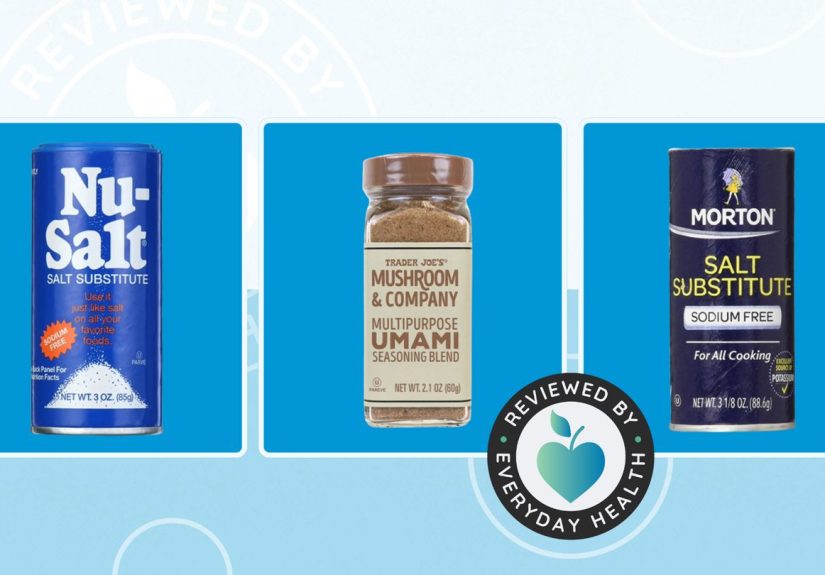
- 1) Potassium Chloride “Salt Substitute” (The Closest Look-Alike)
- 2) Salt-Free Herb & Spice Blends (Flavor With Personality)
- 3) Citrus Zest, Lemon/Lime Juice, and Vinegar (The “Make It Pop” Button)
- 4) MSG (Monosodium Glutamate) and Umami Seasoning (Savory Without the Salt Bomb)
- 5) Mushroom Powder, Tomato Paste, and “Natural Umami” Ingredients
- 6) Nutritional Yeast (The “Cheesy” Shortcut)
- 7) Aromatics: Garlic, Onion, Ginger, Scallions (The Foundation That Makes Salt Less Necessary)
- 8) Heat, Smoke, and Roast: Chili Flakes, Smoked Paprika, Char (Flavor “Loudness” Without Sodium)
- 9) Smart “Reduced-Sodium” Condiments (Use Less, Get More)
- A Simple “Flavor Math” Framework (So You Don’t Miss Salt)
- Specific Swaps: What to Use Instead of Salt (With Examples)
- Common Pitfalls (and How to Dodge Them Like a Pro)
- Conclusion: The Best Salt Substitute Is a Strategy
- Experiences: What It’s Really Like to Cook With Less Salt in 2025 (The Honest Version)
Salt is the seasoning we all pretend we “barely use,” right up until someone hides the shaker and we start
bargaining like it’s a hostage negotiation. The good news: you don’t need to live in a bland-food dystopia to
cut back. In 2025, the best “salt substitutes” aren’t just one magic powderthey’re a smart toolbox of minerals,
acids, herbs, and savory boosters that make food taste more like itself (instead of tasting like
“diet regret”).
This guide breaks down the most useful salt alternativeswhat they taste like, when they shine, and who should
be cautiousso you can keep the flavor, lose the excess sodium, and still enjoy dinner without writing an angry
Yelp review about your own kitchen.
Why Salt Substitutes Matter in 2025
Most people don’t blow their sodium budget because they’re seasoning a tomato with dramatic flair. The real
sodium sneaks in through packaged foods, restaurant meals, sauces, breads, deli meats, and “just a little”
condiment that turns into a lot over the day. That’s why swapping or reducing salt at home can be so effective:
it gives you control where you actually have it.
In practice, “less salt” works best when you replace what salt doesit boosts aroma, balances bitterness,
and makes flavors pop. So instead of chasing saltiness alone, you’ll use a few strategic substitutes that hit the
same sensory notes: bright acid, savory umami, warm spices, and (sometimes) mineral-based salt replacers.
How to Choose the Right Salt Substitute
The best option depends on your goal: are you trying to go truly low-sodium, or just reduce salt while keeping
food exciting? Use this quick decision guide.
1) If you need a “salt-like” taste
Potassium-based salt substitutes (often potassium chloride) are closest to the real thing. They’re especially
helpful for people trying to lower sodium while keeping familiar flavorsbut they aren’t for everyone.
2) If you want maximum flavor with minimal sodium
Go big on herbs, spices, aromatics, citrus, vinegar, and umami boosters. These can transform food without relying
on sodium-heavy ingredients.
3) If you have kidney disease or take certain medications
Be careful with potassium-based substitutes. They can raise potassium levels, which may be risky for some people.
If that’s you, lean into herb-and-acid strategies and talk with a clinician before using potassium salt replacers.
4) If you’re pregnant or on a very low-salt diet long-term
Remember iodine. Many people get iodine from iodized table salt, so if you dramatically reduce it, make sure your
iodine sources are still solid (common sources include dairy, seafood, eggs, and iodized salt when used).
Best Salt Substitutes to Try in 2025
Here are the top salt alternatives worth your attention this yearranked by usefulness, not by how loudly the
label promises “tastes just like salt!!!” (It never does. But some get close.)
| Substitute | What it adds | Best for | Watch-outs |
|---|---|---|---|
| Potassium chloride blends | Saltiness | Everyday cooking, finishing | Kidney/heart issues, certain meds |
| Salt-free herb & spice blends | Aroma + complexity | Meat, veggies, soups, eggs | Check labels for hidden sodium |
| Citrus + vinegar | Brightness | Salads, seafood, roasted veggies | Over-acidifying (easy to fix) |
| MSG / umami seasoning | Savoriness | Soups, stir-fries, sauces | Still contains sodium (less than salt) |
| Mushroom/tomato/seaweed umami | Depth | Broths, beans, grains | Some options contain sodiumtaste, don’t dump |
| Nutritional yeast | “Cheesy” savory | Popcorn, pasta, veggies | Flavor can overwhelm if overused |
1) Potassium Chloride “Salt Substitute” (The Closest Look-Alike)
If you’ve ever tried a salt substitute and thought, “Why does my food taste vaguely… metallic and offended?” you
probably met potassium chloride. It’s the most common salt replacer because it delivers real saltiness with no
sodium. The tradeoff is a slightly bitter or mineral finishespecially if you use it like a 1:1 swap.
- Best uses: Soups, stews, eggs, roasted vegetables, popcorn, and anything with fat or acid to round out the edges.
- How to use it: Start with a small amount (think “seasoning,” not “snowstorm”). Combine with lemon, vinegar, garlic, or herbs.
- Pro move: Choose blends (half potassium chloride, half salt) if you’re reducing sodium graduallyyour taste buds adapt faster than your willpower.
- Important caution: If you have kidney disease, heart/liver issues, diabetes, or take certain blood pressure medicines, ask a clinician before using potassium-based substitutes.
2) Salt-Free Herb & Spice Blends (Flavor With Personality)
Spice blends are the easiest win because they don’t try to be “fake salt.” They bring aroma, warmth, and complexity,
which is what makes food interesting in the first place. The trick is choosing blends that are truly sodium-free
(some “seasoning” mixes are basically salt wearing a trench coat).
Easy DIY blends (no sodium required):
- All-purpose: black pepper + garlic powder + onion powder + paprika
- Italian-ish: oregano + basil + thyme + rosemary + crushed red pepper
- Taco-ish: cumin + smoked paprika + chili powder + coriander + a pinch of cocoa (yes, really)
- Curry-ish: turmeric + cumin + ginger + cardamom + cinnamon (warm, not “dessert”)
3) Citrus Zest, Lemon/Lime Juice, and Vinegar (The “Make It Pop” Button)
When food tastes flat, you often need acidnot more salt. A squeeze of lemon, a splash of vinegar, or a bit of zest
can make flavors taste clearer, brighter, and more “complete.” This works especially well for vegetables, seafood,
salads, and beans.
- Best vinegars: apple cider (punchy), rice vinegar (gentle), balsamic (sweet depth), red wine vinegar (bold).
- Zest tip: Add zest at the end for aroma; add juice earlier for balance.
- Fix if you overdo it: Add fat (olive oil, avocado), sweetness (a pinch of sugar/honey), or more veggies/grains.
4) MSG (Monosodium Glutamate) and Umami Seasoning (Savory Without the Salt Bomb)
MSG has a weird reputation for something that’s been studied, regulated, and widely used for ages. It’s a flavor
enhancer that boosts savory taste (umami). It does contain sodium, but significantly less than table salt by
weightso it can help you reduce overall sodium while keeping food satisfying.
- Best uses: soups, chili, stir-fries, roasted mushrooms, tomato sauces, gravies, and anything “savory brown.”
- How to use it: Think “pinch,” not “pour.” Combine with herbs and a little acid for restaurant-style depth.
- Taste note: On its own, MSG tastes… odd. In food, it tastes like “why is this so good?”
5) Mushroom Powder, Tomato Paste, and “Natural Umami” Ingredients
You can build a salty impression using ingredients naturally rich in savory compounds: mushrooms, tomatoes, aged
cheeses, soybeans, and sea vegetables. Many of these contain some sodium (or are paired with sodium in packaged
form), but when used strategically, they reduce the need to add extra salt.
- Mushroom powder: Stir into soups, burgers, taco meat, or roasted veggies.
- Tomato paste: Cook it down until it darkens; it creates deep, almost meaty flavor.
- Parmesan/aged cheese (small amount): Grate finely to spread flavor; a little goes far.
- Seaweed flakes: Great in rice bowls, eggs, and soupsjust check labels and use lightly.
6) Nutritional Yeast (The “Cheesy” Shortcut)
Nutritional yeast is a pantry staple for low-sodium flavor because it adds a nutty, cheesy savoriness without
needing salt. It’s especially good on popcorn, roasted vegetables, pasta, and eggs. If you’ve never tried it,
expect something like “parmesan’s friendly cousin who owns a record store.”
- Best uses: popcorn, broccoli, zucchini, scrambled eggs, pesto-like sauces.
- How to use it: Sprinkle at the end; combine with garlic, smoked paprika, and lemon.
7) Aromatics: Garlic, Onion, Ginger, Scallions (The Foundation That Makes Salt Less Necessary)
Aromatics create the “wow” that salt usually gets credit for. Start a dish with sautéed onion and garlic, add
ginger or scallions, bloom spices in oilsuddenly you need less salt because your food has an actual personality.
- Best uses: basically everything.
- Shortcut: roast garlic or caramelize onions once a week and add them to meals for instant depth.
8) Heat, Smoke, and Roast: Chili Flakes, Smoked Paprika, Char (Flavor “Loudness” Without Sodium)
If salt is the “volume knob,” heat and smoke are the “guitar solo.” A little chili, smoked paprika, cumin, or
charred edges from roasting can make food taste bolder, which helps you rely less on salt.
- Best uses: roasted veggies, chicken, fish, beans, tacos, grain bowls.
- Tip: Don’t just sprinkle spicestoast them in oil for 20–30 seconds to wake them up.
9) Smart “Reduced-Sodium” Condiments (Use Less, Get More)
Some condiments are sodium-heavy (soy sauce, fish sauce, bouillon). You don’t have to ban them; you just have to
use them like expensive perfume: one spritz, not a shower. Look for reduced-sodium versions and pair them with
acid and aromatics to stretch their impact.
- Examples: reduced-sodium soy sauce, low-sodium broths, no-salt-added canned tomatoes/beans.
- Technique: Add a tiny amount early, then finish with lemon or vinegar to brighten.
A Simple “Flavor Math” Framework (So You Don’t Miss Salt)
When people cut salt and hate their food, it’s usually because they removed one tool and didn’t replace the
function. Use this 4-part framework to build flavor on purpose:
Step 1: Build aroma
Start with aromatics (onion/garlic/ginger), toast spices, use fresh herbs. Aroma is half the battle and 90% of
what makes your neighbors jealous.
Step 2: Add brightness
Add lemon, lime, vinegar, or tomatoes. Brightness makes flavors feel “complete,” which your brain often interprets
as “well-seasoned.”
Step 3: Add savoriness
Use umami: mushrooms, tomato paste, nutritional yeast, a pinch of MSG, or a small amount of aged cheese. This
creates depth so you don’t reach for salt out of boredom.
Step 4: Season carefully (if needed)
If your dish still needs a salty note, use a tiny amount of salt, a potassium blend (if appropriate), or a
sodium-conscious condiment. Taste as you go. Your goal is “delicious,” not “ocean.”
Specific Swaps: What to Use Instead of Salt (With Examples)
Here are practical, real-life swaps that keep food craveable:
Eggs
- Black pepper + chives + a squeeze of lemon
- Everything-bagel vibes: garlic + onion + sesame + poppy (salt-free blend)
- Pinch of MSG + scallions (tiny amount, big payoff)
Roasted vegetables
- Smoked paprika + garlic + lemon zest
- Balsamic vinegar + cracked pepper
- Mushroom powder + thyme (deep, savory, comforting)
Soups and stews
- Tomato paste cooked down for depth
- Bay leaf + smoked paprika + vinegar at the end
- Potassium blend (if appropriate) in small increments
Salads
- Acid-first dressing: lemon + vinegar + mustard + olive oil
- Fresh herbs (dill, basil, cilantro) to replace “salty crunch”
- Add umami: roasted nuts, a little parmesan, or mushrooms
Popcorn
- Nutritional yeast + smoked paprika
- Chili-lime: lime zest + chili powder
- Potassium substitute + butter (tiny amount) if you want “classic”
Common Pitfalls (and How to Dodge Them Like a Pro)
Pitfall 1: Treating potassium salt like a free-for-all
Potassium-based salt substitutes can be greatuntil they aren’t. If you have kidney issues or take certain
medications, extra potassium can be risky. If you’re not sure, lean on herbs, acids, and umami instead and ask a
clinician about potassium salt substitutes.
Pitfall 2: Buying “seasoning” blends that are secretly salt
If the first ingredient is salt (or there are multiple sodium sources), it’s not a substituteit’s just salt with
backup dancers. Look for “salt-free” or “no sodium” blends and always check the label.
Pitfall 3: Expecting your taste buds to adapt overnight
If you’ve eaten salty foods for years, your palate is calibrated for “salty = normal.” The recalibration takes
time. Start by reducing gradually and layering other flavors so meals still feel satisfying.
Pitfall 4: Forgetting iodine entirely
If most of your salt used to be iodized table salt and you cut it dramatically, keep an eye on iodine sources
through foods commonly containing it (or discuss with a professional if you have special needs).
Conclusion: The Best Salt Substitute Is a Strategy
The biggest “hack” for lower-sodium eating in 2025 isn’t finding a perfect salt cloneit’s building flavor in
layers. Use aromatics for foundation, acid for brightness, umami for depth, and (when appropriate) mineral-based
substitutes for a salty finish. You’ll eat less sodium without feeling punished, and your food will taste like it
came from a place with cloth napkins (even if it came from your air fryer).
SEO Tags (JSON)
Experiences: What It’s Really Like to Cook With Less Salt in 2025 (The Honest Version)
Let’s talk about what happens after you buy the salt substitute, feel virtuous, and then realize your
chicken tastes like it’s waiting for a personality. This is the part most guides skip: the real-life adjustment
periodwhat you notice, what surprises you, and how to keep yourself from sprinting back to the shaker like it’s
a long-lost friend.
Week 1: “Why does everything taste… quiet?”
The first week is the weirdest. Your tongue has been trained by years of salty snacks, restaurant meals, and
packaged foods to expect a certain baseline. When you lower sodium, foods can taste mutednot because they’re
bad, but because your palate is recalibrating. The most common mistake here is trying to replace salt with more
of the same substitute (especially potassium chloride), which can leave a bitter finish and make you think the
whole project is doomed.
What helps most people immediately: turning up aroma and brightness. Sauté onions and garlic longer. Toast your
spices for a few seconds in oil. Finish dishes with lemon juice or vinegar. Add fresh herbs at the end like you
mean it. These changes make food taste vivid again, even before your palate adjusts.
Week 2: “Ohthis is starting to work.”
Around week two, something sneaky happens: you start tasting ingredients more clearly. Tomatoes taste sweeter.
Roasted carrots taste more like carrots. Herbs suddenly seem louder. This is also when the “flavor math”
framework becomes your superpowerbecause you stop asking, “What can replace salt?” and start asking,
“What does this dish need: acid, savory depth, heat, or aroma?”
People often discover a favorite combo here. Some become Team Citrus (lemon on everything, dangerously close to
becoming a lifestyle). Others become Team Umami (mushroom powder in soups, tomato paste cooked down until it’s
brick-red, nutritional yeast on popcorn). A lot of cooks find that a tiny pinch of MSG in a big pot of soup makes
the whole thing taste “complete,” so they don’t miss salt at all.
Week 4 and beyond: “Restaurant food tastes… too salty?”
If you stick with it for a month, many people notice restaurant meals taste noticeably saltier than before. It’s
not your imaginationyour baseline changed. This is the point where lower-sodium cooking becomes less about
restriction and more about preference. You’ve built new default habits: you taste as you go, finish with acid,
rely on herbs and aromatics, and use “salty” ingredients strategically instead of automatically.
The most relatable moment: the snack test
Snacks are where most people “accidentally” get a ton of sodium. The experience many home cooks report is that
swapping seasonings works best when you build a bold flavor profile: chili-lime on roasted nuts, nutritional yeast
and smoked paprika on popcorn, or garlic-pepper blends on air-fried chickpeas. When snacks are flavorful, you’re
less tempted to chase salt for stimulation.
What “success” usually looks like
Success rarely means “no salt forever.” It usually looks like:
- Using less salt at home because your food is already bright and savory.
- Keeping a salt substitute or blend for specific moments, not as a default.
- Relying on herbs, acids, and umami so meals still feel satisfying.
- Reading labels more often (because sodium hides in plain sight).
In other words, you don’t “quit salt.” You stop letting salt do all the work. And once you learn that trick,
you can make lower-sodium food that tastes like real foodbecause it is.