Table of Contents >> Show >> Hide
- What a Duvet Cover Actually Does (Besides Looking Cute)
- “Big Dreams” as a Bedding Style: Calm, Creative, and Slightly Magical
- Pick Your Fabric Like You Pick Your Coffee Order
- Weave, Thread Count, and the Great Marketing Mirage
- Construction Details That Separate “Dreamy” from “Annoying”
- Size Matters (Yes, Even for Bedding)
- How to Put On a Duvet Cover Without Starting a New Feud
- Care Tips: Keep Your Big Dreams Duvet Cover Looking Fresh
- Style It: Turning “Bed” into “Bedroom Goal”
- Sustainability and Certifications (Because Dreams Shouldn’t Be Toxic)
- Quick Buying Checklist for a Big Dreams Duvet Cover
- FAQ: Big Dreams Duvet Cover Edition
- Real-Life Experiences: Living with a Big Dreams Duvet Cover (The Fun, the Fluff, the Lessons)
- Conclusion
If your comforter is the main character, a Big Dreams duvet cover is the wardrobe change that makes it look like it just got a glow-up and a good therapist. One minute your bed is “functional.” The next it’s “I definitely have my life together,” even if the laundry basket is giving you side-eye from the corner.
But “Big Dreams” isn’t just a cute phraseit’s a vibe. It can mean an artisan, hand-finished linen cover with subtle embroidery, a crisp hotel-style cotton percale moment, or a breathable textured weave that keeps your bed from turning into a personal sauna. This guide breaks down what matters mostfabric, weave, closures, ties, sizing, care, and stylingso you can pick a duvet cover that looks amazing and sleeps like a dream.
What a Duvet Cover Actually Does (Besides Looking Cute)
A duvet cover is basically a removable shell for a duvet insert (or comforter). Think of it like a pillowcase, but for the big fluffy thing that makes you cancel plans in winter. The practical perks are real:
- Easier washing: Clean the cover more often without laundering a bulky insert every time someone eats crackers in bed.
- Style on demand: Swap colors, prints, or textures faster than your streaming subscriptions rotate prices.
- Protection: Helps shield the insert from sweat, skin oils, pet hair, makeup, and… the mysterious stains of adulthood.
The best duvet covers aren’t only softthey’re thoughtfully designed: secure corner ties, closures that don’t pop open at 2 a.m., and fabric that matches your sleeping temperature (hot sleeper? we see you).
“Big Dreams” as a Bedding Style: Calm, Creative, and Slightly Magical
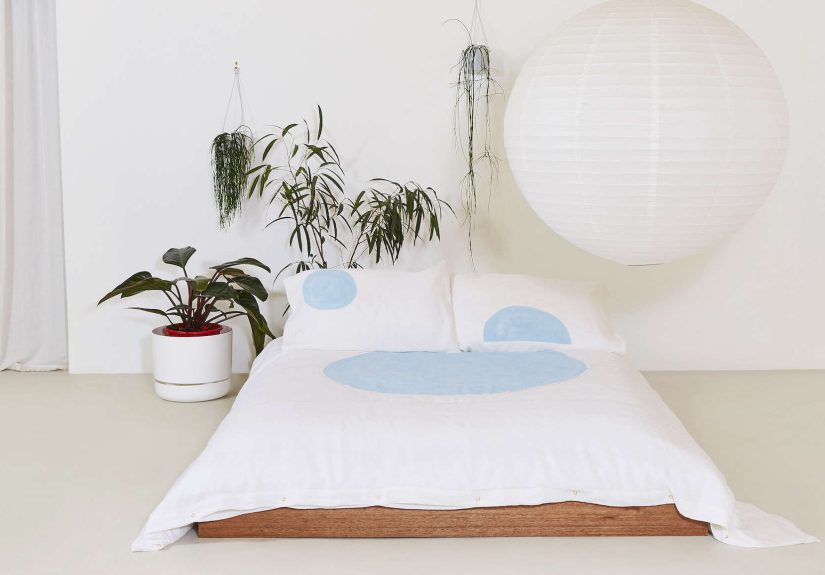
“Big Dreams” shows up in bedding as a theme because a bedroom is where dreams literally happenand also where you scroll “just one more video” until your phone begs for mercy. Many Big Dreams-inspired designs lean into calm color palettes, hand-drawn or painterly details, and small surprises like contrast stitching or embroidery.
One standout interpretation of the Big Dreams aesthetic is artisan linen: hand-painted tones (often chalky, muted hues) paired with delicate gold embroideryquietly bold, like wearing a blazer with sneakers. If that’s your lane, look for stonewashed linen or “washed linen” finishes that feel relaxed from day one, plus crafted details that don’t scream for attention but still feel special.
Prefer “Big Dreams” in a more classic direction? Crisp white percale with clean hems can give you that hotel-bed confidence. Want playful Big Dreams? Go graphic, go color, go patternjust keep the fabric breathable and the construction solid so your bed stays dreamy, not chaotic.
Pick Your Fabric Like You Pick Your Coffee Order
Your duvet cover fabric determines how your bed feels at 11 p.m. (cozy) and 3 a.m. (why am I sweating?). Here’s how the most common options stack up.
Cotton Percale: Crisp, Cool, and “Fresh Sheets” Energy
Percale is a plain weave cotton known for a cool, matte, crisp feel. If you like your bedding to feel airy, structured, and breathablepercale is the friend who shows up on time and remembers your birthday.
Best for: hot sleepers, humid climates, anyone who wants that clean, “just-made-the-bed” look without a glossy finish.
Cotton Sateen: Smooth, Drapey, and Slightly Luxe
Sateen is woven to feel silkier and look a bit shinier than percale. It drapes beautifully and feels warmer to many people. If percale is an iced latte, sateen is a caramel latte with extra foam.
Best for: people who love softness, a gentle sheen, and a cozier hand-feelespecially in cooler rooms.
Linen: Textured, Breathable, and Effortlessly Cool
Linen duvet covers are naturally breathable and moisture-friendly, and they get softer over time. The look is relaxed and lived-inlike your bed went to art school and now owns plants. Washed or stonewashed linen is especially popular for comfort because it starts softer and wrinkles in a charming, “I meant to do that” way.
Best for: year-round use, warm sleepers, and anyone who loves texture and a casual, elevated style.
Tencel/Lyocell or Eucalyptus Blends: Cooling and Silky
These fabrics are often praised for a smooth feel and cooling performance. If you run warm or want a duvet cover that feels sleek without being heavy, this category is worth a look.
Best for: hot sleepers, people who want soft + breathable without the crispness of percale.
Microfiber: Budget-Friendly and Low-Fuss
Microfiber duvet covers can be soft and affordable, often resisting wrinkles and washing easily. The tradeoff is breathability: some sleepers find synthetics warmer, especially in summer.
Best for: guest rooms, dorms, tight budgets, or anyone who wants easy care above all.
Weave, Thread Count, and the Great Marketing Mirage
Thread count gets talked about like it’s the only thing that matters. In real life, it’s more like a trivia fact: mildly interesting, not your whole personality. Quality depends on fiber (long-staple cotton tends to be stronger and smoother), weave, and finishingnot just a number on a package.
As a general vibe check: percale duvet covers often feel great in the 200–400 range, while sateen can feel plush at moderate counts too. Ultra-high thread counts can sometimes mean multi-ply yarn tricks, which don’t always translate into better breathability or durability. Translation: don’t let a giant number bully you into spending more.
If you’re shopping a Big Dreams duvet cover for comfort, prioritize how it feels (cool vs cozy), how it’s constructed, and whether it suits your climate and sleep style.
Construction Details That Separate “Dreamy” from “Annoying”
Corner Ties (Non-Negotiable for a Peaceful Life)
Corner ties (or interior loops) help keep the duvet insert from sliding into a sad lump at the foot of the bed. If you’ve ever woken up with the insert bunched like a croissant, you already understand.
Closures: Buttons vs Zippers vs Snaps
Buttons are classic and common, sometimes hidden for a cleaner look. Zippers make insertion fast and secure (and can feel more “sealed”). Snaps can be convenient, but quality varies. The best closure is the one you won’t noticebecause it just works.
Stitching and Seams
Look for neat stitching, reinforced seams, and thoughtful finishing. If you want your Big Dreams duvet cover to survive real life (pets, kids, snacks, repeat), strong seams matter as much as softness.
Size Matters (Yes, Even for Bedding)
Duvet covers are designed to match standard mattress sizestwin, full/queen, king/Cal kingbut inserts can vary by brand. The safest move is to check the insert dimensions and match them to the duvet cover dimensions, not just the size label.
Want a fluffier, more draped look? Some shoppers choose an oversized duvet cover, especially if they have a thicker mattress or love that “cloud bed” silhouette. Just don’t oversize so much that the insert swims inside the cover.
- Twin/Twin XL: Great for dorms, kids’ rooms, and minimalist adults who don’t sprawl like starfish.
- Full/Queen: Most common for shared beds that still want a tidy fit.
- King/Cal King: Best for wide beds, couples, and anyone who believes personal space is a human right.
How to Put On a Duvet Cover Without Starting a New Feud
The duvet-cover struggle is universal. Two helpful approaches:
- The inside-out flip: Turn the duvet cover inside out, line up the top corners with the insert, then roll/flip it down until it turns right-side out around the insert. Close the buttons or zipper, and you’re done.
- The “don’t lose your mind” method: Lay everything flat, align corners carefully, and secure ties before closing. (Yes, you still might mutter a few dramatic lines. That’s normal.)
Pro tip: keep the closure at the foot of the bed so it’s out of your face while you sleep. Your chin deserves peace.
Care Tips: Keep Your Big Dreams Duvet Cover Looking Fresh
Always check the care label first, but most duvet covers are machine-washable. A few fabric-specific tips:
- Cotton percale/sateen: Wash with mild detergent, avoid overloads, and consider lower heat to reduce wear.
- Linen: Gentle cycles and moderate heat help preserve fibers. Expect some wrinkleslinen’s whole brand is “relaxed.”
- Textured weaves (waffle/honeycomb): Wash inside-out to protect texture; avoid snaggy laundry buddies (zippers, hooks).
- Color care: Separate darks and brights, especially for painted or richly dyed designs.
If your duvet cover has embroidery or artisan-style detailing (very Big Dreams-coded), skip harsh bleach and treat it like the nice sweater you claim you only wear on “special occasions.”
Style It: Turning “Bed” into “Bedroom Goal”
A Big Dreams duvet cover can anchor your entire room. Use it like a design shortcut:
- Minimalist: Solid percale or linen + two textured pillows + one statement throw = calm, clean, confident.
- Artful: Painterly patterns or embroidered linen + simple sheets so the duvet cover gets the spotlight.
- Cozy cabin: Flannel-feel layers, warm neutrals, and a knit throw that screams “cancelled plans.”
- Hot-sleeper smart: Percale or breathable blends + lightweight insert + minimal layering.
The secret is balance: if the duvet cover has personality, keep the supporting cast quieter (sheets and shams in solids or subtle textures).
Sustainability and Certifications (Because Dreams Shouldn’t Be Toxic)
If sustainability matters to you, look for certifications that signal safer materials and manufacturing practices. Common ones include OEKO-TEX® (testing for harmful substances) and GOTS for organic textiles. Some brands also highlight traceable fibers like European flax linen or organic cotton sourcing.
Even if you’re not shopping exclusively “eco,” choosing a well-made duvet cover you’ll keep for years is its own kind of sustainable. The greenest duvet cover is the one you don’t replace every semester.
Quick Buying Checklist for a Big Dreams Duvet Cover
- Start with your sleep temperature: percale/linen for cool, sateen for cozy, breathable blends for in-between.
- Match dimensions, not labels: check your insert measurements.
- Demand interior ties: future-you will say thank you.
- Pick a closure you’ll enjoy using: zipper for speed, buttons for classic style.
- Choose a color/pattern that supports your room: statement cover, simpler accessoriesor vice versa.
- Prioritize quality stitching: especially if pets, kids, or snacks are part of the ecosystem.
FAQ: Big Dreams Duvet Cover Edition
Is a duvet cover better than a comforter?
It’s not either/or: a duvet cover works with a duvet insert (or comforter) to make washing easier and style changes faster. If you like swapping looks or you hate laundering bulky bedding, duvet covers are a win.
Button closure or zipperwhat’s best?
Zippers tend to be quicker and more secure; buttons are classic and easy to repair. If you change your cover often (or have limited patience), a zipper can feel like a gift from the bedding gods.
How often should I wash a duvet cover?
Many people wash every 1–2 weeks (similar to sheets), especially if they skip a top sheet, sleep with pets, or snack in bed. If your bed is purely for sleeping and you use a top sheet, you might stretch longerno judgment, only laundry realism.
Real-Life Experiences: Living with a Big Dreams Duvet Cover (The Fun, the Fluff, the Lessons)
My first “adult” duvet cover purchase was driven by equal parts optimism and delusion. I’d just moved into a new place and decided this was the moment I would become a Person With Matching Bedding. You know the type: throws folded like a magazine photo, pillows arranged in a way that implies no one actually sleeps there. I chose a Big Dreams-style duvet covercalm color, soft texture, subtle detailingbecause it felt like a tiny promise to myself: “We are going to be the kind of person who drinks water and owns a functioning laundry routine.”
The first week was glorious. The bed looked expensive even though my budget was more “streaming-service password sharing” than “boutique hotel.” I learned quickly that the magic wasn’t just the fabric; it was the construction. Interior corner ties? Absolute heroes. The night I forgot to tie them, I woke up to a duvet insert that had migrated south like it was trying to escape a bad situation. The next morning I re-tied everything and apologized to the bedding for doubting it.
Then came the seasons. In summer, I realized my body runs warm (read: I can turn a cool room into a tropical climate by simply existing). Switching to a breathable, crisp weave made a bigger difference than I expected. A Big Dreams duvet cover in percale or washed linen feels like sleeping in a breeze instead of inside a burrito. In winter, I kept the same cover but swapped the insertsuddenly the bed felt cozy without getting heavy or stuffy. That’s the underrated perk: the cover stays, the warmth level changes with the insert. It’s like having a closet for your bed.
The most “real life” test arrived on four paws. If you share your bed with a pet, you already know: fur is not a phase; it’s a lifestyle. I found that lighter colors look fresh and airy, but they also reveal the truth of your household faster. Textured weaves can hide minor sins (fur, tiny lint, the evidence of a life well-lived), while super-smooth fabrics show everything like HD television. The compromise? A mid-tone color with some textureand a lint roller that lives in the nightstand like it pays rent.
Washing taught me patience. The first time I laundered a new duvet cover, I treated it like a rugged towel and cranked the heat. Rookie mistake. Softer cycles and sensible drying keep the fabric looking better longer. Linen relaxed into that perfectly imperfect look. Cotton stayed crisp when I didn’t over-dry it. And once I learned the inside-out flip method for putting it back on, I stopped turning duvet day into an upper-body workout. The biggest lesson? The “dream” isn’t perfection. It’s a bed that makes you want to climb in, exhale, and feel like tomorrow might be easierespecially when your duvet cover is doing half the emotional labor by looking that good.
Conclusion
A Big Dreams duvet cover is more than beddingit’s the fastest way to upgrade how your room feels and how your bed sleeps. Choose a fabric that matches your temperature (percale and linen for cool sleepers; sateen for cozy comfort), insist on practical details like corner ties and a closure you won’t fight with, and size it to your insertnot just the label. Then style it simply and let the duvet cover do what it does best: make every night feel a little more intentional (even if your “intentional” is just sleeping like a champion).