Table of Contents >> Show >> Hide
- Why This Casserole Works (A Tiny Bit of Breakfast Science)
- Main Keyword to Know
- Ingredients
- Step-by-Step Instructions
- Make-Ahead, Storage, and Food Safety
- Flavor Upgrades and Variations
- Troubleshooting (Because Breakfast Shouldn’t Be Stressful)
- Serving Ideas
- Conclusion
- of Real-Life Experience With This Casserole
If French toast is the life of the brunch party, this casserole is the friend who shows up with a great playlist, a backup phone charger,
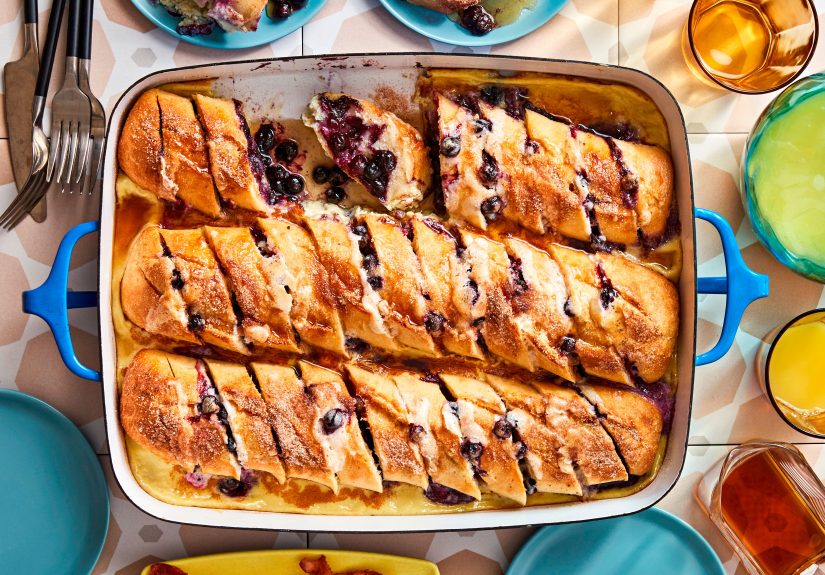
and somehow still looks put-together. You get a golden, bakery-style top, a custardy middle, pockets of creamy mascarpone,
and blueberries that burst like tiny breakfast fireworks. Best part: you do most of the work the night before, which means your morning self
can focus on the truly important stufflike remembering where you put the coffee.
Why This Casserole Works (A Tiny Bit of Breakfast Science)
A great French toast casserole is basically a bread-and-custard negotiation. The bread wants structure; the custard wants to soak in.
When you use sturdy bread (think baguette, challah, brioche, or thick-cut country loaf), you get a casserole that’s soft inside without turning
into sweet breakfast soup. Drying the bread first helps it absorb custard evenly, which prevents soggy pockets and dry corners.
Mascarpone is the “rich friend” of the cheese worldmild, creamy, and luxuriousso it adds a dessert-like texture without tasting tangy.
Blueberries bring brightness and contrast, cutting through the richness so each bite feels balanced instead of heavy.
Main Keyword to Know
If you’re publishing this online, the phrase Blueberry and Mascarpone-Stuffed French Toast Casserole should appear naturally
in the introduction, a few headings, and once or twice in the bodyno need to wrestle it into every sentence like it owes you money.
Ingredients
For the Bread Base
- 1 large loaf sturdy bread (baguette, challah, brioche, or thick-sliced French bread), cut into 1-inch cubes (about 10–12 cups)
- 2 cups fresh blueberries (or frozen, thawed and well-drained)
- Butter (for greasing the baking dish)
For the Mascarpone Filling
- 8 oz mascarpone, softened
- 4 oz cream cheese, softened (optional, for extra structure)
- 1/3 cup powdered sugar (adjust to taste)
- 1 tsp vanilla extract
- Zest of 1 lemon (optional, but highly recommended for “wow”)
- Pinch of salt
For the Custard
- 6 large eggs
- 2 1/2 cups milk (whole milk is best; 2% works)
- 1/2 cup heavy cream (or replace with more milk)
- 1/2 cup granulated sugar (or 1/3 cup if you prefer less sweet)
- 1 tbsp vanilla extract
- 1 1/2 tsp ground cinnamon
- 1/4 tsp nutmeg (optional)
- 1/2 tsp salt
Optional Crunchy Topping
- 1/2 cup brown sugar
- 1/3 cup flour
- 1 tsp cinnamon
- 4 tbsp butter, cold and cubed
- 1/3 cup chopped pecans (optional)
For Serving
- Maple syrup
- Powdered sugar
- Extra blueberries
- Whipped cream or Greek yogurt
- Lemon wedges (sounds odd; tastes right)
Step-by-Step Instructions
1) Dry the Bread (This Is the Secret Handshake)
If your bread is already a little stale, congratulationsyou’ve accidentally meal-prepped.
If it’s fresh, spread the cubes on a sheet pan and let them sit out for 1–3 hours, or bake them at
300°F for about 10–15 minutes until the surface feels dry (not toasted like croutons).
Drier bread absorbs custard better and bakes up with a more consistent texture.
2) Make the Mascarpone Filling
In a bowl, mix mascarpone (and cream cheese if using) with powdered sugar, vanilla, lemon zest, salt, and cinnamon if you want.
You’re aiming for smooth and spreadablelike a frosting that went to culinary school.
If it feels stiff, let it sit at room temp for 10 minutes and try again.
3) Assemble the Layers
- Grease a 9×13-inch baking dish generously with butter.
- Add half the bread cubes in an even layer.
- Dollop the mascarpone mixture over the bread (spoonfuls all over), then gently spread it a bit. It doesn’t need perfectionthis isn’t a geometry test.
- Scatter half the blueberries over the top.
- Add the remaining bread cubes and the rest of the blueberries.
4) Whisk the Custard and Pour
In a large bowl, whisk eggs, milk, cream, sugar, vanilla, cinnamon, nutmeg (if using), and salt until smooth.
Pour slowly and evenly over the casserole. Press the bread down gently with a spatula so the top layer starts absorbing.
Cover tightly with foil or wrap.
5) Chill Overnight (Or at Least Long Enough to Feel Responsible)
Refrigerate for 8–12 hours so the custard fully penetrates the bread.
This is how you get that dreamy custardy center without dry patches.
6) Add the Topping (Optional, but Crunchy Things Are Joy)
If using the crunchy topping, combine brown sugar, flour, cinnamon, and pecans. Cut in cold butter with a fork until you get sandy clumps.
Sprinkle it over the casserole right before baking.
7) Bake
Heat oven to 350°F. Let the chilled casserole sit at room temperature for 10–15 minutes while the oven heats
(this helps it bake more evenly).
- Bake covered for 30 minutes.
- Remove foil and bake another 20–30 minutes until the top is golden and the center is set.
- For best results, aim for an internal temperature around 160°F in the center.
- Rest for 10–15 minutes before serving. This is where the custard finishes setting and slices look prettier.
Make-Ahead, Storage, and Food Safety
This is a make-ahead breakfast, but it’s still an egg-based dishso timing matters. Assemble, refrigerate, and bake within about
24 hours for best quality and safety. Once baked, refrigerate leftovers within 2 hours.
- Refrigerator: Store leftovers covered for up to 3–4 days.
- Freezer: Freeze baked portions tightly wrapped for up to 2–3 months (texture stays best if thawed overnight in the fridge).
- Reheat: Warm slices in a 325°F oven until heated through, or microwave gently. Add a splash of milk if it looks dry.
Flavor Upgrades and Variations
Use Lemon Like a Pro
Blueberry + lemon is a classic for a reason. Add zest to the mascarpone, and serve with lemon wedges or a quick lemon glaze.
It makes the casserole taste brighter and less “dessert for breakfast” (unless that’s your goal, in which case: carry on).
Swap the Berries
Try raspberries for more tang, blackberries for deeper flavor, or a mixed berry blend. If using frozen fruit, drain it well to avoid excess liquid.
Change the Bread
Brioche gives a richer, softer bite. Challah stays tender but holds its shape. Baguette gives chew and structure.
The sturdier the bread, the less likely you are to end up with a casserole that eats like pudding.
Make It Less Sweet
Reduce sugar in the custard to 1/3 cup and skip the streusel topping. Serve with fresh fruit and a light drizzle of maple syrup instead.
Troubleshooting (Because Breakfast Shouldn’t Be Stressful)
“My casserole is soggy.”
- Your bread may have been too freshdry it next time.
- Frozen blueberries can leak extra moisturedrain well and consider tossing with 1–2 tsp cornstarch.
- It may need more bake time uncovered to set the center.
“The top is getting too dark.”
- Tent loosely with foil for the last 10–15 minutes.
- Move the dish to a lower oven rack.
“The mascarpone disappeared.”
- Dollop in thicker spoonfuls and spread lightlydon’t overmix into the bread.
- Adding a bit of cream cheese helps the filling stay more distinct when baked.
Serving Ideas
For a brunch spread: pair this casserole with something salty (bacon, sausage, or a veggie frittata),
plus a big bowl of fruit and coffee strong enough to answer emails.
For presentation points: dust with powdered sugar, add fresh blueberries, and serve with warm maple syrup.
If you want to feel fancy, add a spoonful of lightly sweetened whipped cream and a pinch of lemon zest on top.
Conclusion
Blueberry and Mascarpone-Stuffed French Toast Casserole is the kind of make-ahead breakfast that feels special without requiring you to wake up at 5 a.m.
With sturdy bread, an overnight soak, and a creamy mascarpone layer, you get a brunch-worthy bake that slices beautifully and tastes like a bakery vacation.
Whether you go full streusel or keep it simple with fruit and syrup, it’s an easy win for holidays, weekends, or any morning you want to impress people
(including yourself).
of Real-Life Experience With This Casserole
People tend to remember two things after making a stuffed French toast casserole: how easy it was to pull off, and how quickly it disappears.
There’s a specific kind of joy that happens when a dish looks “special occasion fancy,” but the effort was mostly done the night before in pajamas.
This is why baked French toast casseroles show up at holiday mornings, baby showers, and any brunch where someone says, “We should do this more often,”
even though everyone knows they won’t.
The first common “aha” moment is the bread. Many home cooks assume any bread will behave the same, and then get surprised when fresh sandwich bread
turns soft in a way that’s not charming. Once you try a sturdier loafbaguette, challah, brioche, or thick French breadyou notice how the casserole
becomes sliceable and satisfying. The outside browns, the inside stays custardy, and you don’t need a spoon to rescue it from the pan.
That small adjustment can make the difference between “nice breakfast” and “why is everyone asking for the recipe?”
The second lesson is blueberries. Fresh berries are forgiving, but frozen berries can be dramatic in the way only frozen fruit can beleaking purple
juices like they’re auditioning for a soap opera. The usual fix is simple: thaw, drain, and pat dry, or toss lightly with cornstarch before layering.
This keeps the custard from getting watery and helps the final texture stay plush instead of loose.
Then there’s the mascarpone layer, which is basically the casserole’s personality. When it’s dolloped generously, you get pockets of creamy richness
that taste like cheesecake’s breakfast cousin. Some cooks like mixing mascarpone with a little cream cheese because it holds its shape more confidently.
Others keep it all mascarpone for maximum silkiness. Both workwhat matters is keeping the layer distinct, not smeared too thin, so each slice gets
that “stuffed” effect.
Finally, there’s the morning-of ritual: pulling the dish from the fridge, watching the oven do the heavy lifting, and enjoying the smell that makes
the whole kitchen feel warmer. People often discover the casserole tastes best after a short restabout 10 to 15 minutesbecause the custard firms up
and the slices cut cleanly. That little pause also conveniently gives you time to set out syrup, coffee, and maybe pretend the counter cleaned itself.
In the end, this casserole becomes more than a recipe. It’s a brunch strategy: do the work once, feed a crowd, and earn the kind of compliments that
make you consider printing business cards that say, “Yes, I made this. Yes, it was easy. No, you can’t move in.”