Table of Contents >> Show >> Hide
- Table of contents
- What is a brain stem stroke?
- Symptoms: why brain stem strokes can feel “weird”
- Use “BE FAST” (especially for posterior circulation strokes)
- Balance/vertigo symptoms (and why they get misunderstood)
- Eye and vision changes
- Speech changes, swallowing problems, and “bulbar” symptoms
- Weakness, numbness, and “crossed” symptoms
- Altered consciousness and severe presentations
- Locked-in syndrome (rare, but important to know)
- When to call 911 (and what to do while you wait)
- Causes and risk factors
- How doctors diagnose a brain stem stroke
- Treatment: the time-sensitive part
- Recovery: what rehab often looks like
- Outlook: what influences long-term recovery
- Prevention after a brain stem stroke
- FAQ
- Experiences: what recovery can feel like (and what many people don’t warn you about)
- Conclusion
If the brain were a Broadway show, the brain stem would be the stage manager, lighting tech, sound engineer, and emergency backup generatorall rolled into a half-inch-ish bundle that keeps the whole production alive. So when a stroke hits the brain stem, it can look “different” from the classic one-sided weakness people expect. Symptoms may be subtle, bizarre, or downright unfair. And because the brain stem helps run breathing, swallowing, heart rate, eye movements, and alertness, the stakes are high and time matterslike, “call 911 now” matters.
This guide breaks down brain stem stroke symptoms (including the ones that masquerade as something else), what recovery often involves, and what “outlook” really means in real lifenot just on paper.
What is a brain stem stroke?
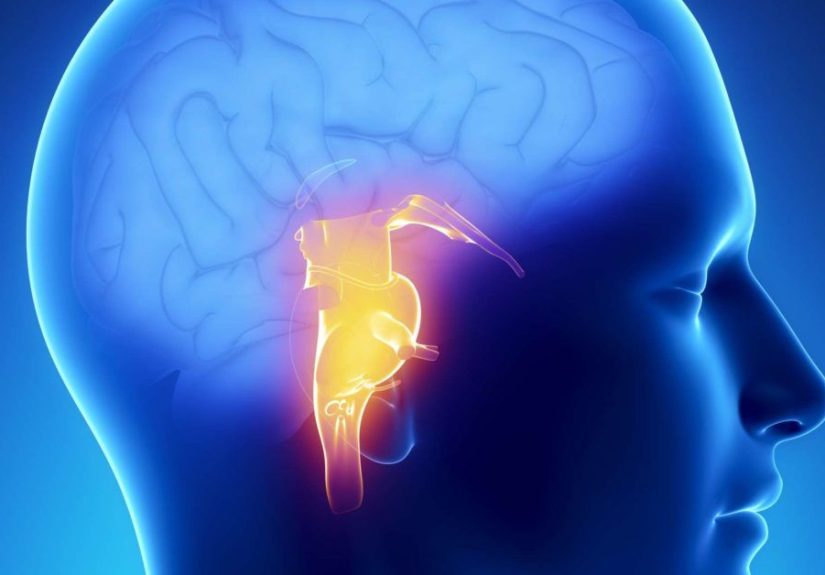
A brain stem stroke happens when blood flow to part of the brain stem is blocked (ischemic stroke) or when a blood vessel ruptures and bleeds (hemorrhagic stroke). The brain stem sits at the base of the brain and connects the brain to the spinal cord. It includes the midbrain, pons, and medullaareas packed with “wiring” for movement, sensation, balance, alertness, and vital functions like breathing and swallowing.
Many brain stem strokes involve the posterior circulationthe vertebral and basilar arteries and their branchesso you may also see terms like vertebrobasilar stroke or basilar artery occlusion. These aren’t just fancy words; they hint at why symptoms can be less obvious than the classic “face droop and one weak arm” story.
Why brain stem strokes are different
In strokes affecting the front part of the brain (anterior circulation), one-sided weakness and speech problems often dominate. Brain stem strokes can do that toobut they also commonly cause problems with:
- Balance and coordination (sudden severe unsteadiness)
- Eye movements and vision (double vision, abnormal eye motion)
- Swallowing and voice (choking, hoarse voice, slurred speech)
- Consciousness (confusion, drowsiness, fainting, coma)
- Breathing and heart rate regulation (in severe cases)
Symptoms: why brain stem strokes can feel “weird”
Brain stem strokes can be complex and harder to recognize. The American Stroke Association notes that people may have vertigo, dizziness, and severe imbalance without the typical one-sided weakness, and that dizziness alone is usually not enough to scream “stroke”it’s the combo of symptoms that should set off alarms.
Use “BE FAST” (especially for posterior circulation strokes)
You may already know FAST (Face, Arm, Speech, Time). Many clinicians and health organizations also use BE FAST to add two common stroke clues that show up in brain stem and posterior strokes:
- B Balance: sudden loss of balance, trouble walking, severe dizziness, lack of coordination
- E Eyes: sudden vision changes, double vision, trouble focusing, abnormal eye movements
- F Face: facial droop or numbness
- A Arms: arm (or leg) weakness or numbness, often on one side
- S Speech: slurred speech, trouble speaking, or trouble understanding
- T Time: call 911 immediately
Balance/vertigo symptoms (and why they get misunderstood)
Sudden vertigo can be caused by inner ear issuesbut a brain stem stroke can also trigger intense spinning sensations, severe unsteadiness, or inability to walk straight. A helpful rule of thumb: if vertigo comes with neurological red flags (double vision, slurred speech, weakness, numbness, severe imbalance, confusion), treat it like an emergency.
Example: Someone stands up from the couch and the room spins hard. They also notice their words are coming out “mushy,” and they can’t coordinate their steps without grabbing the wall. That clusterbalance + speechneeds urgent evaluation.
Eye and vision changes
The brain stem helps control eye movements. A stroke here may cause:
- Double vision (diplopia)
- Blurred vision or difficulty focusing
- Droopy eyelid
- Abnormal eye movements (eyes “jerking” or not moving together)
People sometimes describe it as “my eyes won’t cooperate,” which is surprisingly accurate.
Speech changes, swallowing problems, and “bulbar” symptoms
Brain stem strokes can affect the cranial nerves that coordinate the mouth and throat. Symptoms may include:
- Slurred speech (dysarthria)
- Difficulty swallowing (dysphagia), choking, or coughing when drinking liquids
- Hoarse or weak voice
- Drooling or trouble managing saliva
Swallowing problems aren’t just annoyingthey can raise the risk of aspiration (food/liquid going into the airway), pneumonia, and malnutrition. That’s why swallow screening is a big deal in the hospital.
Weakness, numbness, and “crossed” symptoms
Brain stem strokes may still cause weakness or numbness on one side of the body. Sometimes, because of how nerve pathways cross, people can have unusual patternslike facial numbness on one side and body weakness on the other. This is one reason clinicians take “odd” neurological combinations seriously.
Altered consciousness and severe presentations
Because the brain stem helps maintain alertness, a significant stroke can cause profound drowsiness, confusion, fainting, or coma. This is not the “nap you didn’t ask for.” It’s a medical emergency.
Locked-in syndrome (rare, but important to know)
The most severe brain stem strokesoften involving the ponscan cause locked-in syndrome, where a person is conscious but unable to move most muscles. In many cases, vertical eye movements and blinking are preserved, allowing some communication. It’s rare, but it’s one reason brain stem strokes are treated with maximum urgency.
When to call 911 (and what to do while you wait)
Call 911 immediately if you suspect a strokeeven if symptoms come and go or improve. Minutes matter. Brain cells don’t do “extended warranty” plans.
What to say to the dispatcher
- “I think this is a stroke.”
- Describe the symptoms (balance, eyes, speech, weakness, confusion, swallowing problems).
- State the exact time symptoms started (or the last time the person was known well).
What not to do
- Don’t drive yourself (EMS can start care sooner and route to a stroke-capable hospital).
- Don’t give food, drink, or pills if swallowing is impaired.
- Don’t “sleep it off.” Strokes don’t respect naps.
Causes and risk factors
Brain stem strokes can be ischemic (from a clot blocking blood flow) or hemorrhagic (from bleeding). Ischemic strokes are more common overall.
Common ischemic causes
- Large vessel blockage in vertebral or basilar arteries (including basilar artery occlusion)
- Small vessel disease (tiny penetrating arteries affected by long-term high blood pressure or diabetes)
- Cardioembolism (clots traveling from the heart, often with atrial fibrillation)
- Artery dissection (a tear in the artery lining, sometimes after neck trauma)
Common hemorrhagic contributors
- Uncontrolled high blood pressure
- Blood vessel abnormalities
- Blood thinners (increased bleeding risk, not a “cause” by itself, but relevant)
Risk factors you can actually do something about
You can’t change your age or genetics, but you can tackle the “big levers” that drive stroke risk: high blood pressure, diabetes, high cholesterol, smoking, inactivity, obesity, sleep apnea, and atrial fibrillation (which needs medical management).
How doctors diagnose a brain stem stroke
In the ER, clinicians combine symptom history, a neurological exam, and brain/vascular imaging. Posterior circulation and brain stem strokes can be tricky, so hospitals often move quickly to advanced imaging when symptoms suggest it.
Key steps you may see
- Neurological exam: strength, sensation, speech, coordination, eye movements, reflexes
- CT scan: often used first to check for bleeding
- MRI (especially diffusion-weighted imaging): can detect early ischemic stroke more sensitively
- CT angiography or MR angiography: checks for large vessel blockage in arteries like the basilar artery
- Heart rhythm testing (ECG/monitoring) and sometimes echocardiography to look for embolic sources
- Swallow screening early, because dysphagia is common and risky
If dizziness and imbalance are prominent, trained clinicians may do bedside eye movement testing and other focused exams to help distinguish stroke from benign inner-ear problemsthen confirm with imaging when appropriate.
Treatment: the time-sensitive part
Acute stroke treatment depends on whether the stroke is ischemic or hemorrhagicand on how fast you get to care. With ischemic strokes, the goal is to restore blood flow and limit brain injury. With hemorrhagic strokes, the goal is to control bleeding, manage pressure, and prevent complications.
Emergency treatment for ischemic brain stem stroke
- Clot-busting medication (thrombolysis): In eligible patients, an IV thrombolytic may be given within a time window from symptom onset. Eligibility depends on multiple factors, including bleeding risk and imaging findings.
- Mechanical thrombectomy: For certain large vessel occlusions, specialists may remove a clot using a catheter-based procedure. This can be especially relevant when the basilar artery is blocked.
- Supportive care: oxygen if needed, blood pressure management, blood sugar control, fever prevention, and careful airway/swallowing management.
Emergency treatment for hemorrhagic brain stem stroke
- Rapid imaging confirmation and monitoring in a high-acuity setting (often ICU)
- Blood pressure control and reversal of anticoagulation when appropriate
- Neurosurgical consultation in selected cases (depending on bleed type/location and clinical status)
Early complications doctors watch for
- Swallowing problems and aspiration pneumonia
- Breathing difficulties
- Blood clots in the legs (DVT) and pulmonary embolism
- Falls (balance and vision issues can be intense early on)
- Depression, anxiety, and sleep disruption
Recovery: what rehab often looks like
Recovery after a brain stem stroke is highly individual. Some people improve dramatically; others face long-term disability. Most recoveries involve a mix of healing, compensation (learning new strategies), and neuroplasticity (the brain rewiring). Progress often looks less like a straight line and more like a hiking trail with switchbacks.
The rehab team (your brain’s new pit crew)
- Physical therapy (PT): walking, balance, strength, coordination, fall prevention
- Occupational therapy (OT): daily activities, adaptive tools, vision strategies, returning to work
- Speech-language pathology (SLP): speech clarity, swallowing therapy, communication tools
- Rehab medicine and neurology: medications, spasticity management, fatigue strategies
- Psychology/psychiatry: mood, trauma after ICU, adjustment, cognitive coping
Swallowing recovery (dysphagia) and nutrition
Dysphagia is common after brain stem strokes and can be more severe than in some other stroke locations. Early swallow evaluation helps determine whether a person can safely eat and drink. Therapy may include posture changes, exercises, pacing strategies, modified diet textures, and in some cases temporary feeding tubes while swallowing function recovers.
Eye movement and vision rehab
Double vision, gaze palsies, or abnormal eye movements can be exhausting and disorienting. Management may include prisms, patching strategies (sometimes alternating eyes), targeted vision therapy, and careful follow-up with neurology and ophthalmology/neuro-ophthalmology.
Balance and walking
Brain stem stroke survivors often describe early recovery as “my body is a toddler on a sugar rushwobbly and unpredictable.” PT focuses on safe standing, controlled turns, gait training, and progressive balance challenges. Assistive devices (cane, walker) can be temporary or long-term, and using them is not “giving up”it’s choosing not to audition for a slapstick comedy.
Speech, voice, and communication
Slurred speech (dysarthria) can improve with time and therapy. People may work on breath support, articulation, pacing, and volume. If speech is severely affected, communication boards or digital tools can bridge the gap.
Fatigue and the invisible workload
Post-stroke fatigue is real. The brain is healing while also relearning tasks. Many survivors improve faster when they treat rest as part of rehab, not as “quitting.” Think of it as charging the battery that powers neuroplasticity.
Secondary prevention during recovery
Recovery isn’t only about regaining skillsit’s also about reducing the chance of another stroke. Depending on the cause, this may include antiplatelet therapy, anticoagulation for atrial fibrillation, statins, blood pressure medications, diabetes management, smoking cessation, and lifestyle changes guided by the care team.
Outlook: what influences long-term recovery
The “outlook” after a brain stem stroke ranges from mild symptoms with good functional recovery to life-changing disability. Several factors shape prognosis:
- Stroke type: ischemic vs hemorrhagic
- Location and size: which brain stem region is affected and how extensively
- Speed of treatment: faster restoration of blood flow generally improves chances in ischemic stroke
- Presence of large vessel occlusion: basilar artery blockage can be especially severe
- Age and overall health: heart rhythm issues, diabetes, and other conditions matter
- Early complications: pneumonia, breathing issues, severe dysphagia
- Access to rehab: intensity and continuity of therapy often influence functional outcomes
What “recovery” often means in practice
Recovery can mean returning to your previous life with minor changes, or building a new version of normal. Many people continue to make gains for months, sometimes longer, especially with consistent therapy and targeted practice. Even when deficits remain, adaptive strategies can improve independence and quality of life.
Prevention after a brain stem stroke
After a stroke, prevention becomes part of the treatment plan. The exact strategy depends on the cause, but commonly includes:
- Blood pressure control (often the biggest modifiable risk factor)
- Cholesterol management (frequently with statins)
- Diabetes management
- Smoking cessation and avoiding secondhand smoke
- Managing atrial fibrillation with appropriate anticoagulation when indicated
- Healthy activity and diet tailored to recovery and safety
- Sleep apnea evaluation when suspected
The goal isn’t perfectionit’s stacking the odds in your favor, one controllable factor at a time.
FAQ
Can a brain stem stroke be missed at first?
It can be, especially if symptoms look like an inner-ear issue (vertigo) or if weakness is mild or absent. That’s why sudden severe imbalance, double vision, slurred speech, trouble swallowing, or altered consciousness should trigger urgent medical evaluation.
Do symptoms always include one-sided weakness?
No. Brain stem strokes may present with dizziness, imbalance, eye movement problems, or swallowing difficulties. Weakness can occur, but it may not be the headline symptom.
How long does recovery take?
There’s no universal timeline. Some improvements happen quickly in the first days to weeks; other gains build over months with therapy. The trajectory depends on stroke severity, complications, and rehabilitation intensity.
Is recovery still possible after severe symptoms?
Yesrecovery is possible, but severe brain stem strokes can cause significant long-term disability. Early emergency treatment, strong supportive care, and specialized rehabilitation can make a meaningful difference.
What’s the biggest “don’t ignore this” sign?
Sudden neurological changesespecially a BE FAST combination (balance trouble, eye changes, facial droop, limb weakness, speech changes)mean call 911. If swallowing suddenly becomes difficult or speech becomes slurred along with dizziness or double vision, treat it as urgent.
Experiences: what recovery can feel like (and what many people don’t warn you about)
The medical charts talk about “deficits” and “functional outcomes.” Survivors talk about Tuesday: the day the shower felt like a triathlon, the day soup required a game plan, the day the hallway looked like it was tilting for no reason. After a brain stem stroke, many people describe the early phase as a strange mix of intense gratitude (“I’m alive”) and intense confusion (“Why does my body feel like it’s operating on the wrong software update?”).
In the hospital, a lot of the experience is about safety. Nurses and therapists may insist on swallow checks before anyone hands you waterannoying in the moment, protective in the long run. Some people are surprised by how emotional eating becomes when textures change: thickened liquids, pureed foods, small sips, slow pacing. It’s not just nutrition; it’s social life, comfort, and identity wrapped in a spoon.
Dizziness and imbalance can be especially unsettling because they don’t always “look” dramatic to other people. Survivors often say the hardest part is explaining that they feel like they’re on a boateven while sitting down. That sensation can make crowds, bright stores, and busy patterns feel overwhelming. Many learn coping tricks: sunglasses indoors (yes, really), strategic seating, slower head turns, and scheduled breaks so the nervous system can calm down.
Vision issues can add a whole extra layer. Double vision can make simple taskstexting, pouring coffee, walking down stairsfeel like an obstacle course. People often describe a period of trial-and-error with patches, prisms, and therapy exercises. Small wins matter here: reading a page without nausea, tracking a moving object without dizziness, walking while keeping eyes stable.
Rehab itself can feel humbling. PT and OT may celebrate things adults usually take for granted: standing up smoothly, turning without wobbling, stepping over a line on the floor. And yet that celebration is part of the secret sauce. Many survivors report that momentum builds when progress is measured in “micro-victories”: one more step, one less stumble, one clearer sentence, one meal without coughing.
The emotional side is real, too. A brain stem stroke can be traumatic: sudden symptoms, emergency transport, ICU monitors, fear of choking, fear of falling, fear of “what if it happens again.” Some people feel down or irritable as the adrenaline wears off. Others grieve the temporary loss of independence. Caregivers often experience their own whiplashrelief mixed with exhaustion. Counseling, stroke support groups, and honest conversations with the rehab team can help normalize these reactions and build strategies that actually fit daily life.
Over time, many people find that recovery becomes less about “going back” and more about “going forward.” That might mean returning to work with accommodations, choosing safer hobbies, rebuilding stamina, or learning to say, without shame: “I need a break.” It’s not weakness. It’s wisdom.
Conclusion
A brain stem stroke can show up with classic stroke signsor with sneaky symptoms like severe imbalance, double vision, and swallowing trouble. Knowing BE FAST, treating sudden neurological changes as an emergency, and getting rapid evaluation can change the trajectory. Recovery can be demanding, but targeted rehabilitation, complication prevention (especially swallowing safety), and strong secondary prevention give many survivors a path toward meaningful improvement and quality of life.