Table of Contents >> Show >> Hide
- Why the Ghost 16 Is “Podiatrist-Loved” (and What That Means in Real Life)
- Ghost 16 Specs and Design: What You’re Actually Buying
- Who Should Buy the Ghost 16 (and Who Should Choose Something Else)
- How to Shop the Ghost 16 Sale Without Getting Tricked by a “Deal”
- Fit and Sizing Tips: Getting the “Ahh” Instead of the “Ow”
- Foot-Condition Friendly: Why Experts Often Recommend Supportive Running Shoes
- Ghost 16 vs. Other Popular Brooks Options
- How to Make Your Sale Score Last Longer
- Bottom Line: Why the Ghost 16 Sale Is Worth Paying Attention To
- Experiences: What People Notice When They Switch to the Ghost 16 (500+ Words)
There are two kinds of running-shoe shoppers in the world: the “I pick whatever looks fast” crowd and the “I would like my feet to stop filing complaints” crowd.
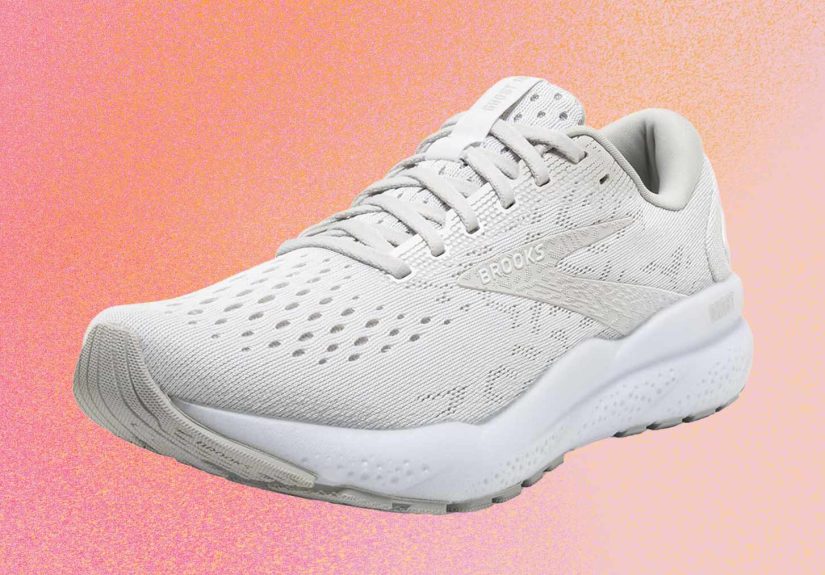
The Brooks Ghost 16 is for the second group… but it wins over the first group, too, because it’s a classic daily trainer that feels smooth, fits securely, and doesn’t ask you to become a biomechanics professor.
The best part right now? Ghost 16 deals have been popping up across major retailers, especially in select colors and sizesmaking it one of those rare “responsible purchase” moments that still feels like a score.
In this deep-dive, we’ll break down why podiatrists and foot-health experts often point people toward models like the Ghost line, what’s actually new in the Ghost 16,
how it fits, who it’s best for, and how to shop the sale without ending up with “great price, wrong shoe” regret.
(Because nothing ruins a discount like a blister that writes poetry about betrayal.)
Why the Ghost 16 Is “Podiatrist-Loved” (and What That Means in Real Life)
It has the APMA Seal of Acceptance
One reason the Ghost 16 gets tossed into the “podiatrist-approved” conversation is that it carries the American Podiatric Medical Association (APMA) Seal of Acceptance.
Translation: the product has been reviewed by APMA’s program and is recognized as promoting good foot health. That’s not a magical guarantee that every foot issue disappears,
but it is a meaningful signal that the shoe’s design checks important foot-friendly boxes.
Balanced cushioning + smooth transitions = less “angry feet energy”
The Ghost has long been the dependable “Goldilocks” shoesoft enough to be comfortable, not so squishy that you feel unstable.
Reviewers often describe it as a reliable, easy ride for everyday miles, walking, and all-day wear. In other words: it’s built for the kind of real-world use where your feet
don’t care about hypethey care about not aching by 3 p.m.
Ghost 16 Specs and Design: What You’re Actually Buying
Midsole: nitrogen-infused DNA LOFT v3 cushioning
The Ghost 16 uses nitrogen-infused DNA LOFT v3 foam, designed to feel soft while staying lightweight and responsive. If you’ve tried older Ghost versions and thought,
“Nice, but I wish it felt a little livelier,” this update is the headline. It’s still a neutral, daily trainer at heartjust with a more modern underfoot feel.
Drop and weight: friendly for heel strikers and everyday comfort seekers
The men’s Ghost 16 is listed with a 12 mm heel-to-toe drop and a weight around 9.5 oz (men’s spec). Women’s listings commonly show a similar 12 mm offset with a lighter
weight around 8.5 oz (women’s spec). That higher drop can feel especially natural for heel strikers and walkers who like a little extra heel cushion on landing.
Upper: engineered air mesh for a secure, breathable fit
Brooks describes an engineered air mesh upper that blends stretch and structure. In plain English: it’s meant to hold your foot without feeling like you’re wearing a
plastic-wrapped sandwich. A comfortable upper matters more than people thinkbecause “supportive” doesn’t help if the shoe rubs your heel raw.
Outsole: RoadTack rubber for grip and durability
The Ghost 16 uses Brooks’ RoadTack rubber outsole, built for road traction and steady wear. Retail product details also highlight recycled content in the outsole compound,
which is a nice bonus if you like your daily trainer with a side of sustainability.
Sustainability: recycled upper materials and CarbonNeutral certification
Brooks emphasizes sustainability metrics for the Ghost 16, including a high percentage of recycled material in the upper and CarbonNeutral product certification for the style.
If you’re replacing running shoes regularly (as most runners should), these details won’t be your only deciding factorbut they’re a welcome “less guilt, more miles” perk.
Who Should Buy the Ghost 16 (and Who Should Choose Something Else)
The Ghost 16 is a great pick if you want:
- A neutral daily trainer for road miles, treadmill runs, walking, and general wear.
- Balanced cushioning that feels comfortable without turning every step into a marshmallow field trip.
- A smoother heel-to-toe transition (especially if you land on your heel first).
- A shoe that plays well with orthotics thanks to a stable, classic trainer platform.
- One pair that can do most thingsthe “I don’t want a shoe wardrobe” solution.
You might skip it if you need:
- Stability features for overpronation (consider a stability model like Brooks Adrenaline GTS instead).
- Max-cushion, ultra-plush softness (you may prefer something like Brooks Glycerin or another max-cushion trainer).
- A super-rockered ride (the Ghost is smooth, but it’s not an aggressive “propel you forward” rocker shoe).
How to Shop the Ghost 16 Sale Without Getting Tricked by a “Deal”
1) Expect the best prices on specific colors and sizes
With popular models, retailers often discount certain colorways first. If you’re flexible on color (and you don’t mind looking like a tasteful highlighter),
your odds of finding a real bargain go way up.
2) Know the typical full price so you can spot a real markdown
The Ghost 16 commonly lists around the mid-$100s at full price, and major retailers may show it near $140 when not discounted. Sale pricing can dip significantly
(sometimes near $90–$110) depending on inventory and timing. The key: compare across a couple of reputable retailers and check return policies.
3) Look for seasonal sale windows (and don’t ignore “post-holiday” deals)
Footwear discounts tend to spike around big retail momentsmid-summer promos, back-to-school, Black Friday/Cyber Week, and post-holiday clearances.
If you’re reading this during early January, you’re in a prime time window when “after-Christmas” markdowns can still be active.
4) Shop retailers with easy returns (your feet deserve a veto)
Even the most recommended shoe can feel wrong on your foot. Prioritize sellers with straightforward returns and try them indoors first.
If the heel slips, the midfoot pinches, or your toes feel crowded, that’s not “breaking in”that’s “warning label.”
5) Beware of too-good-to-be-true listings
If you see a price that looks like the shoe fell off a truck (metaphorically), double-check that it’s a reputable seller and that the model is truly the Ghost 16
(not a similarly named older version, a wide vs. regular mismatch, or a different trim like GTX).
Fit and Sizing Tips: Getting the “Ahh” Instead of the “Ow”
Give your toes some breathing room
A common fit guideline from medical and running experts is leaving about a thumb’s width (roughly half an inch) between your longest toe and the end of the shoe.
Your feet swell throughout the day and during runsso fit that’s “perfect” at 9 a.m. can be “why am I like this” at 7 p.m.
Try them on in the evening (seriously)
Foot-health guidance often recommends shoe shopping later in the day when feet are slightly larger. It sounds small, but it can be the difference between
“comfortable for miles” and “my toenails are negotiating for asylum.”
Use a runner’s loop (heel lock) if your heel lifts
If the shoe feels great everywhere except the heel, a heel-lock lacing technique can secure the rearfoot without cranking down the whole shoe.
It’s a quick fix worth trying before you give up on an otherwise excellent fit.
Foot-Condition Friendly: Why Experts Often Recommend Supportive Running Shoes
Quick note: this is general information, not medical advice. If you have persistent pain, numbness, diabetes-related foot concerns, or an injury, talk to a clinician
(and yes, a podiatrist counts as the MVP here).
If you deal with plantar fasciitis or heel pain
Major medical guidance commonly emphasizes supportive shoes with good cushioning and arch supportand avoiding worn-out athletic shoeswhen managing plantar fasciitis.
The Ghost 16’s design (cushioned, structured, neutral) fits the general “supportive shoe” profile many clinicians suggest for daily wear and walking.
If you have flat feet or tend to overpronate
Foot-health organizations often recommend stability or motion-control shoes for low arches and overpronation. If that’s you, the Ghost 16 (neutral) may still feel okay,
but many people do better in a stability modelespecially for longer days on your feet. Consider trying a stability counterpart if your ankles roll inward a lot.
If you have high arches or tend to supinate
High arches usually benefit from cushioning because the foot may absorb shock less efficiently. Neutral cushioned shoes are often recommended in this case.
If your foot rolls outward (supination), a balanced cushion trainer like the Ghost 16 can be a strong starting point.
Ghost 16 vs. Other Popular Brooks Options
Ghost 16 vs. Adrenaline GTS
Think of Ghost 16 as “neutral and smooth,” while Adrenaline GTS is “more guidance for overpronation.” If you’ve been told you need stabilityor you see your shoes
wearing down heavily on the inner sideAdrenaline is worth a try.
Ghost 16 vs. Glycerin
If Ghost is the balanced daily trainer, Glycerin is the plush comfort specialist. People who want softer, more luxurious cushioning often prefer Glycerin.
People who want a slightly firmer, more traditional daily ride often stick with Ghost.
Ghost 16 vs. Ghost Max
Ghost Max is the “more cushion, bigger feel” sibling. If you want a higher stack and a more protective sensation underfoot, Ghost Max may be the better match.
If you want the classic Ghost feelsteady, versatile, and not bulkyGhost 16 is the play.
How to Make Your Sale Score Last Longer
- Rotate pairs if you run frequently. Foam rebounds better with a little recovery time.
- Keep them dry when possiblewet midsoles can lose shock absorption and break down faster.
- Use them for what they’re built for: running and walking, not a dozen random sports that twist and torque the shoe.
- Replace when the ride changes: if cushioning feels “dead,” traction is worn smooth, or aches show up where they didn’t before.
Bottom Line: Why the Ghost 16 Sale Is Worth Paying Attention To
The Ghost 16 is popular for a reason: it’s a neutral, do-it-all trainer with modern cushioning, a breathable upper, and a smooth stride that works for running,
walking, and long days on your feet. Add the APMA Seal of Acceptance and a wave of retail discounts, and you’ve got one of the most sensible “upgrade now” moments
in the sneaker world.
If you’ve been waiting to replace worn-out shoesor you want a dependable daily trainer without spending full pricethis sale is your sign.
Not a mystical sign. More like a practical one. The kind you’d see in a shoe store that says: “Your feet live here. Be nice to them.”
Experiences: What People Notice When They Switch to the Ghost 16 (500+ Words)
A good way to understand the Ghost 16 is to look at the kinds of “aha” moments people commonly describe after wearing it for a week or two.
Not in a dramatic, cinematic waymore like the quiet satisfaction of realizing you’re no longer thinking about your shoes every five minutes.
Based on typical runner and walker feedback patterns and the way the shoe is designed, here are the experiences that show up again and again.
1) The first-mile feeling is calm, not chaotic.
Many daily trainers try to impress you with bounce or softness right out of the gate. The Ghost 16’s appeal is different: it feels stable and predictable.
New runners often say this is exactly what they want because it reduces “what is my foot doing?” anxiety. That 12 mm drop can make landings feel smoother for heel strikers,
and the overall ride tends to feel controlled rather than wobblyespecially on easy runs or recovery days.
2) Walkers and “all-day standers” feel less beat up.
The Ghost line has long been popular with people who aren’t training for races at allnurses, teachers, retail workers, frequent travelers, parents doing the never-ending
errands loop. A shoe doesn’t have to be a medical device to be a big comfort upgrade. When your footwear has enough cushioning to soften impact and enough structure to hold your
foot securely, fatigue often drops. People who’ve been living in worn-out shoes sometimes describe the switch as “I didn’t realize how bad my old shoes were.”
That’s not a magical transformationit’s just what happens when you stop asking flattened foam to do its job.
3) The upper feels breathable without feeling flimsy.
Comfort isn’t only underfoot. A surprising number of “I returned them” stories come down to uppers that pinch, rub, or feel hot. The Ghost 16’s engineered air mesh upper is
built to balance stretch and structure. In practice, that often means fewer hotspots on longer walks and a more locked-in midfoot feel.
If someone has had heel slip issues in other shoes, they’ll often notice right away whether the collar and heel counter feel secure. If it’s close but not perfect,
a heel-lock lace can be the difference between “almost” and “yes.”
4) It’s not a mushy shoeand that’s a feature for a lot of people.
Some runners love ultra-plush cushioning. Others try it and immediately feel unstable, like they’re running on tiny mattresses.
The Ghost 16 tends to land in the “balanced” zone: cushioned, but not overly soft. People who prefer a more traditional daily trainer often describe this as a win,
especially for steady-paced runs, treadmill miles, and casual walking.
5) It plays nicely with real-life foot needs.
The “podiatrist-loved” label shows up most when people have specific concerns: heel pain, sore arches, mild alignment issues, or the need to fit orthotics.
A neutral shoe like the Ghost 16 won’t replace professional care, but its platform and cushioning are compatible with the general guidance many clinicians give:
wear supportive shoes, don’t walk around in worn-out pairs, and choose cushioning/structure appropriate for your arch type.
People who switch from unsupportive casual sneakers often report that their feet feel more comfortable during long daysand that their legs feel less fatigued afterward.
6) The “sale win” feels even better when the shoe is versatile.
A discount stings less when you actually use the product constantly. A lot of Ghost 16 buyers end up wearing them for running, walking, travel days, and “I’m on my feet all day”
situations. That versatility is part of why it’s a smart sale buy: you’re not paying for a one-trick pony. You’re buying the pair that quietly becomes your default.
Bottom line: most people don’t fall in love with the Ghost 16 because it’s flashy. They love it because it’s dependablecomfortable enough to enjoy, structured enough to trust,
and versatile enough to justify buying it when the price drops. That’s the kind of shoe experience your feet remember. In a good way.