Table of Contents >> Show >> Hide
- What is Thyroid Eye Disease?
- Common Symptoms of Thyroid Eye Disease
- What Causes Thyroid Eye Disease?
- Risk Factors for Thyroid Eye Disease
- Diagnosis and Testing for Thyroid Eye Disease
- Treatment Options for Thyroid Eye Disease
- Living with Thyroid Eye Disease
- Experiences of Those with Thyroid Eye Disease
- Conclusion
If you’ve noticed a change in your eye appearance, especially if your eyes appear to be bulging, red, or excessively dry, you might be experiencing symptoms of a condition that many people overlook Thyroid Eye Disease (TED). This autoimmune disorder, linked to thyroid dysfunction, can cause significant discomfort and, if left untreated, could lead to long-term damage to the eyes and vision. In this article, we’ll explore what TED is, how it develops, and what you can do if you’re experiencing symptoms like bulging or dry eyes.
What is Thyroid Eye Disease?
Thyroid Eye Disease is a rare condition that affects the tissues around the eyes. It is closely associated with thyroid problems, particularly hyperthyroidism (an overactive thyroid) or Graves’ disease, a type of autoimmune disorder. In TED, the immune system mistakenly attacks the muscles and tissues surrounding the eyes, leading to inflammation, swelling, and other eye-related issues. While the condition can affect anyone, it is most commonly seen in people with thyroid issues and those over the age of 40.
Common Symptoms of Thyroid Eye Disease
The symptoms of Thyroid Eye Disease can vary widely, but some of the most common signs include:
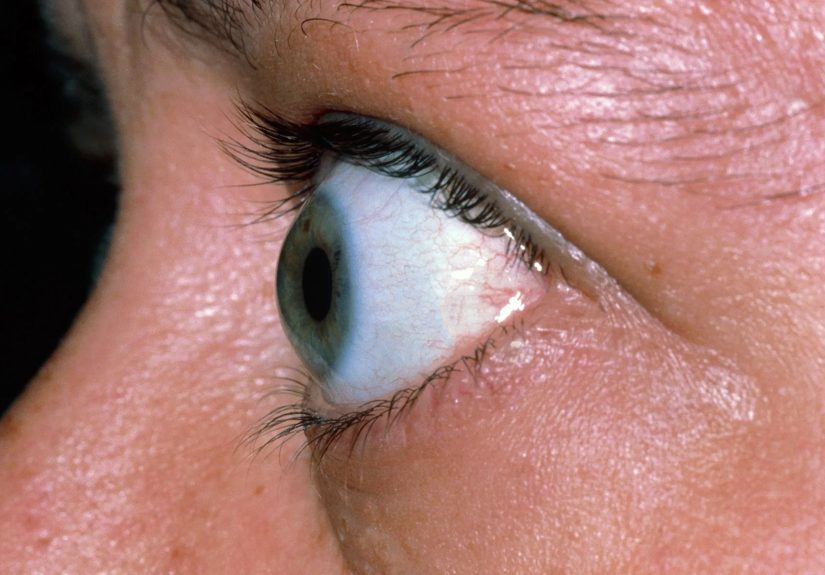
- Bulging Eyes: One of the most distinctive symptoms of TED is the bulging or protruding of the eyes. This occurs when the muscles and tissues around the eyes swell, pushing the eyeballs forward.
- Dryness and Irritation: Many people with TED experience dryness in the eyes, leading to irritation, redness, and a gritty sensation. This can be worsened by the inflammation of the eyelids or the reduced ability to blink properly.
- Eye Redness: Swollen tissues around the eyes often cause redness or a bloodshot appearance, which can make the eyes look inflamed.
- Vision Changes: Some individuals with TED report blurred or double vision, particularly when the eye muscles are affected, causing the eyes to misalign.
- Eye Pain: Due to the inflammation in and around the eyes, pain or a feeling of pressure behind the eyes is common, sometimes exacerbated by movement or prolonged focus.
What Causes Thyroid Eye Disease?
The exact cause of TED remains unclear, but it is believed to result from an abnormal immune response that targets the tissues around the eyes. This inflammation is often triggered by an imbalance in thyroid hormone levels. The autoimmune response can lead to an overproduction of a protein called glycosaminoglycan, which builds up in the tissues around the eyes, causing them to swell and push forward. TED is most commonly associated with Graves’ disease, a condition where the thyroid gland is overactive. However, TED can also occur in individuals with normal thyroid function or other thyroid conditions.
Risk Factors for Thyroid Eye Disease
Several factors can increase the likelihood of developing TED, including:
- Thyroid Dysfunction: People with hyperthyroidism, particularly those with Graves’ disease, are at the highest risk of developing TED.
- Gender: Women are more likely to develop TED than men, though the condition can affect anyone.
- Age: TED typically affects individuals between the ages of 40 and 60, though it can develop at any age.
- Smoking: Smoking is a significant risk factor for TED. It not only increases the likelihood of developing the condition but can also worsen its severity.
- Family History: A family history of thyroid disease or autoimmune conditions may increase the risk of developing TED.
Diagnosis and Testing for Thyroid Eye Disease
If you suspect you have TED, it’s important to seek medical attention as soon as possible. A healthcare professional will perform a comprehensive eye examination to assess your symptoms and may conduct additional tests to confirm the diagnosis. These tests can include:
- Blood Tests: Blood tests to check thyroid function can help determine if hyperthyroidism or another thyroid disorder is contributing to the eye symptoms.
- Imaging: A CT scan or MRI may be used to examine the eye muscles and orbital tissues to check for inflammation or swelling.
- Ophthalmologic Exam: A detailed eye exam by an ophthalmologist can help assess the condition of the eyes, including the alignment and movement of the eyeballs.
Treatment Options for Thyroid Eye Disease
Although there is no cure for TED, various treatments can help manage symptoms and prevent the condition from progressing. Treatment plans vary based on the severity of the disease, but they often include a combination of the following:
- Medications: Corticosteroids, such as prednisone, are often prescribed to reduce inflammation around the eyes. In some cases, other immunosuppressive drugs may be used to control the autoimmune response.
- Thyroid Treatment: Since TED is closely related to thyroid dysfunction, addressing the underlying thyroid condition with medication or surgery may help improve eye symptoms.
- Orbital Decompression Surgery: In more severe cases, surgery may be needed to relieve pressure on the eyes and restore proper alignment.
- Lubricating Eye Drops: Artificial tears and lubricating gels can help manage the dryness and irritation caused by TED.
- Radiation Therapy: In some cases, radiation therapy can help reduce swelling and inflammation in the eye tissues.
Living with Thyroid Eye Disease
For those living with TED, managing the condition requires ongoing care and attention. Here are some tips for coping with the disease:
- Regular Eye Care: Keep your eyes lubricated with over-the-counter eye drops to help with dryness and irritation.
- Follow Thyroid Treatment: Stick to your prescribed thyroid treatment to ensure your thyroid levels are stable and avoid worsening TED symptoms.
- Monitor for Changes: Regular check-ups with your healthcare provider are essential to monitor the progression of TED and adjust treatment as needed.
- Avoid Smoking: Smoking can exacerbate TED, so quitting is one of the best things you can do for your eyes and overall health.
Experiences of Those with Thyroid Eye Disease
Living with Thyroid Eye Disease can be challenging, but many people find ways to adapt and manage their symptoms. Individuals with TED often report feeling frustrated by the visible changes to their appearance, especially the bulging eyes and redness. Some may experience embarrassment or social anxiety due to the noticeable changes. However, others find that the support of family, friends, and support groups can make a significant difference in managing their emotional well-being.
In addition to the physical discomfort of dryness and irritation, TED can impact a person’s vision, making it difficult to perform daily tasks such as reading, driving, or working. Many people find that the fatigue and pressure behind their eyes can interfere with their productivity and overall quality of life.
Fortunately, many people with TED go on to find effective treatments that allow them to lead normal, fulfilling lives. Regular visits to an eye specialist and a thyroid specialist are essential to managing the condition, as is adhering to prescribed medications. One individual shared their story of using corticosteroids to reduce inflammation, along with an orbital decompression surgery that relieved the pressure on their eyes, allowing them to regain some of their lost vision.
Another individual with TED found that staying informed about their condition and connecting with others facing similar challenges provided both comfort and practical advice for coping with the disease. There are also online communities dedicated to raising awareness about TED and providing support to those affected.
Conclusion
Thyroid Eye Disease is a serious but manageable condition that affects many individuals with thyroid dysfunction. If you notice bulging, dry eyes, or other unusual symptoms, it’s crucial to seek medical attention promptly. With the right treatment plan, most people can successfully manage their symptoms and avoid severe complications. Don’t let TED affect your quality of lifeearly diagnosis and proper care are key to maintaining healthy, comfortable eyes.
sapo: “Bulging, dry eyes may indicate Thyroid Eye Disease (TED), a condition linked to thyroid dysfunction. This article explores the symptoms, causes, and treatment options for TED to help manage your eye health and well-being.”