Table of Contents >> Show >> Hide
- Quick Answer (The “Tell Me While I’m Standing in the Cheese Aisle” Version)
- Why Goat Cheese Gets Side-Eyed in Pregnancy
- Goat Cheese 101: It’s Not All the Same Cheese in a Different Outfit
- The Biggest “Gotchas” (Where People Accidentally Take the Risk)
- How to Eat Goat Cheese Safely While Pregnant (Without Becoming a Cheese Paranoid)
- Nutrition Notes: Is Goat Cheese “Good for Pregnancy”?
- FAQ: The Questions People Actually Ask (Out Loud and in Their Heads)
- Conclusion: So… Can Pregnant Women Eat Goat Cheese?
- Experiences & Real-World Moments with Goat Cheese in Pregnancy (Extra )
Goat cheese: tangy, creamy, and suspiciously good on literally everything. The only problem? Pregnancy turns the grocery store into a choose-your-own-adventure book where one wrong page ends with your OB giving you “the look.” Let’s make goat cheese an easy decisionnot a dramatic one.
Bottom line: Many pregnant women can eat goat cheese if it’s made with pasteurized milk and handled safely. The biggest risk isn’t “goat” specificallyit’s soft cheeses made with unpasteurized milk and certain fresh, soft cheeses that have been linked to listeria problems. When in doubt, choose pasteurized, sealed, reputable brandsor enjoy goat cheese cooked hot in a dish.
Quick Answer (The “Tell Me While I’m Standing in the Cheese Aisle” Version)
Usually OK during pregnancy
- Goat cheese labeled “made with pasteurized milk” (common in many U.S. supermarkets).
- Aged or hard goat cheeses made with pasteurized milk (generally lower moisture = less friendly environment for germs).
- Cooked goat cheese (hot and steamy in a dish), especially if you’re unsure how it was stored or served.
Skip it (or pause until you can confirm)
- Any goat cheese made with unpasteurized (raw) milksometimes found at farmers markets, specialty shops, or imported selections.
- Queso fresco–type cheeses (even when made with pasteurized milk), because outbreaks have repeatedly involved these styles.
- Unheated deli-sliced cheeses (cheese cut/sliced at the deli counter and eaten cold).
- Soft-ripened “goat brie”/bloomy rind cheeses if you can’t confirm pasteurization and safe handling.
Real-life rule: If the label clearly says pasteurized, you’re typically in the safe zone. If the label is vague, missing, or the cheese came from an unknown source (party platter, deli slice, “my neighbor’s cousin makes it”), it’s a no.
Why Goat Cheese Gets Side-Eyed in Pregnancy
The concern is mainly listeria (Listeria monocytogenes), a foodborne germ that can be especially risky during pregnancy. Pregnant women are more likely to get sick from listeria than the general population, and infection during pregnancy can lead to serious complications for the pregnancy and baby.
What makes listeria extra annoying?
- It can grow in the refrigerator. Many germs slow down in the cold; listeria can keep plotting anyway.
- Pregnancy symptoms can be mild. You might feel like you have a basic flu-like bugwhile the fetus is the one at higher risk.
- Soft cheeses are a common “risk category.” Especially when made from unpasteurized milk or produced/handled in ways that allow contamination.
Symptoms to know (so you don’t play “guess the illness”)
Symptoms in pregnancy can include fever, fatigue, and muscle aches, sometimes with gastrointestinal symptoms. If you’re pregnant and you ate a food linked to a recall/outbreakor you develop fever plus symptomscall your healthcare provider for advice.
Goat Cheese 101: It’s Not All the Same Cheese in a Different Outfit
“Goat cheese” can mean a lot of things. The safety question depends on pasteurization and the style of cheese.
1) Fresh chèvre (classic spreadable goat cheese)
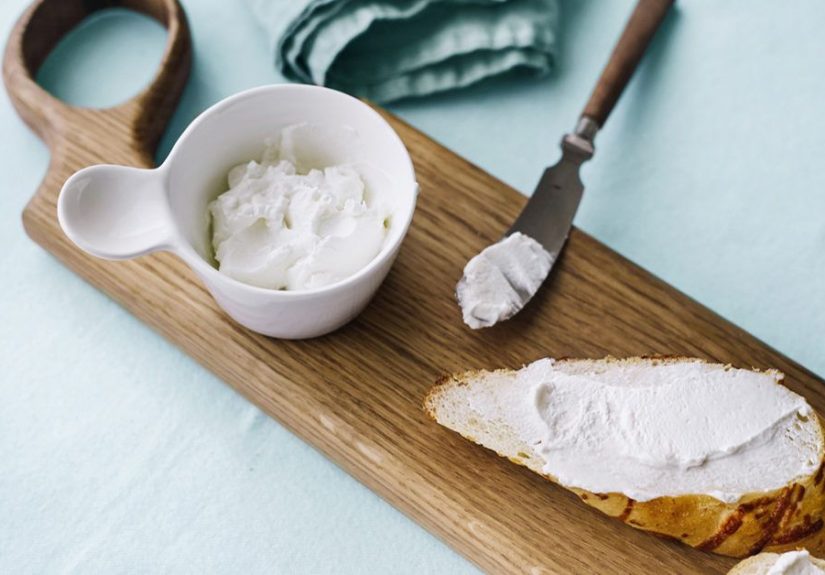
This is the tangy, soft, creamy goat cheese people smear on crackers or crumble on salads. It’s often pasteurized in U.S. grocery stores, but not alwaysespecially from small producers.
2) Soft-ripened goat cheeses (bloomy rind / “goat brie” vibes)
These have a soft interior and sometimes a white rind. They can be deliciousand also the type where you really want to be confident it’s pasteurized and from a reputable producer, stored properly, and within date.
3) Aged/hard goat cheeses
Think firmer texture, sliceable or grateable. These are typically lower moisture than fresh cheeses, and when made with pasteurized milk, they’re generally considered safer options.
4) Feta-style goat cheese
Some feta is made partly or entirely from goat milk. The key question is the same: pasteurized or not? If it’s pasteurized, it’s typically considered okay.
How to tell if goat cheese is pasteurized
- Look for: “made with pasteurized milk” or “pasteurized” on the label.
- Warning words: “raw milk,” “unpasteurized,” or no pasteurization statement at all on a soft cheese.
- When eating out: ask the server (or choose a cooked dish if nobody knows).
The Biggest “Gotchas” (Where People Accidentally Take the Risk)
Gotcha #1: “It’s pasteurized, so it’s always safe.”
Pasteurization kills listeria in milk, but cheese can still become contaminated after pasteurization if the production environment isn’t clean or if handling/storage is poor. That’s why food safety advice often emphasizes both pasteurization and choosing lower-risk products and reputable sources.
Gotcha #2: Queso fresco–type cheeses
Public health guidance often calls out queso fresco–type cheeses as higher riskeven when made with pasteurized milkbecause outbreaks and illnesses have been linked to these styles. If you’re pregnant, it’s smart to avoid them unless your healthcare provider advises otherwise and you’re certain about the source.
Gotcha #3: Deli-sliced cheese (or cheese sitting out)
Cheese sliced at a deli counter and eaten cold can pick up germs from equipment and surfaces. Same goes for cheese platters at parties where soft cheeses sit at room temperature for long stretches. If you didn’t control the temperature and handling, you don’t really know the risk.
Gotcha #4: “Artisanal” doesn’t always mean “pregnancy-friendly”
Small-batch and farmstead cheeses can be wonderful. They can also be more likely to use raw milkor have limited labeling clarity. During pregnancy, clarity is your best friend.
How to Eat Goat Cheese Safely While Pregnant (Without Becoming a Cheese Paranoid)
Step 1: Use the label like a detective
- Choose sealed, refrigerated packages from a reputable store.
- Confirm “made with pasteurized milk.”
- Check the use-by date and avoid damaged packaging.
Step 2: Store it like you actually want to eat it later
- Keep your refrigerator at 40°F (4°C) or below.
- Don’t let soft cheeses hang out on the counter “just while I do ten other things.”
- Use clean utensils (double-dipping is rude to your cheese and your immune system).
Step 3: Be strategic at restaurants
Ordering a salad with goat cheese crumbles? A fancy flatbread with chèvre? Greatjust do a quick check:
- Ask: “Is the goat cheese pasteurized?”
- If they don’t know, choose a dish where the goat cheese is baked or cooked hot (like a pizza, omelet, or hot pasta).
- Skip questionable cheese boards and deli-sliced add-ons eaten cold.
Step 4: When in doubt, heat is your helper
Cooking doesn’t magically turn every risky food into a superhero, but listeria is sensitive to heat. If you’re uncertain about a cheese’s handling or you’re eating something higher risk, choose preparations that are served hot and steamy.
Pregnancy-safe ways to get your goat cheese fix
- Baked goat cheese on toast with honey and walnuts (served hot).
- Goat cheese in an omelet with spinach and tomatoes.
- Flatbread or pizza with pasteurized goat cheese, roasted veggies, and chicken.
- Warm grain bowl with goat cheese stirred in right before serving (so it melts).
Nutrition Notes: Is Goat Cheese “Good for Pregnancy”?
Goat cheese can be a tasty way to add protein and calcium to your diet, and it’s often easier to digest for some people than cow’s milk cheeses (though that varies by individual). The main watch-outs are:
- Sodium: Some goat cheeses (especially feta-style) can be salty.
- Saturated fat: Totally fine in moderation, but balance mattersespecially if heartburn is already running your life.
- Portion creep: Goat cheese is small but mighty. A “little crumble” can become “half the log” fast.
Practical approach: Enjoy pasteurized goat cheese as part of a balanced pregnancy dietthen spend your energy worrying about more important things, like why your socks feel offensive today.
FAQ: The Questions People Actually Ask (Out Loud and in Their Heads)
Is pasteurized goat cheese 100% safe in pregnancy?
It’s generally considered a safer choice than unpasteurized cheese, and major medical/public health guidance commonly says pasteurized soft cheeses are safe. But no food is “zero risk.” That’s why storage, handling, and avoiding higher-risk categories (like queso fresco–type cheeses and deli-sliced cheeses eaten cold) still matters.
Can I eat goat cheese on salad while pregnant?
Yesif it’s pasteurized and comes from a sealed package or a trusted source with good food safety practices. Be cautious with deli-sliced cheese or salad bars where cross-contamination and temperature control can be iffy.
What if I ate goat cheese and then realized it might be unpasteurized?
Don’t panic. One exposure doesn’t guarantee illness. But if you’re pregnant and you develop fever with symptoms like fatigue and muscle achesespecially after a recalled or outbreak-linked foodcontact your healthcare provider for guidance.
Does cooking goat cheese make it safe?
Heat helps reduce risk because listeria is sensitive to heat. Choosing dishes served hot is a smart strategy when you’re uncertain. Still, it’s best to start with pasteurized cheese from a reputable source.
Conclusion: So… Can Pregnant Women Eat Goat Cheese?
Yesmany pregnant women can eat goat cheese, and you don’t have to break up with your favorite creamy crumble forever. The safety checklist is simple:
- Choose goat cheese made with pasteurized milk.
- Avoid unpasteurized (raw milk) cheeses.
- Be extra cautious with queso fresco–type cheeses and deli-sliced cheese eaten cold.
- Store it properly (cold) and handle it cleanly.
- When unsure, choose cooked/hot preparations.
If you have a high-risk pregnancy or specific medical concerns, your OB or midwife can tailor advice to your situation. But for most people, pasteurized goat cheesehandled safelycan stay on the menu.
Experiences & Real-World Moments with Goat Cheese in Pregnancy (Extra )
Pregnancy food rules sound straightforward until you’re living them. Then it becomes a daily improv show starring you, your cravings, and a refrigerated display case.
The “Label Detective” Phase
Many pregnant people find they develop a new hobby: reading labels like they’re decoding an ancient scroll. You pick up a cute little goat cheese log and suddenly you’re scanning for the magic words: “made with pasteurized milk.” If it’s there, relief. If it’s not, your brain starts negotiating: “Maybe it’s implied?” “Maybe the goat looked healthy?” This is when it helps to remember that pregnancy is not the time for cheese gambling. If the label is unclear, switch brands or choose a clearly pasteurized option.
The Restaurant Script You Never Thought You’d Need
Ordering out can feel awkward at first. Asking “Is the goat cheese pasteurized?” might make you feel like the world’s most polite interrogator. But most restaurants have heard it before, and the question gets easier the more you practice. Some people keep it simple: “Can you confirm the cheese is pasteurized?” Others just choose a dish where the cheese is baked and bubblingbecause melted goat cheese is both delicious and reassuring. (Also, it feels like the food equivalent of wearing a seatbelt.)
The Party Platter Problem
Then there’s the classic: someone puts out a gorgeous cheese board. It’s been sitting out. It’s unlabeled. It’s next to crackers that have been touched by every well-meaning guest who just “washed their hands earlier.” Many pregnant folks describe learning to politely pass on mystery cheeseespecially soft cheeses on communal platters. A common workaround is to gravitate toward foods that are served hot, sealed, or clearly identifiable (or to bring your own pasteurized snack and feel quietly superior).
The Craving Workarounds That Actually Feel Fun
Craving goat cheese doesn’t mean you have to suffer through joyless substitutions. People often find that cooking goat cheese into meals scratches the itch while keeping things cautious: warm flatbreads, omelets, pasta, stuffed sweet potatoes, roasted veggie bowls. It’s also easier to portionbecause once goat cheese is crumbled on top of something hot, it feels intentional, not like you accidentally ate the whole container while standing in front of the fridge.
The “I Bought a Fridge Thermometer” Era
Some pregnancy experiences are unexpectedly wholesome. For example: realizing your fridge might not actually be as cold as you think, and buying a thermometer like a responsible adult in a commercial. It’s not glamorous, but it’s empowering. And it can make you feel more confident about all refrigerated foodsnot just cheese.
In short: yes, goat cheese can still be part of pregnancy life. You just become a little more intentionalless “random cheese encounter,” more “confident, pasteurized, well-stored cheese moment.” Which is honestly a great life skill, even after the baby arrives.