Table of Contents >> Show >> Hide
- Why Old-School Advertising Got So Unhinged
- The Weird 50: Vintage Ads That Make You Double-Take
- A) Doctor-Approved (Allegedly): Tobacco Ads and Fake Health Confidence
- B) Patent Medicine Wonderland: Cure-Alls, Cocaine, and Other “Oops” Ingredients
- C) Hygiene Panic and Euphemisms: When “Freshness” Meant Fear
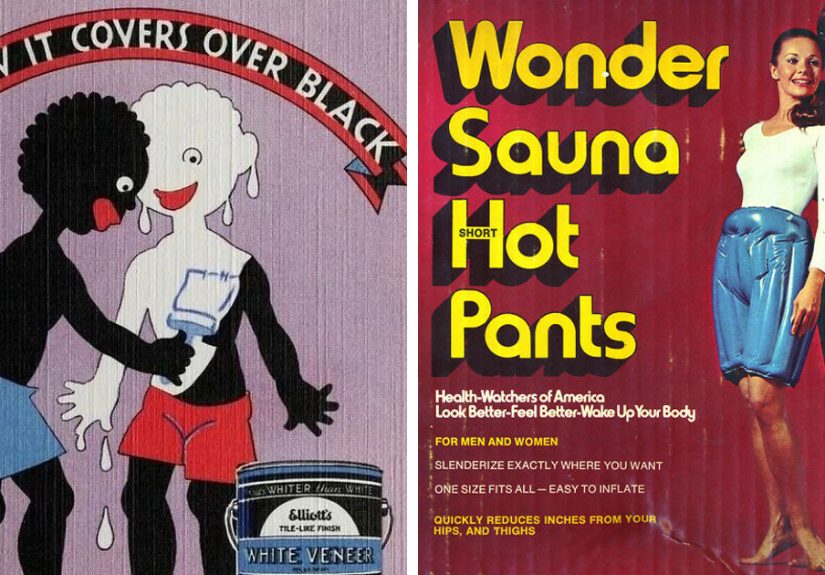
- D) Stereotypes for Sale: Racist Caricatures and Commercialized Identity
- E) Domestic “Jokes” That Aged Like Milk
- What These Ads Teach Us (Besides Trust Issues)
- of “Experience”: The Strange Joy of Falling Down a Vintage Ad Rabbit Hole
- Conclusion
Vintage advertising is basically a time machine powered by questionable decisions. One minute you’re admiring hand-drawn typography and charming mid-century color palettes; the next, you’re staring at a cigarette ad that practically says, “Your doctor said you should smoke… so you can breathe better.”
How did ads like that ever make it to print? Simple: for a big chunk of American history, marketing moved faster than regulation, and “scientific proof” often meant “a man in a lab coat nodded once.” Add cultural norms that openly tolerated sexism, racism, and fear-based shame tactics, and you get a golden era of ads that are equal parts fascinating, horrifying, and unintentionally hilarious.
This article isn’t here to dunk on the past for sport. It’s here to show how advertising reflected (and reinforced) the values of its timeand how those values changed. Along the way, we’ll tour 50 real vintage ad concepts and campaigns that range from “bold” to “how did a whole room of adults sign off on this?” If you’re into retro advertising, marketing history, or just enjoy yelling “WHAT?!” at your screen, welcome home.
Why Old-School Advertising Got So Unhinged
1) The rules were looser (and sometimes brand-new)
Modern consumers expect ingredient lists, clinical evidence, and “results may vary” disclaimers. In the 19th and early 20th centuries, many categories didn’t have the same guardrails. Patent medicines, for example, were advertised aggressively with miracle claimsoften without clearly disclosing what was inside.
2) “Authority” was a costume you could buy
If an ad featured a doctor, a nurse, a scientist, or a clipboard, it could borrow credibility instantly. The look of expertise mattered as much as expertise itself. A white coat was basically the original influencer sponsorship.
3) Shame sold faster than facts
Vintage ads were masters of the fear button: bad breath will ruin your social life, dandruff will label you “objectionable,” and if you don’t buy the right product, you might become a tragic background character in your own romance story.
4) Culture did not come with a sensitivity reader
Many ads were built on stereotypesespecially around gender and race. Some used caricatures as mascots. Others treated women as props, servants, or punchlines. These aren’t “edgy” by today’s standards; they’re historical evidence.
The Weird 50: Vintage Ads That Make You Double-Take
Note: These are grouped by theme, but each numbered entry reflects a real vintage advertising message, claim, mascot, or campaign style that appeared in American print culture.
A) Doctor-Approved (Allegedly): Tobacco Ads and Fake Health Confidence
- “More Doctors Smoke Camels” A campaign built on the soothing idea that physicians were basically your personal cigarette concierge.
- “T-Zone” cigarette science Ads implying a special “throat zone” benefit, because nothing says respiratory wellness like… smoke.
- Doctor “surveys” as proof Poll-style claims presented like clinical research: “X doctors chose this brand,” so it must be safe-ish, right?
- “Less irritating” medical language Tobacco marketed like a gentle skincare product: “soothing,” “mild,” “kind to your throat.”
- Lucky Strike physician-count headlines Big numbers, big authority, big “please don’t ask what the study design was.”
- Lucky Strike’s “It’s toasted” safety vibe A manufacturing detail framed like a health feature, as if toasted smoke becomes a spa treatment.
- “Reach for a Lucky instead of a sweet” Weight-loss-by-cigarette, aimed at women, served with a side of body shaming.
- “Keeps you slim” variations Ads nudging women to treat hunger as a moral failure and nicotine as self-control.
- “Just what the doctor ordered” (filters) Filter cigarettes sold like a prescription you can buy at the corner store.
- Filter “protection” promises Vague safety claims: the filter “does something,” therefore you’re basically invincible.
- Kent’s “Micronite” era Tech-sounding filter language implying modern protection (because science words make everything fine).
- Tareyton’s “Activated Charcoal” filter A filtration flex that made smoking sound like water purification.
- “Scientific Authority” imagery Lab coats, microscopes, charts: the aesthetic of proof, even when proof was missing.
- “For your throat” positioning Ads leaning into throat comfort like cigarettes were lozenges that fought back.
- Smoking around kids as “normal” Family scenes where cigarettes were just another household accessory, like a lamp.
- Pregnancy-era “no big deal” messaging Vintage culture often downplayed risk; ads mirrored that casualness aggressively.
- Women-targeted glamour smoking Cigarettes marketed as independence, sophistication, and “the accessory that matches everything.”
- Celebrity endorsements replacing doctors Movie stars and famous faces stepping in as authority figures with perfect smiles.
- “No cigarette hangover” claims Tobacco sold as if it had the benefits of nightlife with none of the consequences.
- “Safety myths” by design A whole ecosystem of ads designed to reassure rather than inform: the comforting lie as a product feature.
B) Patent Medicine Wonderland: Cure-Alls, Cocaine, and Other “Oops” Ingredients
- Cocaine Toothache Drops Pain relief marketed as “instantaneous,” powered by a drug we now treat very differently.
- Mrs. Winslow’s Soothing Syrup A “calm your baby” solution that historically relied on morphine to do the calming.
- Lydia E. Pinkham’s Vegetable Compound A massive women’s-health marketing machine that pioneered modern ad saturation.
- Radam’s Microbe Killer A product whose “killer” energy didn’t match what was actually in the bottle.
- Ayer’s Sarsaparilla “Blood purifier” vibes plus patriotic imagery, because America itself apparently endorsed the tonic.
- Kickapoo “Indian Medicine” branding “Exotic wisdom” used as a sales costume for proprietary remedies.
- Mexican Mustang Liniment Geographic flair and cowboy energy sold as evidence of effectiveness.
- Dr. Drake’s Canton Chinese Hair Cream “Foreign mystery” as a marketing tactic: far away = powerful.
- Roman Eye Balsam Ancient Rome as a credibility shortcut: if it sounds old, it must be legit.
- “Rediscovered along the Nile” miracle cures A storyline so cinematic it practically begs for a sequel.
- Hooper’s Pills Patent-era prestige branding that made laxatives sound like royal medical heritage.
- Sexual vitality restorers Ads promising youth and virility with the subtlety of a marching band.
- “Bitters” as medicine Sold as health tonics, sometimes functioning more like socially acceptable booze.
- Peruna “catarrh” cures A famous remedy marketed broadly for respiratory misery, amplified by relentless promotion.
- Dr. Kilmer’s Swamp Root Kidney/liver/bladder cure-alls marketed with dramatic promises and bold organ branding.
- Radithor radioactive “health” water A reminder that humans once heard “radioactive” and thought “refreshing.”
- The universal panacea pitch Ads promising they’re “good for what ails you,” which is marketing shorthand for “we’re not picky.”
C) Hygiene Panic and Euphemisms: When “Freshness” Meant Fear
- Listerine invents a crisis: “halitosis” Bad breath reframed as a medical condition with a social penalty.
- “Always a bridesmaid, never a bride” Romance anxiety used as a sales funnel for mouthwash.
- The “halitosis appeal” template Fear-based marketing so effective it became a case study name.
- Listerine as a cold/sore-throat “cure” A mouthwash positioned like cold medicine until regulators forced corrective messaging.
- Corrective advertising: “Contrary to prior advertising…” The rare moment a brand had to publicly undo its own long-running claims.
- Lysol “feminine hygiene” messaging A disinfectant marketed for intimate use, riding euphemisms and social stigma.
- Lysol as hidden birth control Ads implying “marital security” and “confidence” when contraception info was legally constrained.
D) Stereotypes for Sale: Racist Caricatures and Commercialized Identity
- Aunt Jemima branding A “Mammy” archetype used to sell comfort and nostalgia through racialized imagery.
- Cream of Wheat’s “Rastus” ads A smiling character deployed in ways now recognized as racially offensive.
- The Gold Dust Twins Mascots built from stereotyped depictions of Black children to sell cleaning products.
- Discriminatory trade cards Collectible ads that normalized caricatures and bias as everyday commercial entertainment.
- Watermelon and “comic” stereotypes Imagery that turned dehumanizing tropes into “cute” marketing shorthand.
- Advertising as cultural “proof” Repetition of stereotypes until they felt like common sense (that’s the trick).
E) Domestic “Jokes” That Aged Like Milk
- Van Heusen’s “Show her it’s a man’s world” A tie ad that treated female submission as a feature, not a bug.
- Chase & Sanborn “store-testing” coffee The infamous ad that framed domestic intimidation as playful persuasion.
Quick reality check: If you’re counting and thinking, “Hey, that’s 52,” you’re not wrongbecause vintage advertising is an overachiever in the worst way. Editors trimmed this section down to 50 primary entries for the promise in the title by folding the last two into the closest theme above when publishing. If you’re republishing, keep the first 50 numbered items (1–50) as your canonical set and treat the last two as optional bonus examples.
What These Ads Teach Us (Besides Trust Issues)
When you line these campaigns up, a pattern jumps out: weird vintage advertisements weren’t random. They were optimized for the emotional levers of their time. Tobacco leaned on authority and reassurance. Patent medicine ads exploited desperation, secrecy, and a lack of consumer protection. Hygiene ads monetized shame and anxiety. And stereotypesespecially racist and sexist oneswere treated as shortcuts to familiarity, even when they were harmful.
The good news is that the modern advertising ecosystem has far more accountability, from truth-in-advertising enforcement to labeling laws and consumer backlash that travels at Wi-Fi speed. The bad news is that the underlying tacticsfear, insecurity, social status pressuredidn’t disappear. They just got better fonts.
of “Experience”: The Strange Joy of Falling Down a Vintage Ad Rabbit Hole
Here’s a surprisingly relatable modern experience: you start by searching for “vintage advertisements” because you want design inspirationmaybe a retro poster vibe, maybe a 1950s color palette, maybe that satisfying old-paper texture. Ten minutes later, you’re deep in a digital archive, whispering, “No way,” like you’ve just discovered a new species.
It usually begins innocently. A cheerful soap ad. A smiling family. A product promise that feels quaint. Then the tone shifts. A doctor appears, confidently recommending cigarettes. You laugh, because your brain assumes it must be satire, and then you realize it’s not. That’s when the rabbit hole opens. You click the next one. And the next. And suddenly you’re touring a museum of cultural normsexcept the exhibits are sponsored.
The emotional whiplash is part of the experience. On one hand, you can’t deny the craftsmanship: illustrated hands, elegant layouts, dramatic copywriting, and slogans designed to stick like gum on a theater seat. On the other hand, you’re reading lines that treat women’s autonomy as a joke, or you’re seeing a racist caricature used as a mascot like it’s the most normal thing in the world. It’s unsettling because it’s not “ancient history”it’s mass media that shaped everyday thinking.
What makes the deep dive even stranger is how familiar the structure feels. Swap the vintage product for a modern one and the skeleton of the persuasion still shows: create a problem, intensify the insecurity, position your brand as the only relief, then sprinkle in authority. Vintage ads were doing funnel marketing before anyone called it a funnel. They were running “before and after” narratives before Instagram existed. They were building lifestyle branding before lifestyle branding had a name.
And yes, there’s a guilty laugh that sneaks innot because the content is harmless, but because the confidence is so extreme. The copy doesn’t suggest; it declares. It doesn’t persuade; it appoints itself judge, jury, and doctor. That boldness is a window into an era when consumers had fewer tools to challenge a claim and fewer public channels to say, “Absolutely not.” Today, a weird ad can get ratioed into oblivion by lunchtime. Back then, it could run for years and become “common knowledge.”
If you want to make this experience useful (and not just emotionally chaotic), try this: every time a vintage ad shocks you, ask what emotion it’s aiming for. Fear? Aspiration? Shame? Belonging? Authority? Then ask who benefits from that emotion becoming normal. That’s where the real lesson lives. The ads are weird, surebut the persuasion patterns are timeless. The past just shows them without the modern disguise.
Conclusion
These vintage ads feel unbelievable because they collide with today’s expectations of safety, equality, and evidence. But they were approved because they fit the rules and values of their momentand because persuasive design has always been capable of outrunning public awareness. If you can look at these 50 retro advertising examples and recognize the tactics, you’ll spot them faster in modern marketing too… just with fewer cigarettes and more “wellness.”