Table of Contents >> Show >> Hide
- What Are Cancer Awareness Ribbons?
- Why Cancer Ribbon Colors Matter
- Common Cancer Ribbon Colors and What They Mean
- Pink Ribbon – Breast Cancer
- Gold Ribbon – Childhood Cancer
- White or Pearl Ribbon – Lung Cancer
- Purple Ribbon – Pancreatic Cancer and More
- Teal and White Ribbons – Ovarian and Cervical Cancer
- Light Blue Ribbon – Prostate Cancer
- Dark Blue Ribbon – Colon and Colorectal Cancer
- Lime Green Ribbon – Lymphoma
- Green Ribbon – Kidney and Liver Cancer
- Orange Ribbon – Leukemia (and Sometimes Kidney Cancer)
- Black Ribbon – Melanoma and Skin Cancer
- Gray Ribbon – Brain Cancer
- Burgundy and Ivory Ribbon – Head and Neck Cancers
- Periwinkle Ribbon – Stomach and Esophageal Cancer
- Zebra Stripe Ribbon – Carcinoid and Neuroendocrine Tumors
- Lavender Ribbon – All Cancers
- How to Use Cancer Ribbon Colors Thoughtfully
- Frequently Asked Questions About Cancer Ribbon Colors
- Real-Life Experiences Behind the Ribbons
- Conclusion: Turning Colors Into Action
If you’ve ever walked through a charity 5K and felt like you were seeing the
entire rainbow running past you, you’re not wrong. Those colorful loops of
fabric on T-shirts, lapels, sneakers, and car bumpers are cancer awareness
ribbonsand every color has a story. This guide to cancer ribbon colors breaks
down what the shades mean, why they matter, and how you can use them to show
support in a thoughtful, meaningful way.
What Are Cancer Awareness Ribbons?
Cancer awareness ribbons are small pieces of fabric, often worn in a loop,
used to show support for people living with cancer, honor those who have died,
and raise awareness for research and prevention. The modern awareness ribbon
trend took off in the 1990s, but the idea of wearing a visible symbol to show
solidarity goes back much furtherthink of yellow ribbons for military
families or black armbands for mourning.
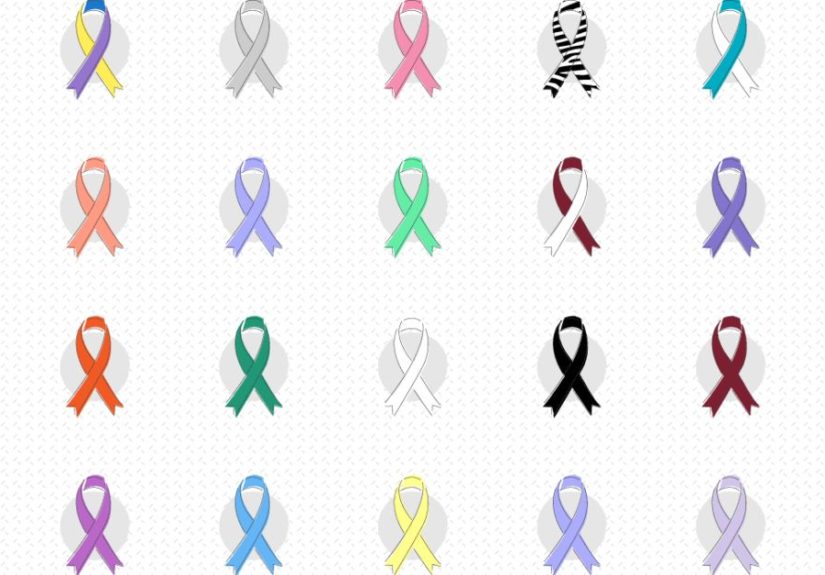
Today, there are more than 50 cancer awareness ribbon colors and patterns.
Some represent a single cancer type, like the iconic pink ribbon for breast
cancer. Others represent whole groups, such as the gold ribbon that stands for
all childhood cancers or lavender ribbons that symbolize support for all types
of cancer.
Why Cancer Ribbon Colors Matter
It might just look like a small accessory, but a cancer ribbon can do a lot of
heavy lifting. Here’s why these colors matter so much:
-
Awareness: Colors help make different cancers visible.
Seeing a sea of teal or purple instantly signals a cause and sparks
curiosity. -
Community: Ribbons connect people. If you’re wearing a
ribbon, you’re silently saying, “I get it. I’m with you.” -
Fundraising: Many campaigns and nonprofits use ribbon
colors on merch, digital graphics, and event branding to attract supporters
and donors. -
Conversation starters: A simple “What does that ribbon
stand for?” can turn into a meaningful conversation about symptoms,
screenings, or support.
Of course, the flip side of so many colors is confusion. Is white lung cancer,
cervical cancer, or something else? (Spoiler: it’s most strongly associated
with lung cancer and is often described as white or pearl.) This guide is here
to help you decode the color chart so you can wear and share ribbons with
confidence.
Common Cancer Ribbon Colors and What They Mean
Different organizations may occasionally use slightly different colors, and
some colors represent more than one cancer type. Think of this as a practical
guide to the most widely recognized pairings, not an unbreakable law.
Pink Ribbon – Breast Cancer
Pink is probably the most recognizable cancer ribbon color. The pink ribbon
represents breast cancer awareness and is everywhere in October, which is
Breast Cancer Awareness Month. Pink is used to highlight the importance of
screening, early detection, and support for people undergoing treatment, as
well as for survivors and their families.
You’ll see pink on everything from sports uniforms to yogurt lids. Love it or
roll your eyes at how commercial it sometimes becomes, the visibility has
helped fund billions of dollars in breast cancer research and patient support.
Gold Ribbon – Childhood Cancer
Gold is the awareness color for childhood cancer. The idea is simple and
powerful: children are as precious as gold. This ribbon represents all forms
of cancer that affect children and adolescents, from leukemia to brain tumors.
You’ll often see gold ribbons in September, which is Childhood Cancer
Awareness Month. Families, schools, and pediatric hospitals use gold ribbons
to shine a light on the unique challenges kids and teens face when they’re
dealing with cancer and to advocate for more equitable research funding for
childhood cancers.
White or Pearl Ribbon – Lung Cancer
Lung cancer is typically represented by a white or pearl ribbon. The color can
vary slightly (some designs look more silvery or opalescent), but the meaning
is the same: support for people living with lung cancer and remembrance for
those who’ve died from the disease.
November is Lung Cancer Awareness Month, so you’ll see white or pearl ribbons
more often then, sometimes paired with campaigns to reduce stigma around lung
cancer and highlight that it can affect people with and without a history of
smoking.
Purple Ribbon – Pancreatic Cancer and More
Purple is a busy color in the ribbon world. It’s most strongly associated with
pancreatic cancer and is featured during November’s Pancreatic Cancer
Awareness Month. It’s also used for testicular cancer, some gynecologic
cancers, and, in some contexts, for cancer survivors in general.
Because purple represents strength, courage, and dignity, it’s a natural fit
for cancers that often carry a tough prognosis or layers of stigma and
misunderstanding.
Teal and White Ribbons – Ovarian and Cervical Cancer
Teal ribbons on their own are commonly used for ovarian cancer awareness.
You’ll see teal during Ovarian Cancer Awareness Month (September in many
campaigns). Teal-and-white or teal-and-pearl ribbons are often used to
represent cervical cancer.
These ribbons are frequently tied to messages about regular pelvic exams,
Pap and HPV testing, and, in the case of cervical cancer, the importance of
HPV vaccination.
Light Blue Ribbon – Prostate Cancer
Prostate cancer is represented by a light blue ribbon. Campaigns often run in
September, encouraging men to talk with their healthcare providers about
screening options and risk factors. You may see sports teams, barbershops, or
community groups using light blue ribbons or graphics to normalize talking
about men’s health.
Dark Blue Ribbon – Colon and Colorectal Cancer
Dark blue ribbons symbolize colon and colorectal cancers. March is Colorectal
Cancer Awareness Month, and you’ll see dark blue ribbons on social media,
educational materials, and community events like “Dress in Blue Day.”
Campaigns linked to the dark blue ribbon often focus on screeningespecially
colonoscopies and stool-based testsas well as lifestyle changes like diet,
physical activity, and not smoking.
Lime Green Ribbon – Lymphoma
Lymphoma, which affects the lymphatic system, is represented by a lime green
ribbon. This bright color stands out in a crowd and represents both
Hodgkin and non-Hodgkin lymphoma. It’s often used for awareness walks,
hospital events, and online support groups.
Green Ribbon – Kidney and Liver Cancer
A solid green ribbon is often used for kidney cancer, while some organizations
also use it for liver cancer or broader organ donation awareness. You may see
green ribbons incorporated into campaigns that encourage people to talk about
organ health, screening, and transplant options.
Orange Ribbon – Leukemia (and Sometimes Kidney Cancer)
Orange is most widely recognized as the color for leukemia awareness. It
appears in events that support patients with acute and chronic leukemias
cancers of the blood and bone marrow. In some charts, orange is also listed
as representing kidney cancer, which adds another layer of “check the fine
print” to the color conversation.
Black Ribbon – Melanoma and Skin Cancer
Black ribbons commonly represent melanoma and other skin cancers. The color
choice is pretty on-the-nose: it reflects the dark appearance of some
melanoma lesions and acts as a visual reminder to take skin changes seriously.
Skin cancer campaigns linked to black ribbons usually emphasize sunscreen
use, avoiding tanning beds, and getting regular skin checkseither with a
dermatologist or by doing self-exams at home.
Gray Ribbon – Brain Cancer
Gray ribbons are used for brain cancer awareness. Think “gray matter”the
tissue in your brainas a memory trick. Gray ribbons are worn to support
people with primary brain tumors and metastatic cancers that have spread to
the brain.
Burgundy and Ivory Ribbon – Head and Neck Cancers
Head and neck cancers, including cancers of the mouth, throat, and larynx, are
often represented by a burgundy and ivory (or white) ribbon. This two-tone
design is less common than some of the single-color ribbons, but you might see
it in ENT (ear, nose, and throat) clinics, dental offices, or campaigns about
HPV-related head and neck cancers.
Periwinkle Ribbon – Stomach and Esophageal Cancer
Periwinklea soft blue-purple shadeis used for stomach (gastric) and often
esophageal cancer awareness. These cancers can be harder to detect early, so
campaigns tied to this color frequently focus on recognizing persistent
symptoms and advocating for appropriate testing.
Zebra Stripe Ribbon – Carcinoid and Neuroendocrine Tumors
Not all ribbons are a single color. Zebra stripe ribbons are used to raise
awareness for carcinoid and other neuroendocrine tumors, which are relatively
rare and often misdiagnosed. The “zebra” symbol comes from an old medical
saying: “When you hear hoofbeats, think horses, not zebras,” meaning doctors
should look for common conditions first. These patients are the “zebras” of
the cancer world.
Lavender Ribbon – All Cancers
Lavender ribbons are sometimes used as a unifying symbol for all cancers.
These are especially common at large fundraising events where participants
want to show support for multiple cancer types, or when someone has several
loved ones with different diagnoses.
How to Use Cancer Ribbon Colors Thoughtfully
Whether you’re designing an event poster, ordering T-shirts, or just looking
for a pin to wear, here are some tips to use cancer ribbon colors in a
respectful and effective way:
-
Double-check the color: Because some colors overlap, confirm
the ribbon color used by a major organization for that specific cancer type. -
Pair color with education: A ribbon is powerful, but a
ribbon plus information is even better. Add a short explanation, a statistic,
or a screening recommendation when appropriate. -
Center patients and families: When in doubt, ask how people
living with that cancer feel about certain imagery or slogans. What feels
empowering to one group might feel dismissive to another. -
Be mindful of commercialization: If you’re buying merchandise,
look for clear information about where donations go and how much really
supports research or patient services. -
Think beyond products: You don’t have to buy anything to
show support. You can share a digital ribbon, volunteer, donate directly to
a trusted organization, or simply show up for someone in treatment.
Frequently Asked Questions About Cancer Ribbon Colors
Do some cancers have more than one ribbon color?
Yes. Because many advocacy groups develop their own branding, you may see
variation. For example, lung cancer ribbons may be described as white or
pearl; some organizations emphasize teal and white for cervical cancer, while
others highlight teal alone. When in doubt, follow the color used by the
organization or campaign you’re supporting.
Is it wrong to wear the “wrong” color?
Most people will not be offended if you mix up a shade, especially if your
intentions are clearly supportive. However, if you’re creating official
materials for an event or campaign, it’s worth taking time to verify colors so
your messaging looks polished and consistent.
Can I design my own ribbon?
For personal or local use, absolutely. Some families create custom ribbon
designs that combine multiple colors to represent complex diagnoses or to honor
several loved ones. If you’re doing this, just be clear about what your design
represents so people aren’t confused.
Where can I find a full cancer ribbon color chart?
Many national cancer organizations and cancer centers publish detailed ribbon
color charts. These charts usually cover the most common cancers and explain
which ribbon colors they use for each one, along with awareness months and
suggested ways to get involved.
Real-Life Experiences Behind the Ribbons
It’s easy to think of cancer ribbon colors as a neat chart on a website, but
in real life, each ribbon is tied to a person, a family, a story. To understand
why these colors matter, it helps to picture how they show up in everyday
moments.
Imagine a community 5K on a cool Saturday morning. At the starting line, you
see a group in matching pink shirts and tutus celebrating a five-year breast
cancer survivor, a gold-clad crowd running in memory of a child, a small group
wearing lime green in honor of someone going through lymphoma treatment, and a
quiet pair walking together with white ribbons pinned over their hearts for a
parent lost to lung cancer. For each of them, the color is a shortcut for a
much bigger conversation, one that might be too emotional to put into words.
In hospitals and clinics, ribbons often show up in more subtle ways. A nurse
might wear a tiny light blue pin on her badge because her father had prostate
cancer. A social worker may keep a drawer of ribbons and bracelets in different
colors to hand out to families before a major surgery or during an awareness
month. For many people, pinning on that symbol feels like putting on armor: a
small, visible reminder that they’re not going into the next appointment,
scan, or treatment alone.
Schools and workplaces use ribbon colors to spark education and empathy. A
middle school might host a “Go Gold” week in September, with students wearing
gold or yellow to learn about childhood cancer and support a classmate in
treatment. An office may schedule a “Blue for Colorectal Cancer” day in March,
coupled with a brown-bag talk from a healthcare provider about why colon
cancer screening now starts earlier for many people. Employees who have been
quietly worrying about a symptom sometimes say that seeing a ribbon at work is
what finally nudged them to call their doctor.
Online, ribbon colors help people find each other. Hashtags like #gograys
(brain cancer), #lightitblue (prostate and colorectal cancer), or #gogold
(childhood cancer) make it easier for patients, caregivers, and advocates to
share experiences, compare notes on treatment, or simply say, “I had a rough
day too.” For someone who feels isolated in their diagnosis, realizing that
there are thousands of others wearing the same color can be incredibly
validating.
These colors also play a role in grief and remembrance. Families sometimes
hand out ribbons at memorial services and ask guests to wear the loved one’s
cancer color. Over time, spotting that color in publica gold ribbon on a
stranger’s jacket, a purple bracelet for pancreatic cancer on a coworker’s
wristcan create an instant, wordless bond. Two people who have never met
suddenly understand something deeply important about each other’s lives.
None of this means that a ribbon can replace real-world support, good medical
care, or policy change. But it does mean that these small pieces of fabric and
color are more than decorations. They’re reminders: to pay attention to our
health, to check in on each other, to fund research, to advocate for earlier
diagnoses and better treatments, and to make sure no one feels they have to
face cancer on their own.
So the next time you see a ribbonand now that you know what so many of the
colors meanyou’ll know the story is bigger than the loop of fabric. And if
you decide to wear one yourself, you’ll be part of a huge, global community
using a shared language of color to say: “I see you. I’m with you. And you’re
not alone.”
Conclusion: Turning Colors Into Action
Cancer ribbon colors can feel complicated, but at their core, they’re about
connection. Pink, gold, white, teal, purple, blue, green, black, gray, and all
the rest are not just aesthetic choicesthey’re a common language we use to
support one another, raise awareness, and drive change.
Whether you’re honoring a loved one, supporting someone in treatment, planning
an event, or simply learning more for yourself, understanding cancer ribbon
meanings helps you use these colors intentionally. The goal isn’t to memorize
every shade on the chart, but to remember what they stand for: courage,
remembrance, solidarity, and hope.
SEO meta data in JSON format