Table of Contents >> Show >> Hide
- What Makes the Casa de Castillo Kitchen So Memorable?
- Rustic Kitchen Design Lessons You Can Steal (Without Stealing Anything)
- Open Shelving: The Great Love Story (and the Great Dust Story)
- Butcher Block, Vintage Work Surfaces, and the Beauty of “Used”
- Sustainable Kitchen Design: More Than a Trend, More Like a Lifestyle
- How to Recreate the Casa de Castillo Feeling in Your Own Kitchen
- Maintenance Tips for Salvaged, Rustic Kitchens (So the Charm Doesn’t Turn Into Damage)
- Why This Kitchen Works: A Quick Design Analysis
- Conclusion: The Casa de Castillo Takeaway
- Experience-Based Add-On: of What Living With a Casa de Castillo–Style Kitchen Feels Like
Some kitchens try to impress you with marble that costs more than a semester of college. Casa de Castillo’s kitchen
(featured on Remodelista) goes in the opposite direction: it wins you over with grit, soul, and a “we built this
with our own hands” confidence that money can’t buy. Set on the Big Island of Hawaii, it’s a rustic, salvaged-material
kitchen designed for real cookingespecially the kind that happens when you come in from the garden with dirty hands
and big plans.
If you’ve ever looked at your kitchen and thought, “This place needs to feel more like me,” Casa de Castillo
is a masterclass in making a space personal without making it precious. It’s a reminder that the best kitchens don’t
just photograph well; they live well. And yes, they can handle a cast-iron skillet, a muddy boot print, and the
occasional chaos of a hungry household.
What Makes the Casa de Castillo Kitchen So Memorable?
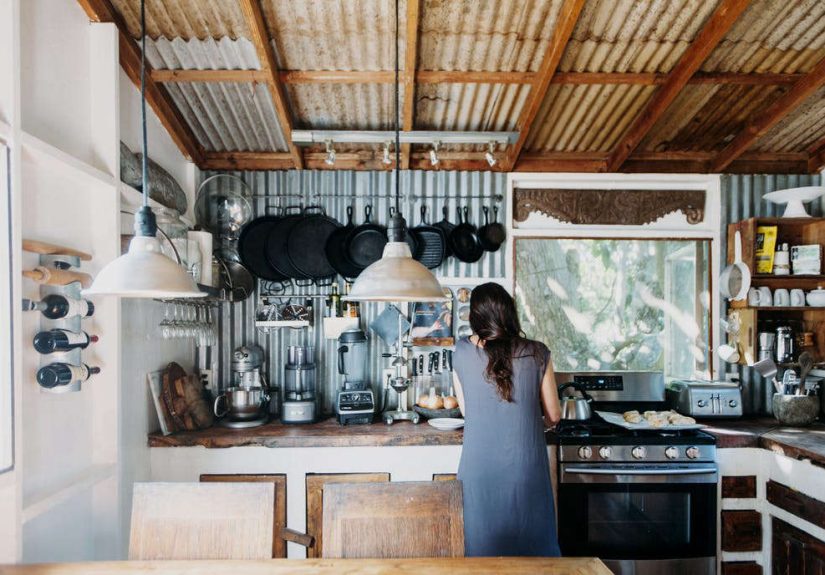
Remodelista’s short description gives away the secret sauce: this is a rustic kitchen created with salvaged materials,
including recycled cypress flooring and corrugated metal used on the wall as a backdrop. That one sentence tells you
almost everything about the design philosophy: prioritize function, reuse what’s available, and let honest materials
do the decorating.
1) Recycled cypress flooring: warmth underfoot, history in every board
Reclaimed wood floors add instant character because they don’t look factory-freshand that’s the point. In a kitchen,
where spills and scuffs are basically a lifestyle, the “already-lived-in” quality can be freeing. Instead of flinching
every time someone drops a spoon, you can focus on cooking, talking, and living.
Practical note: wood floors in kitchens can be durable, but they love a sensible routineregular sweeping to prevent
grit from acting like sandpaper, quick attention to spills, and avoiding overly wet cleaning methods. The goal is
patina, not puddles.
2) Corrugated metal as a wall backdrop: the unsung hero of rugged kitchens
Corrugated metal brings a lightly industrial, farm-forward vibe that feels right at home in a homestead setting.
It’s textural, bold, and doesn’t pretend to be delicate. In the Casa de Castillo kitchen, it reads as both practical
and expressive: a backdrop that can visually handle hanging cookware, open storage, and the reality of daily use.
Design trick: corrugated metal works best when it’s allowed to be the “statement” while other elements stay calm.
Pair it with wood, simple ceramics, and a restrained palette so it doesn’t feel like a theme restaurant called
“The Tin Barn.” (No offense to any Tin Barns out there. I’m sure your fries are excellent.)
3) The “provocative” factor: a kitchen that fits its place
Remodelista’s editors and judges called this kitchen “provocative” and said it felt “at one with the locale and the
owners.” That’s a rare compliment. It means the room doesn’t feel imported from a showroomit feels earned. A kitchen
in Hawaii that embraces an island-living sensibility (durable surfaces, breezy practicality, honest materials) will
always feel more authentic than a copy-paste luxury template.
Rustic Kitchen Design Lessons You Can Steal (Without Stealing Anything)
Build a “material story” instead of a shopping list
Many renovations start with a checklist: quartz, shaker cabinets, subway tile, done. Casa de Castillo starts with a
story: salvage and reuse, then design around what you find. When you let materials leadreclaimed wood, corrugated
metal, vintage piecesyou end up with a kitchen that can’t be duplicated because it’s built from specific, meaningful
parts.
Mix old and rugged with clean and functional
Rustic kitchens aren’t supposed to be sloppy; they’re supposed to be relaxed. A strong rustic space balances worn
textures (reclaimed floors, timeworn wood, metal surfaces) with smart functionality (good lighting, usable prep zones,
storage that actually works). That’s what keeps the vibe “effortless” instead of “abandoned summer camp.”
Let cookware become decorif you actually use it
One of the most charming (and practical) looks in rustic kitchens is visible cookware: cast-iron pans, utensils,
mixing bowls, baskets, maybe a cutting board with a few honorable scars. Hanging pots and pans can save cabinet space
and keep frequently used items accessible. The key is editing: hang what you reach for, not what you feel guilty for
buying during a “new year, new me” phase.
Open Shelving: The Great Love Story (and the Great Dust Story)
Rustic kitchens often lean on open shelving because it keeps things airy and casual. It’s also cheaper than a wall of
upper cabinets and makes a small kitchen feel bigger. But open shelves have a personality requirement: they demand
ongoing tidiness and regular cleaning, especially in a hardworking kitchen.
How to make open shelving work in real life
- Keep daily-use items on the lowest shelves so you’re not doing overhead gymnastics before coffee.
- Use matching or coordinated containers (jars, canisters, baskets) to reduce visual clutter.
- Don’t store dust magnets (rarely used glassware, delicate decor) right next to the cooking zone.
- Back it up with hidden storagedrawers, lower cabinets, or a pantryso the shelves can breathe.
If you love the look but fear the maintenance, consider a compromise: fewer open shelves, or “pocket”/retractable
cabinet doors that can hide the mess when you’re not in the mood to curate your cereal bowls like an art exhibit.
Butcher Block, Vintage Work Surfaces, and the Beauty of “Used”
Casa de Castillo’s vibe pairs beautifully with butcher block and vintage work tablessurfaces that invite you to chop,
knead, and assemble a meal without acting like you’re about to offend the countertop’s feelings. Wood counters and
butcher block can be budget-friendly and warm, but they do require care: routine oiling/conditioning, gentle cleaning,
and the occasional sanding touch-up when life happens (because life will happen).
A simple butcher block care rhythm
- Clean gently with mild soap and water; don’t soak the surface.
- Dry right awaystanding water is not a love language for wood.
- Oil regularly (often monthly-ish, or when the surface looks thirsty).
- Sand lightly if needed to remove stains or shallow scratches, then re-oil.
A rustic kitchen isn’t about being careless; it’s about choosing materials that age with grace. Wood develops patina,
metal can wear proudly, and reclaimed floors get to be themselvesno performance required.
Sustainable Kitchen Design: More Than a Trend, More Like a Lifestyle
Casa de Castillo isn’t “eco” because it bought a bamboo spoon set in biodegradable packaging. It’s eco because it
reuses materials and extends their lifeone of the most effective sustainability moves in home design. Salvage reduces
demand for new manufacturing, keeps materials out of landfills, and often results in a more distinctive space.
Low-toxin choices that matter in a hard-working kitchen
Kitchens are a cocktail of heat, moisture, and products (cleaners, finishes, paints). Prioritizing good ventilation
and choosing lower-VOC finishes where possible can help reduce indoor air pollutants. Sustainability isn’t only about
the planet; it’s about the air you breathe while you’re sautéing onions like a champion.
Efficiency without killing the vibe
If you’re renovating, energy-efficient appliances and smart water use can reduce long-term costs. The best part is
you don’t have to advertise it with a neon sign that says “I LOVE EFFICIENCY.” You can keep the rustic, salvaged look
while quietly choosing equipment that wastes less energy and water.
How to Recreate the Casa de Castillo Feeling in Your Own Kitchen
Step 1: Decide what “rustic” means to you
Rustic can mean farmhouse warm, cabin cozy, desert wabi-sabi, coastal weathered, or “my grandpa’s workshop but make it
chic.” Casa de Castillo reads as homestead rusticpractical, handmade, and rooted in place.
Step 2: Choose one bold utilitarian material
Corrugated metal is the kitchen’s signature move. Your version could be:
- Corrugated metal backsplash or accent wall
- Reclaimed wood ceiling planks
- Soapstone or honed stone that doesn’t mind heavy use
- A vintage stainless worktable as an island
Step 3: Add warmth with wood and textiles
Wood floors, butcher block, and even a well-chosen rug can soften the industrial edge of metal. The trick is to pick
durable, easy-to-clean piecesbecause a kitchen rug is basically a magnet for crumbs, splashes, and the laws of
physics.
Step 4: Make storage visiblebut intentional
If you do open shelving or hanging cookware, make it functional and edited. Display your everyday plates, bowls, and
pans, and keep the “miscellaneous chaos” in drawers. Rustic kitchens should feel relaxed, not like you lost a bet
with a flea market.
Maintenance Tips for Salvaged, Rustic Kitchens (So the Charm Doesn’t Turn Into Damage)
Wood floors: treat them like a valuable antique, not a bathtub
- Sweep or dust-mop often to prevent grit scratches.
- Wipe spills quicklyespecially near sinks and prep areas.
- Avoid steam mops and overly wet mopping that can damage wood over time.
Metal walls/backsplashes: keep them simple
- Use gentle cleaners; avoid harsh abrasives that can scratch finishes.
- Dry thoroughly to minimize water spots and potential corrosion.
- If the metal is meant to patina, let itjust keep it hygienic.
Cast iron: the low-drama cookware that still likes attention
Cast iron is famously durable, but it thrives on a simple routine: clean, dry thoroughly, and maintain seasoning with
a thin layer of oil. If you store cast iron in a humid environment, make sure it’s fully dry before you hang it up
rust is not the rustic accent you’re looking for.
Why This Kitchen Works: A Quick Design Analysis
Casa de Castillo succeeds because it’s not trying to be everything to everyone. It’s a kitchen designed around a
specific life: homesteading on an organic farm, living with the climate and the landscape, and using materials that
align with a hands-on, sustainable approach.
The recycled cypress flooring brings warmth and continuity. The corrugated metal backdrop adds toughness and texture.
Together, they create contrastsoft and hard, warm and cool, organic and industrial. That contrast is what makes
rustic kitchens feel intentional instead of accidental.
Conclusion: The Casa de Castillo Takeaway
The Casa de Castillo kitchen is proof that “beautiful” doesn’t have to mean “delicate.” It can mean resilient,
resourceful, and deeply personal. If you want a kitchen that feels lived-in (in the best way), start with materials
that tell a story, choose finishes that forgive real life, and design for the way you actually cooknot the way a
catalog model pretends to cook while holding an empty wooden spoon.
Experience-Based Add-On: of What Living With a Casa de Castillo–Style Kitchen Feels Like
Let’s talk about the part design articles don’t always capture: what it’s like to use a kitchen built for
daily living, not daily impressing. Homeowners who choose a Casa de Castillo–style setup often describe a subtle but
real shift in how the kitchen functions in their life: it becomes less of a “room you maintain” and more of a “tool
you use.”
Morning starts with texture. Wood underfoot feels warmer than tile, especially when the day is cool or damp, and the
floor looks better with timenot worse. You stop seeing every nick as a problem and start seeing it as proof that the
kitchen is doing its job. If you’ve ever tiptoed around a pristine space like you were visiting a museum, this is the
opposite: you walk normally. You live normally. Revolutionary stuff.
The corrugated metal backdrop changes the mood in a surprisingly practical way. It doesn’t demand perfection.
Splatter happens? Wipe it down. Steam and humidity? Manage it with good airflow and basic care. Visually, it makes the
whole space feel ready for worklike a well-loved farm truck that can haul groceries, garden tools, and a questionable
number of pumpkins without complaining.
Open storage (or visible cookware) encourages a different kind of organization. Instead of hiding everything, you
curate what you actually use: the everyday plates, the mixing bowl you always grab, the cast-iron skillet that makes
anything taste like you know what you’re doing. The upside is speedmeal prep feels quicker when your tools are
within reach. The downside is honesty: clutter shows. Many people find that visibility nudges them into a simple,
repeatable reset routinefive minutes at night to put things back where they belong. Not because it’s “Instagram
worthy,” but because it makes tomorrow easier.
Cooking itself feels a little more grounded in a rustic, salvaged-material kitchen. You’re less precious about the
space, so you experiment more. You knead dough on a wooden surface without panicking. You chop herbs and don’t worry
that the counter will “hate you.” You season cast iron and hang it up like a badge of honor. Over time, the kitchen
starts to reflect your habits: the pan you use most gets the best spot, the tools you never touch quietly migrate to
a drawer (or out of the house), and the room becomes more efficient without feeling sterile.
The biggest “experience” takeaway is psychological: a kitchen like this lowers the pressure. It invites people in.
Friends lean on the counter. Kids wander through for snacks. Someone offers to help chop vegetables because the space
feels approachable, not fragile. And that might be the most Remodelista-worthy detail of allbecause a considered home
isn’t just a beautiful one. It’s one that makes daily life easier, warmer, and a little more you.