Table of Contents >> Show >> Hide
- What Exactly Is Cauliflower Pizza?
- Cauliflower Nutrition 101 (Why This Veggie Is Doing the Most)
- Benefits of Cauliflower Pizza (When It’s Built Well)
- Is Cauliflower Pizza Always Healthier? Not Automatically.
- How to Build a Healthier Cauliflower Pizza (Without Making It Sad)
- A Healthy Cauliflower Pizza Recipe (Crisp, Not Soggy)
- Conclusion: A Smarter Pizza Night (That Still Feels Like Pizza Night)
- Experiences People Commonly Have with Cauliflower Pizza (The Real-World Version)
Cauliflower pizza is the plot twist nobody asked for… and then everybody ordered. One minute, cauliflower is
minding its own business next to broccoli at the salad bar. The next minute, it’s wearing mozzarella like a
tuxedo and pretending it’s a pizza crust.
Jokes aside, cauliflower pizza can be a genuinely smart optionespecially if you want a lighter crust, you’re
avoiding gluten, or you simply want more vegetables on your plate without committing to “I only eat kale now”
energy. But (and this is a big but, like a pan pizza but) cauliflower pizza isn’t automatically “healthy” by
default. The benefits depend on how you build itcrust, toppings, portion size, and what else you’re eating that day.
What Exactly Is Cauliflower Pizza?
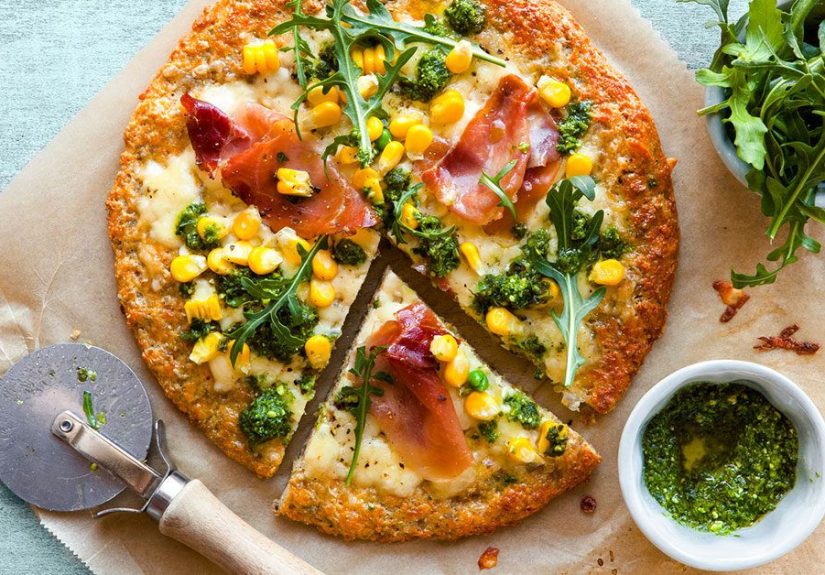
“Cauliflower pizza” usually means a pizza made with a crust that swaps flour-based dough for riced cauliflower.
Most homemade versions mix cooked, squeezed-dry cauliflower with a binder (commonly egg) plus cheese (often
mozzarella or Parmesan) to create a dough-like mixture you can bake into a crust.
The result isn’t identical to a chewy, yeasty New York slice (physics is still a thing), but it can be crisp,
sturdy, and satisfyingespecially when you bake it correctly and don’t drown it in sauce like it owes you money.
Cauliflower Nutrition 101 (Why This Veggie Is Doing the Most)
Cauliflower is naturally low in calories and provides fiber, vitamin C, and a mix of micronutrients. A typical
raw serving (about 1/6 of a medium head) is around 25 calories and includes roughly 5 grams of carbohydrate and
about 2 grams of fiber. It’s also known for vitamin C, which supports immune function and helps your body make
collagen (translation: it’s not just a “cold season” vitamin).
Key nutrients you’ll hear about most
- Vitamin C: A standout nutrient in cauliflower, important for immune support and antioxidant protection.
- Fiber: Helps with fullness, digestion, and heart health-supportive eating patterns.
- Folate (vitamin B9): Important for cell function and especially relevant during periods of growth.
- Potassium: Supports normal muscle and nerve function and helps balance sodium.
Cruciferous “extras”: glucosinolates and sulforaphane
Cauliflower belongs to the cruciferous vegetable family (same squad as broccoli, kale, cabbage, and Brussels sprouts).
These vegetables contain compounds called glucosinolates. When chopped or chewed, they can help form
compounds such as sulforaphane (more studied in broccoli sprouts, but the broader cruciferous family is part of the story).
Here’s the practical takeaway: cruciferous vegetables are linked in research to health-supportive dietary patterns,
and they bring antioxidants and phytochemicals to the party. The science is still evolving, so think “helpful
habit,” not “magic cure.”
Benefits of Cauliflower Pizza (When It’s Built Well)
The biggest advantage of cauliflower pizza is that it can make pizza night more nutrient-dense without feeling
like punishment. You’re still eating pizzajust with a crust that sneaks in vegetables and can reduce refined flour.
1) A lighter, lower-refined-carb swap
Traditional crust is mostly refined flour. A cauliflower crust typically replaces a big chunk of that flour with
vegetables. For people trying to manage carbohydrate intake or reduce ultra-refined foods, that swap can be useful
especially when paired with balanced toppings.
2) More fiber-friendly eating patterns (hello, fullness)
Fiber helps you feel satisfied, supports digestion, and is associated with heart-health benefits. Cauliflower itself
has fiber, and if you top your pizza with more veggies (peppers, onions, mushrooms, spinach), you can push that
number higher without adding many calories.
3) A gluten-free option (with one important label check)
Homemade cauliflower crust can be gluten-free if you don’t add flour. Many store-bought cauliflower crusts are also
labeled gluten-free, but some contain wheat or are made in facilities that handle gluten. If you have celiac disease
or medical gluten sensitivity, look for a clear “gluten-free” label and read ingredient lists.
4) A “half-plate veggies” win that still feels like a treat
Health advice often boils down to “eat more vegetables,” which is not exciting marketing. Cauliflower pizza is a
rare loophole: it can help you increase veggie intake in a format that still screams “Friday night.”
Is Cauliflower Pizza Always Healthier? Not Automatically.
Cauliflower crust can be a better-for-you base, but it’s not a nutritional force field. A few common pitfalls:
-
Cheese creep: Many cauliflower crusts rely on cheese for structure. Add extra cheese on top and you
can quickly turn a “lighter pizza” into a calorie-dense masterpiece (still delicious, but let’s be honest). -
Sodium sneak attack: Sauce, cheese, pepperoni, and packaged crusts can stack sodium fast. This matters
because many people already eat more sodium than recommended. - Gluten-free doesn’t mean “nutrient-perfect”: Gluten-free is about glutennot calories, sodium, or overall balance.
- Toppings can flip the script: A veggie crust topped with processed meat and extra cheese is still a heavy meal.
How to Build a Healthier Cauliflower Pizza (Without Making It Sad)
If you want cauliflower pizza to actually deliver on “healthy,” focus on two things: toppings and
portion strategy.
Topping ideas that add nutrients without turning your slice into a salt lick
- Veggie-heavy: mushrooms, bell peppers, onions, spinach, cherry tomatoes, zucchini, broccoli florets
- Lean protein: grilled chicken, turkey, shrimp, or a modest amount of part-skim mozzarella
- Flavor boosters: garlic, crushed red pepper, oregano, basil, arugula added after baking
- Sauce swap: try a thin layer of marinara, pesto (light), or a garlicky olive-oil brush
Portion strategy that doesn’t feel like math class
Think “pizza plus.” Have 1–2 slices with a big salad or roasted vegetables on the side. You’ll feel satisfied, your
plate looks abundant, and you don’t need to pretend you’re full after one triangle.
A Healthy Cauliflower Pizza Recipe (Crisp, Not Soggy)
This recipe is designed to avoid the biggest cauliflower-crust problem: moisture. The secret isn’t complicated,
but it is non-negotiablesqueeze the cooked cauliflower dry. Like you’re wringing out a tiny vegetable sponge.
Ingredients (makes 1 medium crust, about 2–3 servings)
- 1 large head cauliflower (or about 4 cups riced cauliflower)
- 1 large egg
- 1 to 1 1/2 cups shredded part-skim mozzarella (plus more for topping, optional)
- 2 tablespoons grated Parmesan (optional but helps crispness and flavor)
- 1/2 teaspoon salt (use less if your cheese is salty)
- 1 teaspoon Italian seasoning (or oregano + basil)
- 1/2 teaspoon garlic powder (optional)
- Black pepper to taste
Toppings (choose what you love, but keep it balanced)
- 1/3 to 1/2 cup marinara (go light to avoid sogginess)
- 1–2 cups chopped vegetables (mushrooms, peppers, onions, spinach)
- 1/2 cup cooked protein (optional)
- A modest handful of cheese (optional)
- Fresh basil or arugula for finishing
Step-by-step instructions
-
Rice the cauliflower.
If using fresh: cut into florets and pulse in a food processor until it looks like rice. If using frozen riced cauliflower,
you’re already winning on convenience. -
Cook it.
Microwave the riced cauliflower in a covered bowl (or steam it) until tender. Let it cool until it won’t burn your hands. -
Squeeze out moisture (the make-or-break step).
Put the cooked cauliflower in a clean kitchen towel or cheesecloth. Twist and squeeze hard over the sink.
Keep squeezing until you’re shocked by how much water comes out. -
Mix the “dough.”
In a bowl, combine the squeezed cauliflower with egg, mozzarella, Parmesan (if using), salt, seasoning, and pepper.
It should hold together when pressed. -
Shape the crust.
Heat oven to 450°F. Line a baking sheet with parchment paper. Press the mixture into a round crust
about 1/4-inch thick. Smooth edges so it bakes evenly. -
Bake once, flip if you can.
Bake 15–20 minutes until golden and set. For extra crispness, carefully flip the crust and bake 5–8 minutes more.
(If flipping feels like a high-stakes sport, skip itjust bake a little longer.) -
Add toppings lightly.
Spread a thin layer of sauce, then add veggies and protein. Keep wet ingredients (fresh tomatoes, watery mushrooms)
controlledpre-sauté mushrooms if you want maximum crispness. -
Bake again.
Return to oven 8–12 minutes, until toppings are hot and cheese melts (if using). Finish with basil or arugula. -
Rest, then slice.
Let it sit 5 minutes before cutting. This helps the crust firm up so it behaves like pizza instead of a casserole.
Easy upgrades (still healthy)
- More fiber: Add a side salad, or top with extra vegetables after baking.
- More protein: Add grilled chicken or a small amount of cottage cheese blended into the sauce.
- Lower sodium: Use a no-salt-added marinara or a smaller amount of cheese and cured meats.
Quick nutrition note
Nutrition varies wildly based on cheese, toppings, and portion size. The crust itself can be relatively light,
but toppings (especially lots of cheese and processed meats) can increase calories and sodium quickly.
Conclusion: A Smarter Pizza Night (That Still Feels Like Pizza Night)
Cauliflower pizza works best when you treat it as a vehicle for balance, not a loophole to eat an entire pizza
with zero consequences. You get a veggie-based crust, a chance to pile on colorful toppings, and a meal that can
fit into many eating stylesgluten-free, carb-conscious, or simply “I should probably eat vegetables today.”
Make it crisp. Keep toppings smart. Add a side salad. And remember: the healthiest pizza is the one you can enjoy
regularly without feeling like you’re being punished by a diet app.
Experiences People Commonly Have with Cauliflower Pizza (The Real-World Version)
The first time someone tries cauliflower pizza, it often comes with two strong emotions: optimism and suspicion.
Optimism because it’s pizza. Suspicion because… it’s cauliflower. A very common “week one” experience is discovering
that cauliflower crust is less forgiving than flour dough. Regular pizza dough can handle a little extra sauce, a
handful of mushrooms, and that “oops I poured too much olive oil” moment. Cauliflower crust? It notices everything.
Too much moisture and it turns into a soft middle that feels more like a savory pancake than a slice you can fold.
Another frequent experience: people are surprised by how much the process matters. The squeezing step sounds
dramatic until you do it once and watch a small lake drain into your sink. After that, most home cooks become
evangelists about moisture removal. It’s the difference between “This is actually pizza!” and “This is a tasty
cauliflower casserole wearing pepperoni as a hat.”
Families also tend to split into two camps. Camp A: “I can taste that it’s not bread, but I still like it.”
Camp B: “If it holds toppings and tastes good, it counts.” Kids can be unpredictable heresome love it because it’s
cheesy and crispy; others detect “vegetable vibes” like tiny culinary detectives. One strategy many people use is
focusing on bold flavors: a well-seasoned sauce, roasted veggies, fresh basil, and a little garlic. When the pizza
tastes exciting, nobody’s sitting there having an argument with the crust about its identity.
People who are eating gluten-free often describe cauliflower pizza as a “social win.” Instead of bringing a separate
meal or skipping pizza night, they can join in with something that feels familiar. The experience is better when
everyone treats the pizza as a real mealpair it with a salad or vegetables, make a variety of toppings, and serve it
hot and crisp. When cauliflower pizza is served lukewarm and overloaded, it’s not just less healthyit’s less fun.
Texture matters, and cauliflower crust loves being eaten fresh from the oven.
Another real-world pattern: cauliflower pizza is often part of a “reset week” routine. After holidays or heavy weekends,
people want comfort food that doesn’t feel heavy. Cauliflower crust can scratch the pizza itch while making it easier
to keep portions reasonableespecially if you build a veggie-forward pie and add a side salad. Many people notice they
feel satisfied sooner because the meal is more balanced, and they don’t get that post-meal “I need a nap” feeling that
can happen after a big refined-flour crust plus lots of salty toppings.
Finally, there’s the experience of becoming a “toppings strategist.” Once someone realizes cauliflower crust is a bit
delicate, they start making smart choices: pre-cooking watery mushrooms, using a thin layer of sauce, choosing grilled
chicken over pepperoni more often, and adding fresh greens after baking. That’s where cauliflower pizza really shines:
it nudges you into better habits without taking away the joy of pizza night. It’s not pretending to be a perfect food.
It’s just a clever, tasty option that helps many people eat more veggiesone crispy slice at a time.