Table of Contents >> Show >> Hide
- What Is a Central Venous Catheter?
- Why Are Central Venous Catheters Used?
- Main Types of Central Venous Catheters
- How Doctors Choose the Right CVC
- What Happens Before the Procedure?
- Central Venous Catheter Placement: Step by Step
- Possible Risks and Complications
- How to Care for a Central Venous Catheter
- When to Call a Healthcare Provider
- Living With a Central Venous Catheter
- Patient and Caregiver Experience: What It Can Really Feel Like
- Conclusion
- SEO Tags
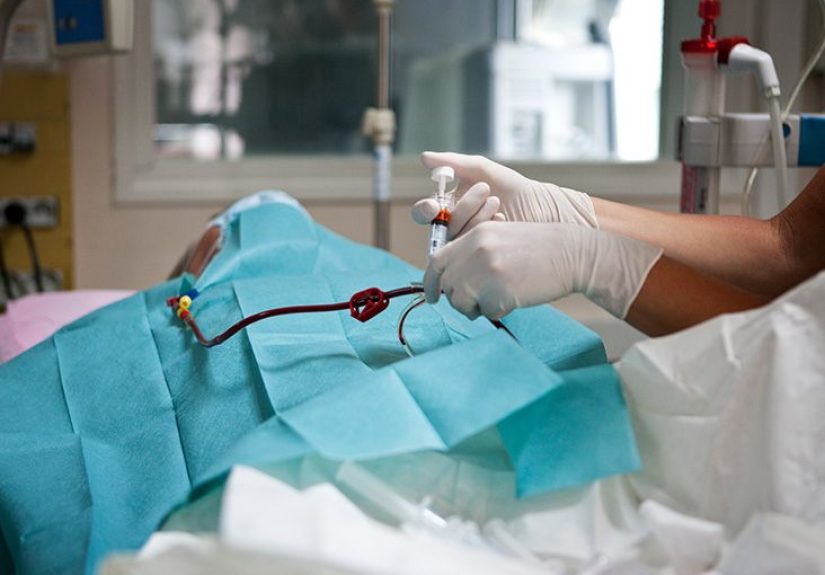
A central venous catheter, often called a CVC or central line, is one of those medical devices that sounds more intimidating than it usually looks. It is a long, flexible tube placed into a large vein near the heart so healthcare teams can deliver medications, fluids, blood products, nutrition, or dialysis treatment more safely and efficiently than a regular IV can manage. Think of it as a high-capacity medical “VIP lane” into the bloodstreamuseful, powerful, and absolutely not something you want handled casually.
Central venous catheters are common in hospitals, cancer centers, intensive care units, dialysis units, and long-term treatment plans. They can be lifesaving when a person needs frequent blood draws, strong medications, rapid fluid replacement, chemotherapy, parenteral nutrition, or close monitoring during critical illness. But because a CVC sits in a major vein and may remain in place for days, weeks, months, or even longer, it also requires careful insertion, sterile maintenance, and patient education.
This guide explains what central venous catheters are, why they are used, the main types, what happens during placement, possible risks, daily care tips, and real-life experience-based advice for patients and caregivers.
What Is a Central Venous Catheter?
A central venous catheter is a thin, soft tube inserted into a large central vein. Common insertion sites include the neck, upper chest, arm, or groin. The catheter tip is positioned in a large vein close to the heart, usually in the superior vena cava or near the right atrium. This placement allows medications and fluids to mix quickly with a large volume of blood.
A regular peripheral IV is usually placed in a smaller vein in the hand or arm and is often used for short-term treatment. A central line is different because it can handle medications or solutions that may irritate smaller veins. It can also support longer treatment schedules and repeated access without constantly poking the patient with new needles. For anyone who has ever felt like a “human pincushion,” that benefit is not small.
Why Are Central Venous Catheters Used?
Doctors recommend a central venous catheter when ordinary IV access is not enough. The exact reason depends on the person’s medical condition, the expected treatment length, and the type of therapy needed.
Common Purposes of a CVC
Central venous catheters may be used to give chemotherapy, antibiotics, antifungal medications, pain medicines, blood products, IV fluids, or total parenteral nutrition, which is nutrition delivered directly into the bloodstream. They are also used for dialysis, stem cell transplant support, frequent blood draws, and monitoring central venous pressure in critically ill patients.
For example, a patient receiving chemotherapy every week for several months may need an implanted port or tunneled catheter. A person in the ICU who needs several medications at once may need a non-tunneled central line with multiple lumens. A patient who cannot eat or absorb nutrients through the digestive system may need a catheter for long-term parenteral nutrition.
Main Types of Central Venous Catheters
Not all central lines are the same. The best type depends on how long the line is needed, what treatment is planned, the condition of the patient’s veins, infection risk, and lifestyle factors.
1. Non-Tunneled Central Venous Catheter
A non-tunneled CVC is usually placed directly into a large vein in the neck, chest, or groin. It is commonly used in hospitals for short-term treatment, emergency care, ICU support, rapid medication delivery, or close monitoring. It may have one, two, or three lumens, which are separate channels that allow different medications or fluids to run at the same time.
Because non-tunneled lines are typically used for shorter periods, they are not usually the first choice for months-long outpatient therapy. They can be extremely useful in urgent situations, but they require strict infection prevention practices.
2. Peripherally Inserted Central Catheter (PICC Line)
A PICC line is inserted through a vein in the upper arm and advanced until the tip reaches a large vein near the heart. PICC lines are often used when a person needs IV antibiotics, chemotherapy, nutrition, or other medications for several weeks or months.
PICC lines can be convenient because they avoid chest or neck insertion and can often be placed with ultrasound guidance at the bedside or in a procedure room. However, they still require careful care. Infection, blood clots, blockage, and accidental movement are possible complications.
3. Tunneled Central Venous Catheter
A tunneled catheter is placed into a central vein and then passed under the skin before exiting the body. The tunneled path helps secure the catheter and may reduce infection risk compared with a direct exit site. Some tunneled catheters have a small cuff under the skin that tissue grows into, helping hold the line in place.
Tunneled CVCs are often used for longer-term treatment, such as chemotherapy, dialysis, stem cell transplant care, or long-term nutrition. Examples include Hickman, Broviac, and tunneled dialysis catheters.
4. Implanted Port
An implanted port is a central venous access device placed completely under the skin, usually in the upper chest. It has a small reservoir connected to a catheter that leads to a central vein. To use the port, a healthcare professional inserts a special needle through the skin into the port.
Ports are popular for long-term intermittent therapy, especially chemotherapy. When not in use, a port is hidden under the skin and usually requires less daily maintenance than an external catheter. Many patients appreciate that they can shower and move more freely once the incision heals and the care team gives approval.
How Doctors Choose the Right CVC
Choosing a central venous catheter is not a one-size-fits-all decision. Doctors consider the treatment duration, medication type, vein quality, infection risk, clotting risk, kidney disease status, lifestyle, and patient preference.
A person needing a few days of ICU medications may receive a non-tunneled CVC. Someone needing six weeks of IV antibiotics might receive a PICC line. A cancer patient receiving repeated chemotherapy cycles may benefit from a port. A person needing ongoing dialysis may require a tunneled dialysis catheter while waiting for a more permanent access option.
The goal is to use the safest device that can do the job without creating unnecessary risk. In other words, the best catheter is not always the biggest, fanciest, or most “medical drama TV show” looking one. It is the one that matches the patient’s real needs.
What Happens Before the Procedure?
Before central line placement, the healthcare team reviews the patient’s medical history, allergies, medications, bleeding risk, and previous vascular access problems. Patients may be asked about blood thinners, implanted devices, kidney disease, recent infections, or prior surgeries.
Depending on the type of catheter, the procedure may happen at the bedside, in an interventional radiology suite, in an operating room, or in a specialized vascular access area. Some lines are placed with local anesthetic only, while others may involve light sedation or general anesthesia.
The team may use ultrasound to identify the vein and guide needle placement. Imaging, such as fluoroscopy or X-ray, may be used to confirm that the catheter tip is in the correct position. Patients should receive instructions about fasting, medication adjustments, and transportation if sedation is planned.
Central Venous Catheter Placement: Step by Step
The exact process varies by catheter type, but most CVC placements follow a similar pattern.
Step 1: Preparation and Sterile Setup
The skin is cleaned with antiseptic solution, and the procedure area is covered with sterile drapes. The medical team wears sterile gloves, masks, gowns, and caps. This may look dramatic, but it is not for style points. Sterile technique is one of the most important ways to reduce infection risk.
Step 2: Numbing the Area
A local anesthetic is injected to numb the skin and deeper tissues. Patients may feel a brief sting or burning sensation from the numbing medicine, followed by pressure rather than sharp pain.
Step 3: Finding and Accessing the Vein
The clinician identifies the target vein, often with ultrasound. A needle is inserted into the vein, and a guidewire may be passed through the needle. The catheter is then advanced over the guidewire into the correct position.
Step 4: Securing the Catheter
The line is secured with sutures, adhesive devices, or a dressing. For tunneled catheters and ports, a small incision or pocket may be created under the skin. The site is covered with a sterile dressing.
Step 5: Confirming Placement
Placement is confirmed using imaging or other approved methods. This step helps make sure the catheter tip is positioned correctly and checks for complications such as a collapsed lung after certain chest or neck placements.
Possible Risks and Complications
Central venous catheters are useful, but they are not risk-free. The good news is that many complications can be reduced with careful insertion, proper care, and quick attention to warning signs.
Infection
Infection is one of the most important risks. A central line-associated bloodstream infection, or CLABSI, can happen when germs enter the bloodstream through the catheter. Hospitals use prevention bundles, sterile insertion checklists, chlorhexidine skin cleaning, hand hygiene, and careful dressing changes to reduce this risk.
Warning signs may include fever, chills, redness, swelling, warmth, pain, tenderness, drainage, or unusual discoloration around the catheter site. Patients should contact their healthcare provider right away if these symptoms appear.
Blood Clots
A catheter can irritate the inside of a vein and increase the chance of a clot. Symptoms may include swelling, pain, heaviness, or color changes in the arm, neck, shoulder, or chest area near the line. Clots can be serious, so new swelling or pain should never be ignored.
Bleeding or Bruising
Minor bruising or soreness can occur after placement. More serious bleeding is uncommon but may happen, especially in people taking blood thinners or those with clotting problems.
Pneumothorax
When a line is placed near the collarbone or neck, there is a small risk of pneumothorax, commonly called a collapsed lung. This is why imaging may be used after placement. Symptoms can include chest pain, shortness of breath, or sudden breathing difficulty.
Catheter Malposition, Blockage, or Breakage
Sometimes the catheter tip may not sit where it should, or the line may become blocked. A catheter can also move, crack, leak, or become difficult to flush. Patients should not force a flush or try to “fix” a central line at home. That is a job for trained clinicians, not a kitchen-table engineering project.
How to Care for a Central Venous Catheter
Proper care is the difference between a helpful medical device and a potential problem magnet. Patients and caregivers should receive hands-on training before caring for a CVC at home.
Keep the Dressing Clean and Dry
The dressing protects the insertion site from germs. It should stay clean, dry, and secure. If it becomes wet, loose, dirty, or starts peeling away, the care team should be contacted for instructions.
Wash Hands Before Touching the Line
Hand hygiene is central line care 101. Wash hands thoroughly with soap and water or use an approved sanitizer before touching the catheter, caps, tubing, or dressing.
Flush the Line as Directed
Some catheters need routine flushing to prevent blockage. Patients should use the exact technique, supplies, and schedule taught by their healthcare team. If flushing becomes difficult, stop and call the provider.
Avoid Pulling, Tugging, or Submerging the Line
The catheter should be protected during dressing, bathing, sleeping, and daily activities. Patients are often told not to swim or soak the catheter site. Showers may be allowed with protective covering, depending on the line type and provider instructions.
When to Call a Healthcare Provider
Call a healthcare provider promptly if there is fever, chills, redness, warmth, swelling, pain, drainage, bleeding, leaking, a broken catheter, a loose dressing, difficulty flushing, chest pain, shortness of breath, swelling of the arm or neck, or if the catheter appears to have moved.
A central line problem is not something to “wait out” like a mild headache or a weird phone update. Early action can prevent a small issue from becoming a serious complication.
Living With a Central Venous Catheter
Living with a CVC can feel strange at first. Many patients are nervous about touching the line, showering, sleeping, or accidentally pulling it. That is completely normal. With training and practice, most people become more confident.
Practical habits help. Keep supplies organized in one clean location. Use a checklist for flushing or dressing care. Wear clothing that does not rub the catheter site. Ask the care team about activity limits, school or work routines, travel, and exercise. For children, caregivers may need extra guidance on protecting the line during play.
Emotional adjustment matters too. A visible line can make a person feel self-conscious. A port may feel like a small bump under the skin. A PICC line may require sleeve covers or dressing protection. These changes can be annoying, but they often become part of the routine.
Patient and Caregiver Experience: What It Can Really Feel Like
Beyond the medical facts, having a central venous catheter is a daily experience. It is not just “a tube in a vein.” It changes how people shower, sleep, dress, move, plan treatment days, and think about their bodies. For many patients, the first few days are the hardest because everything feels new. The dressing feels noticeable, the line may look fragile, and every movement can bring the nervous question: “Am I going to pull this thing out?” Usually, with proper securement and careful habits, the answer is nobut the worry is real.
One common experience is learning to respect the line without becoming afraid of it. Patients often start by moving stiffly, guarding the arm or chest like they are carrying a priceless museum artifact. Over time, they learn what is safe. A person with a PICC line may discover which shirts are easiest to put on. Someone with a port may learn that seat belts need a little adjustment after placement. A patient with a tunneled catheter may create a shower routine that feels like preparing a tiny waterproof fortress. It is not glamorous, but it works.
Caregivers also have a learning curve. Flushing a line, checking for redness, keeping supplies sterile, and remembering dressing schedules can feel overwhelming at first. The best approach is to slow down and follow the same steps every time. Many families keep a small “central line station” with hand sanitizer, masks, gloves, alcohol pads, caps, flushes, tape, and emergency phone numbers. Organization reduces stress. It also prevents the classic household mystery of “Where did the last alcohol pad go?”usually into the same invisible dimension as missing socks.
Treatment days can be easier with a CVC because the care team may not need to search for a vein repeatedly. This can be a major relief for patients who have difficult veins, frequent blood tests, or long infusion sessions. At the same time, patients may feel frustrated by restrictions. Swimming may be off-limits. Dressing changes may interrupt the week. Some people worry about how the line looks in public. These feelings are valid. A central line may be medically helpful and emotionally inconvenient at the same time.
Communication makes a big difference. Patients should ask their team practical questions: Can I shower? Can I exercise? What should I do if the dressing lifts? Who do I call after hours? What symptoms are urgent? Clear answers reduce panic. It also helps to repeat instructions back to the nurse or clinician, because medical appointments can turn anyone’s brain into mashed potatoes.
The biggest experience-based lesson is simple: do not ignore changes. A little redness, a new fever, unusual swelling, pain, drainage, or trouble flushing deserves attention. Patients are not “bothering” the medical team by calling. Central lines are important devices, and early reporting is part of good care. With training, cleanliness, and confidence, many people manage CVCs successfully while continuing treatment, recovery, school, work, and daily life.
Conclusion
Central venous catheters play a major role in modern healthcare. They make it possible to deliver powerful medications, nutrition, blood products, dialysis, chemotherapy, and critical care treatments through reliable access to large veins near the heart. The main types include non-tunneled central lines, PICC lines, tunneled catheters, and implanted ports, each designed for different treatment needs.
Although CVCs can be incredibly useful, they require respect. Infection prevention, careful dressing care, proper flushing, and quick reporting of warning signs are essential. Patients and caregivers should never hesitate to ask questions, request demonstrations, or call the care team when something seems off. A central line may look small, but it has a big joband good care helps it do that job safely.