Table of Contents >> Show >> Hide
- What Is a Chamba Soup Pot, Exactly?
- SS0–SS15: The Size Codes, Demystified
- Why Clay Pots Make Soups and Beans Taste “More Like Themselves”
- Where Chamba Comes From (And Why the Finish Looks So Good)
- Seasoning: The 30-Minute Ritual That Prevents 30 Days of Regret
- Cooking in a Chamba Soup Pot: Stovetop, Oven, Microwave, and Beyond
- Cleaning and Care: Keep It Simple, Keep It Gentle
- What to Cook: Specific Ideas That Shine in SS0–SS15
- Common Mistakes (And How to Fix Them)
- Buying Checklist: How to Shop Without Guessing
- Kitchen Experiences: What It’s Like Living With Chamba Soup Pots (500+ Words)
If your soup pot has ever scorched the bottom of your chili while leaving the top layer suspiciously lukewarm, you’re not alone. A Chamba soup pot is basically a “slow and steady wins the flavor” machinehandmade black clay, a snug lid, and a knack for turning simple ingredients into food that tastes like you had a plan all along.
This guide breaks down the SS0–SS15 size codes, how to season and care for these clay pots, and why they’re such a cult favorite for soups, beans, broths, and long-simmered comfort food. We’ll keep it practical, a little nerdy (in a good way), and very copy-paste friendly.
- Know your sizes: what SS0 through SS15 actually hold and who they’re for.
- Cook smarter: clay-pot heat behavior explained without a physics degree.
- Care like a pro: seasoning, cleaning, and avoiding the dreaded “crack of heartbreak.”
- Real examples: what to cook, how to adapt recipes, and common mistakes to dodge.
What Is a Chamba Soup Pot, Exactly?
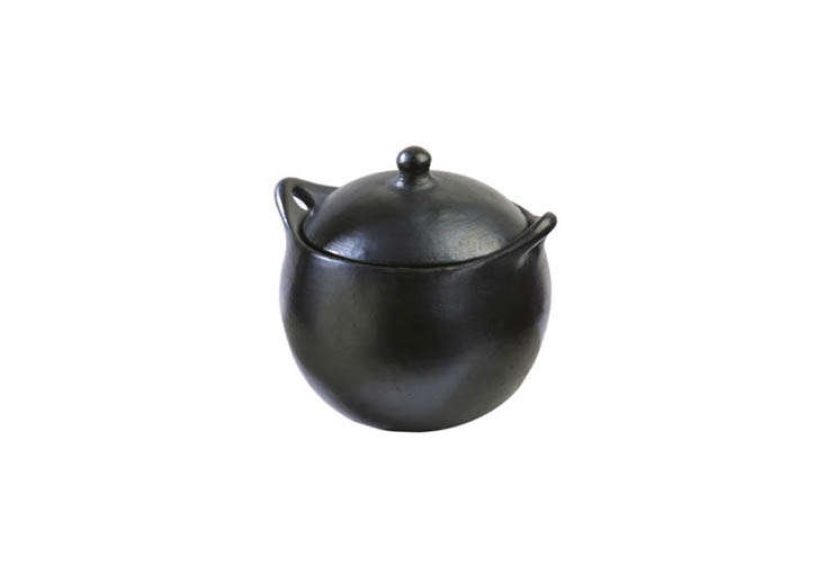
“Chamba” generally refers to black clay cookware made in Colombia using traditional techniques. A Chamba soup pot is the lidded, handled workhorse of the lineupbuilt to simmer soups and beans, warm broths, and keep food hot at the table without needing a second pot or a heat lamp.
The headline features are simple but powerful: the pot heats more gradually than many metal pots, it holds heat for a long time, and it tends to cook with a moist, gentle environment under the lid. That combo is catnip for anything that wants to burble slowlythink black beans, chicken soup, lentils, pozole, or a Sunday pot of “I’m not leaving the couch” stew.
One more key detail: these pots are typically unglazed. Unglazed clay behaves differently than enameled cookware. It can be slightly porous at first, it appreciates gradual heating, and it develops a seasoning/patina with usekind of like cast iron’s calmer, earthier cousin.
SS0–SS15: The Size Codes, Demystified
SS0 through SS15 are size codes you’ll see for Chamba soup pots. They generally correspond to diameter/height and a rough capacity in quarts. Translation: SS0 is cute and compact; SS15 is “are we feeding the whole neighborhood?” territory.
Quick size table (SS0–SS15)
| Code | Approx. Dimensions | Approx. Capacity | Best For |
|---|---|---|---|
| SS0 | 5" x 5" x 3.5" | 3/4 quart | Single serving soup, sauces, warming broth |
| SS1 | 6" x 6" x 4.5" | 1.5 quarts | 2 servings, small grains, side beans |
| SS2 | 7" x 7" x 5.5" | 2.5 quarts | 3–4 servings, ramen broth, lentils |
| SS3 | 8" x 8" x 6" | 3.5 quarts | Family soup night, chili, braises |
| SS4 | 9" x 9" x 7" | 6 quarts | Batch cooking, stock, bigger stews |
| SS5 | 10" x 10" x 8" | 8 quarts | Big gatherings, potlucks, meal prep |
| SS6 | 10" x 10" x 11" | 14 quarts | Serious volume: parties, catering vibes |
| SS15 | 10" x 10" x 12" | 20 quarts | “We made soup for the week” (and the next one) |
How to choose the right size
- If you cook for 1–2: SS0–SS2 will get used constantly.
- If you cook for 3–5: SS3 is the sweet spot; SS4 if you like leftovers.
- If you love batch cooking: SS4–SS5 is where soup dreams come true.
- If you host a lot: SS5–SS6 saves you from “two-pot juggling.”
- If you run a community kitchen: SS15 is basically a gentle simmering cauldron (respectfully).
A practical tip: don’t choose only by quartschoose by footprint, too. Clay pots tend to have rounded sides and can feel bigger in real life than the opening suggests. If your stove is compact, an SS4+ might hog the burners like it pays rent.
Why Clay Pots Make Soups and Beans Taste “More Like Themselves”
Let’s talk about the delicious weirdness of cooking in clay. Compared with many metal pots, clay tends to heat up more slowly and evenly. That reduces hot spots and makes scorching less likelyespecially helpful for beans, thick soups, and anything with starch.
Clay also holds heat well. Once your pot gets up to temperature, it behaves like a steady campfire rather than a blowtorch: consistent, calm, and great for coaxing flavors out of aromatics, bones, legumes, and spices. It’s the reason a pot of beans can come out creamy instead of busted, and why broths can feel richer without extra ingredients.
The lid matters, too. A lidded clay pot creates a moist cooking environment that helps ingredients gently baste and soften. If you’ve ever wanted “slow cooker tenderness” with more stovetop control, this is a very satisfying middle ground.
But does it really change flavor?
Many cooks describe clay-pot food as rounder, deeper, and slightly earthier. Some of that is straightforward (gentler heat + moisture retention), and some of it is… culinary folklore with a passport stamp. Either way, if your goal is cozy, not crispy, clay is in its element.
Where Chamba Comes From (And Why the Finish Looks So Good)
Traditional Chamba cookware is made in Colombia by artisans who hand-form pieces, dry them, fire them, and finish them through labor-intensive methods rather than factory shortcuts. The signature black color is typically achieved through firing and a smoking process, and the smooth sheen comes from hand burnishing (often with stones) instead of shiny glazes.
This matters for two reasons: first, you’re buying something that’s both functional cookware and craft; second, the unglazed surface means your pot will develop character over time. Expect subtle color shifts on the bottom from heat, and a gradually improving interior surface as you use it.
Seasoning: The 30-Minute Ritual That Prevents 30 Days of Regret
Because unglazed clay can be slightly porous when new, most makers recommend seasoning before your first soup. Seasoning helps seal the clay, improves performance, and makes cleanup easier.
Simple oven-seasoning method
- Rinse the pot and lid with water (no soap needed for first rinse unless the maker says otherwise).
- Fill the pot about three-quarters full with water.
- Place the pot uncovered in a cold oven.
- Set oven to 400°F and let it heat with the pot inside.
- Once at temperature, keep it there for about 30 minutes.
- Turn off the oven and let the pot cool down gradually inside.
If the pot still seems a bit porous after a few uses (rare, but possible), some makers suggest boiling milk in the vessel as a helper step. And remember: the surface often improves with repeated cooking, so your second pot of soup may behave even better than your first.
Thermal shock: the #1 rule
Clay doesn’t like surprise. Avoid sudden temperature changes: don’t move a cold pot straight into a hot oven, don’t set a blazing-hot pot onto a cold counter, and don’t crank the burner to “volcano” just because you’re hungry. Gradual heat is your best friend.
Cooking in a Chamba Soup Pot: Stovetop, Oven, Microwave, and Beyond
Stovetop basics
- Start low: begin on low heat for several minutes, then move to medium as needed.
- Never heat it empty: add liquid or ingredients before turning on the heat.
- Electric/induction note: some users prefer a heat diffuser to soften direct heat (especially on electric coils).
- No high-heat searing: clay is for simmering and braising, not steakhouse drama.
Oven advantages
Ovens are clay-friendly because they heat evenly from all sides. For soups and beans, oven simmering can be incredibly steady. The big rule remains: put the pot into a cold oven and let it warm gradually, rather than dropping it into a fully preheated blast furnace.
Microwave and reheating
Many Chamba pots are marketed as microwave-safe, but “safe” doesn’t mean “immune to bad ideas.” If you’re reheating, use medium power and short bursts. Let the pot come closer to room temperature if it’s been in the fridge, and avoid sudden shifts.
Cleaning and Care: Keep It Simple, Keep It Gentle
Once seasoned, cleanup is usually easy. The goal is to respect the porous surface and avoid harsh treatments that either soak into the clay or damage the finish.
Do this
- Let the pot cool before washing (hot clay + cold water is a classic crack recipe).
- Use warm water, a soft sponge or cloth, and a brief soak if needed.
- Dry thoroughly before storing; a short warm oven-dry can help if your kitchen is humid.
Avoid this
- Dishwashers: generally not recommended for unglazed clay cookware.
- Abrasives: skip scouring pads that scratch or roughen the surface.
- Long soaks: a quick soak is fine; “overnight bath” is usually not.
What about soap?
Maker guidance varies by clay type. Many clay-pot guides recommend minimal soap (or none) for unglazed pieces because odors and detergents can linger in pores. If you do use soap, keep it mild, rinse well, and dry completely.
What to Cook: Specific Ideas That Shine in SS0–SS15
1) Beans that don’t blow out
Clay pots are famously good for beans. The gentler heat makes it easier to cook them through without turning the skins into confetti. Try black beans, pintos, chickpeas, or lentilsespecially if you like a creamy interior and a broth that tastes like it belongs in a bowl, not a drain.
2) Broth and stock (especially in SS4+)
If you make stock often, a larger Chamba pot can become your “Sunday base layer.” The steady simmer helps keep things calm: fewer violent boils, less emulsified cloudiness, and more of that clean, rounded flavor.
3) Chicken soup, but make it elegant
The pot can go from stove to table, which makes it great for serving. The lid helps keep soup hot while everyone “just grabs one more thing” (translation: ten minutes).
4) Chili and thick stews
Thick, tomato-heavy pots can scorch in thin metal cookware. With clay, the slower heating reduces hot spots. Keep heat moderate and stir occasionally, especially as the stew thickens.
5) Yogurt experiments (yes, really)
Some sellers specifically mention yogurt-making in these soup pots. If you like kitchen projects, the steady warmth and heat retention can support gentle incubation approachesjust follow food-safety best practices and reliable yogurt methods.
6) Warm dips, queso, and “small pot snacks” in SS0–SS2
The smaller sizes are great for keeping things warm without turning the bottom into lava. Think: caldo for dunking, salsa warmers, or a little pot of spiced beans that makes chips feel like a real dinner (no judgment).
A simple “first cook” recipe idea
For your first real cook after seasoning, choose something forgiving and liquid-rich: a basic onion-garlic broth, a lentil soup, or a simple bean simmer. Avoid delicate foods that stick easily (like eggs or fish) until the pot has a few uses and starts to develop its natural patina.
Common Mistakes (And How to Fix Them)
Mistake: “I preheated the oven because I’m efficient.”
Clay loves patience, not surprises. If you forget and the oven is already hot, let it cool down or warm the pot gradually on the stovetop first with liquid inside.
Mistake: Heating an empty pot
Avoid it. Empty clay heats too fast and unevenly. Always start with ingredients or at least liquid.
Mistake: Scrubbing like it owes you money
If food sticks, soak briefly with warm water, then wipe gently. Over time, sticking usually decreases as the surface seasons.
Mistake: Big pot, tiny stove
Oversized pots can create uneven heating if they straddle burners or sit awkwardly. If your cooktop is small, consider SS2–SS4 as your “daily driver” and save the bigger sizes for special occasions.
Buying Checklist: How to Shop Without Guessing
- Pick the size you’ll actually lift: clay is not weightless. Bigger sizes can get heavy when full.
- Look for clear care instructions: reputable sellers explain seasoning, cleaning, and heat limits.
- Confirm food safety: choose established sources that explicitly address lead/toxin concerns and manufacturing practices.
- Expect small variations: handmade means your pot is uniquenot a defect, just reality.
- Inspect on arrival: check for cracks or chips, especially around the rim and handles.
Kitchen Experiences: What It’s Like Living With Chamba Soup Pots (500+ Words)
Let’s do the honest version: the first week with a Chamba soup pot is equal parts romance and learning curve. Not “I climbed Everest” hardmore like “I forgot clay cookware has feelings” hard.
Experience #1: The seasoning ceremony. You fill the pot with water, slide it into a cold oven, and immediately feel like a person who owns linen napkins. Thirty minutes later you pull out… a pot of hot water. It’s the least Instagrammable achievement in cooking history, and yet it’s weirdly satisfying. The pot looks the same, but you know you’ve done something importantlike updating your phone’s operating system, except it makes soup taste better.
Experience #2: The “why is it taking so long?” moment. Clay heats gradually, so the first simmer can feel slow if you’re used to a stainless steel pot that goes from zero to fury in three minutes. The upside shows up later: once the pot is warm, it holds a steady simmer like a pro and doesn’t spike into scorching territory. That’s when you realize the clay pot isn’t lateit’s building flavor with intention. (Or, if you prefer a more scientific description: thermal mass doing its job while you pretend to be patient.)
Experience #3: Beans that behave. Plenty of home cooks notice that long-simmered beans come out creamier and more evenly cooked in clay. Not magicjust gentle heat, fewer hot spots, and a moist environment under the lid. You end up with a pot of beans that tastes like you used a secret ingredient, even though the “secret” was mostly not blasting the burner and walking away like an action hero.
Experience #4: The serving-table flex. A Chamba soup pot goes from stove to table and keeps food hot longer than you’d expect. That changes the whole vibe of dinner: you don’t have to rush plating, and the last bowl doesn’t taste like it was filled from a cooling puddle. The pot also looks greatmatte black, handmade curves, that artisanal “yes, I read cookbooks for fun” aestheticeven if your soup is just upgraded boxed broth with frozen dumplings. No one needs to know. Your pot will vouch for you.
Experience #5: The care routine becomes normal. At first you’ll overthink cleaning: “Do I use soap? Do I not use soap? Will my pot remember this forever?” Then you settle into a simple rhythm: cool it down, quick soak if needed, wipe gently, dry well. Over time the interior feels easier to clean, and you learn the two big rules: don’t shock it with sudden temperature changes, and don’t treat it like a cast-iron skillet in a rage.
The best long-term experience is subtle: you start cooking slower foods more often because the process is pleasant. Soup becomes less of a “recipe” and more of a habitsomething you do while music plays, laundry spins, and your kitchen smells like you’re doing great at adulthood. And if you ever catch yourself thinking, “Maybe I need a second size,” congratulations: you’ve been adopted by clay cookware culture.