Table of Contents >> Show >> Hide
- Why Chickpea Tomato Salad with Feta Works So Well
- The Core Ingredients That Pull Their Weight
- How to Build the Best Version at Home
- Small Tricks That Make a Big Difference
- Easy Variations That Keep It Interesting
- What to Serve with Chickpea Tomato Salad with Feta
- Make-Ahead and Storage Tips
- Why This Salad Keeps Earning a Spot on the Table
- Real-Life Experiences with Chickpea Tomato Salad with Feta
Some salads feel like punishment. This is not one of them.
Chickpea tomato salad with feta is the kind of dish that shows up looking effortless and somehow still steals the whole meal. It is bright, briny, juicy, creamy, and hearty at the same time. It works as a side dish, a fast lunch, a lazy dinner, a picnic hero, and a “there is absolutely no way I am turning on the oven tonight” solution. That is a lot of responsibility for one bowl, and yet this salad handles it like a pro.
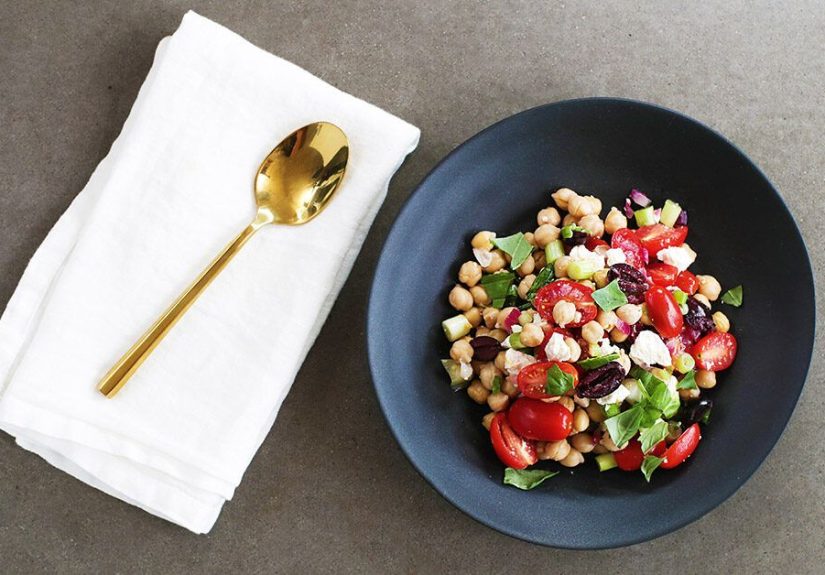
At its best, this salad hits a sweet spot between pantry-friendly and fresh. Chickpeas bring substance. Tomatoes bring color and juicy acidity. Feta adds salty creaminess and just enough attitude to keep things interesting. Then a simple dressing, usually built around olive oil, lemon juice, or vinegar, pulls the whole thing together. Add herbs, maybe cucumber, maybe red onion, maybe olives, and suddenly you have a dish that tastes like it has a vacation planned.
This is also one of those rare recipes that rewards common sense more than kitchen drama. No fancy equipment. No mysterious technique. No 14-step monologue about “building layers.” You chop, toss, season, let it sit for a few minutes, and the salad goes from good to suspiciously good. In other words, it is exactly the sort of recipe people pretend they just threw together, even though they will absolutely be making it again next week.
Why Chickpea Tomato Salad with Feta Works So Well
The magic here is contrast. Chickpeas are soft but sturdy. Tomatoes are juicy and sweet-tart. Feta is creamy, crumbly, and salty. A lemony or vinegary dressing adds brightness, while herbs bring freshness that keeps the salad from tasting flat or heavy. Every bite has enough texture to stay interesting, but nothing feels fussy.
It also solves a common food problem: the gap between “I want something healthy” and “I want something that tastes like an actual meal.” Leafy salads can sometimes feel like a side quest. A chickpea salad feels like the main event. The beans make it filling. The feta keeps it flavorful. The tomatoes lighten everything up. It lands in that wonderful middle ground where you finish lunch and do not immediately begin negotiating with yourself about chips.
Another reason this salad works is flexibility. It can lean Mediterranean, garden-fresh, picnic-friendly, or meal-prep practical depending on what you add. Cucumbers make it cooler and crunchier. Red onion sharpens the edges. Basil softens the profile and pushes it toward summer. Parsley and dill make it taste clean and savory. A handful of olives turns it bolder. A scoop of quinoa or couscous makes it feel dinner-worthy. The base stays reliable while the details can shift with your mood, your produce drawer, or your tolerance for grocery shopping.
The Core Ingredients That Pull Their Weight
Chickpeas
Canned chickpeas are the everyday MVP here. Rinse and drain them well so the salad tastes fresh instead of tinny, and you are already most of the way home. If you cook dried chickpeas from scratch, great. You will get a slightly firmer texture and a more from-scratch feel. But this is not the kind of salad that punishes convenience. It actually thrives on it.
Tomatoes
Cherry or grape tomatoes are ideal because they are sweet, less watery, and easy to halve. Roma tomatoes work too if diced neatly. The better the tomatoes, the better the salad, which sounds obvious because it is. When tomatoes are in season, this dish tastes lively and sun-soaked. When they are not, using smaller, sweeter varieties helps a lot.
Feta
Feta is the ingredient that keeps this salad from being merely respectable. It adds tang, salt, creaminess, and a little richness. If you can get block feta and crumble it yourself, do it. The texture is usually better, and the flavor is fuller. Pre-crumbled feta is fine in a pinch, but block feta has more charm. Think of it as the difference between a handwritten note and a text message with no punctuation.
The Dressing
A simple dressing is all you need: olive oil, lemon juice or red wine vinegar, garlic, black pepper, and salt. Some versions add mustard for body, honey for a tiny hint of balance, or crushed red pepper for heat. The point is not to bury the salad under dressing. The point is to wake everything up.
Fresh Extras
Cucumber, red onion, parsley, dill, basil, mint, and olives all fit naturally into the bowl. They are not mandatory, but they are useful. Cucumber adds crunch and coolness. Onion adds bite. Herbs add lift. Olives add briny depth. Together, they turn a simple bean salad into something that feels complete.
How to Build the Best Version at Home
If you want a dependable formula, start here:
- 2 cans chickpeas, rinsed and drained
- 1 1/2 to 2 cups cherry tomatoes, halved
- 3/4 cup crumbled feta
- 1 small cucumber, chopped
- 1/4 small red onion, thinly sliced
- 2 to 3 tablespoons chopped parsley or basil
- 3 tablespoons extra-virgin olive oil
- 1 1/2 tablespoons lemon juice or red wine vinegar
- 1 small garlic clove, grated or finely minced
- Salt and black pepper, to taste
Whisk the oil, acid, garlic, salt, and pepper in the bottom of a large bowl. Add the chickpeas, tomatoes, cucumber, and onion. Toss well so the chickpeas start absorbing flavor right away. Fold in most of the feta and herbs, then save a little for the top so the final bowl looks like it has its act together. Let the salad sit for 10 to 20 minutes before serving. That short rest matters. It gives the tomatoes time to mingle, the chickpeas time to drink in the dressing, and the onion time to calm down a little.
The result should taste vivid, not loud. You want brightness from the acid, richness from the oil, salt from the feta, and freshness from the vegetables. If it tastes dull, it probably needs more lemon or vinegar. If it tastes flat, it probably needs a pinch more salt. If it tastes sharp, add another drizzle of olive oil or a little more feta. Salad is not difficult, but it is opinionated.
Small Tricks That Make a Big Difference
1. Salt thoughtfully
Feta is already salty, so season in layers. Dress the chickpeas and vegetables first, then add feta, then taste again. This keeps the salad balanced instead of seawater-adjacent.
2. Let the salad rest
A short rest is where the magic happens. Ten minutes makes a difference. Twenty makes a better one. The salad becomes more cohesive, less like a meeting of random ingredients, more like a plan.
3. Keep the herbs fresh
If you are making the salad ahead, stir in delicate herbs closer to serving time. Basil and mint, especially, are more charming when they still look alive.
4. Save some feta for the finish
Mixing feta into the salad gives every bite flavor. Sprinkling a little more on top gives the bowl visual appeal and extra creamy pops. This is not overthinking. This is strategy.
5. Add crunch if you want contrast
Toasted pita chips, sunflower seeds, chopped romaine, or even diced bell pepper can add texture. That is helpful if you are turning the salad into a full lunch and want more than soft-meets-juicy.
Easy Variations That Keep It Interesting
Mediterranean Picnic Version
Add chopped cucumber, olives, parsley, and a little oregano. Serve with warm pita or pita chips. This version feels classic and travels well.
Summer Garden Version
Use peak-season tomatoes, lots of basil, and a squeeze of lemon. Skip the olives and let the tomatoes do the heavy lifting. It is bright, soft, and deeply summery.
Lunch Bowl Version
Spoon the salad over arugula, quinoa, bulgur, or couscous. Add avocado if you want extra richness. This turns the salad into something that can absolutely pass for a complete meal.
Roasted Tomato Version
If your tomatoes are looking sad, roast them until they blister and sweeten. Then toss them with chickpeas and feta. The flavor gets deeper, warmer, and a little jammy. It is the cozy cousin of the fresh version.
Protein-Boosted Dinner Version
Pair the salad with grilled chicken, salmon, shrimp, or a soft-boiled egg. The salad stays central, but dinner gets a little more muscle.
What to Serve with Chickpea Tomato Salad with Feta
This salad is deeply cooperative. It gets along with grilled meats, simple fish, sandwiches, flatbreads, soups, and grain bowls. It also works beautifully beside burgers when you want something fresher than the usual creamy picnic sides. For a vegetarian plate, serve it with warm pita, hummus, and roasted vegetables. For a fast weekday lunch, pile it into a pita pocket or spoon it onto toast. For a cookout, set it out next to grilled corn, kebabs, or lemony chicken and watch it quietly outperform expectations.
Make-Ahead and Storage Tips
One of the best things about chickpea tomato salad with feta is that it holds up better than leafy salads. Chickpeas do not wilt. Feta does not mind a little time in the fridge. The dressing actually helps the flavors deepen. If you want the freshest look, keep herbs and a bit of feta back until serving. But even fully dressed, the salad usually tastes great the next day.
Store leftovers in an airtight container and give them a quick toss before serving. If the tomatoes have released extra juice, that is not a disaster. It just means the dressing has become more tomato-friendly. Add a small squeeze of lemon or drizzle of olive oil to freshen things up. Leftovers can go into pita sandwiches, grain bowls, wraps, or straight from the container while standing in front of the fridge pretending you are “just checking something.”
Why This Salad Keeps Earning a Spot on the Table
Chickpea tomato salad with feta endures because it understands what people actually want from everyday food. It is affordable, colorful, fast, filling, and adaptable. It feels healthy without feeling joyless. It tastes fresh without demanding complicated prep. It is dependable enough for meal prep, pretty enough for guests, and flexible enough to survive whatever state your kitchen is in.
Most importantly, it tastes like more effort than it requires. That alone makes it worth repeating. In a world full of overcomplicated recipes and underwhelming shortcuts, this salad lands right in the sweet spot. It is simple, but not boring. Useful, but not plain. And when it is made well, it has that rare quality every good home recipe should have: it makes people ask for another spoonful before they ask for the recipe.
Real-Life Experiences with Chickpea Tomato Salad with Feta
There is something very real-world about this salad. It is not just a recipe; it is the kind of food that keeps showing up at exactly the right moment. It appears on hot afternoons when nobody wants soup, on work-from-home lunches when the fridge looks unpromising, and on summer evenings when dinner needs to happen quickly but still feel like an actual decision rather than a surrender.
One of the most relatable experiences with chickpea tomato salad with feta is how often it starts as a backup plan and ends up becoming the star. Maybe the original idea was pasta. Maybe it was takeout. Maybe it was “I guess I’ll just snack until bedtime,” which is a plan many people have bravely attempted. Then a can of chickpeas, a few tomatoes, half a cucumber, and some feta in the fridge step in and save the day. Suddenly there is a bowl on the table that looks cheerful, tastes fresh, and somehow makes the whole kitchen feel more organized than it actually is.
It is also the sort of dish that earns trust at potlucks and picnics. People know what they are looking at. Nothing about it is intimidating. But it still feels a little more thoughtful than a last-minute bagged salad. It holds up in warm weather better than leafy greens, travels well, and usually gets that pleasant reaction of, “Oh, this is really good,” from someone who only expected beans. There is a quiet satisfaction in serving something so simple and watching it disappear faster than the complicated dish that took two hours and several emotionally draining pans.
At home, the salad becomes even more useful. It can be lunch for two days, a side dish one night and a pita filling the next, or the base of a grain bowl when dinner needs more substance. It works for solo meals, family tables, and casual gatherings. It is one of those recipes that teaches a helpful lesson: good food does not always need heat, drama, or a sink full of dishes. Sometimes it just needs balance.
There is also an emotional appeal to this salad that should not be ignored. It tastes sunny. Even when life is full of emails, errands, traffic, and the deeply unnecessary mystery of where all the clean forks went, this salad feels calm and generous. The tomatoes are juicy, the feta is tangy, the chickpeas are steady, and the dressing pulls everything into focus. It is not flashy food. It is comforting food dressed in brighter clothes.
That may be why people keep returning to it. Chickpea tomato salad with feta fits into actual life. It is practical without feeling boring, colorful without feeling precious, and nourishing without acting superior about it. It does not demand a special occasion, but it can absolutely rise to one. And maybe that is the best kind of recipe: the one that works just as well on a rushed Tuesday as it does on a sunny table with friends, a stack of warm pita, and absolutely no need to pretend you planned everything perfectly.