Table of Contents >> Show >> Hide
- Why Cold Weather Activity Is Worth It
- Best Cold Weather Activities to Try
- Simple Cold Weather Exercise Examples
- How to Dress for Cold Weather Exercise
- Top Safety Tips for Cold Weather Activity
- Warning Signs You Should Stop Right Away
- Who Needs Extra Caution?
- Indoor Alternatives for Bad Weather Days
- How to Build a Cold Weather Routine You Will Actually Keep
- Cold Weather Activity Experiences: What It Actually Feels Like in Real Life
- Conclusion
- SEO Tags
Cold weather has a funny way of turning even motivated people into blanket burritos. One minute you are planning a brisk morning walk, and the next you are negotiating with yourself over whether carrying laundry upstairs counts as cardio. The good news is that staying active in winter does not require superhero energy, expensive gear, or a dramatic Rocky-style sprint through snowbanks. It just takes a smart plan.
Cold weather activity can be refreshing, energizing, and surprisingly enjoyable when you approach it the right way. The air often feels crisp, bugs are basically unemployed, and many people find cooler temperatures more comfortable for movement than sticky summer heat. But winter exercise also comes with real challenges, including slippery surfaces, wind chill, dehydration, tight muscles, and a higher risk of cold-related injuries if you are not prepared.
In this guide, we will break down the best ways to stay active when temperatures drop, the safest types of workouts to try, how to dress, what warning signs to watch for, and how to build a routine you will actually keep. Whether you love outdoor walks, want indoor winter workout ideas, or just need a reason to stop hibernating until spring, this article has you covered.
Why Cold Weather Activity Is Worth It
Winter can quietly wreck healthy habits. Days are shorter, couches are softer, and “I’ll start again Monday” becomes a seasonal hobby. Staying active during cold months helps protect your routine, your energy, and your mood. Regular exercise supports heart health, mobility, balance, sleep quality, and weight management. It can also help reduce stress and keep the winter slump from taking over your personality like an uninvited houseguest.
Another bonus is that cool air can make many forms of exercise feel easier than they do in hot, humid weather. Walking, jogging, hiking, cycling, and other aerobic activity may feel more comfortable when you are not fighting summer heat. For some people, being outside in daylight during winter also helps support mood and consistency. That said, the keyword here is smart. Cold weather does not magically become safe just because your playlist is good.
Best Cold Weather Activities to Try
You do not need to become a polar explorer to stay fit in winter. The best cold weather exercise is the one that fits your health status, local conditions, and willingness to leave the house.
1. Walking
Walking is the MVP of winter fitness. It is accessible, low-impact, and easy to adjust. A 20- to 40-minute brisk walk around your neighborhood, local track, or park can improve circulation, endurance, and mood. If sidewalks are icy, a mall walk, indoor track, or treadmill can save both your workout and your tailbone.
2. Hiking
Cold-weather hiking can be peaceful, scenic, and a fantastic full-body workout. Trails are often quieter in colder months, but winter hiking demands more caution. Wear shoes with strong traction, tell someone where you are going, and avoid routes that become dangerous in ice, snow, or low visibility.
3. Jogging or Running
Running in cold weather can feel amazing once you are warmed up. The trick is pacing yourself early and dressing for conditions, not ego. Many runners do well with moisture-wicking base layers, light insulation, and a wind-resistant outer layer if conditions call for it. If the sidewalks look like a lawsuit waiting to happen, choose an indoor treadmill or track instead.
4. Cycling
Cycling outdoors in winter is doable in some places, but traction, visibility, and wind exposure matter a lot. Bright gear, lights, gloves, and route planning are essential. If roads are slick, a stationary bike gives you nearly all the cardiovascular benefits with far fewer opportunities to accidentally become a meme.
5. Bodyweight Workouts
Indoor strength circuits are perfect when the forecast is rude. Squats, lunges, push-ups, glute bridges, planks, step-ups, and resistance band exercises can keep you strong all winter. Strength training is especially helpful for preserving muscle mass, joint stability, and balance.
6. Winter Recreation
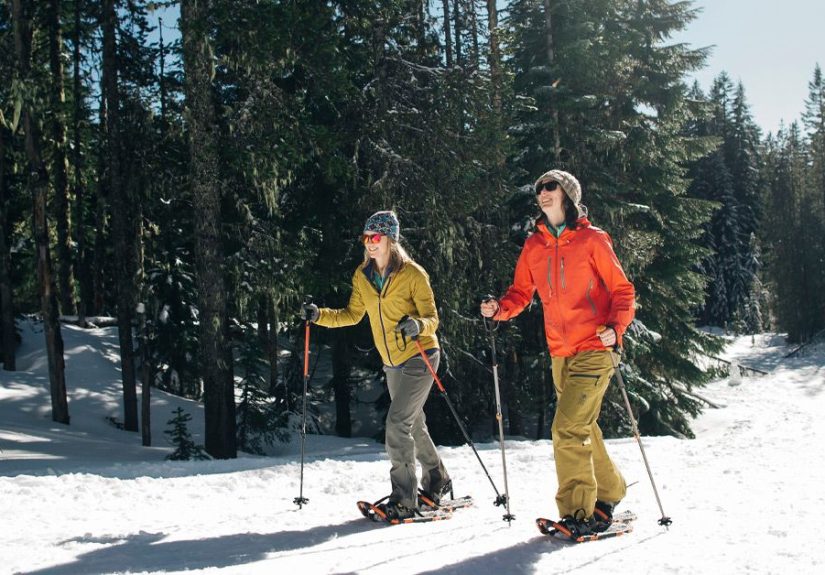
Activities like snowshoeing, cross-country skiing, sled pulling, skating, and recreational hockey can be excellent workouts. They also make exercise feel less like a task and more like a thing you would actually tell your friends about. Just make sure you use proper gear, warm up beforehand, and choose activities that match your skill level.
Simple Cold Weather Exercise Examples
If you want structure, here are a few realistic routines.
Beginner Outdoor Walk Routine
Start with a 5- to 10-minute warm-up indoors. March in place, do arm circles, bodyweight squats, and ankle rolls. Then head outside for a 20-minute walk at a pace that feels brisk but comfortable. Finish with 5 minutes of slower walking and gentle stretching indoors.
Winter Cardio and Strength Circuit
Try this at home for 25 to 30 minutes:
- 1 minute marching or jogging in place
- 12 bodyweight squats
- 10 incline push-ups against a counter or wall
- 10 reverse lunges per leg
- 30-second plank
- 12 glute bridges
- 1 minute stair climbing or fast step-ups
Repeat the circuit 3 to 4 times, depending on your fitness level.
Cold Weather Runner Routine
Warm up indoors for 10 minutes, then begin outside with an easy pace for the first 5 to 10 minutes. Run for 20 to 30 minutes, adjusting effort based on wind, footing, and temperature. Finish with a slow jog or walk and change out of sweaty clothes quickly once you get home.
Low-Impact Indoor Recovery Day
On truly nasty weather days, keep things gentle with 10 minutes of mobility work, 20 minutes of walking on a treadmill or around the house, and 10 minutes of stretching or yoga. Consistency beats perfection, especially in winter.
How to Dress for Cold Weather Exercise
If winter fitness had a dress code, it would be layers, layers, and more layers. The goal is to stay warm without trapping so much heat and sweat that your clothes become a personal weather emergency.
Use the Three-Layer Approach
Base layer: Wear a moisture-wicking fabric that pulls sweat away from your skin. Avoid cotton because once it gets wet, it behaves like a cold sponge with trust issues.
Middle layer: Add an insulating layer such as fleece or wool for warmth.
Outer layer: Choose a wind-resistant or waterproof shell when needed, especially in snow, rain, or strong wind.
Do Not Forget Extremities
Your fingers, toes, ears, and face are more vulnerable in cold conditions. Wear gloves or mittens, warm socks, a hat or headband, and consider a scarf or face covering in very cold or windy air.
Wear the Right Shoes
Traction matters. Rubber-soled shoes or boots with decent grip can help reduce slips. Waterproof footwear is especially helpful in wet snow or slush. If conditions are icy, consider traction devices or move your workout indoors.
Top Safety Tips for Cold Weather Activity
Warm Up Longer Than You Think You Need
Cold muscles are tighter and more injury-prone. Spend extra time warming up before heading outside. Dynamic movements such as marching, leg swings, air squats, hip circles, shoulder rolls, and calf raises help prepare your body better than stepping outside and immediately pretending you are in a sports drink commercial.
Check More Than the Temperature
Wind chill, precipitation, visibility, and surface conditions matter just as much as the number on your weather app. Thirty degrees can feel manageable on a calm day and miserable on a wet, windy one. If sidewalks are icy or roads are hard to see, choose a safer option.
Stay Dry
Wet clothing increases heat loss. Snow, rain, and sweat can all make you colder faster. If you start overheating, unzip or remove an outer layer before you get soaked. After exercise, change out of damp clothes as soon as possible.
Hydrate Even If You Are Not Thirsty
People often forget to drink water in winter because they are not dripping sweat like it is July. But dehydration still happens in cold weather, especially during longer or more intense sessions. Drink before and after activity, and bring fluids if you will be out for a while.
Be Visible
Winter means darker mornings, darker evenings, and generally less forgiving visibility. Wear bright or reflective clothing if you walk, run, or cycle near traffic. A headlamp or flashlight can also help.
Have an Indoor Backup Plan
The safest workout is the one you can still do when the weather is terrible. Keep a short indoor routine ready for days with ice storms, dangerous wind chill, or poor air quality. A backup plan prevents one bad forecast from becoming a two-week break.
Warning Signs You Should Stop Right Away
Cold weather exercise should make you feel challenged, not medically interesting. Stop and seek warmth or help if you notice any of the following:
- Numbness, tingling, or loss of feeling in fingers, toes, ears, or face
- Shivering that becomes intense or does not improve
- Clumsiness, confusion, or unusual fatigue
- Chest pain or pressure
- Severe shortness of breath or wheezing
- Dizziness or feeling faint
- Skin that turns pale, waxy, or very cold
These can be signs of frostbite, hypothermia, overexertion, or another serious problem. Winter is not the time to “push through it” just because your fitness tracker is being judgmental.
Who Needs Extra Caution?
People With Heart Conditions
Cold weather can make the heart work harder. If you have heart disease, high blood pressure, or a history of chest pain, talk with your healthcare provider about the safest way to exercise outdoors during winter.
People With Asthma or Other Lung Conditions
Cold, dry air can irritate the airways and trigger symptoms. A longer warm-up, a scarf or face covering over the nose and mouth, and avoiding intense efforts in harsh air can help. Some people do better with indoor workouts on especially cold days.
Older Adults
Older adults may be more vulnerable to cold stress, balance issues, and injury from falls. Good footwear, daylight exercise, safe walking routes, and indoor alternatives are especially important.
Anyone With Poor Circulation or Raynaud’s Disease
If your hands or feet get painfully cold or change color in response to temperature, take cold exposure seriously. Extra protection for extremities and shorter sessions may be necessary.
Indoor Alternatives for Bad Weather Days
Not every winter day is an outdoor day, and that is perfectly fine. Indoor options can be just as effective for building fitness.
- Treadmill walking intervals
- Stationary cycling
- Dance workouts
- Bodyweight strength training
- Yoga or Pilates
- Stair climbing
- Resistance band circuits
- Walking laps indoors during work breaks
The best winter mindset is flexibility. Your goal is not to prove you are tougher than weather. Your goal is to keep moving safely and consistently.
How to Build a Cold Weather Routine You Will Actually Keep
Start small. Pick three days a week and plan exactly what you will do, where you will do it, and what your backup option is. Lay out your clothes the night before. Keep gloves, socks, and a hat in one place so you are not conducting a missing-mitten investigation every morning.
It also helps to lower the drama. You do not need a heroic 90-minute winter workout. A 20-minute walk, a 15-minute strength circuit, or a half-hour indoor bike session all count. The habit matters more than the headline.
Finally, choose activities you do not hate. If winter running makes you miserable, stop forcing a bad romance. Walk, dance, lift weights, hike, skate, or do mobility work instead. There is no award for choosing the workout you dread most.
Cold Weather Activity Experiences: What It Actually Feels Like in Real Life
One reason cold weather fitness becomes easier over time is that your body and brain both learn the routine. In the beginning, winter exercise often feels inconvenient. The house is warm, the floor is not, and pulling on leggings in a chilly room can feel like a personal attack. But many people notice something interesting after a week or two of consistent activity: the hardest part is getting started, not the workout itself.
For example, a simple winter walking habit often begins with resistance. You step outside, immediately question all your life choices, and spend the first three minutes wondering whether your nose is still attached to your face. But once your body warms up, the walk becomes more enjoyable. The air feels cleaner, your pace settles in, and the mental fog that came with staring at a screen all day starts to lift. That shift is one of the biggest reasons people stick with cold weather activity. It does not always sound appealing on paper, but it often feels rewarding in practice.
People who switch from intense outdoor workouts to mixed indoor and outdoor routines also tend to have better consistency. A runner might do two outdoor runs each week when conditions are safe, then use a treadmill or strength workout on rough-weather days. This flexibility reduces guilt and keeps fitness from becoming all-or-nothing. Winter has a way of punishing perfectionism, so adaptable routines usually win.
There is also the confidence factor. Once someone learns how to layer clothing properly, warm up indoors, and choose safer surfaces, winter stops feeling like an impossible obstacle and starts feeling like a manageable environment. That matters. Confidence turns “I can’t work out in this weather” into “I know how to adjust.”
Another common experience is that cold weather movement can feel more social and more memorable than indoor routines. A brisk walk with a friend, a family snow hike, a weekend skate, or even a neighborhood stroll after a fresh snowfall often feels more enjoyable than yet another anonymous treadmill session. The workout becomes attached to an experience, not just a calorie count. That emotional connection can make exercise easier to repeat.
Of course, winter activity is not always magical. Sometimes your gloves are wrong, your socks are damp, and the wind seems personally offended by your existence. That is normal too. The trick is learning from each outing. Too cold at the start? Add a better base layer. Slipped a bit on the sidewalk? Upgrade footwear and change your route. Breathing felt rough? Use a scarf and extend the warm-up. Small adjustments create a better experience the next time.
In real life, successful cold weather activity is usually not about being extreme. It is about being prepared, realistic, and willing to adapt. The people who stay active through winter are not necessarily more motivated than everyone else. They simply make activity easier to start, safer to do, and flexible enough to continue.
Conclusion
Cold weather activity can be one of the smartest ways to protect your health during winter, as long as you approach it with a little strategy and a little common sense. Dress in layers, warm up well, respect the weather, watch for ice and wind chill, and choose workouts that match your body and your conditions. Whether that means brisk walks, indoor circuits, winter hikes, or a treadmill date you did not ask for, the goal is the same: keep moving.
You do not need perfect weather to stay active. You just need the right plan. Winter may be cold, but your routine does not have to freeze.