Table of Contents >> Show >> Hide
- Why Juice Can Help With Constipation
- 1. Prune Juice: The Classic for a Reason
- 2. Pear Juice: The Underrated Gentle Option
- 3. Apple Juice: The Everyday Fridge Staple That May Help
- How to Use Juice Without Making Things Worse
- What Else Helps Get Things Moving
- When Juice Is Not Enough
- Real-Life Experiences: What Constipation Often Looks Like Day to Day
- Conclusion
Let’s be honest: constipation can turn an otherwise normal day into a weirdly dramatic saga. You feel bloated, uncomfortable, mildly betrayed by your own digestive system, and suddenly your biggest dream is no longer success or inner peace. It is, quite simply, to poop like a functional adult.
The good news is that mild constipation often responds to simple changes at home. And yes, certain juices really can help. Not because they are magical potion bottles from a woodland apothecary, but because some fruits contain natural sugars and compounds that pull water into the intestines and help soften stool. Among the best-known options, three juices come up again and again: prune juice, pear juice, and apple juice.
That said, juice is not a cure-all. If your constipation is severe, keeps coming back, or comes with alarming symptoms, it is time to stop playing beverage roulette and talk to a healthcare professional. For occasional, mild constipation, though, the right juice can absolutely be a useful nudge in the right direction.
Here is what works, why it works, and how to use these juice options without turning your kitchen into a digestive experiment gone rogue.
Why Juice Can Help With Constipation
Constipation is not always about how often you go. It is also about how hard it is to go. You may be dealing with dry, hard stools, straining, a sense that you are not fully empty, or that frustrating feeling that your bowels have gone on a silent retreat.
Juice can help in a few ways. First, fluids matter. Stool gets easier to pass when your body is adequately hydrated. Second, some fruit juices contain naturally occurring sugars such as sorbitol and fructose that are not fully absorbed in the small intestine. When those sugars reach the colon, they can draw water into the bowel and soften stool. Third, some juices, especially prune juice, bring a small amount of fiber and plant compounds to the party as well.
This is why not all juices are equal. Orange juice may be delicious. Grape juice may be nostalgic. But when the goal is bowel relief, prune, pear, and apple juice are the heavy hitters most often discussed.
One important note: juice is usually more helpful as a short-term constipation remedy than a long-term digestive strategy. Whole fruit still wins for everyday gut health because it brings more fiber, better fullness, and less concentrated sugar. Think of juice as a backup singer, not the lead vocalist.
1. Prune Juice: The Classic for a Reason
Why prune juice works
If constipation remedies had a hall of fame, prune juice would have its own wing. It has been recommended for decades, and unlike some internet “gut hacks,” it actually has solid logic behind it.
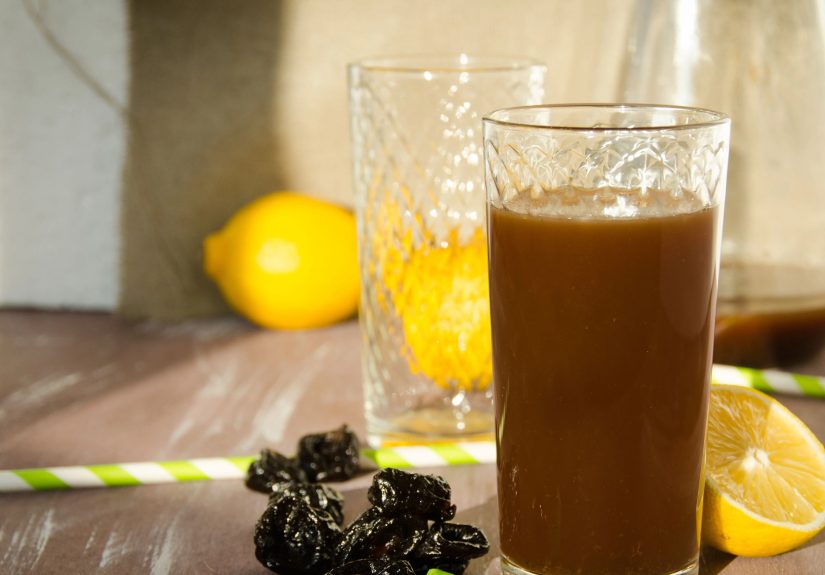
Prune juice comes from dried plums, and it contains sorbitol, a naturally occurring sugar alcohol that can help draw water into the colon. That makes stool softer and easier to pass. Prunes and prune juice also contain other compounds, including polyphenols, and they have a long-standing reputation for improving stool frequency and consistency. In plain English, they help move things along without requiring a motivational speech from your intestines.
Prune juice also has a small amount of fiber, though not as much as whole prunes. So while whole prunes may have a slight edge for daily bowel regularity, prune juice can be easier to sip when you are already feeling full, bloated, or not especially enthusiastic about chewing dried fruit.
How to use it
For many adults, prune juice is the first juice worth trying when constipation hits. Start with a small serving rather than chugging a giant glass like you are training for the Digestive Olympics. A modest amount may be enough. Some people prefer it chilled, while others find warmed prune juice easier to drink and gentler on the stomach.
The key is patience. You are aiming to encourage a bowel movement, not start a sprint to the bathroom that makes you question your life choices. If prune juice helps, great. If it causes cramping or loose stools, reduce the amount next time.
Best for
Prune juice is best for people who want the strongest juice-based option for mild constipation. It is especially useful when stools are dry and hard, and when you need something more targeted than simply “drink more water.”
2. Pear Juice: The Underrated Gentle Option
Why pear juice works
Pear juice does not get the same celebrity status as prune juice, but it deserves more love. Pears contain sorbitol and fructose, both of which may help pull water into the intestines and soften stool. That is one reason pear juice often shows up in pediatric guidance and digestive health advice.
For some people, pear juice feels a bit gentler than prune juice. It may not hit as dramatically, but that can be a plus if your digestive system tends to overreact. Not everyone wants a bowel remedy with “plot twist” energy.
How to use it
Pear juice can be a good next choice if you do not like the taste of prune juice or if prune juice feels too strong. Choose 100% pear juice rather than a sugary juice drink that contains just enough actual pear to wave at you from the label. Drink a small glass and see how your body responds over the next several hours.
If you are already bloated, pair the juice with gentle movement, such as a short walk after breakfast. That combination can work better than sitting perfectly still and waiting for destiny.
Best for
Pear juice is a smart option for people who want a milder, more approachable juice remedy. It is also useful for those who dislike prune flavor but still want the benefit of sorbitol-containing fruit juice.
3. Apple Juice: The Everyday Fridge Staple That May Help
Why apple juice works
Apple juice is often the easiest option to find because many households already have it sitting in the refrigerator next to leftovers and questionable condiments. It can help because apples contain fructose and some sorbitol, though generally less than prunes and pears. That means apple juice is usually not the strongest constipation remedy of the trio, but it can still be useful for mild cases.
Its biggest advantage is accessibility. If you are mildly constipated, not deeply uncomfortable, and just need a gentle push, apple juice may be enough to help your bowels remember their job description.
How to use it
Again, choose 100% juice. Sip a reasonable serving instead of treating the carton like a hydration challenge. Apple juice tends to be sweeter and easier to drink than prune juice, which is great until your taste buds convince you that more is automatically better. It is not. Too much can lead to gas, bloating, or diarrhea, which is less “problem solved” and more “problem changed costumes.”
Best for
Apple juice is best for mild constipation, especially when it is the easiest option available. It is not the strongest contender, but it is accessible, familiar, and sometimes just enough.
How to Use Juice Without Making Things Worse
There is an art to using juice for constipation, and the first rule is simple: start small. More juice does not automatically mean faster or better relief. Sometimes it just means bloating, cramping, and a deep sense of regret.
Here are the smarter ways to use juice for constipation:
Choose 100% juice
Juice cocktails, fruit drinks, and sugar-loaded blends are not the goal. You want actual prune, pear, or apple juice, not a vaguely fruit-adjacent beverage wearing a health halo.
Drink water too
Juice may help, but overall hydration still matters. If you increase fiber in your diet without enough fluids, constipation can get worse. In other words, oatmeal without water is not a heroic move.
Use juice as part of a bigger plan
Constipation tends to respond best to a combination of strategies: fluid, fiber, movement, and regular bathroom habits. A short walk, a fiber-rich breakfast, and a few quiet minutes in the bathroom after a meal can be surprisingly effective.
Do not rely on juice forever
If you constantly need juice just to have a bowel movement, something else may be going on. Recurring constipation deserves a closer look, especially if it is new for you or getting worse.
What Else Helps Get Things Moving
Juice can be useful, but it works best when the rest of your routine is not actively sabotaging you.
Eat more fiber gradually
Whole grains, beans, vegetables, fruits, and foods like oats can help improve regularity. Increase fiber slowly so your gut has time to adjust. Going from “barely any fiber” to “I now identify as a bran muffin” overnight can backfire.
Move your body
Regular physical activity helps stimulate the digestive tract. You do not need an extreme workout. A daily walk can make a meaningful difference.
Give yourself bathroom time
Many people ignore the urge to go because they are busy, commuting, in class, or trying to survive a meeting that should have been an email. That habit can make constipation worse. Your colon keeps receipts.
Consider your routine and medications
Travel, stress, low-fiber eating, dehydration, and certain medications can all contribute to constipation. If your symptoms started after a new supplement or medicine, that is worth mentioning to a healthcare provider.
Use a footstool if needed
Sometimes positioning helps. Elevating your feet slightly while sitting on the toilet can make bowel movements easier by changing the angle of the rectum. Glamorous? No. Helpful? Very possibly.
When Juice Is Not Enough
Most occasional constipation is not dangerous. It is annoying, uncomfortable, and capable of ruining your mood, but not usually serious. Still, there are times when juice is not the answer.
You should seek medical care if constipation comes with blood in the stool, rectal bleeding, severe or constant abdominal pain, vomiting, fever, inability to pass gas, or unexplained weight loss. You should also get evaluated if constipation lasts more than a couple of weeks, keeps returning, or does not improve with basic home care.
Children, babies, older adults, and people with digestive disorders or significant medical conditions may need more individualized guidance. And if you are managing blood sugar, remember that juice contains concentrated carbohydrates. Portion size matters.
In short, juice is a home remedy, not a personality trait. Use it wisely.
Real-Life Experiences: What Constipation Often Looks Like Day to Day
One reason constipation feels so frustrating is that it rarely shows up alone. It tends to arrive with a whole supporting cast: bloating, sluggishness, loss of appetite, irritability, and the strange ability to think about your digestive tract every eight seconds. The experience is often more disruptive than people expect.
A common scenario is the rushed morning routine. Someone skips breakfast, downs coffee, ignores the urge to use the bathroom, and spends the day sitting at a desk. By evening, they feel heavy, uncomfortable, and oddly full even though they have not eaten much. In this kind of situation, a small serving of prune or pear juice the next morning, plus water, a fiber-rich breakfast, and ten unhurried minutes after eating can sometimes make a bigger difference than people expect. The body likes rhythm, and constipation often gets worse when daily routines become chaotic.
Travel is another classic trigger. People get dehydrated on flights, eat differently on the road, sleep poorly, and lose their normal bathroom schedule. Then comes the dreaded hotel-room constipation: all the discomfort, none of the familiar routine, and a growing emotional attachment to the minibar water bottle. In these cases, people often find that gentle strategies work best: fluids, walking, and a small amount of prune or apple juice rather than a dramatic all-at-once fix. The goal is relief, not turning a vacation into an intestinal action movie.
Then there is the “I started eating healthy and somehow got more constipated” experience. This happens more than people think. Someone switches to a high-protein plan, adds a few salads, maybe starts a supplement, but still does not drink enough fluid. Or they increase fiber too quickly without enough water. Instead of digestive bliss, they get gas, hard stools, and the sensation that their abdomen is filing a complaint. In that situation, juice can help temporarily, but the bigger lesson is balance. Fiber needs fluid. Your gut is not impressed by good intentions alone.
Another common experience shows up in students, gamers, drivers, and desk workers who sit for long stretches and put off bathroom breaks because they are busy. The constipation sneaks up slowly. At first it is just a skipped day. Then the stool gets harder. Then straining starts. Then the whole process becomes something people dread. What often helps here is not one miracle remedy but a boringly effective combination: regular meals, enough water, daily movement, and using the bathroom when the urge first shows up. Add a small glass of prune, pear, or apple juice when needed, and many people find the system becomes more predictable again.
These experiences matter because they show something important: constipation is often about patterns, not just one bad meal or one unlucky day. Juice can be useful, but it works best when it supports a smarter routine. That is the real takeaway. Your digestive system is not asking for perfection. It is usually asking for consistency, hydration, and a little less chaos.
Conclusion
If you are dealing with mild constipation, the three juices most worth trying are prune juice, pear juice, and apple juice. Prune juice is the strongest and most established option. Pear juice offers a gentler sorbitol-containing alternative. Apple juice can help in milder cases and is often the easiest to keep on hand.
But the best constipation relief plan is not just about what you drink. It is about supporting your digestive system with enough fluid, enough fiber, regular movement, and a bathroom routine that does not involve constantly hitting snooze on your body’s signals.
So yes, juice can help get things moving. Just remember that your bowels are not asking for a miracle. They are asking for a little support, a little consistency, and maybe a little less chaos in the daily schedule.