Table of Contents >> Show >> Hide
- First things first: what is soy milk, exactly?
- The “usual suspects” in soy milk ingredient lists
- Fortified soy milk: where the vitamins and minerals come in
- Ingredient list examples (and what they usually mean)
- Are additives in soy milk “bad”?
- Health notes people ask about (a.k.a. “Will soy milk do something weird to me?”)
- How to choose the best soy milk for you
- Homemade soy milk: what’s in it?
- Quick FAQs
- Conclusion: soy milk is simple… until it isn’t (and that’s okay)
- Real-world experiences with soy milk (the kind you only learn by pouring it)
Soy milk looks simple. It pours like milk, splashes into coffee like milk, and somehow ends up in everything from smoothies to pancake batter like it pays rent. But flip the carton around andbooman ingredient list that can range from “two wholesome things” to “a chemistry club roll call.”
This guide breaks down what soy milk is usually made of, why certain additives show up, how fortification works, and how to choose the best option for your taste buds, your nutrition goals, and your stomach’s personal opinion about gums.
First things first: what is soy milk, exactly?
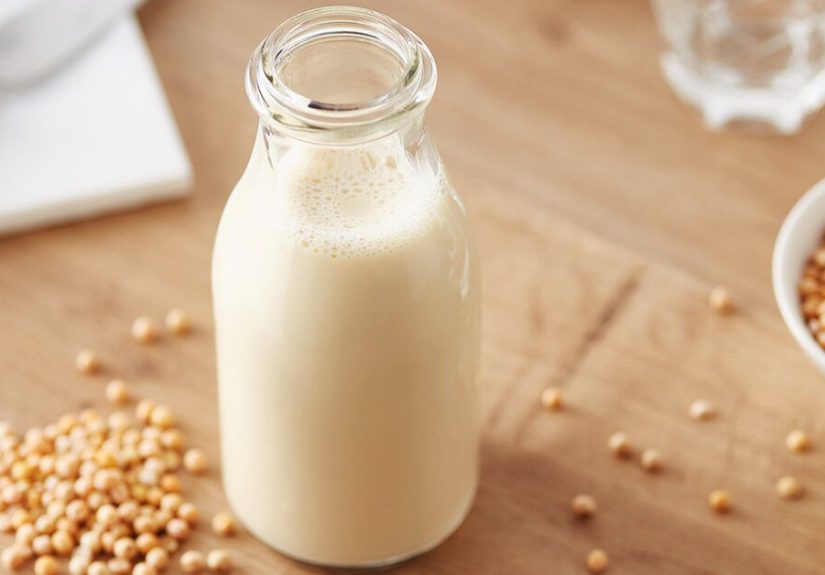
At its core, soy milk is a liquid made from soybeans + water. Traditional versions are produced by soaking soybeans, grinding them with water, cooking the mixture, and filtering out solids. Commercial soy milk follows the same general ideajust with food manufacturing steps that make it shelf-stable, consistent, and (ideally) less “bean-forward.”
Why it tastes different brand to brand
Soybeans naturally contain compounds that can taste a little grassy or “beany.” Different processing methods, bean varieties, and added ingredients (sweeteners, flavors, salt) are why one carton tastes like silky vanilla dessert and another tastes like a polite glass of legumes.
The “usual suspects” in soy milk ingredient lists
Not all soy milks are built the same. Some are minimalist. Others are fortified and stabilized to behave perfectly in coffee, cereal, and the emotional chaos of your fridge door shelf.
1) The base: water + soybeans (or soy protein)
- Water: almost always the #1 ingredient by volume.
- Soybeans: whole beans are common in many traditional-style and “simple ingredient” cartons.
- Soy protein (often soy protein isolate): some products use extracted protein to increase consistency or protein content.
2) Salt (yes, even in “milk”)
A small amount of salt can make soy milk taste less flat and more… dairy-like. It also helps balance sweetness in flavored versions. If you’re watching sodium, compare labelssome cartons are surprisingly chill, others are a little enthusiastic.
3) Sweeteners: from none to “dessert vibes”
Unsweetened soy milk usually has 0 grams of added sugar. Sweetened or flavored options may include cane sugar, organic sugar, or other sweeteners. If you’re using soy milk like you use cow’s milk (cereal, cooking, coffee), unsweetened is often the easiest to live with day-to-day.
4) Oils: why would soy milk need oil?
Some soy milks add small amounts of oil (like sunflower or canola) for a creamier mouthfeelbasically, to feel richer without adding dairy fat. Not every brand does this, and it’s more common in “barista” blends meant to steam and foam.
5) Stabilizers and emulsifiers: the “keep it smooth” crew
Ever poured plant milk and found a watery layer plus a thicker layer? Stabilizers help prevent that separation and keep minerals (like added calcium) from sinking to the bottom like tiny nutritional snowglobes.
Common ones include:
- Gellan gum: helps suspend particles and stabilize texture in many plant beverages.
- Guar gum / locust bean gum: thickening agents that improve body and mouthfeel.
- Lecithin (soy or sunflower): an emulsifier that helps fat and water play nicely together.
- Carrageenan (in some products): a seaweed-derived thickener used in various foods; it’s debated by consumers, though it is permitted for food use.
6) “Natural flavors” (the label’s mysterious poet)
“Natural flavors” can mean flavor compounds derived from natural sources. In soy milk, it’s often used to round out taste (like vanilla notes) or reduce the beany edge. It’s common in flavored and even some plain cartons.
Fortified soy milk: where the vitamins and minerals come in
Soybeans naturally provide protein and other nutrients, but many cartons are fortifiedmeaning vitamins and minerals are added to make soy milk nutritionally closer to dairy milk.
Key nutrients often added
- Calcium (often as calcium carbonate or other calcium salts): boosts calcium content.
- Vitamin D (often D2, sometimes D3 depending on the product): supports calcium absorption and bone health.
- Vitamin B12: important for nerve function and red blood cells; plant foods don’t naturally contain reliable B12 unless fortified.
- Vitamin A: commonly added to better match dairy’s nutrient profile.
Why fortification matters (especially in the U.S.)
U.S. nutrition guidance often treats fortified soy beverages differently than other plant milks because soy is typically higher in protein and, when fortified, can more closely match dairy milk’s “big nutrients” (especially calcium and vitamin D). That’s one reason fortified soy milk is frequently singled out as the closest nutritional stand-in among plant-based options.
Check the label: fortification is not universal
Not every soy milk is fortified the same way. Some add calcium but not vitamin D. Some add B12. Some add none of the above. Translation: two cartons can both say “soy milk” and still be nutritionally very different.
Ingredient list examples (and what they usually mean)
Here are simplified “patterns” you’ll commonly see, with what each style tends to prioritize:
| Common style | What the ingredient list often looks like | What it’s best for |
|---|---|---|
| Minimalist | Water, soybeans (maybe salt) | People who want fewer additives and don’t mind a more “bean” flavor |
| Fortified everyday | Water, soybeans/soy protein, calcium, vitamins (A/D/B12), salt | Daily drinking, cereal, smoothiesnutrient coverage without lots of extras |
| Barista/foam-friendly | Base + stabilizers/emulsifiers (gums, lecithin) and sometimes oil | Latte art attempts, steaming, less separation in hot coffee |
| Flavored/sweetened | Base + sugar, vanilla/cocoa flavors, sometimes thickeners | “I want dessert but I also want plausible deniability” |
Are additives in soy milk “bad”?
Usually, additives in soy milk are there for three boring (but useful) reasons: texture, stability, and shelf life. Whether you want them is personalsome people tolerate gums perfectly; others feel like their digestive system files a formal complaint.
Carrageenan: the most debated guest at the brunch table
Carrageenan is a thickener derived from red seaweed and used in many foods. It’s allowed for food use, but it’s also one of the most discussed additives online. If you feel better avoiding it, plenty of soy milks are labeled carrageenan-free. If you don’t notice any difference, you may not need to worry about it. Your body gets a vote.
Gums (like gellan gum, guar gum): tiny amounts, big job
Gums help keep added minerals suspended and improve mouthfeel. If a soy milk is heavily fortified, it may be more likely to need a stabilizer so the nutrients don’t settle at the bottom. If you’re sensitive, try a simpler ingredient list first and see how you feel.
Health notes people ask about (a.k.a. “Will soy milk do something weird to me?”)
Soy and hormones: what “phytoestrogen” really means
Soy contains isoflavonesplant compounds sometimes called phytoestrogens. They can interact with estrogen receptors, but they’re not the same as human estrogen, and their effects are much weaker. For most people, moderate soy intake is considered compatible with a healthy diet. If you have a specific medical condition (or you’re navigating hormone-sensitive cancer history), it’s smart to ask your clinician what amount makes sense for you.
Soy and thyroid medication timing
Soy foods can interfere with absorption of thyroid medication (like levothyroxine) for some people. This doesn’t usually mean you must avoid soy entirelyit often means you may need to separate soy intake from medication timing. If you take thyroid meds, ask your prescriber or pharmacist about spacing.
Soy allergy
Soy is a major allergen. If you have a soy allergy, soy milk is an obvious no-go. Also be cautious with foods made with soy lecithin or soy-derived ingredients if your allergist has advised strict avoidance.
How to choose the best soy milk for you
If you want a quick decision framework, here you gono dramatic music required:
For everyday nutrition
- Choose unsweetened to keep added sugar low.
- Look for fortification: calcium + vitamin D, and ideally B12 if you eat little/no animal foods.
- Aim for 7–9 grams of protein per cup (many soy milks land here, but check).
For coffee and frothing
- Try a “barista” style if regular soy milk separates in hot coffee.
- Stabilizers/emulsifiers may actually help herethis is their time to shine.
For cooking and baking
- Unsweetened, unflavored is the most versatile.
- If your recipe is delicate (custards, sauces), choose a carton with fewer strong flavor additives.
For sensitive stomachs
- Start with a simpler ingredient list (water + soybeans, maybe salt).
- If you suspect gums bother you, test one change at a time so you’re not guessing.
Homemade soy milk: what’s in it?
Homemade soy milk is basically the minimalist version: soybeans + water, and optionally a pinch of salt or a date for sweetness. The key is proper cookingtraditional preparation heats the soybean slurry, which improves flavor and reduces compounds that can cause digestive discomfort in some people.
Homemade can taste fresher and more “bean-forward,” and it usually won’t be fortified unless you add nutrients separately. If you rely on soy milk as a calcium or vitamin D source, fortified store-bought cartons are often more reliable.
Quick FAQs
Is soy milk dairy-free?
Yessoy milk contains no lactose and no cow’s milk ingredients. But always check labels if you have allergies, because manufacturing facilities can vary.
Is soy milk a good protein source?
Often, yes. Many soy milks provide protein amounts that are much closer to dairy milk than most other plant milks.
Why does my soy milk look separated?
Separation can happen naturally because plant particles and added minerals can settle. Shaking helps. Some brands add stabilizers to reduce this.
Conclusion: soy milk is simple… until it isn’t (and that’s okay)
If you remember nothing else, remember this: most soy milk starts with water and soybeans. Everything after that is about taste, texture, and nutrition. Fortified soy milk can be a strong everyday optionespecially if you want a plant-based beverage with meaningful protein and added nutrients like calcium, vitamin D, and B12. If additives don’t agree with you, choose simpler cartons. If your coffee demands a smooth, stable pour, a barista blend might be worth the “extra ingredients” tradeoff.
Either way, the ingredient list isn’t there to scare you. It’s there to help you pick the soy milk that fits your lifewhether that life includes smoothies, lattes, pancakes, or just a quiet moment in the kitchen where you finally drink something before it gets cold.
Real-world experiences with soy milk (the kind you only learn by pouring it)
People often assume soy milk will behave exactly like dairy milkand then they meet their first cup of hot coffee. One of the most common “first experiences” is noticing that soy milk can separate or curdle in very hot or very acidic drinks. That doesn’t automatically mean it’s spoiled. It can happen because proteins react to heat and acidity (especially if your coffee is extra hot or your roast is more acidic). A lot of folks solve this by warming the soy milk first, adding it slowly, or switching to a barista-style carton designed for better stability.
Another frequent experience: the taste learning curve. Some people love soy milk immediately; others need a couple of tries. Unsweetened soy milk can taste more “nutty-beany” than almond or oat milk, especially if you’re used to sweeter plant milks. Many people find that the beany note fades into the background after a week or twoespecially if soy milk becomes a regular part of breakfast. Vanilla versions can feel like a friendly bridge option, but they can also surprise you in savory recipes (nobody wants vanilla mac-and-cheese energy). That’s why a lot of experienced soy milk drinkers keep two cartons: unsweetened plain for cooking and cereal, and flavored for drinking.
Texture is another big one. Some cartons are thin; others are creamy. This is where ingredients like gums or lecithin can change the experience noticeably. People who like a richer mouthfeel often prefer cartons with a stabilizer because it feels smoother and more consistent from first pour to last. On the flip side, people with sensitive digestion sometimes report that certain gums don’t agree with themso they do a little “ingredient detective work,” trying one brand for a week, then switching to a simpler formula to see what changes. (The key is changing only one thing at a time; otherwise, you’re running a science fair project with no control group.)
Fitness-focused drinkers often report soy milk becoming their “default” because the protein feels more substantial than many other plant milks. In smoothies, soy milk can make the texture thicker and more filling, and it tends to blend well with fruit, cocoa, peanut butter, and oats. Some people also notice it’s a reliable swap in baking: pancakes, muffins, and quick breads usually turn out great because soy milk has enough protein to mimic some of dairy milk’s structure. A common tip from experienced bakers is to use plain, unsweetened soy milk in recipes unless sweetness is part of the planbecause a sweetened vanilla carton can quietly change flavor balance.
Families who use soy milk regularly often describe a “label-reading habit” that develops fast. Once you learn that fortification varies, you start checking for calcium and vitamin D like it’s your job. Vegan or mostly plant-based eaters often pay extra attention to vitamin B12, since fortified foods are a practical way to get it. And many people notice that the “best” soy milk depends on context: the one that tastes perfect in cereal may not foam well in coffee, and the one that makes dreamy lattes might be too rich for everyday drinking.
In short, soy milk becomes easier once you treat it less like a single product and more like a category. After a few real-life pours, most people land on a personal rule: one carton for nutrition, one carton for pleasure, and zero cartons for anyone who thinks “vanilla-flavored chili” is a good idea.