Table of Contents >> Show >> Hide
- What Is Corn Bread Dressing?
- Why This Corn Bread Dressing Recipe Works
- Ingredients for the Best Corn Bread Dressing
- How to Make Corn Bread Dressing Step by Step
- How to Know the Texture Is Right
- Common Mistakes to Avoid
- Easy Variations
- What to Serve with Corn Bread Dressing
- Make-Ahead and Storage Tips
- A Practical Corn Bread Dressing Recipe Card
- Why Corn Bread Dressing Still Matters
- Experiences From Real Holiday Kitchens
- SEO Tags
There are two kinds of holiday side dishes: the ones people politely spoon onto their plates, and the ones that mysteriously disappear before the turkey even gets carved. Corn bread dressing belongs firmly in the second category. It is savory, cozy, buttery, fragrant with herbs, and blessed with that magical contrast of crisp golden edges and a soft, rich center. In other words, it is the casserole dish equivalent of a warm hug from your favorite aunt.
If you have been searching for a classic corn bread dressing recipe that tastes deeply homemade without requiring a culinary degree or a family secret written on the back of a faded church bulletin, you are in the right kitchen. This version keeps the soul of traditional Southern-style dressing while making the process simple enough for a confident weeknight cook and special enough for Thanksgiving, Christmas, Sunday supper, or any day that needs more comfort and fewer sad side dishes.
This article walks you through what corn bread dressing is, why it works, how to make it step by step, and how to avoid common texture mistakes like dry-as-dust dressing or soggy spoon bread confusion. You will also get make-ahead tips, easy variations, and a longer section at the end about the real-life experience of making, serving, and loving this beloved dish.
What Is Corn Bread Dressing?
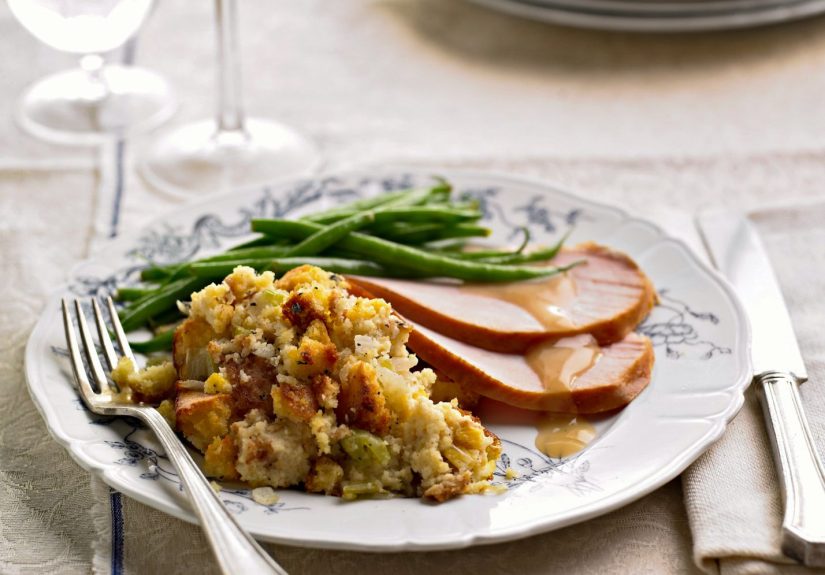
Corn bread dressing is a baked savory side dish made from crumbled cornbread, aromatics like onion and celery, herbs such as sage and thyme, eggs, butter, and broth. In many Southern kitchens, the word “dressing” usually means it is baked in a casserole dish, while “stuffing” often refers to a similar mixture cooked inside poultry. These days, many home cooks prefer baking it separately so the top can get beautifully golden and the texture stays more predictable.
The flavor is humble in the best possible way. Cornbread adds a faint sweetness and earthy corn flavor. Onion and celery bring depth. Sage delivers that unmistakable holiday aroma. Eggs help bind everything together, while broth brings the mixture to life. Think of it as the supporting actor that somehow steals the entire movie.
Why This Corn Bread Dressing Recipe Works
Great dressing is all about balance. You want enough moisture so every bite feels tender, but not so much that it turns into a spoonable swamp. You want plenty of seasoning, but not so much sage that the whole pan tastes like a candle shop in November. This recipe works because it focuses on a few proven details:
- Dry cornbread: Slightly stale or dried cornbread absorbs broth better and creates a more structured dressing.
- Cooked aromatics: Sautéed onion and celery soften the texture and deepen the flavor.
- A careful broth ratio: The mixture should be very moist before baking, but not soupy beyond repair.
- Eggs for structure: Eggs help the dressing hold together without making it heavy.
- A crisp top: Baking uncovered gives you the golden, lightly crunchy surface everyone fights over.
Some cooks like to mix in biscuits or white sandwich bread for extra body. That is a smart move if you enjoy a softer, more classic holiday-pan texture. In the recipe below, you can stick with all cornbread or add a little torn bread for extra structure.
Ingredients for the Best Corn Bread Dressing
For the Cornbread Base
- 8 cups crumbled cornbread, preferably a day old
- 2 cups torn day-old white bread or biscuits (optional, but excellent for texture)
For the Dressing Mixture
- 8 tablespoons unsalted butter
- 1 large yellow onion, finely chopped
- 4 celery stalks, finely chopped
- 3 cloves garlic, minced
- 2 tablespoons chopped fresh sage, or 2 teaspoons dried sage
- 1 tablespoon chopped fresh thyme, or 1 teaspoon dried thyme
- 2 tablespoons chopped parsley
- 4 large eggs, lightly beaten
- 3 to 4 cups chicken broth or turkey broth, plus more if needed
- 1 cup whole milk or half-and-half
- 1 1/2 teaspoons kosher salt, or to taste
- 1 teaspoon black pepper
Optional Flavor Boosters
- 1/2 pound cooked sausage
- 1/2 cup chopped cooked giblets
- 1 small grated apple for a subtle sweet note
- 1/2 cup toasted pecans for texture
The basic version is classic and crowd-pleasing. The optional add-ins are there for cooks who like to personalize the pan and start family debates that last for decades.
How to Make Corn Bread Dressing Step by Step
1. Dry the Cornbread
If your cornbread is fresh, crumble it and spread it on a sheet pan. Let it air-dry for several hours or bake it in a low oven at 250°F for about 20 to 30 minutes, stirring once or twice. You are not trying to toast it deeply. You just want to remove excess moisture so it can soak up broth without collapsing.
2. Sauté the Vegetables
Preheat your oven to 375°F. Melt the butter in a large skillet over medium heat. Add the onion and celery and cook for 8 to 10 minutes, until softened and fragrant. Add the garlic and cook for 30 seconds more. Stir in the sage, thyme, and parsley. Your kitchen should now smell like a holiday movie where nobody is fighting in the first act.
3. Build the Mixture
In a very large bowl, combine the crumbled cornbread and optional bread pieces. Add the cooked vegetable mixture. In a separate bowl, whisk together the eggs, 3 cups of broth, milk, salt, and pepper. Pour the liquid over the cornbread mixture and gently fold everything together.
The texture should look very wet before it goes into the oven. This is the part that makes some cooks nervous, but trust the process. Dry dressing usually starts with a mixture that looked too dry in the bowl. Add more broth, a little at a time, if the mixture still seems crumbly instead of fully hydrated.
4. Transfer and Bake
Grease a 9×13-inch baking dish or a similar 3-quart casserole. Spoon the dressing into the dish and spread it evenly without packing it down too hard. Bake uncovered for 40 to 50 minutes, until the top is golden brown and the center is set.
If the top browns too quickly, loosely tent it with foil during the last part of baking. Let it rest for 10 minutes before serving so it slices and scoops more neatly.
How to Know the Texture Is Right
A perfect Southern corn bread dressing recipe lands somewhere between fluffy casserole and savory bread pudding. It should not crumble into dry gravel, and it should not jiggle like dessert. When you scoop it with a spoon, it should hold together gently while still looking tender inside.
If your dressing turns out dry, the fix is easy: drizzle warm broth over the top, cover with foil, and return it to the oven for 10 minutes. If it turns out too wet, uncover it and bake a little longer. Dressing is forgiving, which is one reason it has survived generations of cooks, handwritten recipes, and aggressively opinionated relatives.
Common Mistakes to Avoid
Using Sweet Cornbread Like It Is Cake
Very sweet cornbread can throw off the savory profile. A lightly sweet cornbread is fine, but the best dressing usually starts with a more traditional, less sugary base.
Skipping the Drying Step
Fresh cornbread is delicious on its own, but dressing benefits from a drier crumb. This helps the bread absorb broth evenly instead of turning mushy around the edges and dry in the middle.
Underseasoning
Bread absorbs flavor fast. That means dressing often needs more seasoning than new cooks expect. Taste your broth mixture before combining when possible, and do not be shy about salt, pepper, and herbs.
Not Adding Enough Liquid
The unbaked mixture should feel wetter than seems reasonable. Cornbread and bread cubes drink up liquid in the oven. If it looks barely moist going in, it will likely come out too dry.
Overmixing
Fold gently. Too much stirring can crush the cornbread into paste and rob the dressing of the varied texture that makes it special.
Easy Variations
Sausage Corn Bread Dressing
Brown 1/2 to 1 pound of breakfast sausage and stir it in with the vegetables. This adds richness and turns the side dish into something that feels dangerously close to a main event.
Turkey and Giblet Dressing
If you grew up with giblet dressing, add chopped cooked giblets and a little shredded turkey. This creates a deeper, more old-school holiday flavor.
Vegetarian Corn Bread Dressing
Use vegetable broth instead of chicken broth, and add sautéed mushrooms for umami. A handful of toasted pecans also gives the dish more complexity.
Herb-Forward Dressing
Increase the parsley and thyme, and add a little rosemary if you like a more fragrant, garden-style finish. Go easy with rosemary, though. It is powerful and likes to dominate the conversation.
What to Serve with Corn Bread Dressing
This dressing is famous on Thanksgiving tables, but it deserves a bigger social life. Serve it with roast turkey, baked chicken, pork chops, ham, or even a simple skillet of green beans and gravy. It also pairs beautifully with cranberry sauce, collard greens, sweet potatoes, mashed potatoes, and roasted Brussels sprouts.
And yes, leftovers are fantastic. Reheat a slice in a skillet with a little butter until the edges crisp, then top it with leftover turkey and gravy. That is not just a second meal. That is strategy.
Make-Ahead and Storage Tips
Make Ahead
You can bake the cornbread 1 to 2 days in advance and let it dry out naturally. You can also chop the onion and celery ahead of time and refrigerate them. If you want to assemble the whole dish in advance, mix everything together, cover, and refrigerate for up to 24 hours before baking. Add a splash more broth if it looks dry after chilling.
Refrigerator Storage
Store leftover dressing in an airtight container in the refrigerator for up to 4 days. Reheat covered in a 325°F oven with a little broth added to restore moisture.
Freezer Storage
Baked dressing can be frozen well-wrapped for up to 2 months. Thaw overnight in the refrigerator and reheat covered until warmed through.
A Practical Corn Bread Dressing Recipe Card
Ingredients
8 cups crumbled day-old cornbread, 2 cups torn day-old bread or biscuits if desired, 8 tablespoons butter, 1 chopped onion, 4 chopped celery stalks, 3 minced garlic cloves, 2 tablespoons fresh sage, 1 tablespoon fresh thyme, 2 tablespoons parsley, 4 eggs, 3 to 4 cups broth, 1 cup milk, salt, and pepper.
Directions
- Preheat oven to 375°F.
- Dry the cornbread if needed.
- Sauté onion and celery in butter until soft. Add garlic and herbs.
- Combine cornbread and optional bread in a large bowl.
- Whisk eggs, broth, milk, salt, and pepper.
- Mix everything together gently until very moist.
- Transfer to a greased baking dish.
- Bake uncovered for 40 to 50 minutes until golden and set.
- Rest 10 minutes before serving.
Why Corn Bread Dressing Still Matters
Some dishes survive because they are cheap. Some survive because they are easy. Some survive because Grandma said so. Corn bread dressing survives because it does something rare: it tastes nostalgic even when you are making it for the first time. It feels generous. It fills the kitchen with a smell that tells people to slow down and find a chair. It turns pantry basics into a centerpiece side dish that people remember.
That is the beauty of a great corn bread dressing recipe. It is practical, flavorful, and deeply tied to memory. It is also flexible enough to become your own. Add sausage. Keep it plain. Use biscuits. Skip them. Make it peppery, herby, or extra rich with turkey drippings. Once you learn the texture and rhythm, it stops being just a recipe and starts being one of those dishes people expect you to bring.
Experiences From Real Holiday Kitchens
One of the most interesting things about corn bread dressing is that people rarely talk about it like an ordinary recipe. They talk about it like a family artifact. Ask ten Americans from different regions what belongs in the pan, and you might get ten passionate answers, fifteen stories, and at least one theatrical gasp if somebody mentions boxed mix. That alone tells you this dish is bigger than its ingredients.
In many homes, the experience starts the day before the holiday. Someone bakes the cornbread early so it can dry out a bit. The kitchen smells wonderful, but nobody is allowed to “accidentally” eat too much of it because the pan has a higher calling tomorrow. The next morning, onions and celery hit melted butter in a skillet, and suddenly the house smells like a proper celebration. Even people who claimed they were “just here to help” begin wandering into the kitchen to lift lids and offer wildly unhelpful commentary.
There is also a very specific emotional moment that happens when the broth goes in. Every cook has that brief second of doubt. The mixture looks wetter than expected, and somebody nearby usually says, “Are you sure that’s right?” Then the experienced cook gives them the look. Forty-five minutes later, the same skeptic is back for seconds, acting as though they supported the method all along.
Another common experience is learning that texture preference is almost inherited. Some families love dressing that is soft, rich, and spoonable. Others want it sliceable with a deeply browned top. Some insist on hard-cooked eggs, turkey bits, or giblets. Others want a clean, herb-forward version that lets the cornbread flavor shine. None of these versions are wrong. They simply tell you where people come from, what they grew up eating, and which holiday table trained their taste buds.
For beginner cooks, corn bread dressing is often a confidence-building dish. It looks traditional and impressive, but it is actually quite forgiving. Too dry? Add broth. Too wet? Bake it a bit longer. Need to feed more people? Stretch it with extra bread and a bigger casserole. It is the kind of recipe that teaches instinct. After making it once or twice, many cooks stop measuring quite so nervously and begin cooking by feel, smell, and texture. That is usually the moment the recipe becomes part of the family rotation.
Leftovers create their own set of memories. A square of cold dressing from the refrigerator has rescued many the-day-after holidays. Reheated with gravy, tucked beside leftover turkey, or crisped in a skillet with butter, it somehow tastes even more like home. Plenty of dishes lose their charm after the celebration ends. Corn bread dressing seems to get more comfortable in its own skin.
That is why this dish endures. It is not trendy. It does not need a dramatic garnish or a viral name. It just shows up, smells amazing, and quietly becomes the thing everyone hoped would be on the table. In a world full of complicated food fads, there is something deeply satisfying about a pan of dressing that knows exactly what it is.