Table of Contents >> Show >> Hide
- Why Japan Feels So Relevant Right Now
- The Home Obsession: Calm, Craft, and Rooms That Exhale
- The Beauty Obsession: J-Beauty as Ritual, Not Drama
- The Food Obsession: Matcha, Sandos, and Everyday Wonder
- The Fashion Obsession: Tokyo Still Knows How to Dress
- The Travel Obsession: Hotels, Hot Springs, and the Desire for Atmosphere
- What We Are Really Buying When We Buy “From Japan With Love”
- A Longer Personal Note: Living With the Obsession
- Conclusion
Some obsessions arrive loudly. They kick open the door, spill glitter on the rug, and demand to be noticed. Japan-inspired living does the opposite. It slides in quietly, straightens the room, serves tea in a handmade cup, and somehow convinces you that the chipped ceramic bowl on your shelf is not a flaw but a personality trait. That is the magic of the current Japan obsession: it does not just sell products. It sells a way of seeing.
Across home design, beauty, fashion, food, and travel, Japan continues to capture the American imagination with unusual force. One week it is Japandi interiors and wabi-sabi calm. The next, it is Tokyo street style, matcha in everything, or a carefully packaged convenience-store sandwich inspiring a line around the block in New York or California. What ties all of it together is not trendiness for trendiness’s sake. It is the appeal of beauty with purpose, ritual without fuss, and craftsmanship that feels human rather than mass-produced into oblivion.
That is why Current Obsessions: From Japan With Love feels less like a passing craze and more like a cultural mood board. We are not only borrowing aesthetics. We are responding to a deeper craving for restraint, delight, and thoughtful daily living. In a world that often feels too fast, too loud, and too disposable, Japan offers an alternative fantasy: buy less, choose better, admire the details, and maybe please stop yelling at your furniture.
Why Japan Feels So Relevant Right Now
The appeal of Japanese culture in American media right now is remarkably broad. Design publications keep returning to Japandi, natural textures, earthy palettes, and rooms that feel restful instead of over-styled. Beauty editors still rave about Japanese skin care for its elegance, consistency, and skin-first philosophy. Fashion writers point to Tokyo as one of the few places where personal style still feels inventive rather than algorithmically assembled. Travel coverage continues to spotlight everything from ryokan-style hospitality to neighborhood shopping in Tokyo and Kyoto. Even food coverage has gone far beyond sushi, opening the door to matcha rituals, Japanese pantry staples, sandos, kissaten nostalgia, and a general fascination with everyday food culture.
What makes this different from a shallow cultural crush is that the obsession keeps moving from surface to substance. At first, many people fall for the visual language: pale wood, indigo textiles, ceramic cups, sleek packaging, tiny scissors that somehow cut better than your “professional” ones. Then they start noticing the values underneath: utility, restraint, seasonal awareness, material honesty, and appreciation for the handmade. Suddenly you are not just buying a storage rack. You are having a spiritual experience because it fits under the sink perfectly. Congratulations. You have become the target audience.
The Home Obsession: Calm, Craft, and Rooms That Exhale
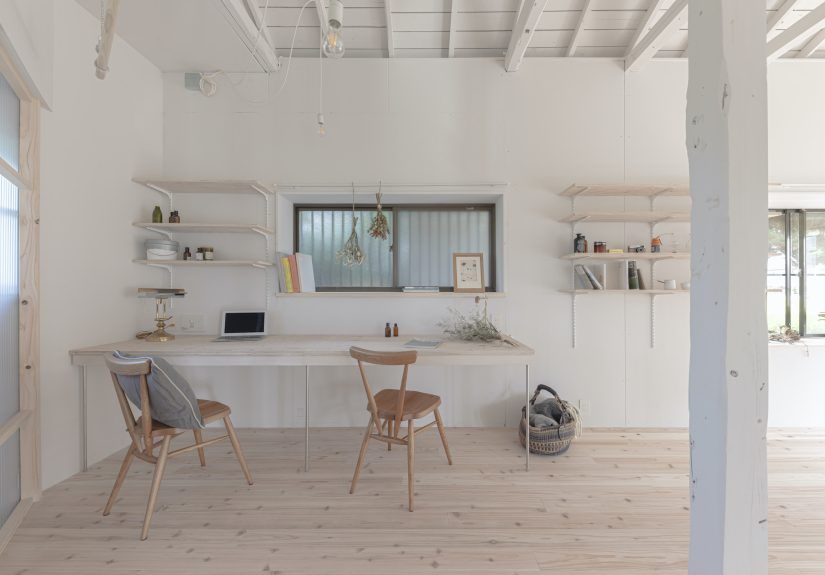
If there is one place where Japan’s influence feels especially strong, it is the home. American interiors have spent years bouncing between maximalism, minimalism, farmhouse everything, and enough boucle to upholster a small nation. Japanese-inspired design has lasted because it offers something steadier. It is not anti-decoration, and it is not cold. It simply asks that every material, shape, and object do a little more emotional work.
That is where ideas like wabi-sabi and Japandi continue to resonate. The first reminds us that beauty can live in imperfection, age, texture, and irregularity. The second blends Japanese restraint with Scandinavian comfort, resulting in interiors that feel warm, lived-in, and breathable. In practical terms, that means low visual clutter, natural woods, linen, stone, handmade ceramics, soft light, muted colors, and furniture that does not scream for attention like a reality-show contestant.
But the home obsession is not only philosophical. It is also wildly practical. Japanese organization brands and home goods companies have trained American shoppers to admire storage that is slim, clever, and beautifully anonymous. A rack that fits beside the fridge. A hook that actually holds something. A tray that makes your countertop look like it finally got its life together. These objects are beloved because they solve problems without becoming eyesores.
The craft side matters too. Traditional Japanese workmanship, whether in woodworking, ceramics, textiles, or blades, continues to attract admiration because it brings patience back into the picture. In a market overloaded with fake-distressed finishes and furniture that arrives emotionally damaged in a flat pack, genuine craftsmanship feels almost radical. A kumiko pattern, a hand-thrown bowl, or a knife forged in a historic craft city does not just decorate a home. It changes how you move through it.
The Beauty Obsession: J-Beauty as Ritual, Not Drama
Japanese beauty remains one of the most enduring categories in this larger love story. The reason is simple: J-beauty does not usually market itself with chaos. It tends to focus on texture, consistency, layering, sun protection, hydration, and long-term skin health. In a beauty culture that often behaves like it drank three espressos and discovered a new acid, that restraint feels luxurious.
Part of the appeal is trust. Japanese beauty brands have earned a reputation for careful formulation, elegant packaging, and products that slot easily into real routines. Cleansing oils, watery essences, featherlight sunscreens, barrier-friendly moisturizers, and rice-based exfoliants all feel less like performance art and more like civilized assistance. They suggest that beauty can be soothing, efficient, and quietly pleasurable instead of a twelve-step hostage situation in your bathroom.
There is also a cultural dimension to the obsession. For many American consumers, J-beauty represents a broader fantasy of maintenance over emergency repair. It is about doing a little every day, paying attention, protecting what you have, and respecting the ritual itself. Even when brands reinterpret that philosophy for a global audience, the emotional promise remains the same: slower, steadier, more intentional care.
The Food Obsession: Matcha, Sandos, and Everyday Wonder
Japanese food culture has long had admirers in the United States, but the current obsession feels more intimate and more everyday. Americans are not just seeking luxury omakase or special-occasion ramen. They are paying attention to pantry items, tea rituals, convenience-store snacks, rice cookers, café culture, and the aesthetics of ordinary meals.
Matcha is the obvious superstar. It has moved well beyond wellness cliché into a full lifestyle category. It appears in lattes, cakes, cocktail menus, gift guides, and home brewing kits, all while retaining an aura of ceremony. That balance is a big part of its charm. Matcha can be deeply traditional, but it also adapts beautifully to modern life. It asks for a whisk, a bowl, a minute of focus, and maybe a brief break from doomscrolling. That is a very good trade.
Then there is the rise of konbini-inspired fascination. Japanese convenience stores have become almost mythical in American food media because they embody what so many people want from everyday eating: quality, speed, charm, and a little surprise. Egg salad sandos, fruit sandos, onigiri, chips, seasonal sweets, and beautifully packaged drinks suggest that convenience does not have to mean depressing. Retailers and cafés in the United States have noticed. Japanese food markets, store cafés, and sando shops increasingly blur the line between shopping and snacking, which makes perfect sense when the packaging is half the seduction.
Even the tools matter. Japanese kitchen gear, from rice cookers to knives to ceramic tableware, appeals to people who want cooking to feel a little less like labor and a little more like craft. When a piece of equipment is well made, intuitive, and visually pleasing, it changes behavior. You cook more rice. You plate food more carefully. You stop treating dinner like an administrative error.
The Fashion Obsession: Tokyo Still Knows How to Dress
Fashion is another area where Japan’s influence feels less like a trend and more like a permanent source of energy. Tokyo style remains compelling because it refuses to settle on one identity. It can be polished or punk, vintage-heavy or minimalist, utilitarian or theatrical. It mixes technical outerwear with tailored pieces, old-school denim with luxury labels, and basics from brands like Uniqlo or Muji with deeply individual styling. It is a citywide argument against dressing like the recommendation engine chose your outfit.
That is why American fashion media continues to watch Tokyo closely. Street style there still feels observant, playful, and personal. Japanese menswear, especially denim and heritage-inspired labels, carries enormous cultural weight because of its reputation for obsessive construction and reverence for detail. And Japanese retail institutions have become objects of fascination in their own right. When a beloved Japanese department store or brand expands access to American shoppers, it is treated as an event because people are not only buying clothes. They are buying into a world with sharper taste and better hangers.
There is a useful lesson in this obsession. Japanese fashion often treats style as an act of editing and remixing rather than simple consumption. The point is not to wear the newest thing first. The point is to make old and new, humble and elevated, functional and expressive, all speak to each other. That kind of dressing ages well because it is rooted in curiosity, not hype.
The Travel Obsession: Hotels, Hot Springs, and the Desire for Atmosphere
Travel coverage of Japan has become increasingly specific, and that specificity is revealing. It is no longer just “go to Tokyo and Kyoto.” It is stay in a hotel with ryokan-style rooms, soak in a private onsen, wander a neighborhood for ceramics, sip tea somewhere quiet, browse a design-forward shop, and understand why a beautifully wrapped pastry can alter your mood. In other words, the obsession has matured.
Travelers are drawn to Japan not only for landmarks but for atmosphere. Hospitality in Japan is often presented as deeply intentional, and that intentionality has enormous emotional appeal. The room is carefully arranged. The bath is an experience, not an afterthought. The breakfast has dignity. The store display looks like it was art-directed by someone who respects shadows. The total effect is that visitors often return home wanting to redesign their houses, wardrobes, routines, and maybe their personalities.
Kyoto remains the fantasy capital for lovers of craft, tea, temples, and design, while Tokyo keeps its crown as the city of electric contradictions. But newer travel stories increasingly point travelers toward quieter regions, slower itineraries, and places where nature, craft, and hospitality intersect. That shift says a lot about what people are really seeking. Not just stimulation. Meaningful texture.
What We Are Really Buying When We Buy “From Japan With Love”
The smartest way to understand this obsession is to realize that it is not really about owning Japanese things. It is about borrowing certain Japanese ideas about daily life: precision, beauty in utility, respect for materials, delight in small rituals, and the refusal to treat ordinary objects as unworthy of care.
That is why the obsession shows up in so many categories at once. A matcha bowl, a cleansing oil, a perfectly balanced chef’s knife, a tatami-inspired hotel room, a muted linen curtain, a convenience-store sandwich, a pair of meticulously made jeans, a compact storage shelf, a hand-painted lantern: these are wildly different objects, but they all promise a more attentive life. They suggest that elegance does not require excess. It requires noticing.
And maybe that is the real love letter here. Japan continues to fascinate because it makes ordinary life look worthy of design, worthy of ritual, and worthy of affection. In an exhausted age, that is a very seductive message.
A Longer Personal Note: Living With the Obsession
I understand the appeal of Japan most clearly in the smallest moments. It is not in the giant, cinematic fantasy of neon Tokyo alone, though that part is undeniably excellent. It is in the smaller, almost suspiciously perfect details that sneak up on you. A towel folded with care. A package opened without a fight. A café corner that feels composed but not pretentious. A ceramic cup that somehow improves tea simply by existing. These are the moments that make the obsession stick.
What fascinates me most is how often Japanese-inspired living changes behavior instead of merely changing appearance. Buy one beautiful bowl and suddenly you plate leftovers like they are a respectable meal. Bring home a smarter storage solution and your bathroom stops feeling like it is actively losing a war. Switch to a gentler, more ritualized skin-care routine and the mirror becomes less of a courtroom. None of these shifts are dramatic on their own, but together they create a different emotional texture for the day.
That is the part trend coverage sometimes misses. People are not only chasing “Japanese aesthetics” because they look good on social media. They are responding to the emotional logic behind them. Thoughtful objects make people feel steadier. Rooms with fewer visual interruptions make people breathe differently. Food prepared and presented with care feels more nourishing, even before the first bite. A city that can make convenience feel dignified has something powerful to teach the rest of us.
I also think this obsession lasts because it rewards attention. The more closely you look, the more it gives back. A raw wood surface ages beautifully. A handmade mug reveals subtle asymmetry. A knife balances differently in the hand. A bowl of matcha has color, aroma, bitterness, sweetness, and texture before you have even started explaining to your friends why you now own a bamboo whisk like a person who “has a practice.” There is depth everywhere.
And yet the best part is that this love affair does not require extravagance. You do not need a Kyoto townhouse, a museum-worthy tea set, or a suitcase full of beauty products to participate. Sometimes it starts with a single shelf, a better pen, a packet of furikake, a pair of socks from a thoughtfully designed shop, or a small vase that makes your grocery-store flowers look poetic. The obsession is scalable. It can live in a city apartment, a suburban kitchen, or a desk drawer.
Maybe that is why From Japan With Love feels like the right phrase. It captures the tenderness of the whole thing. Not just admiration, but affection. Not just consumption, but gratitude. The best Japanese-inspired objects and ideas do not bark for attention. They quietly improve the day. They remind you that usefulness can be beautiful, that discipline can feel soothing, and that delight does not have to be loud to be memorable.
So yes, I believe the obsession is real. But I also think it is earned. Japan keeps giving the world new ways to think about home, style, food, beauty, and travel without separating them from daily life. It makes room for seriousness and play, polish and imperfection, tradition and experimentation. That balance is hard to fake, which is probably why people keep falling for it. The love lasts because it feels lived, not manufactured. And in a world full of disposable trends, that kind of obsession is one worth keeping.
Conclusion
Current Obsessions: From Japan With Love is really about more than products or even aesthetics. It is about the enduring appeal of a culture that treats ordinary life with extraordinary care. Whether the entry point is Japanese home decor, J-beauty, Tokyo fashion, matcha, handcrafted knives, or Kyoto travel dreams, the through line is the same: beauty that works, ritual that calms, and details that make daily life feel less rushed and more meaningful. That is not just inspiring. It is useful. And that may be why this particular obsession keeps surviving every trend cycle thrown at it.