Table of Contents >> Show >> Hide
- Meet Black Locust: The Tough-Love Tree
- Should You Plant Black Locust? A Quick Decision Checklist
- Choosing the Right Site
- How to Plant a Black Locust Tree
- Growing Black Locust From Seed: Scarification Without the Drama
- Propagation by Suckers, Root Cuttings, and Coppice
- Watering, Feeding, and Mulching
- Pruning and Training: Grow Strong, Not Spindly
- Pests and Diseases: The Usual Suspects (and How to Stay Ahead)
- Managing Root Suckers (So You Don’t Accidentally Start a Forest)
- Smart Use Cases for Black Locust (When It’s Worth the Hassle)
- FAQs
- Field Notes: of Real-World Growing Experience
- Conclusion
Black locust (Robinia pseudoacacia) is one of those trees that shows up to the party wearing work boots and carrying a toolbox. It grows fast, tolerates rough conditions, feeds soil microbes like a generous host, and can produce famously rot-resistant wood. It also has a habit of “helping” so much that it may try to take over your yard (and the neighbor’s… and the nearby meadow).
This guide walks you through how to plant and grow black locust the smart way: site selection, planting steps, seed starting, training/pruning, pest prevention, andmost importantlyhow to avoid waking up one morning to a surprise locust thicket.
Meet Black Locust: The Tough-Love Tree
Black locust is a medium-sized deciduous tree in the legume family. Translation: it can partner with nitrogen-fixing bacteria, which helps it thrive on poor soils where other trees sulk. It’s been planted widely for erosion control, reclamation of disturbed sites, hard-wearing fence posts, and even firewood that burns hot.
But black locust comes with “terms and conditions.” Young shoots often have sharp thorns. The tree can spread by root suckers, forming colonies. And in many regions, it’s considered invasive or weedymeaning it can escape cultivation and displace other plants if you let it roam free.
Should You Plant Black Locust? A Quick Decision Checklist
Before you plant, decide what kind of relationship you want with this tree: a polite acquaintance… or a roommate who rearranges your furniture while you sleep.
Black locust is a good fit if you want:
- A hardy, fast-establishing tree for difficult sites (dry, poor soil, disturbed ground).
- Durable wood for posts, small poles, or projects where rot resistance matters.
- Soil improvement on worn-out land (it can help build soil over time).
- Pollinator value (its spring flowers can be buzzing with activity).
Think twice (or choose another tree) if:
- You’re near natural areas, prairies, open woodland edges, or conservation land.
- You have a small yard and don’t want to manage root suckers.
- Your site is heavy, wet, compacted, or frequently waterlogged.
- You need a “set it and forget it” ornamental that won’t drop branches or send up sprouts.
One more reality check: black locust is listed as invasive/noxious in some places and discouraged in others. Always check your state’s guidance and your local Cooperative Extension recommendations before plantingespecially in regions where it’s known to spread aggressively.
Choosing the Right Site
Sunlight: give it the good seat
Black locust performs best in full sun. If you plant it in shade, it won’t politely “try its best”it will simply underperform, get stressed, and become more vulnerable to pests. Aim for 6+ hours of direct sun.
Soil: it likes drainage more than luxury
The tree tolerates a wide pH range and poor soils, but it does not like wet feet. Avoid heavy clay that stays soggy, low spots that collect water, and compacted areas where roots struggle to breathe. If your soil holds water like a bathtub, pick a different species or plant on a berm/mound to improve drainage.
Space: plan for the tree you’ll have, not the cute sapling you’re buying
Black locust can grow into a medium to large tree and may form suckering thickets. Give it room away from patios, sidewalks, and septic fieldsbecause root sprouts have no respect for hardscapes. For a single landscape tree, a conservative rule is 25–35 feet of clearance from structures and areas you don’t want sprouts.
How to Plant a Black Locust Tree
You’ll usually plant black locust as a bare-root seedling (common for conservation plantings) or a container-grown sapling (common in landscape settings).
Best planting times
- Early spring (before leaf-out) is ideal for most climates.
- Late summer to early fall can work where summers are brutal and fall moisture helps establishment.
Step-by-step planting (the “don’t baby it, but don’t bully it” method)
- Prep the area: Remove grass and weeds in at least a 3-foot circle. Competition is the #1 reason young trees stall.
- Dig a proper hole: Make it 2–3 times the width of the root ball but only as deep as the roots need. The root flare should sit at or slightly above the soil surface.
- Set the tree: Spread bare roots gently (don’t fold them like a pretzel). For container trees, tease out circling roots.
- Backfill and firm: Use native soil (skip heavy amendments). Water once halfway through backfilling to remove air pockets.
- Mulch: Apply 2–3 inches of mulch, keeping it a few inches away from the trunk (no “mulch volcanoes,” please).
- Water deeply: The first season matters. Water slowly so moisture reaches the root zone.
- Protect from browsing: Deer can treat a young locust like a salad baruse tree tubes or fencing if deer pressure is high.
Growing Black Locust From Seed: Scarification Without the Drama
Black locust seeds have a tough, water-resistant coatso they often won’t germinate until you help water get inside. This is called scarification. The goal is to nick or weaken the seed coat without harming the embryo.
Option A: Mechanical scarification (beginner-friendly and reliable)
- Rub each seed lightly with sandpaper or use a nail file to nick the coat.
- Soak seeds in room-temperature water overnight. Seeds that swell are ready to sow.
- Sow 1/4–1/2 inch deep in a seed-starting mix; keep evenly moist and warm.
Option B: Hot water treatment (effective, but don’t cook your seeds)
- Bring water to a boil, then remove from heat.
- Pour hot water over seeds and let them soak as the water cools (often 12–24 hours).
- Sow the swollen seeds. If seeds don’t swell, repeat with a fresh batch and slightly longer soak.
Seedlings grow quickly once established, but they’re still babies in year one. Give them strong light, don’t over-fertilize, and harden them off before planting outdoors.
Propagation by Suckers, Root Cuttings, and Coppice
Black locust is famous for vegetative reproduction. That’s great if you want more trees. It’s… less great if you don’t.
Root suckers (the “free trees” method)
If a mature locust is already on your property, you may see young shoots popping up from lateral roots. You can dig a sucker with a portion of root attached during dormancy (late fall to early spring) and transplant itjust know you’re choosing the spreader life.
Dormant root cuttings
For controlled propagation, dormant root cuttings can be taken in late winter/early spring and rooted in a nursery setting. This is more common in forestry/nursery production than backyard gardening, but it’s a viable approach if you’re methodical.
Coppicing for posts (woodlot-style growing)
Black locust responds well to coppicingcutting stems and letting the stump resprout. If you’re growing for small-diameter poles, a managed coppice system can be productive. The trick is to keep spacing, access, and resprout management intentional so it doesn’t turn into chaos.
Watering, Feeding, and Mulching
Watering
For the first growing season, water deeply whenever the top few inches of soil are dry. In year two, water during extended droughts. After establishment, black locust is generally drought-tolerantthough severe drought stress can invite pests.
Fertilizer
Go easy. Because black locust can fix nitrogen, it typically doesn’t need high-nitrogen fertilizer. Over-fertilizing can push soft, overly fast growth that’s more likely to break and may be more attractive to problems. If growth is poor, focus on weed control, mulch, and watering before reaching for fertilizer.
Pruning and Training: Grow Strong, Not Spindly
Black locust can be brittle and can develop structural issues if left completely unmanagedespecially in landscape settings. Pruning is where you guide it from “wild teenager” to “responsible adult.”
When to prune
Prune primarily in the dormant season (late winter is ideal). This reduces stress and can help avoid timing issues with certain pests. Remove dead, damaged, rubbing, or poorly attached branches.
How to train for a straighter trunk (useful for posts)
- Choose one strong central leader early.
- Remove competing leaders while branches are small (small cuts heal better).
- Gradually raise the canopy over several yearsdon’t strip all lower limbs at once.
Pests and Diseases: The Usual Suspects (and How to Stay Ahead)
Two insects cause a lot of the trouble people associate with black locust: locust borer and locust leaf miner. The best overall strategy is keeping trees vigorous and avoiding chronic stress.
Locust borer (the trunk-tunneling troublemaker)
Locust borer larvae tunnel into trunks and branches, weakening wood and increasing breakage risk. Stressed trees tend to be more susceptible. Think of it like this: if your locust is living its best life, pests have a harder time moving in.
Prevention-focused care:
- Plant in full sun and avoid wet sites.
- Water during prolonged droughts (especially for young trees).
- Control weeds/grass competition in the first couple of years.
- In larger plantings, avoid making black locust the overwhelming majority in one block; mixed species plantings can help reduce pressure.
For ornamentals under heavy pressure: some Extension resources describe trunk/limb sprays timed to target egg-laying adults and newly hatched larvae, but this is typically most practical on small trees and should be done according to local guidance and label directions. For large trees, the realistic approach is often stress reduction, selective removal of severely infested stems, and thoughtful replacement.
Locust leaf miner (the “why are my leaves turning brown?” culprit)
Leaf miner damage can make foliage look scorched by mid-summer. It’s often more cosmetic than fatal, but repeated heavy defoliation can reduce growth. Keep the tree healthy and avoid compaction and drought stress. In most home situations, management is mainly cultural rather than chemical.
Other issues: cankers, powdery mildew, witches’ broom
These tend to show up when trees are stressed or damaged. Avoid trunk injuries (string trimmers are ruthless), prune properly, and maintain good airflow. If a branch shows a canker or dieback, prune back to healthy wood and sanitize tools between cuts when disease pressure is suspected.
Managing Root Suckers (So You Don’t Accidentally Start a Forest)
Root suckers are the #1 reason black locust can feel “out of control.” The roots send up shootssometimes far from the trunkespecially after the tree is cut, stressed, or disturbed.
To keep suckers in check:
- Mow or cut sprouts repeatedly while they’re small (persistence wins).
- Don’t till near the tree if you can avoid itroot disturbance can trigger more shoots.
- Use a wide mulch ring and keep turf competition down (it helps you spot sprouts early).
- Plan boundaries: if you plant locust, choose an area where “occasional sprout patrol” is acceptable.
If you ever need to remove unwanted black locust, know that cutting alone often leads to more suckering. Land managers commonly use integrated approaches (mechanical + carefully applied herbicide on cut surfaces) under local guidance. Even then, monitoring and follow-up are usually required.
Smart Use Cases for Black Locust (When It’s Worth the Hassle)
Erosion control and difficult slopes
Black locust is a classic “get roots in the ground fast” species for disturbed areas. If you’re stabilizing a slope, reclaiming a rough site, or rebuilding soil structure, it can be a practical toolespecially when paired with a plan to prevent spread.
Fence posts and durable small timber
If you want rot-resistant posts, black locust is legendary. The key is training early for straighter stems and harvesting on a schedule.
Urban tough spots (with caution)
Some guides note it can tolerate drought, heat, and certain pollutants, but it’s not a gentle street tree. Between root sprouts, branch breakage, and pest issues, it’s usually reserved for “tough site” situationsrather than the centerpiece of a tidy front yard landscape.
FAQs
Is black locust native?
It’s native to parts of the eastern and central U.S., but it has been planted widely and is now naturalized well beyond its original range. That’s why it can be considered invasive in some regions even though it’s “from here” in others.
Is it safe around animals?
Use caution. Various parts of black locust (notably bark, seeds, and young growth) are considered toxic to livestock, especially horses. If you manage pasture or keep animals, consult local experts before planting.
How much maintenance does it need?
Establishment care is the biggest lift: weed control, watering, and protection from browsing for the first year or two. After that, the “maintenance” is mostly about managing suckers, pruning for structure, and watching for pest pressure.
Field Notes: of Real-World Growing Experience
People who grow black locust tend to have the same roller-coaster story arc: excitement, amazement, mild alarm, and finally a respectful acceptance that this tree is not a decorative houseplantit’s more like a power tool.
The excitement phase starts when you realize how quickly it establishes. A young tree can look unimpressive at planting time, then suddenly act like it discovered an energy drink subscription. In tough soils where other species stall, black locust often keeps pushing upward. That momentum is part of why it’s used on disturbed sites: it’s a “first responder” species that doesn’t wait for perfect conditions.
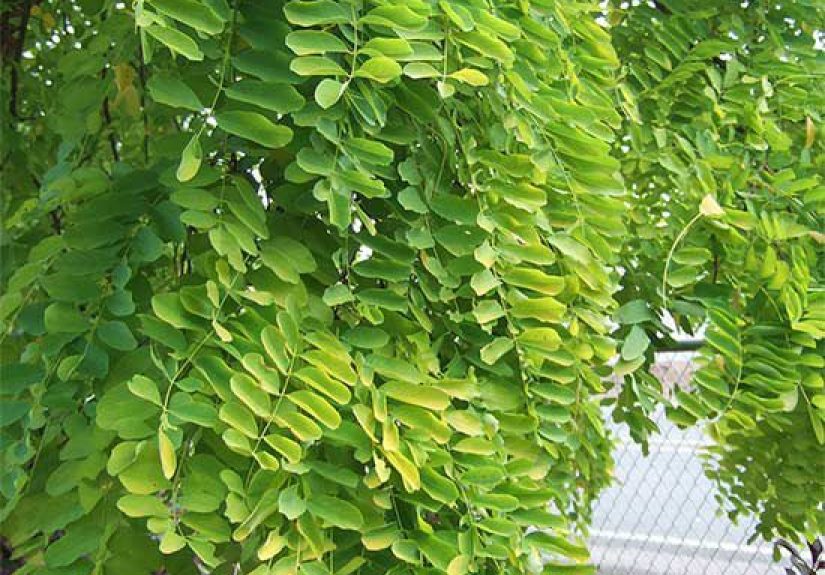
Then comes amazementusually around bloom time. When black locust flowers, the fragrance can be intense (in a good way), and pollinators show up like they got a group text. If your goal includes pollinator activity or you enjoy spring “tree perfume,” it can feel like the tree is paying rent. The leaf texture is another surprise: the small leaflets create a lighter, filtered shade rather than the heavy darkness some big shade trees cast.
The mild alarm phase usually begins with thorns and sprouts. Young shoots can be thorny enough to make you rethink casual barefoot yard walks. And the first time you notice a sprout ten or fifteen feet away from the trunk, you realize black locust doesn’t believe in “staying in its lane.” Many growers learn to patrol: mow sprouts early, don’t ignore them for a season, and don’t assume one cutting “solves it.” If you cut a mature stem, you may get a pop-up performance of new shoots as the root system tries to rebound.
Weather teaches another lesson: because borers and other stress-related issues are more likely when the tree is struggling, growers often notice that droughty summers can be a turning point. A locust that looked unstoppable might start dropping leaves early or showing dieback if it’s chronically stressed. The most successful long-term experiences tend to come from people who plant it where it naturally wants to livefull sun, well-drained soil and who help it through extreme dry spells during establishment.
Finally, there’s acceptanceusually phrased as “I like it, but I manage it.” Growers who stay happy with black locust typically treat it as a purposeful planting. They use it for posts, slope stabilization, quick cover, or soil improvement, and they build in boundaries and routines: mow lines, buffer zones, mixed plantings, and a willingness to remove stems that become hazardous. In other words: black locust can be fantasticwhen you’re the one writing the rules.
Conclusion
Planting black locust is a bit like adopting a highly intelligent dog: rewarding, useful, and occasionally chaotic if you don’t provide structure. Give it sun, drainage, and breathing room. Focus on strong establishment care for the first two years. Prune for good structure, reduce stress to discourage borers, and stay on top of root suckers early and often. Do that, and black locust can be a hardworking tree that earns its keepwithout turning your property into Locust Land.