Table of Contents >> Show >> Hide
- What Is Dermalex Psoriasis Cream?
- How Psoriasis Works: Why a Cream Can Help but Not Cure It
- How Dermalex May Help Psoriasis Symptoms
- How Effective Is Dermalex for Psoriasis?
- Dermalex vs. Other Psoriasis Treatments
- Safety: Is Dermalex Safe to Use?
- Possible Dermalex Side Effects
- How to Use Dermalex for Psoriasis
- Who Should Avoid Dermalex or Ask a Doctor First?
- Practical Tips to Improve Results
- Realistic Experience-Based Insights: What Using Dermalex May Feel Like
- Final Verdict: Should You Try Dermalex for Psoriasis?
- SEO Tags
Psoriasis can be dramatic for something so technically “skin deep.” One week your elbows are minding their business; the next, they look like they are auditioning for a role as desert terrain. That is why many people with mild to moderate psoriasis look for over-the-counter creams that promise to calm itching, soften scaling, and make daily life less scratchy. Dermalex psoriasis cream is one of those products, often marketed as a steroid-free option for people dealing with plaque-like patches, irritation, and thickened skin.
But here is the important question: does Dermalex actually work for psoriasis, and is it safe to use? The honest answer is pleasantly practical but not magical. Dermalex may help some people reduce dryness, scaling, itching, and discomfort, especially when psoriasis is mild and the skin barrier needs support. However, it is not a cure, it is not the same as prescription psoriasis treatment, and the public clinical evidence behind it is limited compared with established therapies such as topical corticosteroids, vitamin D analogues, salicylic acid, coal tar, phototherapy, and biologic medications.
This guide explains what Dermalex is, how it may help psoriasis symptoms, possible side effects, who should be cautious, and how to use it sensibly without turning your bathroom shelf into a tiny pharmacy with commitment issues.
What Is Dermalex Psoriasis Cream?
Dermalex psoriasis cream is an over-the-counter topical product designed for people with mild to moderate psoriasis symptoms. It is commonly described as steroid-free, non-greasy, and suitable for daily use in adults and teenagers aged 14 and older. Product information generally says it is intended to help relieve symptoms such as itching, scaling, burning, redness, and thickened skin.
The formula varies slightly by market, but Dermalex psoriasis products are commonly associated with ingredients such as purified water, white petrolatum, cetearyl alcohol, liquid paraffin, ethyl alcohol, methyl 4-hydroxybenzoate, modified alumino-silicates, and alkaline earth minerals. In everyday language, that means the cream works partly like a barrier-supporting moisturizer with mineral-based components rather than a classic medicated psoriasis drug.
Is Dermalex a Steroid?
No. Dermalex psoriasis cream is marketed as steroid-free. That matters because many effective prescription psoriasis creams contain corticosteroids, which reduce inflammation quickly but can cause side effects when overused, especially on thin or sensitive skin. Steroid-free does not automatically mean “better,” though. It simply means Dermalex belongs in a different category: supportive topical care rather than a prescription anti-inflammatory treatment.
Is Dermalex FDA-Approved for Psoriasis?
Dermalex is not generally discussed in the United States the way FDA-approved psoriasis medications are. In the U.S., common over-the-counter active ingredients recognized for psoriasis include coal tar and salicylic acid. Prescription options include topical corticosteroids, vitamin D analogues, retinoids, PDE-4 inhibitors, tapinarof, systemic medications, and biologic therapies. Dermalex may be sold in some markets as a psoriasis cream, but people in the United States should be careful about assuming it has the same regulatory status or evidence base as FDA-approved psoriasis drugs.
How Psoriasis Works: Why a Cream Can Help but Not Cure It
Psoriasis is a chronic immune-mediated skin condition. In plaque psoriasis, the immune system speeds up skin cell turnover, causing cells to build up faster than the body can shed them. The result is thick, scaly, itchy, inflamed patches that often appear on the elbows, knees, scalp, lower back, hands, feet, or trunk.
Because psoriasis involves immune activity below the surface, a moisturizer or barrier cream cannot “switch off” the condition entirely. Think of psoriasis like a smoke alarm that is too sensitive. A topical cream may help quiet the visible smokethe dryness, flakes, cracking, and itchingbut it may not fix the alarm system itself. That is why moderate to severe psoriasis, widespread plaques, scalp involvement, nail changes, or joint pain usually require medical evaluation.
How Dermalex May Help Psoriasis Symptoms
Dermalex may be useful for some people because psoriasis-prone skin often has a weakened barrier. When the skin barrier is compromised, moisture escapes more easily and irritants can trigger more burning, itching, and cracking. A cream that hydrates, softens, and protects the skin can make plaques feel less angry, even if it does not treat the deeper immune process.
1. It May Reduce Dryness and Tightness
Dry skin can make psoriasis feel worse. When plaques become stiff, they may crack, sting, or bleed. Dermalex contains emollient-style ingredients that can help coat and soften the skin. This may make patches feel more flexible and less tight, particularly after bathing or showering.
2. It May Help Calm Itching
Psoriasis itching can range from “minor annoyance” to “I would trade my left sock collection for relief.” By improving moisture and supporting the skin barrier, Dermalex may reduce some itch related to dryness and irritation. However, if itching is severe, widespread, or keeping you awake, that is a sign to speak with a healthcare professional.
3. It May Soften Scaling
Scales form when skin cells build up on the surface. Dermalex may help soften the outer layer and make plaques feel smoother. It is not the same as salicylic acid, which is a keratolytic ingredient specifically used to lift scales, but hydration alone can make scaling less stubborn.
4. It May Be Appealing for People Avoiding Steroids
Some people want a non-steroid option for maintenance, sensitive areas, or times between prescription treatments. Dermalex may fit that supportive role. Still, steroid-free creams are not automatically strong enough for active inflammation. If plaques are red, spreading, painful, or thick, a dermatologist may recommend a more targeted treatment plan.
How Effective Is Dermalex for Psoriasis?
The effectiveness of Dermalex depends on what you expect it to do. If the goal is to moisturize dry plaques, reduce mild itching, and support the skin barrier, Dermalex may be helpful. If the goal is to clear moderate to severe psoriasis, replace prescription therapy, or control psoriatic arthritis symptoms, Dermalex is unlikely to be enough.
Best-Case Scenario
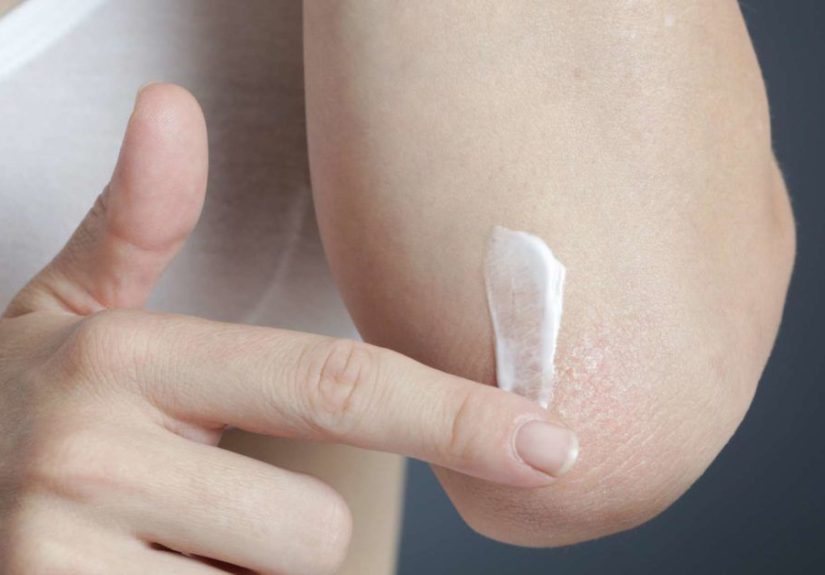
Dermalex may work best for people with mild plaque psoriasis, small patches, dryness-driven irritation, or symptoms that flare during cold weather. Someone with a few rough patches on the elbows might notice smoother skin and less itching after regular use. In that situation, Dermalex can act like a well-behaved assistant: not the star surgeon, but very good at keeping the waiting room calm.
When It May Not Be Enough
Dermalex may not provide enough relief if psoriasis covers large areas, plaques are very thick, skin is bleeding, the scalp is heavily involved, nails are pitted or lifting, or joints are painful and stiff. These symptoms can suggest more active disease that needs medical treatment. Psoriasis is not just cosmetic; for some people, it is linked with systemic inflammation and psoriatic arthritis.
What the Evidence Says
Product materials often describe Dermalex as dermatologically tested or clinically proven for mild to moderate symptoms. However, publicly available independent research on Dermalex specifically for psoriasis is limited compared with well-studied treatments. This does not mean the product cannot help. It means consumers should keep expectations realistic and avoid treating marketing claims like a guarantee from the skin gods.
Dermalex vs. Other Psoriasis Treatments
Dermalex sits in the “supportive topical care” category. To understand where it fits, it helps to compare it with common psoriasis treatments.
Dermalex vs. Moisturizers
Basic moisturizers are often recommended for psoriasis because they reduce dryness, cracking, and discomfort. Dermalex may offer similar benefits with a formula aimed specifically at psoriasis-prone skin. However, a thick fragrance-free moisturizer or ointment may be enough for some people, especially if the main issue is dryness rather than inflammation.
Dermalex vs. Salicylic Acid
Salicylic acid helps loosen and remove scales. It can be useful for thick plaques, but it may irritate sensitive skin if overused. Dermalex is not mainly a scale-lifting treatment in the same way. It may soften plaques through moisture, but it is not usually the go-to option for heavy scale buildup.
Dermalex vs. Coal Tar
Coal tar has been used for psoriasis for many years and can help reduce scaling, itching, and inflammation. The downside is that it may smell strong, stain fabrics, and irritate some skin types. Dermalex is generally positioned as a cleaner-feeling, non-staining, steroid-free cream, but coal tar has a longer history as an active psoriasis treatment.
Dermalex vs. Topical Corticosteroids
Topical corticosteroids are among the most common treatments for mild to moderate psoriasis because they reduce inflammation quickly. They can be very effective, but long-term or improper use may cause thinning skin, stretch marks, irritation, or reduced effectiveness. Dermalex does not carry the same steroid-related concerns, but it may also be less powerful during a flare.
Dermalex vs. Prescription Non-Steroid Creams
Newer prescription non-steroid options, such as PDE-4 inhibitors and tapinarof, are designed to target inflammatory pathways involved in plaque psoriasis. These are different from Dermalex because they are regulated medications with specific indications, dosing instructions, and clinical trial data. Dermalex may be easier to access, but prescription non-steroid treatments may be more appropriate for persistent plaques.
Safety: Is Dermalex Safe to Use?
Dermalex is generally described as well tolerated when used as directed. It is for external use only and should not be applied to severe open wounds, badly broken skin, or areas with signs of infection. It is commonly labeled as unsuitable for children under 14 years old. People who are pregnant, breastfeeding, using other psoriasis treatments, or managing severe symptoms should ask a healthcare professional before using it.
Patch Testing Is a Smart Move
Even gentle products can annoy sensitive skin. Before applying Dermalex widely, test a small amount on one affected area and wait 24 hours. If there is no intense burning, swelling, rash, or worsening irritation, broader use may be reasonable. Patch testing is not glamorous, but neither is discovering your skin hates a product after you enthusiastically covered both knees.
Use Caution on Sensitive Areas
Psoriasis can affect the face, groin, underarms, and skin folds, but these areas are more sensitive and absorb products differently. Unless the product label specifically supports use on these areas, ask a dermatologist first. The same rule applies to cracked, bleeding, or infected plaques.
Possible Dermalex Side Effects
Like most topical products, Dermalex can cause side effects in some users. The most commonly mentioned reaction is a mild stinging sensation during the first few applications. This may be temporary, especially when skin is dry or cracked. However, stinging should not be severe or long-lasting.
Common Possible Side Effects
- Mild stinging after application
- Temporary burning or tingling
- Redness at the application site
- Itching or irritation
- Dryness if the skin reacts poorly
Less Common but Important Reactions
Stop using Dermalex and seek medical advice if you notice swelling, hives, intense burning, blistering, spreading redness, oozing, worsening pain, or signs of infection. Also stop if psoriasis becomes noticeably worse after starting the cream. Skin is allowed to have opinions, but it should not be filing a formal complaint.
How to Use Dermalex for Psoriasis
Always follow the product label, because instructions may vary by region and product size. In general, Dermalex psoriasis cream is applied to clean skin in a thin layer and gently massaged into affected areas. Some product listings suggest use two to three times daily, while others emphasize twice-daily application. Consistency matters more than enthusiasm; slathering on half a tube at once will not make psoriasis pack its bags faster.
Basic Application Tips
- Wash the area gently with lukewarm water and a mild cleanser.
- Pat the skin dry instead of rubbing.
- Apply a thin layer of Dermalex to the affected plaques.
- Massage gently until absorbed.
- Wash your hands afterward unless treating your hands.
- Use consistently for several weeks unless irritation occurs.
When to Apply It
A useful time to apply Dermalex is after a bath or shower, when the skin is slightly hydrated but not wet. This helps seal in moisture. If you also use prescription treatments, ask your doctor or pharmacist how to space them. Combining products randomly can reduce effectiveness or increase irritation.
Who Should Avoid Dermalex or Ask a Doctor First?
Dermalex may not be right for everyone. Avoid using it if you are allergic to any ingredient in the formula. Ask a healthcare professional first if you are pregnant or breastfeeding, treating a child, using prescription psoriasis medications, applying it to sensitive areas, or dealing with severe symptoms.
See a Dermatologist If You Have These Symptoms
- Psoriasis covering more than a small area of the body
- Painful, bleeding, or infected-looking plaques
- Symptoms on the face, genitals, hands, feet, or scalp
- Nail changes such as pitting, thickening, or lifting
- Joint pain, stiffness, or swelling
- No improvement after several weeks of consistent care
Joint symptoms are especially important because they may point to psoriatic arthritis. A cream cannot treat joint inflammation, no matter how nicely it moisturizes your elbows.
Practical Tips to Improve Results
Dermalex may work better when it is part of a broader psoriasis-friendly routine. That means treating your skin like a high-maintenance houseplant: consistent moisture, gentle handling, and fewer surprise attacks.
Choose Gentle Skin Care
Use fragrance-free cleansers, avoid harsh scrubs, and skip very hot showers. Hot water may feel wonderful for about 12 seconds, then leave skin drier and itchier. Lukewarm water is less exciting but much kinder.
Do Not Pick Scales
Picking psoriasis scales can cause bleeding, irritation, and possibly trigger more psoriasis in injured skin. If plaques are thick, ask a dermatologist whether a scale-softening treatment such as salicylic acid is appropriate.
Track Triggers
Common psoriasis triggers include stress, skin injury, infections, cold weather, smoking, heavy alcohol use, and certain medications. Keeping a simple symptom diary can help identify patterns. You do not need a leather-bound journal and a candlelit desk; your phone notes app will do just fine.
Realistic Experience-Based Insights: What Using Dermalex May Feel Like
People often approach Dermalex with one of two mindsets: cautious hope or full-blown “please save my skin before Friday.” The more realistic mindset is somewhere in between. If you have mild psoriasis patches that feel dry, tight, and itchy, Dermalex may provide noticeable comfort within days of consistent use. The skin may feel less rough, clothes may rub less, and the urge to scratch may calm down. That kind of improvement can be meaningful, especially when psoriasis affects confidence, sleep, or daily comfort.
A common experience with barrier-style psoriasis creams is that they help texture before they help appearance. In other words, a plaque may feel softer and less itchy before it looks dramatically different in the mirror. This can be frustrating because everyone wants visible proof. But with psoriasis, comfort is a valid win. If your skin no longer feels like it is wearing a tiny wool sweater made of irritation, that counts.
Some users may notice mild stinging during the first few applications. This can happen when plaques are cracked or the skin barrier is irritated. A short-lived tingle is different from intense burning. If the sensation fades quickly and the skin improves, it may simply be an adjustment period. If burning continues, redness spreads, or the area feels worse, stop using the cream and check with a clinician.
Another practical experience: Dermalex may be easier to tolerate cosmetically than greasier ointments. Many psoriasis patients know the emotional journey of applying a thick ointment and then standing in the bathroom like a glazed donut, wondering whether pants are still an option. Dermalex is usually described as non-greasy, which may make it more realistic for daytime use. That matters because the best cream is often the one you will actually use consistently.
However, Dermalex may disappoint people expecting prescription-level clearing. If plaques are inflamed, widespread, or stubborn, a supportive cream may only take the edge off. That does not make it useless; it means it has a lane. For some, Dermalex may be a maintenance product between flares. For others, it may be a companion to dermatologist-prescribed treatment. For more severe psoriasis, it may be too gentle to make a major difference on its own.
Cost and access also shape the experience. If Dermalex is expensive or hard to find in your region, a fragrance-free moisturizer, petrolatum-based ointment, or dermatologist-recommended OTC psoriasis product may be more practical. Psoriasis care is a long game, and long games need products that fit your budget, schedule, and skin tolerance.
The most balanced takeaway from real-world use is this: Dermalex may be worth considering for mild to moderate dryness, itching, scaling, and barrier support, especially if you want a steroid-free topical option. But it should not delay medical care if symptoms are worsening, painful, or affecting your quality of life. Your skin deserves relief, not a months-long experiment powered by optimism and online reviews.
Final Verdict: Should You Try Dermalex for Psoriasis?
Dermalex psoriasis cream may be a reasonable over-the-counter option for people with mild to moderate psoriasis symptoms who want a steroid-free cream to help with dryness, itching, scaling, and skin barrier support. It may be especially useful as part of a gentle daily routine, applied consistently to clean skin and paired with trigger management.
Still, Dermalex is not a cure for psoriasis, and the independent evidence behind it is limited compared with established medical treatments. If your psoriasis is spreading, painful, thick, bleeding, affecting sensitive areas, or linked with joint symptoms, see a dermatologist. A good treatment plan may include moisturizers, OTC ingredients, prescription topicals, light therapy, systemic medication, or biologics depending on severity.
The best psoriasis treatment is not always the strongest one; it is the one that matches your symptoms, skin type, lifestyle, and medical needs. Dermalex may have a place in that plan, but it should be a thoughtful choicenot a miracle cream wearing a lab coat.