Table of Contents >> Show >> Hide
- What Hyperthyroidism Actually Is
- So, Is There Any Connection Between Alcohol and Hyperthyroidism?
- Why Some People With Hyperthyroidism Feel Worse After Drinking
- What About Graves’ Disease Specifically?
- Diagnosis: Do Not Guess From Symptoms Alone
- Practical Questions to Ask If You Have Hyperthyroidism and Drink Alcohol
- When It Is Time to Stop Reading and Call a Doctor
- Common Experiences People Describe With Alcohol and Hyperthyroidism
- Final Takeaway
- SEO Tags
Hyperthyroidism is what happens when your thyroid decides to behave like it has had six espressos and a motivational speech. This small gland in the neck starts pumping out too much thyroid hormone, and suddenly the body’s internal speed setting gets cranked up. Heart rate rises, sleep gets sketchy, appetite may increase while weight drops, and even sitting still can feel like a full-time job.
So where does alcohol fit into this picture? Is it a cause, a trigger, a harmless side character, or the plot twist nobody asked for? The honest answer is a little messy, which is exactly why this topic deserves a proper explanation. Alcohol is not considered a standard cause of hyperthyroidism. Still, that does not mean it is irrelevant. It may affect symptoms, complicate treatment, stress the liver, and muddy the waters when someone is trying to figure out why they feel awful.
If you have ever wondered whether alcohol and an overactive thyroid are connected, the short answer is yes—but mostly in an indirect, practical, real-life way rather than a simple cause-and-effect one. Let’s unpack it without turning this into a medical lecture that feels like it was written by a haunted textbook.
What Hyperthyroidism Actually Is
Hyperthyroidism means the thyroid gland makes more hormone than the body needs. Those hormones help regulate metabolism, heart rate, digestion, temperature, mood, and energy use. When levels run too high, many body systems speed up at once. That is why hyperthyroidism can feel so random at first. One person notices shaky hands and sweating. Another has anxiety, diarrhea, trouble sleeping, or a pounding heart. Someone else just feels “off” and cannot explain it.
The most common cause is Graves’ disease, an autoimmune condition in which antibodies stimulate the thyroid to overproduce hormone. Other causes include overactive thyroid nodules, thyroiditis, too much iodine, or taking too much thyroid hormone medication. In rare cases, a pituitary problem may be involved. That matters because when people ask whether alcohol causes hyperthyroidism, the standard medical answer is no—alcohol is not on the usual causes list.
So, Is There Any Connection Between Alcohol and Hyperthyroidism?
Yes, but it is not the kind of connection that fits neatly on a bumper sticker.
Alcohol is not a recognized primary cause of hyperthyroidism. However, alcohol can influence thyroid function in general, and it can absolutely make life more complicated for people who already have Graves’ disease, thyrotoxicosis, or another form of overactive thyroid.
Here is the key idea: alcohol may not usually start the fire, but it can throw confusion, stress, and bad timing onto the flames.
1. Alcohol Can Mimic or Worsen Hyperthyroidism Symptoms
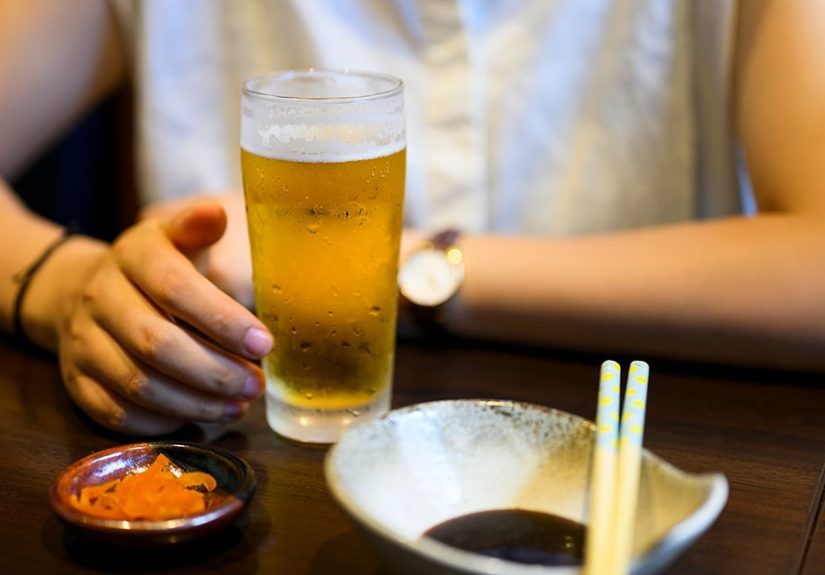
One reason this topic gets confusing is that alcohol and hyperthyroidism can create overlapping symptoms. Hyperthyroidism commonly causes palpitations, nervousness, irritability, sweating, sleep problems, and heat intolerance. Alcohol can also affect sleep, worsen dehydration, increase sweating, and leave people with shakiness or a racing heart—especially after drinking or during withdrawal.
That overlap means a person may blame everything on stress, a hangover, bad sleep, or being “just anxious,” when the thyroid is actually part of the story. It can also work the other way around. Someone with hyperthyroidism may assume their symptoms are only thyroid-related and miss the fact that alcohol is making them more intense.
In plain English: when your body already feels like it is running a marathon inside a sauna, alcohol is rarely the calming friend with snacks.
2. The Heart Connection Is a Big Deal
Untreated hyperthyroidism can affect the heart. It may lead to a fast heart rate, irregular heart rhythm, or in severe cases more serious complications. Alcohol also has a known reputation for triggering heart rhythm problems in some people. That means the combination can be particularly unhelpful for anyone already dealing with palpitations or a pounding chest.
This does not mean every sip equals disaster. It means the heart-related effects of hyperthyroidism make alcohol a more important question than it might be for someone without thyroid disease. If drinking seems to line up with episodes of fluttering, racing, skipped beats, or feeling suddenly panicky and overheated, that pattern deserves attention.
3. Alcohol May Complicate Thyroid Treatment
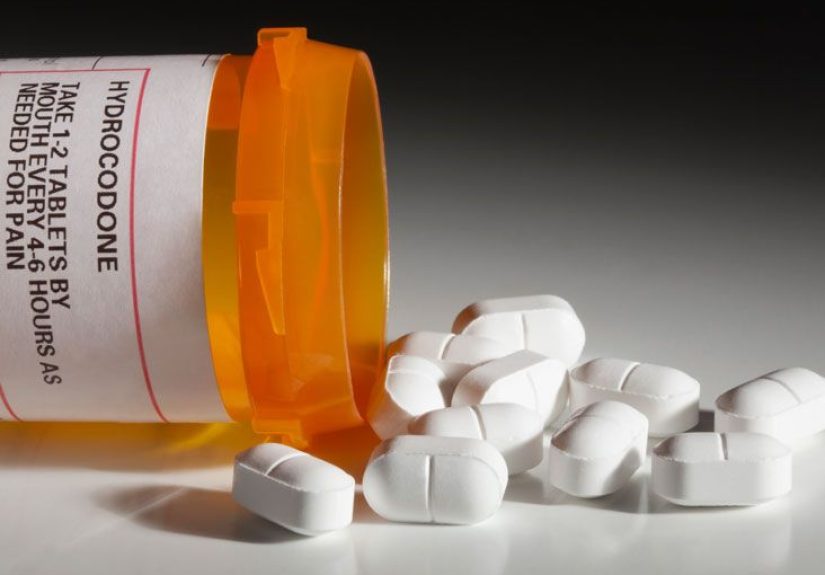
Treatment for hyperthyroidism often includes methimazole or, in selected situations, propylthiouracil (PTU). These drugs can be effective, but they are not casual little gummy vitamins. They need monitoring. Rare but important side effects can include liver injury and low white blood cell counts.
Here is where alcohol becomes more than a philosophical question. Alcohol can interact with many medications in dangerous ways, and both NIAAA guidance and medication references warn patients to discuss alcohol use with their healthcare professional. When you add alcohol on top of a medicine that already carries liver warnings, the topic stops being theoretical and becomes very practical.
For methimazole, major references advise patients to discuss the use of alcohol with their clinician and to watch for symptoms such as dark urine, upper abdominal pain, nausea, pale stools, or yellowing of the eyes or skin. PTU also carries liver-risk warnings, and patients are told to report signs of liver injury promptly. So even though alcohol is not the same thing as a direct drug interaction in every case, it can become part of a bigger safety conversation—especially for people with existing liver issues or heavy alcohol use.
4. Alcohol Does Not “Treat” Hyperthyroidism
This point deserves its own spotlight because the internet loves chaos. Some older observational studies have found that moderate alcohol intake was associated with a lower risk of developing Graves’ hyperthyroidism. That sounds intriguing. It is also very easy to misunderstand.
An association is not the same thing as proof. Those studies do not show that alcohol prevents Graves’ disease, and they absolutely do not mean anyone should start drinking to protect their thyroid. That would be like noticing some umbrella owners stay dry and deciding umbrellas must control the weather.
Researchers have proposed that alcohol may affect immune activity or thyroid tissue in ways that influence risk patterns. But the evidence is not strong enough to turn that into medical advice. No reputable thyroid organization recommends drinking alcohol to prevent hyperthyroidism. And in younger readers, people with liver disease, people taking medication, pregnant patients, and those with heart symptoms, that would be especially poor advice.
Why Some People With Hyperthyroidism Feel Worse After Drinking
Even if alcohol does not cause the condition, many people with an overactive thyroid say they feel noticeably worse after drinking. That is not hard to understand. Hyperthyroidism already pushes the body toward an over-revved state. Alcohol can then add several not-so-helpful extras:
- Poor sleep: Hyperthyroidism already makes restful sleep harder. Alcohol may help someone feel sleepy at first, then wreck sleep quality later.
- More sweating and heat discomfort: If you already run hot, alcohol can make you feel like your thermostat quit out of spite.
- Shakiness and anxiety: Hyperthyroidism can cause tremor and nervousness. Alcohol may intensify the cycle, especially once it wears off.
- Dehydration: Diarrhea, sweating, and heat intolerance can already leave some people feeling depleted. Alcohol can pile onto that.
- Palpitations: A racing heart plus alcohol is not exactly a spa package.
In short, alcohol can amplify the exact things many hyperthyroid patients are trying to calm down.
What About Graves’ Disease Specifically?
Graves’ disease is the most common cause of hyperthyroidism, and it can affect far more than weight or energy. It may cause eye symptoms, muscle weakness, tremor, mood changes, and problems with bones and the heart if left untreated. Because Graves’ is an autoimmune disease, researchers have also looked at lifestyle factors that may influence risk.
This is where the conversation gets nuanced. Some studies found a dose-related association between alcohol intake and a lower likelihood of developing overt Graves’ hyperthyroidism. But that finding sits beside several important cautions. First, observational studies cannot prove cause. Second, alcohol has many downsides unrelated to thyroid health. Third, once someone already has Graves’ disease, the main question is not whether alcohol once looked statistically interesting in a study. The real question is whether drinking worsens your symptoms, interferes with your treatment, or adds risk to your overall health.
That is a much more useful question, and frankly, a much less weird one.
Diagnosis: Do Not Guess From Symptoms Alone
Here is another important connection between alcohol and hyperthyroidism: alcohol can distract people from getting properly diagnosed. Because symptoms overlap with anxiety, stress, poor sleep, stimulant use, and hangovers, hyperthyroidism is easy to miss. A healthcare provider does not diagnose it from vibes alone. Diagnosis typically involves a medical history, physical exam, and thyroid blood tests, especially TSH, T4, and sometimes T3. Depending on the situation, testing may also include antibody tests, ultrasound, or a radioactive iodine uptake study.
If someone has unexplained weight loss, ongoing palpitations, persistent insomnia, shaky hands, heat intolerance, frequent bowel movements, or a swollen neck, it is smarter to get checked than to blame everything on alcohol, stress, or a dramatic personality.
Practical Questions to Ask If You Have Hyperthyroidism and Drink Alcohol
If you have hyperthyroidism and you drink alcohol, a useful conversation with your clinician might include these questions:
- Do my symptoms seem worse after I drink?
- Am I taking a medication that makes alcohol a bigger concern?
- Do I need liver monitoring while on methimazole or PTU?
- Are my palpitations or irregular heartbeats a reason to avoid alcohol?
- Could my supplements, cough medicines, or vitamins also be affecting my thyroid?
That last one matters because iodine-heavy supplements, seaweed products, and certain medicines may worsen hyperthyroidism in some people. Alcohol may not be the only hidden variable in the room.
When It Is Time to Stop Reading and Call a Doctor
Some symptoms should not be shrugged off. Seek urgent care if hyperthyroidism seems to be spiraling into severe symptoms such as chest pain, a very fast or irregular heartbeat, severe shortness of breath, fainting, confusion, or symptoms suggestive of thyroid storm. Also contact a clinician quickly if you take an antithyroid drug and develop fever, chills, severe sore throat, jaundice, dark urine, or upper abdominal pain.
That is not being dramatic. That is being sensible. The thyroid may be small, but when it misbehaves, it can be impressively rude.
Common Experiences People Describe With Alcohol and Hyperthyroidism
One of the most interesting things about alcohol and hyperthyroidism is that people often notice the connection before they can explain it. They may not walk into a doctor’s office saying, “I think my thyroid hormone levels are elevated.” They say things like, “Every time I drink lately, my heart feels weird,” or “I cannot sleep at all after a couple of drinks,” or “Why am I sweating through dinner like I am in a spin class?”
A common experience is the social event that somehow turns into a medical clue. A person has a drink with friends, expects to relax, and instead feels their pulse pounding in their neck. They get warm too fast, cannot settle down, and spend the night staring at the ceiling while their brain performs an unnecessary one-woman Broadway revival. At first they assume they are stressed, dehydrated, or getting older. Later, blood work shows an overactive thyroid.
Another experience people describe is confusion over whether alcohol is the problem or just exposing the problem. Maybe they have always tolerated a glass of wine or a cocktail without much drama. Then suddenly even a small amount seems to bring out shakiness, flushing, palpitations, or next-level restlessness. That change in tolerance does not necessarily mean alcohol caused hyperthyroidism. It may mean the thyroid has changed the body’s baseline, and alcohol now lands differently.
People taking treatment for Graves’ disease or another hyperthyroid condition sometimes describe a different kind of frustration. They are trying to feel better, taking medication as directed, going for labs, and doing all the responsible adult things nobody puts on a vision board. Then they notice that drinking seems to set them back. They feel more tired the next day, more jittery later in the evening, or more aware of their heartbeat. It can feel unfair, mostly because it is unfair.
Some patients also report that alcohol makes it harder to tell whether treatment is working. Was the poor sleep from the medication adjustment, the thyroid itself, stress, or the drinks over the weekend? Was the sweating from a warm room, the hyperthyroidism, or both? That uncertainty is part of the lived experience. Thyroid symptoms are rarely polite enough to arrive one at a time with name tags.
There is also an emotional side. Hyperthyroidism can make people feel anxious, irritable, or unlike themselves. Alcohol may temporarily seem like a shortcut to relaxing, but for some it ends up backfiring. Instead of taking the edge off, it sharpens it. Instead of improving sleep, it fragments it. Instead of feeling social and normal, they feel physically loud inside their own body. That mismatch is often what pushes someone to finally seek medical help.
The big takeaway from these experiences is not that every person with hyperthyroidism will react to alcohol the same way. It is that patterns matter. If drinking consistently seems to worsen sleep, sweating, tremor, palpitations, or overall thyroid symptoms, that is useful information. Bodies are not subtle forever. Sometimes they whisper, sometimes they tap you on the shoulder, and sometimes they bang pots together at 2 a.m. Hyperthyroidism tends to prefer the third option.
Final Takeaway
So, is there any connection between alcohol and hyperthyroidism? Yes—just not in the simplistic way people often expect. Alcohol is not usually considered a direct cause of hyperthyroidism, and it is definitely not a treatment. But it can matter a great deal in day-to-day life. It may worsen symptoms, overlap with warning signs, aggravate heart-related issues, complicate medication safety, and make it harder to judge whether treatment is working.
If you have an overactive thyroid, the smartest approach is not to rely on myths, internet shortcuts, or that one friend who once read half a wellness thread. It is to get properly evaluated, follow treatment, monitor symptoms honestly, and talk with your clinician about whether alcohol belongs in your specific picture at all.
Your thyroid is tiny. Its ability to cause chaos is not.