Table of Contents >> Show >> Hide
- What Makes School Lockers a Design Mystery?
- The Evolution of School Lockers
- Locker Materials: Steel, Plastic, Wood, and Hybrid Designs
- Locker Placement: The Secret Language of Hallways
- Security, Visibility, and School Policy
- Accessibility: Lockers Must Work for More Than the Average Student
- The Rise of Lockerless Schools
- Color, Branding, and School Identity
- Maintenance: The Un-glamorous Hero of Locker Design
- Technology and the Future of School Lockers
- Design Sleuth Checklist: What to Look for in a Great School Locker System
- Common School Locker Design Mistakes
- Experience Notes: What School Lockers Teach Us in Real Life
- Conclusion: The Locker Is Not DeadIt Is Being Redesigned
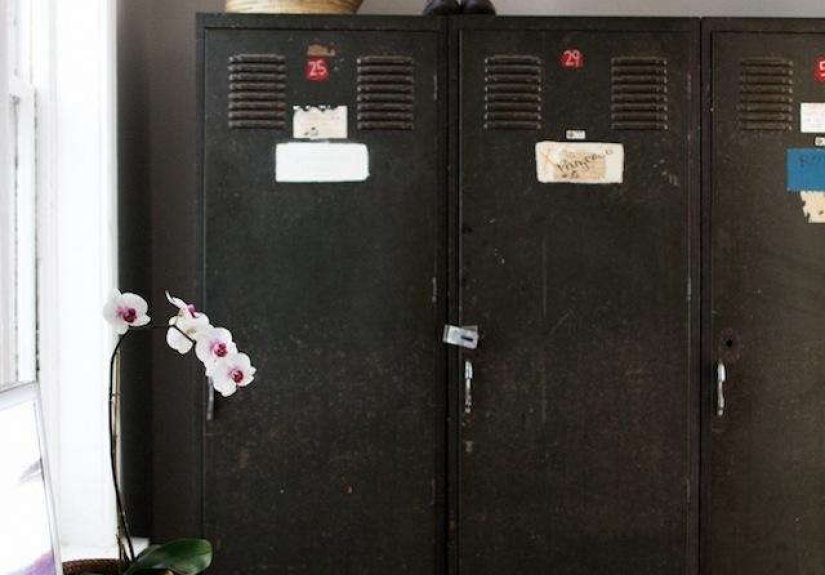
School lockers are the quiet detectives of campus design. They stand in rows, wearing chipped paint, tiny vents, combination locks, stickers, magnets, and the occasional mysterious dent that definitely “was already there.” At first glance, a locker is just a metal box for books, gym clothes, lunch, and the homework folder that somehow vanished between third period and reality. But look closer, and the school locker becomes a design case file packed with clues about safety, student behavior, accessibility, architecture, maintenance, technology, and school culture.
In this design sleuth investigation, we are not simply asking, “Do students still use lockers?” We are asking better questions: Why were lockers placed in hallways in the first place? What makes a good school locker design? Why are some new schools reducing or removing them? And how can a row of steel doors tell us so much about how students move, learn, socialize, and survive the daily backpack jungle?
The answer is more interesting than a forgotten sandwich in Locker 217. School lockers are part storage, part furniture, part identity marker, part traffic-control device, and part nostalgia machine. Whether a school keeps traditional lockers, switches to classroom cubbies, installs athletic lockers, or creates an on-demand locker model, the design decision affects far more than hallway scenery.
What Makes School Lockers a Design Mystery?
School lockers seem simple because their job is simple: hold stuff. But in architecture, the simplest objects often create the most complicated consequences. A locker takes up corridor space, affects hallway width, changes passing-period traffic, creates cleaning challenges, and influences whether students carry heavy backpacks all day.
Traditional school lockers were designed for an era of paper textbooks, notebooks, winter coats, lunch bags, gym uniforms, and very little digital learning. Students needed a personal storage station because the school day involved physical materials. Today, many classrooms use Chromebooks, tablets, digital textbooks, cloud-based assignments, and fewer hardcover books. That shift has changed the storage equation.
Still, the school locker has not disappeared everywhere. In many middle schools and high schools, lockers remain practical. In colder regions, students need somewhere to store coats and boots. Athletes need space for gear. Band students need instrument storage. Students with long school days may need a place for lunch, art supplies, or after-school items. A locker can still be the difference between a manageable day and a backpack that feels like it contains a small refrigerator.
The Evolution of School Lockers
The classic American school hallwaywith long rows of metal lockersbecame a familiar design image because it solved a real logistical problem. As secondary schools grew larger and students began moving from classroom to classroom, storage had to move with the student experience. Lockers turned corridors into personal zones. A student might not own a desk, but they had a small vertical rectangle of territory.
That territory mattered. Lockers became more than storage. They became social landmarks: “Meet me by my locker.” They became tiny galleries decorated with magnets, photos, sports schedules, birthday notes, and questionable attempts at organization. They also became design headaches when poorly placed, poorly ventilated, too small, too far from class routes, or impossible to open under pressure with exactly 47 seconds before the bell.
Modern school design is more flexible. Some schools now prefer learning neighborhoods, open commons, project rooms, and classroom-based storage. Others use fewer lockers but make them larger, smarter, or more strategically located. The design question has shifted from “How many lockers do we need?” to “What kind of storage actually supports this school day?”
Locker Materials: Steel, Plastic, Wood, and Hybrid Designs
Most traditional school lockers are made of steel because steel is durable, cost-effective, and strong enough to survive years of student use, hallway bumps, and the occasional dramatic locker slam. Steel lockers are often powder-coated, which helps protect the surface and provides color options. In high-traffic schools, durability is not a bonus feature; it is survival gear.
Plastic lockers, especially high-density polyethylene models, are often used in wet or humid spaces such as pool areas, athletic facilities, and locker rooms. They resist rust and moisture better than standard metal lockers. That makes them useful where towels, sports equipment, or damp clothing are part of daily life.
Wood lockers and laminate lockers appear in newer or more customized educational spaces. They can create a warmer, less institutional look, especially in private schools, renovated campuses, libraries, arts centers, or athletic suites. However, they require careful attention to finish quality, maintenance, cost, and moisture exposure. A beautiful locker that cannot handle real student life is not a design triumph; it is expensive furniture with trust issues.
Ventilation Is Not Optional
Locker ventilation matters because lockers hold shoes, gym clothes, lunch bags, wet jackets, art supplies, and other items that may bring odors or moisture. Door louvers, perforated panels, and side vents help air circulate. This is especially important in athletic areas, where poor ventilation can make a locker room smell like a science experiment that applied for permanent residency.
Good ventilation also supports broader school indoor-air-quality goals. Schools need materials and systems that help reduce moisture, odors, and pollutant buildup. A locker is a small object, but hundreds of lockers in a hallway or locker room can affect cleaning routines, airflow, and the overall comfort of the space.
Locker Placement: The Secret Language of Hallways
Where lockers are placed can matter as much as what they are made of. A locker located far from a student’s route may become decorative metal wallpaper. If students have only a few minutes between classes, they will not walk to a locker at the opposite end of campus unless they enjoy sprinting with algebra books.
Designers must study student movement. Are lockers near core academic areas? Are they grouped by grade level? Are they placed near entrances for coat storage? Are athletic lockers close to gyms and fields? Are music storage areas near rehearsal rooms? The best locker plan works with the daily rhythm of the school rather than forcing students to solve a maze between bells.
Hallway width is another major consideration. Lockers create stopping points, and stopping points create traffic friction. When students open doors, kneel to grab books, talk to friends, or rummage for a missing calculator, they interrupt movement. A corridor that looks wide on a blueprint may feel crowded when 200 students are moving, chatting, and opening locker doors at the same time.
Security, Visibility, and School Policy
School locker design also intersects with security and supervision. Schools want storage that protects student belongings while supporting safe, orderly movement. This is why many lockers use built-in combination locks, padlock hasps, or electronic locking systems. Some schools prefer open cubbies in younger grades because teachers can supervise belongings more easily. Older students often need more secure storage for technology, sports gear, and personal items.
Visibility matters too. In some athletic spaces, ventilated or mesh-style lockers may be used where staff need easy inspection and airflow. In general academic corridors, solid-door lockers offer privacy and a cleaner visual appearance. The right choice depends on the age group, location, supervision model, and school policy.
A smart locker policy is just as important as smart locker hardware. A school may have excellent lockers, but if passing periods are too short, students will ignore them. If lockers are assigned without considering student schedules, they become inconvenient. If students are not taught how and when to use them, the system fails quietly. Design does not end at installation; it continues through daily use.
Accessibility: Lockers Must Work for More Than the Average Student
Accessible locker design is essential. When lockers are provided, schools must consider students who use wheelchairs, mobility aids, or have limited reach. Accessible storage should include proper reach ranges, usable door hardware, clear floor space, and locations integrated into the same areas as other lockers. Accessibility should never feel like an awkward afterthought placed near the exit with all the charm of a forgotten filing cabinet.
Good inclusive design places accessible lockers within normal locker clusters so students can use storage with dignity and convenience. Handles should be easy to operate. Shelves and hooks should be reachable. Numbering and signage should be clear. The goal is not just technical compliance; the goal is equal everyday usefulness.
The Rise of Lockerless Schools
Some newer schools are moving away from the traditional one-locker-per-student model. This does not mean storage is gone. Instead, storage may shift to classrooms, team areas, learning commons, athletic zones, or on-demand lockers that students request when needed.
Why would a school reduce lockers? Space is one reason. Long locker corridors take up valuable square footage. If a school’s curriculum relies on digital resources, fewer textbooks, and flexible learning spaces, designers may prioritize wider commons, collaboration zones, small-group rooms, or daylight-filled circulation areas over rows of unused lockers.
But lockerless design has trade-offs. Students may carry more throughout the day. Classrooms may become cluttered with backpacks. Teachers may need storage rules. Hallways may become crowded with bags if policies are unclear. Removing lockers can solve one problem while creating three new ones wearing backpack straps.
The best modern approach is not automatically “lockers everywhere” or “lockers nowhere.” It is a storage strategy based on real student needs. A school in Minnesota may need coat and boot storage. A performing arts school may need instrument lockers. A career-tech campus may need equipment storage. A small digital academy may need fewer hallway lockers and more charging stations. Design should follow behavior, not nostalgia.
Color, Branding, and School Identity
Lockers are giant color blocks, which means they strongly influence the mood of a school corridor. A hallway of beige lockers can feel like a waiting room for geometry. A thoughtful color scheme can energize the space, support wayfinding, and reinforce school identity.
Schools often choose locker colors based on mascots, grade zones, building wings, or academic neighborhoods. For example, ninth-grade lockers might use one accent color, while science and arts corridors use another. This helps students navigate large buildings. It also gives the school a more intentional visual personality.
However, color should be used with restraint. Too many bright colors can make a hallway feel chaotic. Durable finishes matter too. A trendy color that chips quickly is not a trend; it is future maintenance with a paintbrush.
Maintenance: The Un-glamorous Hero of Locker Design
Every locker has a maintenance story. Hinges loosen. Locks jam. Doors dent. Labels peel. Dust gathers on tops. Someone leaves a banana in November and discovers biology in February. A school locker system must be easy to clean, repair, repaint, reassign, and inspect.
Maintenance-friendly design includes sloped tops that reduce dust collection, recessed bases that prevent debris buildup, durable door hardware, replaceable number plates, and finishes that tolerate cleaning products. In locker rooms, moisture resistance and drainage become even more important.
Schools should also think about lifecycle cost. A cheaper locker may cost more over time if it dents easily, rusts quickly, or requires constant repair. A well-built locker may look boring on purchase day but become a budget hero after ten years of reliable service.
Technology and the Future of School Lockers
The future school locker may be less about textbooks and more about devices. As laptops, tablets, and digital learning tools become common, schools need secure charging storage. Some lockers now include power access, device compartments, electronic locks, or smart assignment systems.
Electronic lockers can support flexible use. Instead of assigning every student a permanent locker, a school might allow students to check out lockers as needed. This is useful in campuses where not every student needs storage every day. It can also help manage athletic events, testing days, visitor storage, or after-school programs.
Still, technology adds complexity. Electronic locks require power, software, maintenance, user support, and privacy planning. A combination lock may be old-fashioned, but it never needs a firmware update. The best solution depends on budget, staffing, and how students actually use the building.
Design Sleuth Checklist: What to Look for in a Great School Locker System
1. The locker fits the daily schedule
A locker should be close enough to matter. If students cannot reach it between classes, it becomes a vertical museum of poor planning.
2. The size matches the items stored
Books, coats, laptops, sports bags, instruments, and art portfolios all require different storage dimensions. One size does not fit every student life.
3. The material matches the environment
Steel works well in many corridors. Plastic may be better for wet areas. Wood or laminate can elevate appearance in specialty spaces.
4. Ventilation is built in
Vents, louvers, perforations, and airflow matter, especially in athletic and high-use areas.
5. Accessibility is integrated
Accessible lockers should be easy to reach, easy to operate, and placed within regular locker areas.
6. The system supports supervision and safety
Locks, visibility, placement, and policy should work together to create secure storage without turning hallways into bottlenecks.
7. Maintenance is realistic
Schools need lockers that can survive heavy use, cleaning routines, repairs, and years of student creativity.
Common School Locker Design Mistakes
The first mistake is installing too many lockers without studying whether students will use them. A hallway lined with unused lockers is not storage; it is expensive wall texture.
The second mistake is placing lockers where they interrupt movement. If every student stops at the same narrow corridor corner, the design has created a daily traffic jam with backpacks.
The third mistake is ignoring the difference between age groups. Elementary students may need cubbies. Middle school students may need simple lockers and lots of guidance. High school students may need flexible storage, athletic options, and charging solutions.
The fourth mistake is forgetting odors and moisture. Locker ventilation is not glamorous, but neither is a hallway that smells like gym socks auditioning for a horror movie.
The fifth mistake is treating lockers as isolated products rather than part of a building system. Storage affects schedules, classroom clutter, hallway movement, cleaning, safety, accessibility, and student comfort.
Experience Notes: What School Lockers Teach Us in Real Life
Anyone who has used a school locker knows that design becomes personal very quickly. A locker is not just a compartment; it is a tiny headquarters. It holds the day together. In the morning, it swallows the heavy stuff. At lunch, it becomes a supply station. After school, it transforms into a rescue closet for sports gear, forgotten jackets, and the notebook that was absolutely needed for homework.
The best locker experiences usually share one trait: convenience. When a locker is near the student’s natural route, it becomes useful without drama. Students stop by, swap books, grab what they need, and move on. The locker supports the rhythm of the day. Nobody has to sprint across the building like the bell schedule is an Olympic event.
The worst locker experiences usually involve distance, crowding, or bad timing. A locker may be technically available but practically useless if it is too far away. Students learn fast. If using the locker makes them late, they will carry everything instead. That is how backpacks become portable filing cabinets with shoulder straps.
There is also the emotional side. A locker gives students a small space that belongs to them inside a large institution. That matters, especially in middle school and high school, where identity is under construction every day. A decorated locker can be silly, expressive, organized, chaotic, or all four before lunch. Photos, magnets, mini whiteboards, sports ribbons, and birthday notes turn a plain metal door into a personal bulletin board.
Teachers and administrators see lockers differently. They notice whether students crowd around them, whether hallways stay clear, whether doors slam, whether combinations are forgotten, and whether locker areas become social hotspots. A well-designed locker zone can make transitions smoother. A poorly designed one can become a daily knot of noise, delay, and confusion.
Parents often think about lockers when backpacks become too heavy. If a student comes home bent under books, lunch, devices, water bottles, and sports clothes, the locker question becomes practical fast. A good storage system can reduce what students carry and help them organize the day. But that only works if students are allowed and encouraged to use the storage provided.
Designers can learn a lot by watching students for one passing period. Do they stop at lockers or ignore them? Do they gather in clusters? Do doors block traffic? Are students carrying coats all day? Are backpacks piled in classrooms? Are lockers too small for modern supplies? These clues reveal whether the storage system matches real life.
The humble school locker teaches a big design lesson: small details shape daily experience. A hook placed too high, a shelf too shallow, a lock too fussy, or a corridor too narrow can affect hundreds of students every day. Great design does not always announce itself with fancy architecture. Sometimes it quietly helps a student find their science notebook before the bell rings. Honestly, that deserves applause.
Conclusion: The Locker Is Not DeadIt Is Being Redesigned
School lockers are not just leftovers from old hallway movies. They are design tools. When planned well, they support student health, organization, accessibility, safety, school identity, and smoother movement. When planned poorly, they become unused, inconvenient, noisy, or cluttered obstacles.
The future of school lockers will likely be flexible. Some schools will keep traditional corridor lockers. Others will use fewer lockers, shared lockers, classroom storage, athletic lockers, charging lockers, or on-demand systems. The smartest schools will not copy a trend blindly. They will study student behavior, climate, curriculum, building layout, accessibility needs, and maintenance realities.
So the next time you pass a row of school lockers, do not dismiss them as background scenery. They are clues. They reveal what students carry, how schools organize movement, what designers value, and how a building supportsor complicatesthe ordinary school day. The locker may be a metal box, but in the world of school design, it has plenty to say.