Table of Contents >> Show >> Hide
- Why Apples Work So Well in Fall Floral Arrangements
- Best Flowers for a DIY Fall Floral Arrangement With Apples
- Color Palette Ideas for an Apple Floral Centerpiece
- Supplies You Will Need
- How to Prepare Apples for a Floral Arrangement
- Step-by-Step: DIY Fall Floral Arrangement With Apples
- Design Tips for a More Professional Look
- How to Keep Your Apple Flower Arrangement Fresh
- Where to Display a Fall Floral Arrangement With Apples
- Budget-Friendly Ways to Make It Look Expensive
- Common Mistakes to Avoid
- Creative Variations to Try
- Experience Notes: What I Learned Making a DIY Fall Floral Arrangement With Apples
- Conclusion
Fall decorating has a funny way of sneaking up on us. One minute you are peacefully ignoring the summer throw pillows, and the next minute you are standing in the grocery store holding apples, mums, and a questionable amount of cinnamon-scented optimism. The good news? A beautiful DIY fall floral arrangement with apples does not require a florist’s license, a farmhouse the size of a movie set, or an emotional support glue gun.
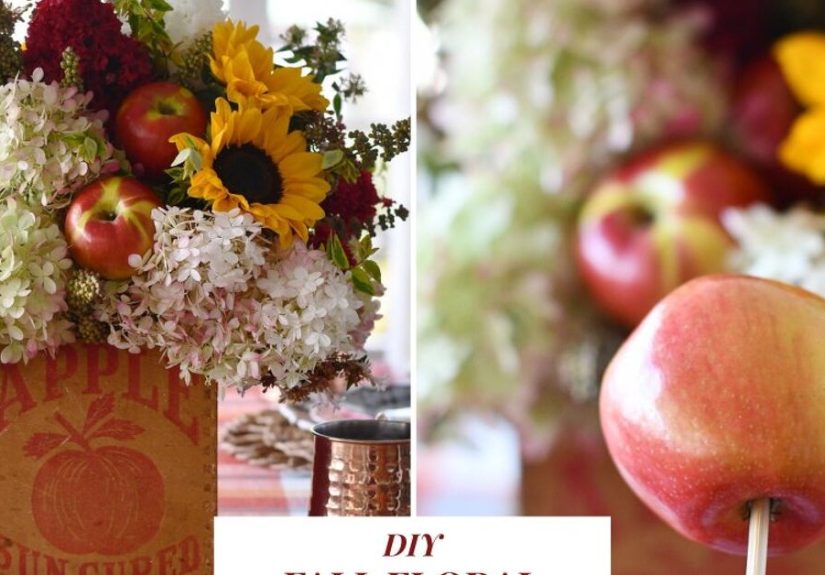
Apples are one of the easiest ways to make a fall flower arrangement feel abundant, colorful, and delightfully harvest-inspired. They add shine, shape, weight, and that “I casually live near an orchard” lookeven if your orchard is technically aisle seven. Paired with seasonal flowers like sunflowers, chrysanthemums, hydrangeas, dahlias, roses, celosia, eucalyptus, berries, and autumn leaves, apples can turn a simple centerpiece into a warm, welcoming focal point for a dining table, entryway, kitchen island, mantel, or Thanksgiving buffet.
This guide walks you through how to make a fall floral centerpiece with apples from start to finish, including flower choices, color palettes, tools, step-by-step instructions, styling ideas, care tips, and practical experience-based advice. The result is a cozy arrangement that looks expensive, smells like fall spirit, and takes less effort than pretending you enjoy raking leaves.
Why Apples Work So Well in Fall Floral Arrangements
Apples bring something to a floral arrangement that flowers alone cannot always provide: visual weight. Their round shape grounds the design, while their glossy skin catches light beautifully. Red apples add warmth and drama, green apples bring freshness and contrast, and yellow or blush apples create a softer harvest look.
In fall decorating, fruit also signals abundance. That is why apples look so natural beside pumpkins, gourds, wheat, branches, berries, and seasonal blooms. They make the centerpiece feel less like a formal bouquet and more like a gathered autumn display. Translation: charming, relaxed, and not overly fussy.
Best Apple Varieties for Decorating
You can use almost any firm apple, but some varieties are especially pretty in arrangements:
- Red Delicious: Deep red color and classic apple shape for traditional fall decor.
- Honeycrisp: Bright red-yellow skin and a fresh orchard look.
- Granny Smith: Crisp green color that pops against orange, burgundy, and cream flowers.
- Gala: Warm red-orange tones that blend beautifully with fall leaves.
- Mini crab apples: Excellent for small arrangements, wreath-style designs, and delicate accents.
Choose apples that are firm, unbruised, and similar in size if you want a polished design. For a rustic arrangement, mix sizes and colors. Fall is forgiving like that. If something looks uneven, call it “organic movement” and continue with confidence.
Best Flowers for a DIY Fall Floral Arrangement With Apples
The best fall flowers are sturdy, colorful, and able to hold their own beside heavier accents like fruit and branches. You do not need rare blooms. Grocery store flowers, farmers market stems, garden cuttings, and foraged foliage can all work beautifully.
Reliable Fall Flower Choices
- Sunflowers: Cheerful, bold, and perfect for a harvest-style centerpiece.
- Chrysanthemums: Long-lasting, affordable, and available in classic fall colors.
- Hydrangeas: Full, lush blooms that create instant volume.
- Dahlias: Elegant seasonal flowers with dramatic shape and rich color.
- Roses: Great for softening rustic arrangements and adding romance.
- Celosia: Velvety texture in flame-like fall shades.
- Marigolds: Bright, budget-friendly, and wonderfully autumnal.
- Alstroemeria: Durable filler flowers that add movement and color.
Foliage and Fillers That Make It Look Professional
Foliage is the secret sauce of floral design. Without it, flowers can look like they are standing in a vase waiting for further instructions. Add greenery and textured fillers to create depth.
- Eucalyptus
- Seeded eucalyptus
- Magnolia leaves
- Oak leaves
- Maple leaves
- Rose hips
- Hypericum berries
- Wheat stalks
- Dried grasses
- Curly willow branches
For the most natural fall flower arrangement with apples, combine fresh flowers with one or two dried elements. Dried wheat, grasses, and seed pods add texture without competing with the flowers.
Color Palette Ideas for an Apple Floral Centerpiece
A strong color palette makes a DIY arrangement look intentional instead of “I panicked in the floral department.” Use your apples as the starting point.
Classic Harvest Palette
Use red apples, orange mums, yellow sunflowers, burgundy dahlias, and golden leaves. This is the cozy, Thanksgiving-ready look that says, “Yes, I own a gravy boat.”
Modern Green and White Palette
Use Granny Smith apples with white roses, cream mums, green hydrangeas, eucalyptus, and pale grasses. This style feels fresh, modern, and slightly more elegant.
Moody Autumn Palette
Pair dark red apples with burgundy dahlias, plum chrysanthemums, rust roses, chocolate cosmos, and copper-toned foliage. This arrangement looks beautiful for dinner parties, fall weddings, or anyone who believes autumn should come with dramatic lighting.
Soft Cottage Palette
Use blush apples, peach roses, cream dahlias, dusty pink mums, and faded hydrangeas. This style is romantic, gentle, and ideal for a farmhouse table or vintage container.
Supplies You Will Need
Before you start arranging, gather your supplies. This keeps you from wandering around with wet stems in one hand and an apple in the other, which is not a crime but does feel like a craft emergency.
- Fresh apples or mini apples
- Seasonal flowers
- Greenery and filler stems
- Low bowl, compote vase, basket, wooden box, or ceramic container
- Floral foam or a flower frog
- Waterproof liner if using a basket or wooden box
- Wooden skewers, floral picks, or sturdy toothpicks
- Floral shears or sharp scissors
- Floral tape, if needed
- Flower food
- Clean towel
If you want a more eco-friendly design, use a reusable flower frog, chicken wire, or a taped grid instead of floral foam. Floral foam is convenient, especially for beginners, but many decorators prefer reusable mechanics when possible.
How to Prepare Apples for a Floral Arrangement
Start by washing the apples under cool running water and drying them thoroughly. Avoid using soap or household cleaners on produce. Even if the apples are decorative, clean fruit is better to handle and looks fresher on the table.
Next, decide how you want to use the apples. There are three easy methods:
Method 1: Nestle Whole Apples Around the Base
This is the simplest option. Place whole apples inside a low basket, bowl, or around the base of a vase. The apples ground the display and add color without needing skewers. This is also the best method if you want to eat the apples later.
Method 2: Skewer Apples Into the Arrangement
For a more integrated floral design, insert one or two wooden skewers into the bottom of each apple, then place the skewered apples into floral foam or between stems. Two picks help prevent spinning, especially with larger apples. Nobody wants a centerpiece apple slowly rotating like it is auditioning for a talent show.
Method 3: Use Mini Apples as Accents
Mini apples or crab apples can be tucked into small spaces like floral ornaments. Use toothpicks or short floral picks and cluster them in groups of three for a natural look.
Step-by-Step: DIY Fall Floral Arrangement With Apples
This tutorial creates a medium-size centerpiece suitable for a dining table, kitchen island, entry console, or Thanksgiving table.
Step 1: Choose the Right Container
A low, wide container works best for a table centerpiece because guests can see over it. Try a ceramic bowl, compote vase, wooden box, copper vessel, vintage casserole dish, or lined basket. If your container is not waterproof, place a plastic liner or smaller watertight dish inside.
Step 2: Add Floral Mechanics
If using floral foam, soak it in water mixed with flower food according to the package directions. Let the foam absorb water naturally instead of pushing it under. Place it securely in the container. If using chicken wire or a flower frog, secure it inside the vessel and add clean water.
Step 3: Create a Greenery Base
Start with greenery. Insert stems at different angles to create the shape of the arrangement. Let some foliage spill over the edge for a relaxed, garden-style look. Keep the shape wider than it is tall if the centerpiece will sit on a dining table.
Step 4: Add the Apples
Place apples early in the design so the flowers can be arranged around them. Use three to five apples for a medium centerpiece. Odd numbers usually look more natural. Put larger apples lower in the arrangement and smaller ones higher or toward the edges.
Step 5: Place Your Focal Flowers
Add the largest flowers next. Sunflowers, hydrangeas, dahlias, or large mums work well as focal blooms. Place them at varying heights rather than lining them up like a floral marching band. Turn the container as you work so the arrangement looks good from every angle.
Step 6: Add Secondary Flowers
Now fill in with roses, smaller mums, alstroemeria, marigolds, or celosia. Use these flowers to connect the apples and larger blooms. Repeat colors around the arrangement so the design feels balanced.
Step 7: Tuck in Fillers and Texture
Add berries, wheat, seed pods, dried grasses, or autumn leaves. These finishing touches make the arrangement feel layered and seasonal. Keep some airy pieces taller than the flowers for movement, but avoid going so tall that the centerpiece becomes a leafy wall between dinner guests.
Step 8: Check the Shape
Step back and look at the arrangement from multiple angles. Fill holes, trim awkward stems, and adjust any apples that look too heavy on one side. A good fall floral centerpiece should feel abundant but not overcrowded.
Step 9: Add Water and Clean the Container
Top off the water and wipe the container dry. Remove stray leaves, petals, and apple stickers. Yes, the tiny sticker will absolutely show up in photos if you forget it. It has that kind of personality.
Design Tips for a More Professional Look
Use Repetition
Repeat colors, shapes, and textures throughout the arrangement. If you use red apples, echo that red with berries, roses, or burgundy mums. If you use green apples, repeat green with hydrangeas, eucalyptus, or foliage.
Vary the Heights
A beautiful centerpiece has layers. Place apples low, flowers at middle height, and branches or grasses slightly higher. This creates a natural harvest effect and keeps the eye moving.
Cluster Instead of Sprinkling
Small items look more intentional when grouped. Instead of scattering mini apples everywhere, cluster them in twos or threes. The same rule works for berries, marigolds, and small mums.
Let It Be a Little Imperfect
Fall arrangements look best when they have personality. A leaning branch, a trailing vine, or a slightly wild hydrangea can make the whole centerpiece feel more natural. Do not over-correct every stem. Nature is not symmetrical, and frankly, neither is most of my gift wrapping.
How to Keep Your Apple Flower Arrangement Fresh
Fresh flowers last longer when they start with clean tools, clean water, and freshly cut stems. Remove any leaves that will sit below the waterline because submerged leaves encourage bacteria. Cut stems at an angle before arranging so they can drink more easily.
Keep the arrangement away from direct sunlight, heating vents, fireplaces, and very warm rooms. Heat speeds up wilting. Refresh the water regularly, especially if you are using a vase, flower frog, or chicken wire. If you are using floral foam, check it daily and add water as needed so the foam stays moist.
One important note: apples naturally release ethylene gas as they ripen, and ethylene can shorten the life of some cut flowers. Since apples are part of this arrangement, the best strategy is to use firm, fresh apples, keep the centerpiece cool, and avoid adding extra ripening fruit nearby. In other words, do not park your centerpiece beside a banana bunch having a midlife crisis.
Where to Display a Fall Floral Arrangement With Apples
This DIY fall centerpiece works in more places than the dining table. Try it in any area that needs a seasonal lift.
Dining Table
Use a low container so guests can talk across the table. Add taper candles, linen napkins, and small pumpkins for a finished autumn tablescape.
Kitchen Island
A round arrangement looks wonderful on a kitchen island. Pair it with a wooden cutting board, a stack of plates, or a bowl of extra apples.
Entryway Table
Place the arrangement near the front door for an instant welcome. It makes the whole house feel decorated, even if the laundry room is telling a different story.
Mantel
For a mantel, use a long, low vessel or place small apple-and-flower clusters across the length of the mantel. Keep fresh flowers away from active heat sources.
Thanksgiving Buffet
A fruit-and-flower arrangement looks especially festive on a buffet. Just keep it away from hot dishes and make sure it does not crowd the food. The turkey deserves elbow room.
Budget-Friendly Ways to Make It Look Expensive
You do not need a luxury floral budget to create a beautiful fall apple centerpiece. Start with supermarket flowers and upgrade them with seasonal extras. A basic bunch of mums or roses looks far more special when paired with apples, eucalyptus, branches, and textured fillers.
Use garden clippings if you have them. Hydrangeas, herbs, ornamental grasses, colorful leaves, and seed heads can all add charm. Rosemary, sage, and bay leaves also bring a subtle fragrance and a lovely harvest-table feeling.
Choose one “star” flower and let everything else support it. For example, buy a small bunch of dahlias, then fill in with affordable mums, greenery, and apples. This gives the arrangement a high-end focal point without requiring a cart full of premium stems.
Common Mistakes to Avoid
Using Bruised Apples
Bruised apples soften quickly and can make the arrangement look tired. Save those for applesauce and choose firm fruit for decorating.
Making the Arrangement Too Tall
If the centerpiece is for a dining table, keep it low enough for conversation. Guests should not have to play peekaboo through the sunflowers.
Forgetting to Hydrate Floral Foam
Dry floral foam is a flower tragedy in brick form. Soak it properly and check it daily.
Using Too Many Colors
Fall offers many tempting colors, but too many can look chaotic. Choose three main tones and repeat them throughout the design.
Ignoring Pet Safety
Some popular flowers and plants can be unsafe for pets. If you have cats or dogs, research your flower choices before bringing them home, especially lilies, certain chrysanthemums, tulips, and other potentially toxic plants. Keep arrangements out of reach of curious pets who believe every centerpiece is a salad bar.
Creative Variations to Try
Apple Basket Centerpiece
Line a small basket, place floral foam or a vase inside, and surround the flowers with apples. This creates a charming farmers market look.
Green Apple and White Rose Arrangement
Use Granny Smith apples, white roses, green hydrangeas, and eucalyptus for a crisp, elegant centerpiece that works well in modern homes.
Rustic Thanksgiving Apple Centerpiece
Combine red apples, sunflowers, burgundy mums, wheat, oak leaves, and mini pumpkins in a wooden box. It is cozy, festive, and practically begs for mashed potatoes nearby.
Mini Apple Place Settings
Use small apples as individual place card holders. Tie a name tag to each stem with twine, then match the apples to the main floral arrangement.
Apple Candle Floral Tray
Arrange apples, small vases of flowers, candles, and greenery on a tray. This is a great option if you want something flexible and easy to move.
Experience Notes: What I Learned Making a DIY Fall Floral Arrangement With Apples
The first thing I learned while making a DIY fall floral arrangement with apples is that apples are heavier than they look. This sounds obvious until you are trying to balance a bright red apple on one wooden skewer and it slowly tilts forward like it has received disappointing news. Two picks are better than one, especially for full-size apples. Insert them at a slight angle into the bottom of the apple, then push both into the foam or floral grid. The apple stays steadier, and you spend less time negotiating with fruit.
The second lesson is that the container matters more than expected. A tall vase can work for flowers, but apples look best when they have somewhere to sit visually. Low bowls, wooden boxes, baskets, and compote dishes create a stronger harvest feeling. When I used a shallow ceramic bowl, the apples looked intentional and grounded. When I tried a narrow vase, the whole thing looked like the flowers had invited apples to a meeting where nobody explained the agenda.
Another helpful discovery is that grocery store flowers can absolutely look designer-level if you separate them by type before arranging. Instead of dropping a mixed bouquet straight into the container, lay everything out on the counter. Put focal flowers in one pile, filler flowers in another, greenery in another, and texture pieces in another. This one step makes the process calmer and helps you see what you actually have. It also prevents the classic beginner mistake of using all the exciting flowers in the first thirty seconds and then realizing one side of the arrangement is basically stems and hope.
I also found that green apples are surprisingly versatile. Red apples feel traditional and cozy, but green apples add brightness. They look especially good with white roses, cream mums, eucalyptus, and faded hydrangeas. If your home decor leans neutral, green apples may be the secret ingredient. They bring fall energy without turning the table into a pumpkin-spice parade.
For a more dramatic centerpiece, dark red apples are beautiful with burgundy dahlias, rust mums, copper leaves, and plum-colored accents. The arrangement feels rich and moody, almost like autumn put on velvet. This look works particularly well for dinner parties because candlelight makes the apple skins shine.
One practical tip: finish the arrangement at least an hour before guests arrive. Freshly arranged flowers sometimes need a little time to relax into position. Hydrangeas may shift, leaves may open, and a few stems may reveal gaps you did not notice at first. Give yourself time for small edits. Add one more sprig of greenery here, tuck a berry stem there, and remove anything that looks forced.
I also recommend photographing the arrangement from above and from table height. Photos reveal awkward holes faster than the naked eye. If one side looks too heavy, balance it with a small apple, a cluster of mums, or a branch. If the arrangement looks too round, add a few trailing pieces to create movement.
Finally, do not aim for perfection. The best fall apple floral arrangements feel gathered, generous, and personal. Maybe one apple has a tiny freckle. Maybe a leaf curls in a dramatic direction. Maybe the sunflower refuses to face the exact way you planned. That is part of the charm. A fall centerpiece should feel like the season itself: colorful, abundant, a little wild, and best enjoyed with something warm in your mug.
Conclusion
A DIY fall floral arrangement with apples is one of the easiest ways to bring seasonal beauty into your home. Apples add color, texture, shine, and harvest charm, while fall flowers create softness and movement. Whether you prefer bold sunflowers and red apples, elegant roses and green apples, or rustic mums with branches and berries, this project is flexible enough for beginners and beautiful enough for special occasions.
The key is to start with a strong container, use fresh flowers, secure the apples properly, and build the arrangement in layers. Add greenery first, then apples, focal flowers, secondary blooms, and textured accents. Keep the design low for a dining table, refresh the water regularly, and display it away from heat and direct sunlight.
Best of all, this centerpiece does not need to be perfect. Fall decorating is about warmth, welcome, and a little bit of creative abundance. If your arrangement makes the table feel cozy and makes you smile when you walk by, congratulations: you have officially won autumn.
![18 Best Types of Charts and Graphs for Data Visualization [+ How to Choose]](https://corkopencoffee.org/wp-content/uploads/2026/05/18-best-types-of-charts-and-graphs-for-data-visualization-how-to-choose-qKM1PBYG-thumb.jpg)