Table of Contents >> Show >> Hide
DIY home decor has a special kind of magic. It lets you turn a bland room into a space with personality, save money while you’re at it, and enjoy the deeply satisfying feeling of saying, “Thanks, I made that,” when someone compliments your home. That last part is important. It is the adult version of bringing a gold-star craft home from school, except now the craft might be a custom gallery wall, a thrifted dresser makeover, or a lamp that no longer looks like it came free with your lease.
The best part is that modern DIY home decor is not just about glue guns and hopeful chaos. Today’s smartest projects blend style, function, and budget in ways that make a real difference. A painted accent wall can change the mood of a room in one afternoon. New hardware can make old furniture feel custom. A few layered textures, meaningful art pieces, and creative storage tricks can make even a small apartment feel polished and personal.
If you want your home to feel more like you and less like a furniture showroom with commitment issues, this guide will walk you through the best DIY home decor ideas, practical design strategies, common mistakes to avoid, and room-by-room inspiration you can actually use.
Why DIY Home Decor Still Works So Well
There is a reason DIY decorating never really goes out of style. It gives you control. Instead of waiting for the “perfect” item to show up online, you can create a version that suits your space, taste, and budget. That matters because most homes are not staged magazine sets. They are living, working, snack-eating places that need beauty and function at the same time.
DIY home decor also makes it easier to personalize a room without spending a fortune. A store-bought object can be lovely, but a handmade one tells a story. Maybe it came from a flea-market frame you refinished on a Saturday. Maybe it started as leftover wood from another project. Maybe it was a plain mirror until you gave it texture, trim, or a dramatic new finish. Suddenly, decor is no longer generic. It has a backstory.
Another big reason DIY works is flexibility. Not every project needs power tools and a pep talk. Some of the best home decorating ideas are simple: swapping lampshades, framing fabric, painting doors, styling open shelves, or creating a gallery wall that mixes art with personal mementos. Small projects can create big visual impact, especially when they support an overall look.
The Core Principles of Great DIY Home Decor
1. Start with Function, Then Add Flair
A pretty project that solves no problem usually ends up as decorative clutter with a good personality. Start by asking what the room needs. More storage? Better lighting? A focal point? Softer texture? When your DIY project answers a practical need, it is more likely to improve the room long term.
2. Use Texture Like a Designer
Texture is one of the easiest ways to make a home feel layered and expensive. Think wood, woven baskets, linen, ceramic, glass, metal, and natural fibers. A room full of flat surfaces can feel cold, even if the color palette is nice. DIY shelves in stained wood, fabric-covered frames, handmade pillows, and plaster-look finishes add warmth fast.
3. Keep a Cohesive Color Story
You do not need every item to match, but your room should feel like its pieces know each other. Choose two or three core colors and repeat them in different ways. For example, a living room with soft cream walls, warm wood, olive accents, and black metal details feels intentional. A room with teal, coral, neon yellow, random gray, and one mysterious purple vase feels like a decorating group chat with no moderator.
4. Mix Personal Pieces with Classic Shapes
DIY home decor looks best when it balances creativity with restraint. A bold painted cabinet, handmade art, or custom headboard can shine even more when surrounded by classic furniture lines and simple styling. Not every surface needs to audition for attention.
Best DIY Home Decor Ideas to Try
Create a Personal Gallery Wall
A gallery wall remains one of the easiest ways to add personality to a room. The modern version feels less rigid and more meaningful. Mix framed prints with family photos, postcards, textile scraps, handwritten recipes, or black-and-white sketches. Keep the frames consistent if you want a clean look, or mix finishes for a more collected feel.
This works especially well in hallways, above sofas, and around staircases. Before you hang anything, lay the arrangement out on the floor. That small step can save you from turning your wall into Swiss cheese.
Upgrade a Plain Wall with Paint or Paneling
An accent wall is still one of the strongest budget-friendly decor moves around, but today’s versions are more refined. Instead of one random bright wall, consider warm earthy paint, color drenching a small room, or adding simple trim or board-and-batten detail. Painted arches behind a desk or bed also work well for renters and beginners because they create a focal point without major construction.
If you are feeling ambitious, faux paneling, beadboard, or peel-and-stick treatments can add character to builder-grade rooms. These projects are especially useful in entryways, powder rooms, and bedrooms that need a little architectural drama.
Give Furniture a Second Life
Never underestimate the power of a furniture makeover. A thrifted dresser can become a statement piece with paint, stain, wallpaper inserts, or updated knobs. Side tables can be refreshed with a limewash look, a darker wood tone, or a new top. Dining chairs can be re-covered in fresh fabric for a surprisingly custom result.
Furniture DIY projects work because they combine sustainability with style. Instead of buying something disposable, you can turn an overlooked piece into one that feels unique. Plus, it is deeply satisfying to rescue something ugly. It is basically a makeover show, but for end tables.
Make Your Lighting Look More Expensive
Lighting changes everything. A room with poor lighting can look unfinished no matter how nice the furniture is. Easy DIY upgrades include painting a lamp base, covering a lampshade in pleated or patterned fabric, adding sconces with plug-in options, or swapping a dated fixture for something more sculptural.
If you want a cozy, layered feel, use at least three sources of light in a room: overhead, task, and ambient. Table lamps, floor lamps, and wall lights help create depth that one ceiling fixture alone cannot deliver.
Build Faux Custom Storage
One of the smartest DIY home decor moves is creating storage that looks built-in. Stock cabinets, bookshelves, or modular units can be elevated with trim, paint, and hardware to mimic a custom piece. This approach works beautifully in living rooms, home offices, dining nooks, and bedrooms.
For example, adding trim to a basic cabinet wall can create the appearance of bespoke built-ins without the bespoke price tag. In small spaces, this is a game changer because storage becomes part of the design rather than an afterthought.
Use Textiles as Decor
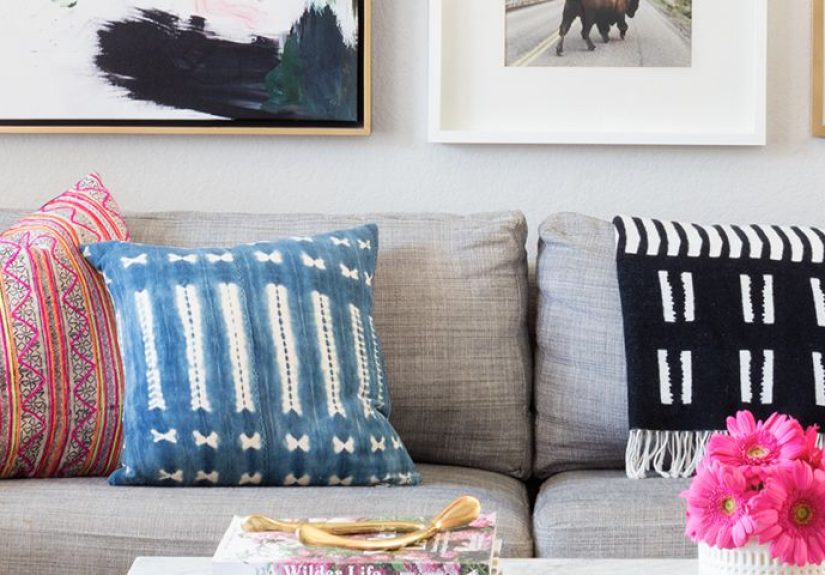
Fabric has enormous decorating power. You can use it for no-sew pillows, table runners, wall hangings, framed panels, curtain upgrades, or even drawer liners. If a room feels flat, textiles are often the missing ingredient. They soften hard lines and make a space feel lived in.
Vintage scarves, tea towels, block prints, and patterned remnants can all become decor with a little creativity. Framing fabric is especially effective because it adds color and texture without requiring advanced skills.
Style with Natural and Handmade Materials
DIY home decor feels more timeless when you incorporate natural materials. Wood trays, woven baskets, clay pots, ceramic vases, stone-look finishes, and linen accents add warmth and character. Handmade objects often bring slight imperfections, and those imperfections are part of the charm. They make a room feel human instead of overproduced.
Even seasonal decorating works best this way. A wreath made from natural branches, a bowl of pinecones, or a handmade centerpiece often feels richer than something overly themed or shiny enough to be seen from space.
Room-by-Room DIY Decorating Ideas
Living Room
Start with the biggest visual opportunities: the wall above the sofa, the coffee table, and the lighting. Try a gallery wall, a painted bookshelf backdrop, a DIY console table style refresh, or custom pillow covers. Layer rugs if the room feels too sparse, and mix in baskets for storage that does not scream “I am hiding all your remote controls.”
Bedroom
Bedrooms benefit from soft, calming projects. Consider a painted headboard effect, bedside table makeover, wall molding behind the bed, or DIY art in relaxed tones. Add better lamps and upgraded curtains to make the room feel finished. Bedrooms should whisper “restful retreat,” not “temporary holding area for unfolded laundry.”
Kitchen
In kitchens, small changes go far. Paint lower cabinets, change hardware, add a DIY tile-look backsplash, style open shelving, or create a coffee station with framed art and a tray. Even a thrifted stool makeover or a fabric Roman shade can bring charm into a very practical space.
Bathroom
Bathrooms are ideal for compact DIY wins. Frame the mirror, paint the vanity, add shelf styling with baskets and apothecary jars, or install removable wallpaper in a powder room. Because bathrooms are small, even one project can make the whole space feel upgraded.
Entryway
An entryway sets the tone for the rest of the home. Add hooks on a painted board, a narrow bench with baskets underneath, a mirror with a custom frame, or a small wall treatment. This space should work hard and look good doing it.
Common DIY Home Decor Mistakes to Avoid
The first mistake is choosing a project that is too advanced for your time, tools, or patience level. Ambition is wonderful. So is finishing. Pick a project that fits your current skill set, then level up from there.
The second mistake is ignoring scale. Tiny art over a large sofa looks timid. An oversized decor piece in a narrow hallway looks like it took a wrong turn. Always measure before you commit.
Third, do not overload a room with trends. Curved mirror, checkerboard vase, mushroom lamp, boucle stool, scalloped tray, and rattan flamingo? That is not a room. That is a trend traffic jam. Choose a few ideas you genuinely love and build around them.
Finally, remember that DIY does not have to mean homemade-looking. Prep matters. Sand before painting. Use proper adhesive. Test colors in the room’s actual lighting. Let coats dry. Rushing is how good ideas become cautionary tales.
What Real DIY Home Decor Experience Teaches You
After enough projects, you learn that DIY home decor is not just about making things. It is about learning how a home feels when it reflects your decisions instead of default choices. The first time you repaint a piece of furniture and put it back in the room, you notice something surprising: the room starts to feel more finished, but also more personal. It no longer looks like a place you moved into. It looks like a place you shaped.
You also learn that perfection is wildly overrated. Some of the most charming DIY projects have tiny flaws. A slightly uneven brushstroke on a handmade frame, a vase with a bit of texture, or shelves that feel rustic instead of machine-perfect often add more warmth than something factory-made. Those details give a room character. They remind you that real homes are meant to be lived in, not judged by a panel of imaginary design critics standing in your kitchen.
Another common experience is realizing how much confidence comes from small wins. A simple project like changing hardware, painting a lamp, or making your own art can make bigger projects feel possible. Once you see that you can improve a room with your own hands, your mindset changes. You stop waiting for a giant budget or a magical future moment when your home will finally look “done.” You start improving it in layers, one project at a time.
DIY home decor also teaches patience. Paint needs time to cure. Layouts need testing. Sometimes the first idea is not the best idea, and that is fine. A room often looks better after editing. You may try one pillow combination, hate it, swap in a woven throw, move the lamp, and suddenly everything clicks. The process is rarely instant, but that is part of what makes the result feel earned.
There is also a practical side to the experience. You begin to notice quality differently. You learn which thrifted pieces have good bones. You understand that solid wood is worth saving. You see how trim can elevate a plain cabinet, how fabric softens a hard room, and how lighting changes everything. You become more thoughtful about what enters your space, which often means buying less and creating more intentionally.
Perhaps the best lesson is that DIY decorating creates connection. A handmade gallery wall can hold family photos, travel memories, children’s artwork, or old letters. A refinished table can become the place where everyone gathers. A painted entryway bench can greet you after long days and busy weekends. These are not just projects. They become part of the daily experience of home.
And yes, there will be moments of chaos. You will probably get paint somewhere suspicious. You may start a “quick weekend project” that develops a surprising personality and refuses to end on schedule. But even that becomes part of the story. DIY home decor is rarely about flawless execution. It is about creating spaces that feel warm, useful, and unmistakably yours. In the end, that is what good decorating is really about.
Conclusion
DIY home decor is one of the most practical and creative ways to transform your space. It helps you personalize your home, stretch your budget, and create rooms that feel layered, functional, and welcoming. Whether you start with a painted wall, a furniture makeover, better lighting, or a more personal gallery wall, the goal is not to copy someone else’s house. It is to make your own home feel more intentional, comfortable, and alive.
Start small, focus on projects that solve a real need, and let your style develop over time. The best DIY decorating ideas are not necessarily the biggest or trendiest. They are the ones that make you happy every time you walk into the room. That, more than anything, is what turns decor into home.