Table of Contents >> Show >> Hide
- Why January 6 Matters (Spoiler: Christmas Isn’t Just One Day)
- Twelfth Night vs. January 6: Which One Is the “Deadline”?
- The Tradition Behind “Don’t Take It Down Early” (And the Fun Folklore, Too)
- January 6 Isn’t Just ReligiousIt’s Cultural, Too
- Practical Reasons to Keep the Tree Up a Little Longer
- When You Should NOT Wait Until January 6
- A “Tradition-Plus-Safety” Timeline That Actually Makes Sense
- If You Want to Keep the Vibe Without Keeping the Whole Tree
- How to Make January 6 a Fun “Season Finale”
- Bottom Line: January 6 Is a Date With History (And a Little Sparkle)
- Experiences: What Keeping the Tree Until January 6 Feels Like in Real Life
Generated with GPT-5.2 Thinking
If your Christmas tree could talk, it would probably file a formal complaint around December 26:
“Excuse me, I was hired for a season, not a 24-hour cameo.” And honestly? The tree has a point.
In many households, the holiday spirit gets speed-run the moment the last cookie is eaten and the last
gift bag is flattened like an accordion.
But tradition (and a surprising amount of history) says your tree deserves to stick around until
January 6. Not because it’s clingy. Because that date has long been a meaningful “finish line”
for the Christmas seasonreligiously, culturally, and yes, even superstitiously.
So if you’ve ever wondered why some people keep the tree glowing into early January, you’re in the right
living room. Let’s talk about Epiphany, Twelfth Night, the real meaning of the
12 days of Christmas, and how to keep your home festive without turning your tree into a crispy
fire hazard.
Why January 6 Matters (Spoiler: Christmas Isn’t Just One Day)
In a lot of American pop culture, Christmas is treated like it ends the second December 25 ends. But in
many Christian traditions, Christmas is a seasonand seasons have finales.
January 6 is the traditional date of Epiphany, also known as
Three Kings Day, celebrating the visit of the Magi to the infant Jesus (and, in some traditions,
other key moments connected to Jesus’ early life).
The “12 Days of Christmas” Actually Start on December 25
Here’s the twist that surprises a lot of people: the “12 days of Christmas” aren’t the days leading up
to Christmasthey’re the days after it. The count traditionally begins on December 25
and runs through January 5 (often called Twelfth Night), with
January 6 as Epiphany.
That means taking down the tree on December 26 is a little like leaving a movie right after the opening
credits. You’re allowed to do it, but the plot is literally still unfolding.
But WaitIsn’t Epiphany Sometimes Celebrated on a Sunday in the U.S.?
Yes. In many U.S. Catholic dioceses, the celebration of Epiphany is transferred to a Sunday between
January 2 and January 8. So depending on where you live and what you observe, your “official”
Epiphany celebration may land on a nearby Sunday rather than January 6.
Still, January 6 remains the traditional dateand the cultural shorthandfor “the Christmas
season has officially had its curtain call.”
Twelfth Night vs. January 6: Which One Is the “Deadline”?
If you’ve heard two different “final” datesJanuary 5 and January 6you’re not imagining it.
Twelfth Night is commonly associated with the evening of January 5 (the twelfth day),
while January 6 is Epiphany itself. Some families take decorations down on Twelfth Night; others do it on
Epiphany day.
Translation: you’ve got a 48-hour window for a dignified tree farewell. No rushing. No guilt.
And definitely no wrestling the tree stand while you’re still half-asleep.
The Tradition Behind “Don’t Take It Down Early” (And the Fun Folklore, Too)
In many places, taking down decorations before Epiphany is seen as skipping the end of the season.
But the bigger buzz is usually about the superstition: some traditions claim it’s bad luck to take
decorations down too earlyor to leave them up too late.
Folklore varies by region, but the theme is consistent: decorations are not just décor. They’re seasonal
symbols. And seasonal symbols have rules… or at least strong opinions.
So… Is It “Bad Luck” If You Take Your Tree Down Before January 6?
Plenty of people will tell you yes, with the kind of confidence usually reserved for “I can absolutely
taste the difference between two brands of bottled water.” In some storytelling traditions, greenery was
tied to ideas about nature, harvests, and the returning light, so the timing of removing it mattered.
Modern lifestyle sources often frame it as a playful superstition: taking the tree down before Epiphany
may “invite” bad luck, while leaving it up too long might do the same. Whether you believe it is totally
up to youbut if your aunt says it’s unlucky, just smile and offer her a cookie.
January 6 Isn’t Just ReligiousIt’s Cultural, Too
Even if you don’t observe Epiphany as a religious holiday, January 6 shows up across cultures as a
meaningful holiday moment. In many Hispanic and Latin American communities (including throughout the U.S.),
Día de los Reyes (Three Kings Day) is a big dealoften featuring family gatherings,
parades, gift-giving traditions, and special foods.
The Sweet Bread With a Surprise (Hello, Rosca de Reyes)
A beloved tradition in many families is Rosca de Reyes, a ring-shaped sweet bread that
often includes a hidden figurine. Whoever finds it may be “volunteered” (with love) to host a later gathering,
often around Candlemas in early February. If that sounds like a sneaky holiday extensionyes. Yes, it is.
And it’s kind of brilliant.
Bonus Fun Fact: In Some Places, Early January Kicks Off Another Season
In parts of the U.S., January 6 is also connected to the start of Mardi Gras season
(especially in places with strong Carnival traditions). So if your tree is still up on January 6,
you’re not “late.” You’re just… transitioning into the next festive phase.
Practical Reasons to Keep the Tree Up a Little Longer
Not every reason has to be ancient or ceremonial. Some of the best arguments for keeping your tree up
until January 6 are delightfully modern:
- It’s dark in early January. Twinkle lights are basically emotional support lighting.
- Your house looks cozy. Winter is long. Your tree is doing morale work.
- You paid for this joy. If you spent time (and money) decorating, you deserve more than one week of glory.
- It creates a gentler “re-entry.” Keeping a little holiday warmth around can make the post-holiday slump feel less abrupt.
Also, if you’re the kind of person who enjoys a clean “seasonal wrap-up,” January 6 is a satisfying target:
far enough from Christmas to feel complete, close enough to New Year’s to feel fresh.
When You Should NOT Wait Until January 6
Okayreal talk. Tradition is lovely, but safety comes first, especially with a real tree.
A dry tree can become a fire risk. Many fire-safety experts advise getting rid of the tree after Christmas
or when it becomes dry, and not keeping a real tree indoors indefinitely.
How to Tell if Your Real Tree Is Past Its Prime
- Needles are brittle and drop easily when you touch the branches.
- The tree stops drinking water (or drinks very little).
- Branches droop and won’t support ornaments.
- You’re finding needles in places that needles should never be (like your sock drawer).
Simple Safety Tips If You’re Keeping a Real Tree Up Through January 6
- Water it daily. A hydrated tree is safer than a dry one.
- Keep it away from heat sources like radiators, fireplaces, and heating vents.
- Use safe lights (and don’t overload outlets).
- Turn lights off when you’re asleep or out.
- Take it down sooner if it’s drying outtradition does not require a crispy tree.
A “Tradition-Plus-Safety” Timeline That Actually Makes Sense
If you want to honor the January 6 tradition without ignoring reality, here’s a practical way to think about it:
Scenario 1: You Put Up a Real Tree Right After Thanksgiving
That tree may be approaching (or past) a typical freshness window by early January, even with good care.
In this case, it’s perfectly reasonable to take it down earlier and keep the spirit alive another way
(wreath, garland, lights, or an artificial tree).
Scenario 2: You Bought a Real Tree Mid-December
Keeping it up through January 6 is usually more realisticif it stays hydrated and away from heat.
Monitor it and be ready to retire it early if it dries out.
Scenario 3: You Have an Artificial Tree
You can enjoy the January 6 tradition with fewer safety worries (still follow basic electrical safety, of course).
This is where “keep it up until Epiphany” is easiest to pull offno crunchy needles, no watering schedule,
no panic-vacuuming.
If You Want to Keep the Vibe Without Keeping the Whole Tree
Some people love the January 6 idea but don’t want full-on holiday mode lingering into the new year.
Here are a few “half-step” options that feel festive without feeling like you forgot what month it is:
- Undecorate gradually: remove the most “Christmas-y” ornaments first, keep lights and neutral décor for a week.
- Switch the theme: trade red-and-green for winter whites, metallics, pinecones, and ribbon.
- Keep the glow: move string lights to a mantle, bookshelf, or window once the tree comes down.
- Greenery stays, Santa goes: keep wreaths and garlands, retire anything that looks like it’s auditioning for the North Pole.
How to Make January 6 a Fun “Season Finale”
If you’re going to keep the tree up until January 6, you might as well make it a moment. Think of it as
a cozy little holiday epilogue:
- Do a final “lights on” evening with hot cocoa, a movie, or a family game night.
- Try a Three Kings Day treat (king cake, rosca de reyes, or something sweet and celebratory).
- Take a few photos of your favorite ornamentsfuture-you will appreciate the memory (and the décor receipts).
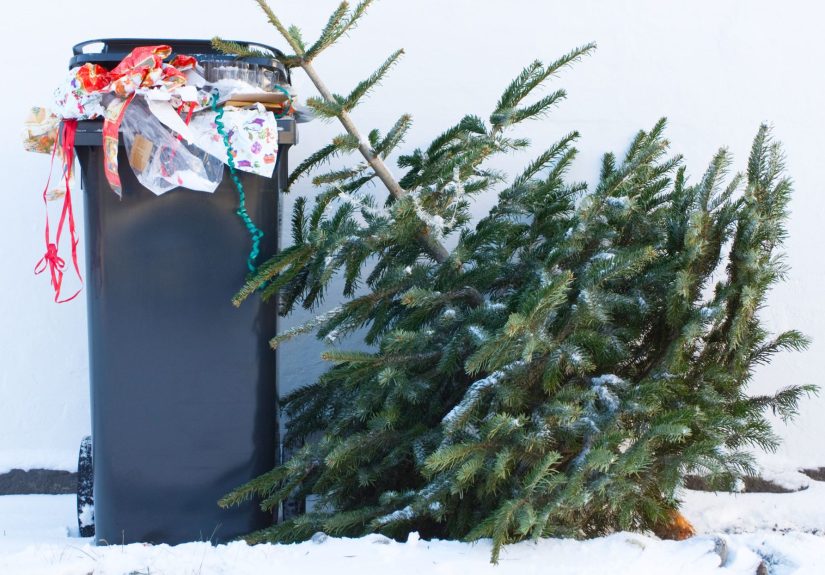
- Plan the send-off: recycle the tree, use local pickup programs, or repurpose branches where allowed.
The point isn’t to be strictit’s to be intentional. January 6 gives you a meaningful excuse to slow down,
enjoy what you created, and then pack it away with closure instead of chaos.
Bottom Line: January 6 Is a Date With History (And a Little Sparkle)
“Don’t take down your Christmas tree until January 6” isn’t just a random internet rule. It’s rooted in
longstanding tradition: Epiphany/Three Kings Day, the completion of the 12 days of Christmas, and cultural
celebrations that extend the season beyond December.
If you want to follow the tradition, go for itespecially with an artificial tree or a well-cared-for real one.
And if you took your tree down on December 26? You’re not cursed. (Probably.) But next year, you might enjoy
giving your tree a little longer to shine.
Experiences: What Keeping the Tree Until January 6 Feels Like in Real Life
In a lot of homes, keeping the tree up until January 6 isn’t a formal decision. It’s more like a gentle agreement
between everyone’s schedule, everyone’s mood, and the universal truth that tree storage bins are heavy.
The first week of January is often a weird limbo: you’re back to school or work, the holidays are “over,”
but your living room still looks like it’s hosting a tiny, tasteful festival. And honestly? Many people find that
comforting.
Some families treat January 6 like a soft landing. The tree stays lit during breakfast, the ornaments remain
like little memory anchors (“Remember when the cat tried to steal that one?”), and the whole house feels less
abruptly changed. Instead of the holiday joy disappearing overnight, it tapers offkind of like easing the volume
down instead of smashing the mute button.
In households that celebrate Three Kings Day, the tree becomes part of the anticipation. Kids might leave out shoes
or look forward to a special bread or cake. Adults might plan a small gathering or simply enjoy one last
“holiday-adjacent” eveningsomething low-pressure that still feels special. The tree isn’t just décor; it’s a marker
that the season still has one more page to turn.
For people who don’t observe Epiphany religiously, the experience can be even more relaxed: the tree is simply a
bright spot in the grayest part of winter. January can feel long, cold, and a little too serious. A lit treeespecially
if you shift the décor toward winter themescan make a room feel warmer without changing your whole routine.
Some people even remove the obviously Christmas ornaments right after New Year’s but keep neutral lights and greenery
until the sixth, turning the tree into a “winter tree” that still feels seasonally appropriate.
There’s also the “practical reality” experience: many people aim for January 6 because it’s a clear goal.
If you’ve ever tried to pick a takedown date based on vibes alone, you know how that goes.
(“We’ll do it this weekend.” Which weekend? The mythical one where everyone is free and the storage closet is tidy.)
January 6 is a calendar-based decisionno debating, no dragging it out.
And then there are the classic January 6 moments that feel almost universal: someone finds an ornament you forgot existed,
someone realizes the tree skirt was hiding a missing gift tag, and someone says, “Next year we’re labeling these bins.”
You pack up the sparkle, vacuum the last of the needles (real-tree households know this is a journey, not an event),
and the room looks suddenly biggerlike it took a deep breath.
The best part is the feeling of closure without rush. Waiting until January 6 makes the season feel complete.
You enjoyed it, you finished it, and you put it away on purpose. The tree did its job. You did yours. Everyone wins.
(Except the person who has to carry the tree to the curb. But that’s what teamwork is for.)