Table of Contents >> Show >> Hide
- Start With the “Why”: What Makes a Sea Turtle a Sea Turtle?
- Pick a Species, Pick a Personality
- Step-by-Step: How to Draw a Human Sea Turtle That Still Feels Turtle
- Step 1: Thumbnail silhouettes first (your secret weapon)
- Step 2: Translate shell structure into clothing structure
- Step 3: Turn flippers into “human movement language”
- Step 4: Design the facehint turtle, don’t cosplay turtle
- Step 5: Color palette that screams “sea turtle” without yelling
- Step 6: Add one “real sea turtle behavior” detail
- Make It Meaningful: Conservation Cues That Also Look Cool
- Five Ready-to-Draw Character Concepts
- Common Mistakes (And How to Fix Them)
- A 15-Minute Practice Routine
- Conclusion: Your Human Sea Turtle Should Feel Like a Real Person From a Real Ocean
- Experiences From the Drawing Desk: What This Prompt Feels Like (And Why It Works)
Let’s be honest: “Draw a sea turtle” is cute. But “draw a sea turtle if it were a human” is where the fun (and the strangely deep character design choices) begin.
Suddenly you’re not sketching a reptileyou’re designing a person who basically lives in a wetsuit, has the world’s most committed travel schedule, and somehow pulls off
“ancient ocean wizard” and “friendly beach lifeguard” in the same vibe.
This guide walks you through how to humanize a sea turtle in a way that still feels turtle-y (technical term), using real sea turtle traits as your design fuel.
You’ll get species-based character ideas, step-by-step drawing decisions, common mistakes to dodge, and a pile of prompts you can use immediately.
By the end, you’ll have a human sea turtle character that looks intentionalnot like someone taped a shell-shaped backpack onto a random person and called it a day.
Start With the “Why”: What Makes a Sea Turtle a Sea Turtle?
Anthropomorphic character design works best when you’re translating function into fashion. Sea turtles aren’t just “turtles that swim”
they’re built for ocean life: streamlined bodies, powerful flippers, and a shell system that’s protective without turning them into a floating brick.
When you understand what each body part does, you can turn it into a human design choice that feels smart instead of random.
The shell isn’t just armorit’s identity
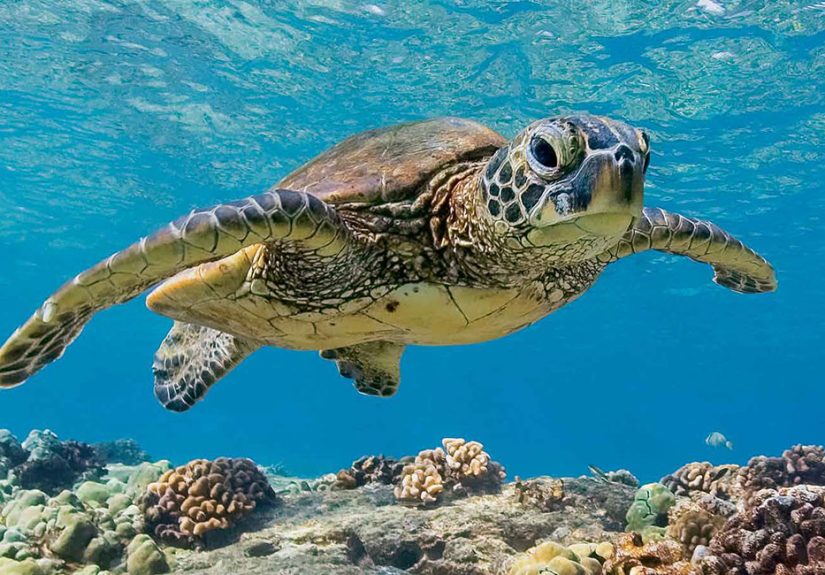
A sea turtle’s top shell is the carapace and the bottom is the plastron. In most species, the shell includes bony plates and an outer layer of
keratin scales called scutes. Translation for artists: texture, pattern, and structure matter. Those scutes can become clothing panels, stitched leather,
quilted armor, jewelry plating, or even a signature hairstyle pattern.
Flippers: built for distance, not high-fives
Sea turtles have large flippers that power long migrations. That suggests a character who looks like they’re built for endurance: strong shoulders, swimmer posture,
long limbs, and clothing that implies movement (windbreaker silhouettes, streamlined swimwear, travel gear).
Navigation is basically their superpower
Sea turtles can orient using Earth’s magnetic fieldan ability that screams “quiet genius.” Even if your character isn’t literally a human GPS,
you can show this through personality and props: map tattoos, compass motifs, a calm “I know where north is” expression, or a minimalist traveler’s kit.
Pick a Species, Pick a Personality
Want your human sea turtle to feel instantly readable? Choose a real species as your template, then build design cues around it.
Here are a few easy-to-visualize options (with design-friendly traits):
Green turtle: the peaceful grazer with gardener energy
Green turtles are famous for their connection to seagrass ecosystems, and their feeding habits can feel almost “landscaper of the sea.”
Human version? A calm, sturdy character with earthy colors, practical clothes, and gentle confidence. Think: coastal botanist, reef volunteer,
or the friend who always has snacks and sunscreen.
Loggerhead: the tough one with a “don’t mess with me” jawline
Loggerheads have powerful heads and jawsso your human design can lean into a strong face shape, thicker neck, and a more rugged vibe.
This is your surfer-rescue, dockworker, or “I can carry the groceries in one trip” character.
Leatherback: the elite long-distance athlete
Leatherbacks are built differently, with a shell that’s more leathery and distinct ridges (keels). They’re made for distance.
Human version? A marathon swimmer aesthetic: aerodynamic clothing, minimal accessories, and a silhouette that looks like it’s always in motion.
Hawksbill: the stylish specialist
Hawksbills are visually iconic and historically targeted for their shells. A human hawksbill can be your fashion-forward character
sharp profile, tailored outfit, elegant lines, and a design that nods to “beauty with a conservation message.”
Kemp’s ridley: small, rare, scrappy main-character energy
If you want underdog vibes, go here. Compact build, quick gestures, alert expressionlike a person who always looks ready to sprint into action.
Step-by-Step: How to Draw a Human Sea Turtle That Still Feels Turtle
Step 1: Thumbnail silhouettes first (your secret weapon)
Before details, draw 6–10 tiny silhouettes (30 seconds each). Your goal is to find a shape that reads “turtle” even with zero facial features.
Sea turtles read as: rounded core + powerful outer limbs. In human form, that could mean:
- Rounded torso (puffer vest, poncho, or padded wetsuit core)
- Broad shoulders (athletic upper body, cape-like jacket, oversized hoodie)
- Tapered lower half (streamlined pants, fins-as-shoe design, minimal hem flare)
Step 2: Translate shell structure into clothing structure
You don’t need to literally draw a shell on their back (unless you want a fantasy vibe). Instead, convert shell logic into wardrobe logic:
- Carapace → structured jacket back, protective vest, backpack frame, cape paneling
- Plastron → chest plate, ribbed sweater texture, front harness, layered fabric armor
- Scutes → stitched segments, quilted pattern, mosaic fabric, scale-like accessories
Pro tip: keep the scute pattern larger and simpler than you think. If you draw a million tiny hexagons, you’ll hate your own artwork by minute eight.
Step 3: Turn flippers into “human movement language”
Sea turtle flippers aren’t hands; they’re propulsion. So even with human arms, suggest “flipper energy”:
- Long forearms and big sweeping gesture lines
- Loose sleeves that imply paddling (kimono sleeves, windbreaker cuffs)
- Shoulders drawn slightly forward like a swimmer’s posture
- Hands simplified (mitt-like gloves) if you want a more creature-like style
If you want realism, keep hands normalbut make their poses feel aquatic: wide arcs, gentle curves, and a center of gravity that looks “buoyant.”
Step 4: Design the facehint turtle, don’t cosplay turtle
The fastest way to make this design unintentionally creepy is to draw a human face and slap a beak on it like a sticker.
Instead, translate features subtly:
- Beak shape → defined cupid’s bow, strong nose bridge, slightly pointed chin
- Eye placement → slightly wider-set eyes for that calm, ocean-watching look
- Expression → relaxed eyelids, serene mouth, “I have seen the tides” energy
- Skin texture option → faint scale-like freckles or soft patterned shading at temples/neck
Step 5: Color palette that screams “sea turtle” without yelling
Start with a muted ocean palette: olive greens, sea-glass teals, sandy tans, charcoal grays. Then add one accent color:
coral orange, sunrise pink, or kelp gold. The accent can show up as a bracelet, zipper line, shoe detail, or hair streak.
If you’re basing your character on a specific species, borrow details like darker hatchling tones or distinct shell contrast,
but keep it stylized for readability.
Step 6: Add one “real sea turtle behavior” detail
This is what makes the design feel researched instead of generic. Choose one:
- Navigator motif: compass charm, map lines on clothing seams, subtle magnetic-field pattern graphics
- Feeding strategy nod: snack pouch, seaweed wrap, or a scene where they “corral” food with forearms
- Nesting beach guardian vibe: red-filter flashlight, “lights out” pin, volunteer badge
Make It Meaningful: Conservation Cues That Also Look Cool
Sea turtles face real threats, and you can weave that reality into your character story without turning your art into a lecture.
The trick is to use visual storytelling: small cues that imply a bigger world.
Light pollution: the villain that looks like… a porch bulb
Artificial lighting can disrupt nesting and hatchling orientation. Your character might be the type who shields lights,
closes blinds, uses wildlife-friendly fixtures, or carries an amber/red light for beach walks. Visually, this can become:
a warm-toned lantern, a hooded jacket, reflective patches, or a “long, low, shielded” design theme in their gear.
Climate and temperature: a subtle but powerful plot point
Many turtles have temperature-dependent sex determination, meaning warmer sand tends to produce more female hatchlings.
If you like worldbuilding, your character might track beach temperatures, protect shade zones, or advocate for habitat resilience.
Visually: a thermometer tag, heat-map pattern, or “scientist meets surfer” outfit design.
Beach changes: when the sand fights back
Nesting success can be affected by beach conditions, including compaction that makes digging and emerging harder.
Your character could be a restoration volunteer: rake in hand, dune-plant pouch, boots that look built for soft sand.
Five Ready-to-Draw Character Concepts
1) The Magnetic Navigator
A quiet traveler who never checks their phone for directions. Their jacket seams form subtle contour lines like a map.
Their necklace is a simple compassworn, not trendy. Pose idea: standing barefoot, eyes half-lidded, turning slightly as if “feeling” direction.
2) The Night Beach Guardian
A volunteer who protects nesting beaches by managing light and keeping people at a respectful distance.
Outfit: lightweight hoodie, utility belt, red-filter flashlight, and a calm “I’m friendly but please back up” smile.
Background detail: a dim shoreline with shielded lights and a soft amber glow.
3) The Seagrass Gardener
A green-turtle-inspired character who treats the ocean floor like a community garden.
Outfit: sea-green overalls, algae-pattern scarf, pockets full of little tools (or snacks). Personality: gentle, methodical,
and weirdly proud of seagrass like it’s a houseplant.
4) The Leatherback Endurance Athlete
Minimalist design, maximum stamina. Sleek wetsuit-inspired clothing with subtle ridge lines.
Expression: focused, peaceful. Pose idea: leaning forward like they’re about to dive, hair and jacket edges flowing like currents.
5) The Hatchling Rookie
A smaller, younger character with big hopeful energywide eyes, oversized hoodie, and a backpack that looks a little too big.
Add symbolism: a patch that says “1 in 1,000” (subtle, not preachy) or a tiny seashell charm for luck.
Common Mistakes (And How to Fix Them)
Mistake: “It’s just a person with a turtle shell”
Fix: translate function into design choicesmovement, posture, patterning, and behavior cues. Make the turtle-ness live in the silhouette and details,
not only in a literal shell.
Mistake: Over-detailing the scutes
Fix: simplify. Use larger panels and let the viewer’s brain do the rest. Your wrist will thank you, and your character will read better at thumbnail size.
Mistake: The “uncanny beak situation”
Fix: hint, don’t paste. Use sharper facial planes, a defined mouth shape, and strong nose/philtrum lines rather than drawing an actual turtle beak on human skin.
A 15-Minute Practice Routine
- 2 minutes: 6 micro-silhouettes (no details).
- 4 minutes: pick 1 silhouette and add clothing structure (carapace/plastron translation).
- 4 minutes: face exploration (3 quick heads with different “beak-inspired” planes).
- 3 minutes: choose a behavior prop (compass, red light, snack pouch) and add it.
- 2 minutes: one bold shadow pass to unify the design.
Conclusion: Your Human Sea Turtle Should Feel Like a Real Person From a Real Ocean
The best “sea turtle as a human” drawings don’t rely on a gimmickthey rely on translation. Shell becomes structure. Flippers become motion language.
Navigation becomes personality. Conservation becomes story.
So whether you’re designing a leatherback marathoner, a beach-guardian volunteer, or a seagrass-gardener softie, anchor your choices in real turtle traits
and then let your imagination do the freestyle swim.
Experiences From the Drawing Desk: What This Prompt Feels Like (And Why It Works)
When artists tackle “Draw A Sea Turtle If It Were A Human!”, the first five minutes are usually pure chaosin a good way. The brain immediately tries the obvious route:
“Okay… human body… turtle shell backpack… done?” And then something interesting happens: you realize that’s not actually satisfying. It’s not wrong, but it’s not
alive. The prompt practically dares you to do better.
A common experience is starting with comedy and accidentally stumbling into character depth. Maybe your first sketch is a laid-back surfer with a shell-shaped hoodie.
Funny. Then you add flipper-inspired sleeves and suddenly the pose looks like they’re drifting in water. You soften the eyelids, widen the eyes slightly, and the
expression becomes calmalmost ancient. Now it’s not just a joke. It’s a person who feels like they belong to the sea.
Another “aha” moment often shows up when you test silhouettes. In workshops and online sketch challenges, people discover that the turtle vibe lands fastest when
the torso feels protective and rounded while the limbs suggest long, sweeping movement. Artists who normally over-focus on facial features get surprised:
the character reads as turtle before the face is even finished. That’s a confidence boostbecause it means your design is working structurally, not just cosmetically.
Many artists also report the “detail trap”: scutes are mesmerizing, so you start rendering them like a medieval manuscript. Twenty minutes later, you’ve created
the world’s most accurate pattern… on a character who now looks like a couch upholstered in hexagons. The fix becomes a learned habit: simplify the segments,
vary the sizes, and use scutes as accents rather than wallpaper. Once you do that, the character becomes readable againand you can actually finish the piece.
If you share your drawing online, the feedback you get is oddly consistent: viewers love one specific behavioral detail. A compass motif. A red-filter flashlight.
A seagrass snack. A posture that looks like swimming even while standing still. Those small choices make people feel like your character has a life beyond the page.
It’s also where your art can gently carry a message: lights-out beach patches, conservation badges, or subtle “protect the coast” cues turn the character into a
tiny ambassador without turning your caption into a textbook.
Finally, this prompt tends to be creatively generous. You can go realistic, cartoony, anime-styled, fantasy-armored, streetwear modern, or mythical “ocean guardian.”
And because sea turtles are globally recognizable, your audience “gets it” immediately. That instant recognition frees you up to experimentdifferent poses, different
moods, different story settingswithout losing the core idea. In other words: it’s a fun prompt that teaches serious design thinking while you’re busy having a blast.