Table of Contents >> Show >> Hide
- What People Mean by “E-Bike Explosion” (And Why It’s Not Just Hype)
- Why E-Bike Batteries Fail: The Usual Suspects
- Real-World Consequences: Why These Fires Make Headlines
- What Safety Standards Actually Do (And Why “UL” Isn’t Just a Fancy Sticker)
- What Regulators Are Saying (And Why It Matters)
- The E-Bike Explosion Prevention Checklist
- Warning Signs a Battery May Be Failing
- What to Do If You Suspect an E-Bike Battery Is About to “Explode”
- Disposal: Don’t Throw It in the Trash (Unless You Like Dumpster Fires)
- A Quick Case Study: When “Not Charging” Doesn’t Mean “Not Dangerous”
- Myths vs. Reality (Because the Internet Has Opinions)
- Experiences People Report Around “E-Bike Explosion” Incidents (500+ Words)
- Conclusion
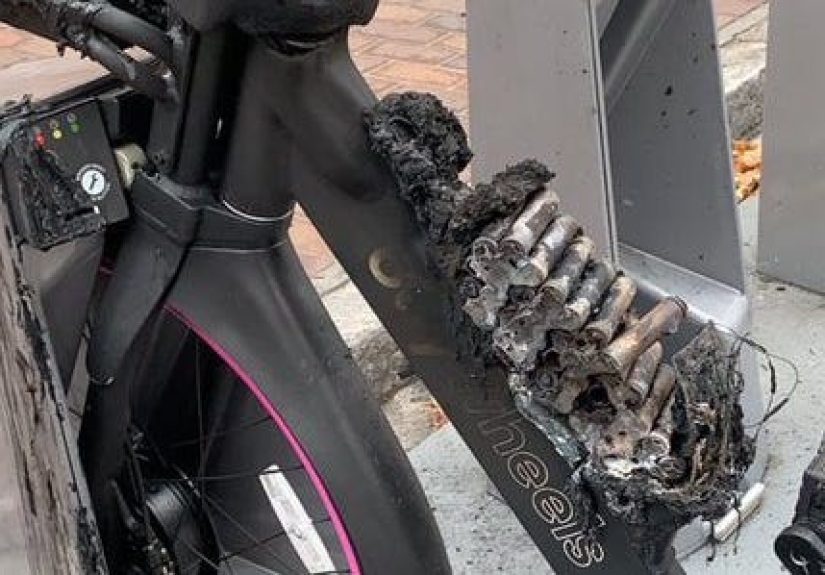
“E-bike explosion” sounds like a headline from a superhero movie, but in real life it usually means something far less cinematic
and far more dangerous: a lithium-ion battery that fails violently, vents hot gases, and can erupt into a fast-moving fire.
The scary part isn’t just the flamesit’s the speed, the heat, the toxic smoke, and the fact that these incidents often happen
indoors where people sleep, cook, and (ironically) try to relax.
E-bikes are fantastic. They flatten hills, turn commutes into something close to fun, and make car trips feel less necessary.
But the battery that powers your ride can also behave like a pocket-sized chemical factory when it’s damaged, defective,
poorly made, or charged the wrong way. This article breaks down why “explosions” happen, what the real risk factors are,
how standards like UL certification help, and what you can do today to protect your home, your family, and your eyebrows.
What People Mean by “E-Bike Explosion” (And Why It’s Not Just Hype)
Most e-bike batteries don’t “explode” like a bomb. What often happens is thermal runawaya chain reaction inside
the battery cells where heat creates more heat, pressure builds, and flammable gases vent. That venting can ignite,
producing jets of flame, loud popping, and sometimes enough force to blow off plastic casings or launch burning debris.
To anyone nearby, it sure looks (and sounds) like an explosion.
The important takeaway: whether you call it an explosion, a battery fire, or “why is my hallway suddenly a dragon,” the risk is real.
And because e-bikes are frequently charged in apartments, hallways, and small shops, the consequences can be severe.
Why E-Bike Batteries Fail: The Usual Suspects
Lithium-ion batteries are reliable when they’re well-designed, properly assembled, and used as intended.
But failures tend to cluster around a few repeat offenders:
1) Low-quality or “mystery meat” battery packs
A battery pack is more than a bunch of cells wrapped in shrink wrap. It needs consistent cells, safe assembly,
robust insulation, and protection circuitry. Cheaper packs may cut corners on any of the above.
Some incidents are also linked to manmade or modified packs and repair environments where packs are rebuilt,
rewired, or “upgraded” without the same controls as factory production.
2) Battery management system (BMS) problems
Think of the BMS as the battery’s referee: it helps prevent overcharging, over-discharging, and overheating.
If the BMS is missing, bypassed, damaged, or poorly designed, the battery is more likely to drift into unsafe territory.
And lithium-ion cells don’t do “unsafe territory” with gentle warnings.
3) Wrong charger, damaged charger, or DIY charging hacks
Chargers are not interchangeable fashion accessories. Using the wrong charger can stress the pack,
especially if voltage/current specs don’t match. Add frayed cables, cheap replacements,
or sketchy adapters and you’ve got a recipe for overheating.
4) Physical damage and water exposure
Drops, impacts, crushed casings, punctures, and water intrusion can all compromise cells or wiring.
Some warnings and recalls specifically mention higher risk after exposure to water and debris.
Translation: that “it still works” battery after a storm ride might be silently plotting against you.
5) Heat, storage habits, and charging locations
Charging an e-bike battery on a bed, next to a couch, in a cluttered hallway, or beside your only exit route is a common pattern in serious incidents.
Batteries like stable temperatures and breathing room. Bedrooms and stacked cardboard boxes do not qualify.
Real-World Consequences: Why These Fires Make Headlines
When an e-bike battery fails in a single-family garage, it’s bad. When it fails in a multi-unit building at 2:00 a.m., it can be catastrophic.
One well-publicized case involved an e-bike shop fire in New York City that spread to apartments and killed four people.
That type of tragedy is exactly why cities, fire departments, and consumer safety regulators have been pushing harder on standards and enforcement.
Fire researchers and responders have also pointed out how quickly these events can developand how intense they can be.
In some cases, videos show damage patterns consistent with pressure effects, which is part of why the public uses the word “explosion.”
What Safety Standards Actually Do (And Why “UL” Isn’t Just a Fancy Sticker)
A major theme in modern e-bike safety is third-party certification, especially UL standards that evaluate either the whole e-bike electrical system
or the battery pack itself. Here’s the quick, practical version:
- UL 2849: evaluates the e-bike electrical system as a wholebattery, charger, drive train components, wiring, and how they behave together.
- UL 2271: focuses on the battery pack used in light electric vehicle (LEV) applications.
- UL 2272: applies to certain personal e-mobility devices (often referenced for scooters/hoverboards depending on the device category).
Cities have begun building rules around those standards. New York City, for example, has required devices and batteries sold, leased, or rented in the city
to be certified by an accredited testing laboratory to the relevant UL standards.
The point isn’t paperworkit’s reducing the odds that unsafe products enter the market and end up charging next to someone’s front door.
How to spot legit certification (without becoming a detective)
Look for certification marks on the device and the battery, and verify when you can. Certification should identify who tested it (a recognized lab) and what standard it meets.
Be skeptical of vague “UL Approved” language, misspellings, or labels that look like they were printed on someone’s home inkjet printer at 3 a.m.
What Regulators Are Saying (And Why It Matters)
Federal consumer safety regulators in the U.S. have published micromobility hazard analyses that include lithium-ion battery fire fatalities
and have continued issuing warnings and recalls tied to fire and “ignite and explode” risks.
These aren’t theoretical risksincident reports include fires occurring even when products are in storage and not charging.
Meanwhile, fire departments have been blunt: buy certified products, use the right chargers, don’t charge unattended, and don’t turn your apartment into a charging warehouse.
It’s not anti-e-bike. It’s pro-not-dying-in-a-fire.
The E-Bike Explosion Prevention Checklist
Buy smarter
- Prefer certified e-bikes and batteries (system-level certification is a strong signal because it evaluates how components work together).
- Avoid no-name replacement batteries from unknown sellersespecially “higher capacity” packs that promise miracles at suspiciously low prices.
- Register your e-bike with the manufacturer so recall notices actually reach you.
- Be cautious with used batteries. If you can’t verify history (age, water exposure, crashes), assume risk is higher.
Charge like you enjoy having a home
- Do not charge overnight or unattended. If something goes wrong, minutes matter.
- Use the original charger or a manufacturer-recommended replacement.
- Charge on a hard, non-flammable surface, away from curtains, rugs, piles of clothes, cardboard, and anything else that loves fire.
- Keep charging out of your exit path. Never block hallways, doors, or stair access with devices or batteries.
- Unplug when fully charged and avoid “forever charging” as a lifestyle.
Store and handle batteries carefully
- Avoid extreme heat (hot cars, direct sun for hours, radiator-adjacent storage).
- Inspect regularly: cracks, dents, swelling, unusual odors, leaking, or repeated overheating are red flags.
- Don’t modify packs. If you’re tempted to rewire a battery, please redirect that creativity to baking bread or assembling LEGO.
Warning Signs a Battery May Be Failing
Batteries don’t always give a polite heads-up, but there are common danger signals:
- Hissing, popping, or crackling sounds
- Smoke (even a little)
- Strong chemical or sweet/solvent-like odor
- Rapid heattoo hot to touch or warming up while not in use
- Swelling or bulging casing
- Battery or charger discoloration, melting, or scorch marks
Researchers have even documented audible cues (clicks/hisses) associated with gases escaping before or during thermal runaway.
The practical lesson is simpler: if it sounds or smells wrong, treat it as urgent.
What to Do If You Suspect an E-Bike Battery Is About to “Explode”
Safety first, heroics last.
- Stop charging immediately if it’s safe to do so (don’t put yourself in danger).
- Get people out and keep your exit routes clear.
- Call 911. These fires can intensify quickly and may re-ignite.
-
Ifand only ifit’s safe, move the device outdoors away from buildings and anything flammable.
If it’s smoking, hissing, or actively burning, do not attempt to carry it. - Close doors behind you as you evacuate to slow fire and smoke spread.
If you live in a multi-unit building, talk to your building manager about designated safe charging and storage areas.
Some employers and property owners are starting to provide safer options because they’re tired of playing “guess that smell” with hallway smoke.
Disposal: Don’t Throw It in the Trash (Unless You Like Dumpster Fires)
Used lithium-ion batteries should not go in household trash or regular recycling bins. They can ignite when crushed or punctured in garbage trucks or processing facilities.
Safer options include household hazardous waste (HHW) drop-offs and battery recycling programs.
- Tape terminals and/or place batteries in separate plastic bags before transport (reduces short-circuit risk).
- Follow local rules for recalled, damaged, or defective batteriesthese may require special handling.
- When in doubt, contact your local waste authority for guidance on e-bike packs specifically.
A Quick Case Study: When “Not Charging” Doesn’t Mean “Not Dangerous”
Many people assume the only risky moment is when a battery is plugged in. Unfortunately, incident reports and safety warnings have described fires that occurred
while batteries were in storage and not charging. That’s why quality, certification, and damage history matter so much.
A battery that has been water-exposed, crashed, or poorly manufactured can fail latersometimes at the worst possible time.
Myths vs. Reality (Because the Internet Has Opinions)
Myth: “Only cheap e-bikes catch fire.”
Reality: Lower-quality packs can raise risk, but any lithium-ion battery can fail if damaged, defective, or abused. Good design reduces risk; it doesn’t create immortality.
Myth: “If it charges, it’s fine.”
Reality: Some failing batteries behave normallyuntil they don’t. Heat, swelling, strange smells, and physical damage matter more than “it powered on.”
Myth: “Charging in the hallway is safer because it’s not inside my apartment.”
Reality: Hallways are escape routes. A fire there can trap neighbors. If your building offers a designated safe area, use it; otherwise, keep charging away from exits.
Experiences People Report Around “E-Bike Explosion” Incidents (500+ Words)
The most common “experience” people describe after an e-bike battery incident is how fast it all happens.
Someone plugs in a battery after work, goes to shower, and comes back to a smell that’s hard to explainsharp, chemical, not quite burning wood.
Another person notices their charger brick is hotter than usual. A delivery rider says the battery “made a noise like soda fizzing,”
followed by a pop that sounded like someone slammed a cabinet door. These details vary, but the pattern is consistent: there’s often a short window where something feels off,
and then things escalate quickly.
In apartment buildings, residents often talk about the location being the real villain. Batteries get charged where outlets are available,
which frequently means near the front door, in a narrow entryway, or beside a couch. People report realizingonly after an incident in their neighborhoodthat
a battery fire in that spot could block the only exit. Building managers describe the awkward conversations that follow:
“You can’t store three spare batteries in the stairwell,” sounds obvious, until you say it out loud to someone who depends on those batteries to earn a living.
The best outcomes happen when buildings provide alternatives: a designated charging room, metal storage cabinets, sprinklers, or at least clear guidance and enforcement.
Repair shops and informal “battery fixes” are another recurring theme. Riders will describe buying a used battery because it was cheaper and “looked fine,”
or getting a pack rebuilt for more range. Sometimes it works for monthsuntil it doesn’t. People who’ve been through a failure often say the lesson wasn’t
“never buy used,” but “never buy mystery.” They wish they had asked basic questions: How old is it? Was it ever dropped? Was it exposed to water?
Is it certified? Does the seller have documentation, or just confidence?
Firefighters and first responders (as described in public safety briefings and research discussions) often emphasize how different these incidents feel compared with
“normal” household fires. Occupants report thick, irritating smoke and intense heat early in the event. Some describe small flare-ups that seem to stop,
followed by reignitionone reason responders treat battery incidents with extra caution. People who have witnessed a battery failure up close often say
they now charge in a cleared area, set a timer, and stay awakenot because they’re paranoid, but because they’ve seen what “one little battery” can do.
There are also stories of near-misses that end well, and they’re worth learning from. One rider notices the battery case is bulging and decides not to charge it “just once more.”
Another smells something odd, unplugs the charger, and moves the bike outdoors while it’s still safe to handle. Someone hears a faint hissing sound and wakes the household,
and everyone exits quickly. These aren’t dramatic hero tales; they’re boring, practical decisions that prevent the headline.
If there’s a shared theme in these experiences, it’s that small safety habitscertified gear, correct chargers, supervised charging, and respecting warning signsturn
“e-bike explosion” from a fear into a preventable risk.
Conclusion
E-bikes aren’t the enemy. Unsafe batteries, uncertified products, and risky charging habits are.
If you do three thingsbuy certified, charge safely and attentively, and dispose responsiblyyou dramatically cut the odds
of ever experiencing an “e-bike explosion” firsthand. Your future self (and your smoke alarm) will thank you.