Table of Contents >> Show >> Hide
- What Biodegradability of Plastic Actually Means
- Why Simple Visual Decay Is Not Enough
- Easy Ways to Test Biodegradability of Plastic at Home
- 1. Start with the label before you start with the shovel
- 2. Run a side-by-side compost test
- 3. Try a soil burial test for screening, not proof
- 4. Track heat, moisture, and time like they matterbecause they do
- 5. Use a water test only to rule out bad assumptions
- 6. Compare odor and texture, but treat those clues lightly
- 7. When the stakes are real, use a real lab
- What Formal Plastic Biodegradability Testing Looks Like
- How to Tell Whether a Claim Sounds Trustworthy
- Common Mistakes People Make When Testing Biodegradable Plastic
- Simple Example of a Good DIY Test Setup
- Conclusion
- Real-World Experiences People Commonly Have When Testing Plastic Biodegradability
Plastic products love to make grand promises. One package says “biodegradable.” Another whispers “compostable” like it just got out of sustainability finishing school. A third has a leaf logo and enough green ink to make you think it will politely disappear in a flower bed by next Tuesday. Unfortunately, plastic does not care about marketing poetry.
If you want to know whether a plastic item is truly biodegradable, you need to test it in the right environment and judge the right things. That is the catch. A fork that survives for months in your backyard compost may still break down in a commercial composting facility. A bag that cracks in the sun may only be fragmenting, not biodegrading. And a cup labeled “bioplastic” may be neither home compostable nor recyclable in your local program.
This guide explains the easy ways to test biodegradability of plastic without turning your garage into a polymer laboratory. We will cover practical screening methods you can do at home, what those tests can and cannot prove, and when you need formal plastic biodegradability testing. Think of this as a myth-busting field guide with less jargon and more common sense.
What Biodegradability of Plastic Actually Means
Before testing anything, it helps to define the target. “Biodegradable plastic” means a plastic can be broken down by microorganisms into simpler natural substances such as carbon dioxide, water, biomass, and, in some oxygen-free systems, methane. That sounds simple until you ask the obvious question: where and how fast?
That is why the phrase can be slippery in the real world. A material may biodegrade in controlled composting conditions, but not in a cold backyard pile, not in ordinary soil, and definitely not while floating around in a lake pretending to be eco-friendly confetti. “Compostable plastic” is narrower. It refers to plastics designed to biodegrade under specific composting conditions and to do so at a rate that does not wreck the finished compost.
So, right out of the gate, the best test is not “Does this look gross after a while?” The better question is “Does this material biodegrade in the environment it is actually intended for?” That one simple shift will save you from a lot of false conclusions and one very sad bucket of half-melted forks.
Why Simple Visual Decay Is Not Enough
Many people test biodegradable plastic by burying it in soil, forgetting about it, and then digging it up months later like they are searching for pirate treasure. It feels scientific. It is not entirely useless. But it only tells part of the story.
A plastic item can discolor, crack, become brittle, or break into smaller pieces without truly biodegrading. That is called disintegration or fragmentation, and it is not the same as microorganisms fully converting the material into natural end products. In other words, “it broke apart” is not the same as “it safely biodegraded.” The first result may simply mean you created smaller plastic pieces with extra drama.
Real biodegradability testing often measures gas output, especially carbon dioxide in aerobic systems, because that helps show microbes are actually digesting the material. That is why formal standards exist. A home test is best used as a screening tool, not a courtroom verdict.
Easy Ways to Test Biodegradability of Plastic at Home
1. Start with the label before you start with the shovel
The easiest first step is not even a physical test. Read the label carefully. Look for specific certification language instead of vague green vibes. Terms like ASTM D6400, ASTM D6868, certified compostable, or a credible third-party mark tell you much more than a lonely leaf icon ever will.
If the product says “home compostable,” that matters too. Home composting claims are stricter because backyard piles are cooler and less controlled than industrial compost systems. If the label only says “compostable,” assume it may require a commercial composting facility unless clearly stated otherwise.
This is not lazy testing. It is smart screening. A specific standard or certification is often more informative than a casual at-home experiment because it tells you which environment the product was designed for.
2. Run a side-by-side compost test
This is one of the most practical ways to compare plastic items. Cut equal-sized pieces of the test material and place them in an active compost setup with a control group. Your controls should include one item expected to biodegrade, such as uncoated paper or untreated cellulose, and one item expected not to biodegrade quickly, such as conventional plastic film.
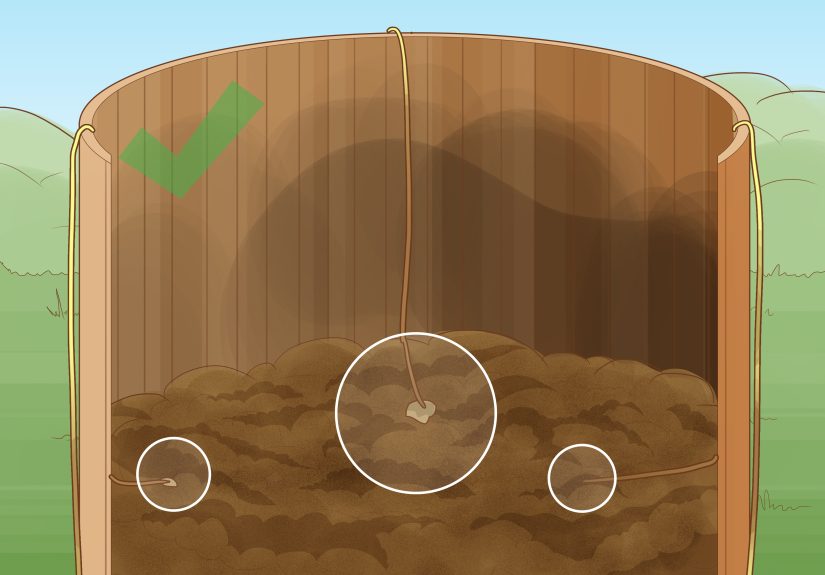
Keep the samples contained in mesh bags or perforated jars so you can retrieve them without conducting a full archaeological dig. Label everything. Future you will not remember which mysterious slimy square was “cup lid sample B.”
Check the samples every two to four weeks. Record:
- Weight change after drying
- Change in thickness or brittleness
- Visible tearing, holes, or fragmentation
- Whether the material still holds its original shape
- How it compares with the paper and conventional plastic controls
This method is great for comparing materials. It is not enough to certify compostability, but it will quickly show whether a plastic behaves more like paper or more like a stubborn snack wrapper.
3. Try a soil burial test for screening, not proof
A simple soil burial test can help screen products marketed as soil-biodegradable. Bury small, weighed pieces in moist soil inside a container or garden bed, preferably in breathable mesh pouches so you can remove them intact. Keep one sample above ground as an untreated comparison.
Check moisture regularly and avoid flooding the container. The point is to encourage microbial activity, not to drown the experiment like a reality show challenge. After several weeks or months, retrieve the samples, gently clean them, dry them, and compare their mass, flexibility, and surface condition.
Again, this test can reveal whether the material changes meaningfully in soil. It cannot prove full biodegradation on its own. Still, it is a useful early reality check when a package makes broad claims about “natural breakdown.”
4. Track heat, moisture, and time like they matterbecause they do
Most failed home tests have less to do with the plastic and more to do with the testing conditions. If your compost pile is cold, dry, tiny, or mostly made of sad lettuce and optimism, a compostable plastic may barely change.
Keep notes on temperature, moisture, aeration, and time. If you can, use a compost thermometer. Materials intended for industrial composting usually need sustained heat that most home piles do not achieve. A backyard test can still be useful, but only if you interpret the result honestly: no breakdown in a cold pile does not necessarily mean the product is fake; it may mean the environment is wrong.
5. Use a water test only to rule out bad assumptions
People sometimes drop “biodegradable” plastic into water and wait for nature to do its thing. That usually proves only one thing: water is not a magical composting facility. Many biodegradable plastics are not designed to break down in plain water, and some can persist in aquatic environments far longer than consumers expect.
So, a water test is helpful mainly as a cautionary test. If the material sits there unchanged for weeks, that should stop anyone from assuming it is safe to toss into the environment. It does not certify anything, but it can expose unrealistic expectations quickly.
6. Compare odor and texture, but treat those clues lightly
As a material biodegrades in compost, you may notice changes in smell, texture, and structure. It may soften, turn chalky, or become harder to separate from the surrounding compost. Those are clues, not conclusions. Odor can come from the compost itself, and softening can happen before real mineralization occurs.
Use these observations as supporting details in your test log, not as your headline result.
7. When the stakes are real, use a real lab
If you are testing packaging for a business, product launch, school project, procurement decision, or compliance claim, move beyond the kitchen-counter phase. Certified labs use controlled methods that measure biodegradation much more directly. That is where standards-based compostable plastic testing becomes essential.
What Formal Plastic Biodegradability Testing Looks Like
If you want results you can put in a technical report without crossing your fingers, formal test methods matter. These are some of the major ones behind the scenes:
ASTM D6400 and ASTM D6868
These are the big names for products marketed as compostable in municipal or industrial composting systems. They are not casual “looks good to me” standards. They deal with how products should be labeled and whether they behave properly in controlled composting conditions.
ASTM D5338 / ISO 14855
These methods focus on aerobic biodegradation under controlled composting conditions, often by tracking carbon dioxide evolution. Translation: they help determine whether microbes are actually converting the material rather than merely roughing it up.
ASTM D5988
This is used for aerobic biodegradation in soil. It measures carbon dioxide generated as the plastic is exposed to soil under laboratory conditions. This makes it far more informative than simply burying a fork behind the shed and hoping for the best.
ASTM D5511
This method addresses anaerobic biodegradation under high-solids anaerobic digestion conditions. It is useful when evaluating how materials behave in oxygen-poor digestion systems. It also comes with an important caution: results from this method should be reported as numerical test results, not stretched into sweeping, unqualified biodegradable claims.
The big lesson here is that biodegradability is environment-specific. A plastic can test one way in hot compost, another in soil, and another under anaerobic digestion conditions. There is no universal gold star that works everywhere.
How to Tell Whether a Claim Sounds Trustworthy
When judging a product, use this quick credibility checklist:
- Does the label name a specific standard?
- Does it say whether the material is for home compost or industrial compost?
- Is there a recognized third-party certification mark?
- Does the claim explain the intended disposal environment?
- Does it avoid fuzzy language like “earth-friendly,” “green,” or “naturally disappears”?
If a product makes a huge biodegradability claim with zero conditions attached, that is a red flag. Real science usually comes with details. Marketing usually comes with a leaf icon and confidence.
Common Mistakes People Make When Testing Biodegradable Plastic
- Confusing bio-based with biodegradable: A plastic made from plant material is not automatically compostable or home compostable.
- Confusing fragmentation with biodegradation: Tiny pieces are not a victory lap.
- Ignoring the disposal environment: Compost, soil, landfill, wastewater, and marine settings all behave differently.
- Skipping controls: Without a comparison material, your test is mostly a mystery novel.
- Expecting backyard compost to mimic industrial compost: They are not cousins. They are barely coworkers.
- Tossing test samples into nature: Always use contained tests. “Field study” should not mean “accidental littering.”
Simple Example of a Good DIY Test Setup
Let us say you want to compare three shopping bags: one conventional plastic bag, one bag labeled biodegradable, and one certified compostable bag.
- Cut three equal pieces from each bag.
- Dry and weigh the samples.
- Place one set in active compost, one set in moist soil, and keep one set indoors as a control.
- Use mesh pouches and label them clearly.
- Record observations every two weeks for three to six months.
- Dry and reweigh each sample after retrieval.
- Compare physical change, weight loss, and fragmentation patterns across environments.
This will not produce a formal certification, but it will give you meaningful, organized evidence. You may find that the certified compostable bag changes substantially in active compost, barely changes in soil, and stays intact indoors. That kind of pattern tells a more useful story than a single “before and after” photo ever could.
Conclusion
The easiest ways to test biodegradability of plastic are really about smart screening: read the label, identify the intended end-of-life environment, run side-by-side compost or soil tests, log conditions carefully, and never confuse disintegration with true biodegradation. For everyday consumers, that is usually enough to separate credible claims from wishful branding.
But if you need proof, the answer is not more guessing. It is standards-based testing. That is where ASTM methods, certified labs, and environment-specific data come in. In short, the best test is not the one that looks dramatic on day ten. It is the one that matches the real-world conditions the product is actually designed to meet.
Plastic may be complicated, but your decision-making does not have to be. Read closely, test carefully, and stay suspicious of packaging that sounds like it was written by a motivational speaker in a recycling bin.
Real-World Experiences People Commonly Have When Testing Plastic Biodegradability
One of the most common experiences people report is surpriseusually the kind with a slightly pained laugh attached. A homeowner buys compostable cutlery for a backyard gathering, tosses the forks into a home compost bin, and assumes the story is over. Months later, banana peels are long gone, coffee grounds have become dark compost, and the forks are still hanging around like party guests who do not understand the phrase “well, it’s getting late.” That experience teaches an important lesson: many plastics marketed as compostable are designed for industrial composting conditions, not the cooler, slower environment of a home pile.
Small business owners often run into a different version of the same problem. A café switches to cups or lids labeled “eco-friendly,” expecting a cleaner waste stream and happier customers. Then staff discover the items cannot go into regular recycling, and the local organics program may not even accept them. Suddenly, the packaging is environmentally promising in theory but operationally awkward in real life. The experience is not that the material is fake; it is that disposal systems matter just as much as material science.
Students and teachers doing classroom projects also learn quickly that visible change is a tricky judge. In many school tests, samples buried in soil become dirty, stained, softened, or cracked. At first glance, this looks like success. But once the material is cleaned and dried, it may still be mostly intact. That moment is incredibly useful educationally because it shows why scientists do not rely on eyeballing alone. A messy sample is not the same thing as a biodegraded sample.
Gardeners who run better-organized tests usually report more nuanced results. When they compare paper, certified compostable plastic, and conventional plastic side by side, they often see the paper disappear first, the compostable item change mostly in hot, active compost, and the conventional plastic remain stubbornly recognizable. That pattern helps people trust comparative testing more than label hype. It also shows why controls are so valuable. Without a baseline, every cracked corner looks dramatic. With a baseline, you can tell whether your result is meaningful or just cosmetic.
People testing so-called biodegradable bags are especially likely to discover the difference between cracking and true breakdown. Some bags become brittle, tear easily, or shed bits after exposure to sun, heat, and moisture. That can look impressive for about thirty seconds. Then comes the unpleasant realization that smaller pieces of plastic are still plastic. The experience tends to make testers more skeptical, and honestly, that is not a bad outcome.
Perhaps the most valuable experience of all is learning that the best question is not “Does this plastic disappear?” but “Under what conditions does this material responsibly break down?” Once people start asking that, their testing improves immediately. They begin checking standards, searching for certification marks, asking what facilities exist locally, and matching claims to actual disposal routes. In other words, they stop treating biodegradability like magic and start treating it like a measurable property. That shift in mindset is often the real result of the testand it may be the most useful one.
![18 Best Types of Charts and Graphs for Data Visualization [+ How to Choose]](https://corkopencoffee.org/wp-content/uploads/2026/05/18-best-types-of-charts-and-graphs-for-data-visualization-how-to-choose-qKM1PBYG-thumb.jpg)