Table of Contents >> Show >> Hide
- What Are Eczema Symptoms?
- The Most Common Symptoms of Eczema
- Eczema Symptoms by Age
- Different Types of Eczema and Their Symptoms
- What Triggers Eczema Symptoms?
- How to Tell If Eczema Symptoms Are Getting Worse
- How Eczema Symptoms Are Diagnosed
- Managing Eczema Symptoms at Home
- Medical Treatment for Eczema Symptoms
- Real-Life Experiences With Eczema Symptoms
- Conclusion
Note: This article is for educational purposes only and is based on reputable medical guidance from sources such as the American Academy of Dermatology, Mayo Clinic, Cleveland Clinic, National Eczema Association, NIAMS, Johns Hopkins Medicine, Yale Medicine, Mount Sinai, MedlinePlus, and other U.S.-based health references. It is not a substitute for professional diagnosis or treatment.
What Are Eczema Symptoms?
Eczema symptoms are the skin’s dramatic way of saying, “Hello, I am not okay.” The most common signs include dry skin, intense itching, inflammation, rash, scaling, cracking, bumps, oozing, crusting, swelling, and changes in skin color. While eczema is often discussed as if it were one simple rash, it is actually a group of inflammatory skin conditions. The most common type is atopic dermatitis, but other forms include contact dermatitis, dyshidrotic eczema, nummular eczema, seborrheic dermatitis, neurodermatitis, and stasis dermatitis.
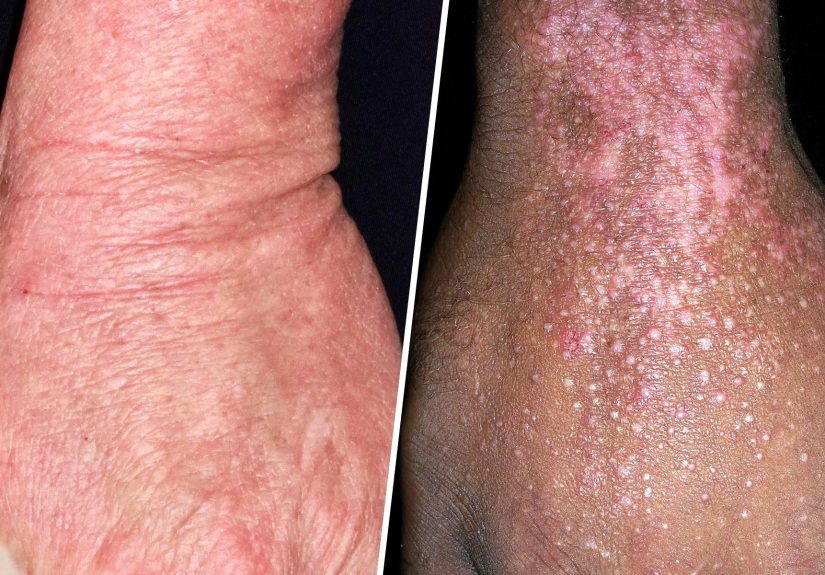
The tricky part? Eczema does not look exactly the same on everyone. On lighter skin, it may appear red or pink. On darker skin tones, eczema symptoms may look purple, brown, gray, ashy, or darker than the surrounding skin. That difference matters because eczema on darker skin is sometimes missed or mistaken for something else. Skin, apparently, enjoys keeping dermatologists humble.
Eczema can occur at any age. Babies may develop it on the cheeks, scalp, arms, or legs. Children often get patches in elbow creases, behind the knees, around the wrists, ankles, neck, or hands. Adults may notice eczema on the hands, face, eyelids, neck, elbows, knees, feet, or areas exposed to friction, sweat, soaps, detergents, weather changes, or allergens.
The Most Common Symptoms of Eczema
1. Itchy Skin
Itching is the superstar symptom of eczema, though “superstar” may be too generous. It is more like the uninvited guest who shows up, eats all the snacks, and refuses to leave. The itch can range from mild and annoying to severe enough to interrupt sleep, focus, work, school, and daily comfort.
Many people describe eczema itch as worse at night. That can create a frustrating cycle: itching leads to scratching, scratching damages the skin barrier, damaged skin becomes more inflamed, and inflammation causes even more itching. This is often called the itch-scratch cycle, and it is one of the main reasons eczema flares can feel so difficult to control.
2. Dry, Rough, or Scaly Skin
Dry skin is one of the classic eczema symptoms. Eczema weakens the skin barrier, which makes it harder for the skin to hold moisture and protect itself from irritants. The result may be rough patches, flaky skin, peeling, or a texture that feels like sandpaper’s less charming cousin.
Dryness can appear before a rash becomes obvious. Some people first notice that their skin feels tight after showering, stings when lotion is applied, or looks dull and ashy. In children, dry patches may show up on the cheeks, arms, legs, or folds of the skin. In adults, the hands are a common trouble zone because they face soap, water, sanitizers, cleaning products, and weather all day long.
3. Redness, Purple-Brown Patches, or Skin Discoloration
Inflammation is another major eczema symptom, but it does not always mean bright red skin. On light skin, eczema often looks red, pink, or inflamed. On medium to dark skin, it may appear deep brown, gray, violet, purple, or darker than the surrounding area. After a flare, the skin may also leave behind lighter or darker patches called post-inflammatory pigment changes.
These color changes can linger even after the itch calms down. That does not always mean the eczema is still active, but it can be frustrating. The skin may need weeks or months to even out, especially if scratching has been intense.
4. Bumps, Blisters, or Fluid-Filled Spots
Some eczema symptoms appear as small bumps instead of flat patches. These bumps may be itchy, raised, or clustered. In certain types of eczema, especially dyshidrotic eczema, tiny blisters can appear on the sides of fingers, palms, or soles of the feet. These blisters can be intensely itchy and may feel tender or uncomfortable.
When eczema is scratched, bumps or blisters can open and leak clear fluid. The area may then crust over. While mild crusting can happen during a flare, increasing pain, warmth, swelling, yellowish crusting, pus, or fever may point to infection and should be checked by a healthcare professional.
5. Cracking, Bleeding, or Sensitive Skin
When eczema becomes very dry, the skin can crack. This is especially common on the hands, fingers, feet, and areas that bend. Cracks may sting when exposed to soap, sweat, cold air, hand sanitizer, or even plain water. Yes, eczema can make water feel suspicious. Very rude of it.
Cracked skin matters because it creates openings in the skin barrier. That can make irritation worse and raise the risk of infection. People with hand eczema often notice painful splits near the knuckles, fingertips, or palms, particularly during winter or after frequent handwashing.
6. Thickened or Leathery Skin
Long-term rubbing and scratching can cause the skin to become thick, rough, and leathery. Doctors call this lichenification. It is the skin’s attempt to protect itself, but unfortunately, it can make the area itch even more. Thickened eczema patches often appear on the wrists, ankles, neck, elbows, knees, hands, or feet.
This symptom usually develops over time rather than overnight. It can be a sign that eczema is chronic or not well controlled. The good news is that with the right treatment plan, the skin can often become softer and calmer again.
Eczema Symptoms by Age
Eczema Symptoms in Babies
In babies, eczema often appears as dry, itchy, irritated patches on the cheeks, scalp, arms, legs, or trunk. The rash may look red on lighter skin or brown, purple, or gray on darker skin. Babies may seem fussy, rub their faces against bedding, or have trouble sleeping because they cannot exactly say, “Excuse me, my epidermis is in crisis.”
Baby eczema can sometimes ooze or crust when scratched. Parents should avoid guessing whether a rash is eczema, cradle cap, allergy-related, or infection. A pediatrician or dermatologist can help identify the cause and recommend safe care.
Eczema Symptoms in Children
Children commonly develop eczema in skin folds, especially inside the elbows, behind the knees, on the wrists, ankles, neck, and sometimes hands. Their eczema may look dry, scaly, bumpy, thickened, or discolored. Itch can affect sleep, mood, attention, and play. A child with eczema may scratch during the day without noticing or scratch at night while half asleep.
Because children are professional dirt collectorssaid with lovebroken eczema skin can become irritated by sweat, grass, dust, pet dander, playground grime, or scented soaps. Consistent moisturizing and trigger awareness can make a big difference.
Eczema Symptoms in Teens and Adults
Teenagers and adults may experience eczema on the face, eyelids, neck, hands, arms, legs, elbows, knees, ankles, or feet. Adult eczema may be linked with irritants such as cleaning products, fragrances, workplace chemicals, gloves, metals, hair dye, cosmetics, or frequent handwashing.
Adults may also develop stubborn hand eczema, eyelid eczema, or eczema patches in areas exposed to friction and sweat. Symptoms can include itching, burning, dryness, scaling, cracks, swelling, and skin thickening. When eczema affects visible areas like the face or hands, it can also affect confidence. Skin is not just a body covering; it is also the outfit you cannot take off.
Different Types of Eczema and Their Symptoms
Atopic Dermatitis
Atopic dermatitis is the most common type of eczema. Symptoms include dry skin, intense itching, inflamed patches, scaling, bumps, oozing, crusting, and thickened skin from scratching. It often begins in childhood and may be linked with a personal or family history of asthma, hay fever, or allergies.
Contact Dermatitis
Contact dermatitis happens when the skin reacts to something it touches. Irritant contact dermatitis may come from harsh soaps, detergents, cleaning products, solvents, or repeated water exposure. Allergic contact dermatitis may be triggered by nickel, fragrances, preservatives, poison ivy, cosmetics, or certain topical products. Symptoms often include a rash with clear borders, itching, burning, swelling, dryness, blisters, or peeling.
Dyshidrotic Eczema
Dyshidrotic eczema usually affects the hands and feet. It often causes tiny, deep, itchy blisters on the palms, fingers, or soles. The skin may later peel, crack, or feel sore. Flares may be linked with sweating, stress, metal sensitivity, or seasonal changes.
Nummular Eczema
Nummular eczema creates round or coin-shaped patches. These spots may be itchy, scaly, crusty, or inflamed. Because the patches are circular, they can sometimes be confused with ringworm, so diagnosis matters. The skin is not always great at labeling its own problems.
Seborrheic Dermatitis
Seborrheic dermatitis often affects oily areas such as the scalp, eyebrows, sides of the nose, ears, chest, or beard area. Symptoms may include greasy flakes, dandruff, redness, itching, or scaly patches. In babies, it is commonly known as cradle cap.
Stasis Dermatitis
Stasis dermatitis usually affects the lower legs and is related to poor circulation or vein problems. Symptoms may include swelling, itching, discoloration, scaling, dryness, heaviness, and irritated patches around the ankles or lower legs. Because it can be connected to circulation issues, it should be evaluated by a healthcare provider.
What Triggers Eczema Symptoms?
Eczema symptoms often flare when the skin barrier meets a trigger it does not appreciate. Common eczema triggers include harsh soaps, fragrances, detergents, dry air, cold weather, heat, sweat, stress, dust mites, pollen, pet dander, wool, synthetic fabrics, smoke, certain metals, and repeated exposure to water. Some people notice flares after illness, hormonal changes, or major stress. Apparently, the skin reads your calendar and picks the worst possible week.
Food is sometimes discussed as a trigger, especially in children, but not everyone with eczema has food-related symptoms. Unsupervised elimination diets can be risky, especially for growing kids and teens. If food seems connected to flares, it is best to speak with a pediatrician, allergist, dermatologist, or registered dietitian before removing major food groups.
How to Tell If Eczema Symptoms Are Getting Worse
A flare may begin with subtle signs: more itching than usual, rough patches, tight skin, or mild discoloration. As it progresses, the area may become more inflamed, scaly, cracked, swollen, or bumpy. Sleep may become harder, and scratching may increase.
Seek medical care if eczema spreads quickly, becomes painful, shows signs of infection, affects the eyes, interferes with sleep, or does not improve with basic skin care. Warning signs may include increasing warmth, swelling, tenderness, yellow crusting, pus, fever, or red streaking. These symptoms deserve professional attention, not a “let’s see what happens” experiment starring your skin.
How Eczema Symptoms Are Diagnosed
Healthcare providers usually diagnose eczema by examining the skin, reviewing symptoms, asking about personal and family history, and discussing possible triggers. In some cases, a doctor may suggest allergy testing, patch testing, or evaluation for other skin conditions such as psoriasis, fungal infection, scabies, or contact allergy.
Diagnosis is important because not every itchy rash is eczema. Treating the wrong condition can delay relief. For example, a fungal rash may worsen with certain steroid creams, while allergic contact dermatitis may keep returning unless the trigger is identified. Translation: the skin may be the scene of the crime, but you still need the right detective.
Managing Eczema Symptoms at Home
Moisturize Like It Is Your Part-Time Job
Moisturizing is one of the most important daily habits for eczema-prone skin. Thick creams or ointments are usually more helpful than thin lotions because they seal in moisture better. Look for fragrance-free products designed for sensitive skin. Apply moisturizer after bathing and whenever the skin feels dry.
Use Gentle Cleansing Habits
Hot showers can feel wonderful, but eczema often disagrees. Lukewarm water is usually gentler. Short baths or showers, mild fragrance-free cleansers, and patting the skin dry instead of rubbing can help reduce irritation. After bathing, moisturizer should go on while the skin is still slightly damp.
Avoid Known Triggers
Keeping a simple symptom diary can help identify patterns. Note weather, products, foods, stress, sweat, clothing, pets, cleaning supplies, and sleep. You do not need to become a spreadsheet goblin, but a few notes can reveal useful clues.
Protect the Skin Barrier
Soft, breathable clothing may reduce friction. Fragrance-free laundry detergent can help. Gloves may protect hands from cleaning products, but sweaty gloves can also irritate skin, so cotton liners may be useful for some people. For nighttime scratching, short nails and soft sleepwear can reduce damage.
Medical Treatment for Eczema Symptoms
Treatment depends on age, severity, eczema type, body area, and whether infection is present. A healthcare provider may recommend moisturizers, topical corticosteroids, topical calcineurin inhibitors, nonsteroidal anti-inflammatory creams, wet wrap therapy, antihistamines for selected cases, antibiotics if infection occurs, phototherapy, or advanced prescription treatments for moderate to severe eczema.
Because eczema can affect delicate areas like the face, eyelids, genitals, and skin folds, it is important to use medications exactly as directed. Strong creams are not “more better” just because the tube looks serious. The safest plan is the one matched to your skin and supervised by a professional.
Real-Life Experiences With Eczema Symptoms
Living with eczema symptoms often means becoming a part-time detective, part-time skincare chemist, and full-time owner of at least one emergency moisturizer. Many people first notice eczema not as a dramatic rash but as a small patch that keeps itching. Maybe it starts near the elbow. Maybe it appears on the fingers after a week of extra handwashing. Maybe the eyelids become dry and flaky after trying a new face cream that promised “radiance” but delivered “tiny desert.”
One common experience is the nighttime itch. During the day, distractions can make eczema easier to ignore. At night, the room gets quiet, the blanket gets warm, and suddenly the itchy patch has a microphone and a spotlight. People may wake up scratching without realizing it. In the morning, the skin may look angrier, with scratch marks, flakes, or cracks. This can be discouraging because it feels like the skin misbehaved while everyone else was asleep.
Another familiar experience is product confusion. A person with eczema may buy a lotion labeled “natural,” “fresh,” or “botanical,” only to discover that their skin treats fragrance like a personal insult. Natural ingredients can still irritate sensitive skin. Essential oils, scented body washes, exfoliating scrubs, and strong acne products may trigger burning or itching. Many eczema veterans eventually learn that boring products are often the heroes. Fragrance-free, dye-free, gentle, and thick may not sound glamorous, but neither does scratching your ankle in a grocery store aisle like you are trying to win a secret contest.
Hand eczema brings its own special chaos. The hands touch everything: soap, dishes, keyboards, pets, gym equipment, art supplies, cleaning sprays, cold air, and mystery sticky substances on public door handles. Symptoms may include dry knuckles, cracked fingertips, peeling palms, or tiny blisters along the fingers. Even simple tasks like washing dishes, using sanitizer, or opening a lemon can sting. People with hand eczema often learn to keep moisturizer near sinks, beds, backpacks, workstations, or car cup holders. Basically, moisturizer becomes a lifestyle accessory.
Eczema can also affect confidence. A visible flare on the face, neck, or hands may make someone feel self-conscious, even when other people barely notice. Teens may worry about classmates asking questions. Adults may feel awkward during meetings, dates, interviews, or social events. The emotional side of eczema deserves attention because chronic itching and visible skin changes can be exhausting. Support from family, friends, doctors, and eczema communities can help people feel less alone.
Weather is another classic troublemaker. Winter air can dry out the skin, while summer heat and sweat can trigger itching. Some people flare when humidity drops; others flare when they sweat under tight clothing. Travel can be surprisingly irritating too. Hotel soaps, different laundry detergents, airplane air, climate changes, and disrupted routines may all stir up symptoms. For many people, packing eczema-friendly basicsmoisturizer, gentle cleanser, prescribed medication, soft clothing, and sunscreencan prevent a vacation from turning into a scratch-a-thon.
The biggest lesson from real-life eczema experience is that symptoms are manageable, but consistency matters. Eczema care is rarely one heroic action. It is more like brushing your teeth: small steps repeated daily. Moisturize. Avoid known triggers. Use medication correctly. Watch for infection. Ask for help when flares are stubborn. With the right routine, many people reduce itching, improve sleep, and feel more comfortable in their skin. Eczema may be dramatic, but it does not get to be the main character forever.
Conclusion
Eczema symptoms can include dry skin, intense itching, inflamed patches, bumps, blisters, scaling, cracking, oozing, crusting, swelling, discoloration, and thickened skin. The symptoms vary by age, eczema type, skin tone, triggers, and severity. While eczema is common and not contagious, it can seriously affect sleep, comfort, confidence, and daily life.
The best approach is to recognize symptoms early, protect the skin barrier, avoid personal triggers, moisturize consistently, and seek medical guidance when symptoms are severe, infected, persistent, or difficult to control. Your skin may be sensitive, but with the right care, it does not have to run the whole show.